
REVIEW · VIETNAM
Ho Chi Minh City: Fun and Easy Coffee Workshop for Beginners
Vietnamese coffee is not just strong coffee poured over ice. In this 90-minute class, you learn how the small phin filter controls the slow drip, then use it to make Bạc Xỉu, Huế-style salt coffee, and Phin Con Panna. The lesson ends with Bánh Mì dipped into coffee with honey and yogurt, a playful local twist.
I like the small-group feel and the patient, friendly teaching style reported from instructors including Ny, Quan, Sierra, Joey, Vi, and Giao. I also like that the class explains the beans and coffee culture instead of handing you a drink and sending you on your way. The main drawback is portion size: one participant found the coffee servings small, so this is a tasting class rather than a full caffeine stop.
Key points to know before booking
- Three distinct coffees: Make Bạc Xỉu, Cà Phê Muối, and Phin Con Panna from start to finish.
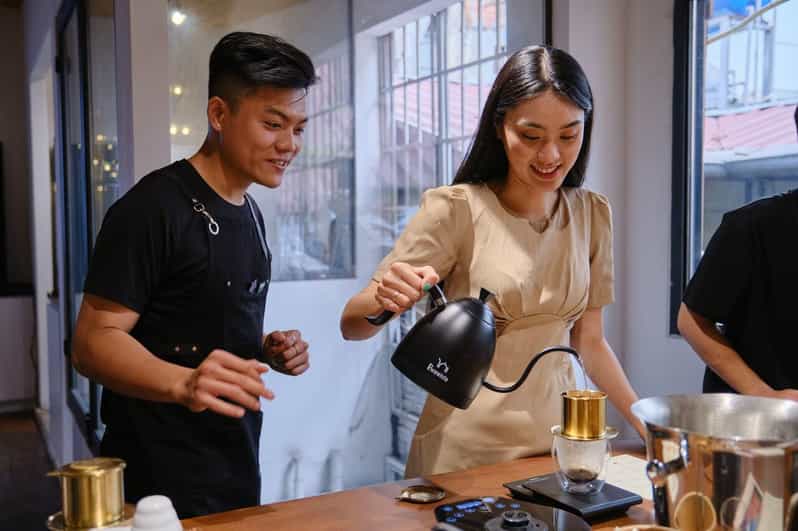
- A real brewing lesson: Use a Vietnamese phin microfilter with freshly roasted beans.
- Salt coffee with a story: Learn how Cà Phê Muối connects to Huế and why salt can bring out a caramel-like taste.
- Dessert with a local twist: Finish with Bánh Mì, honey, and yogurt rather than a standard pastry.
- Central District 1 setting: Go to 220 Nguyễn Công Trứ, not the provider’s other Lacàph location.
- Good value for coffee fans: At $23 per person, the price covers instruction, three drinks, and food in a 90-minute session.
Why this coffee class is different
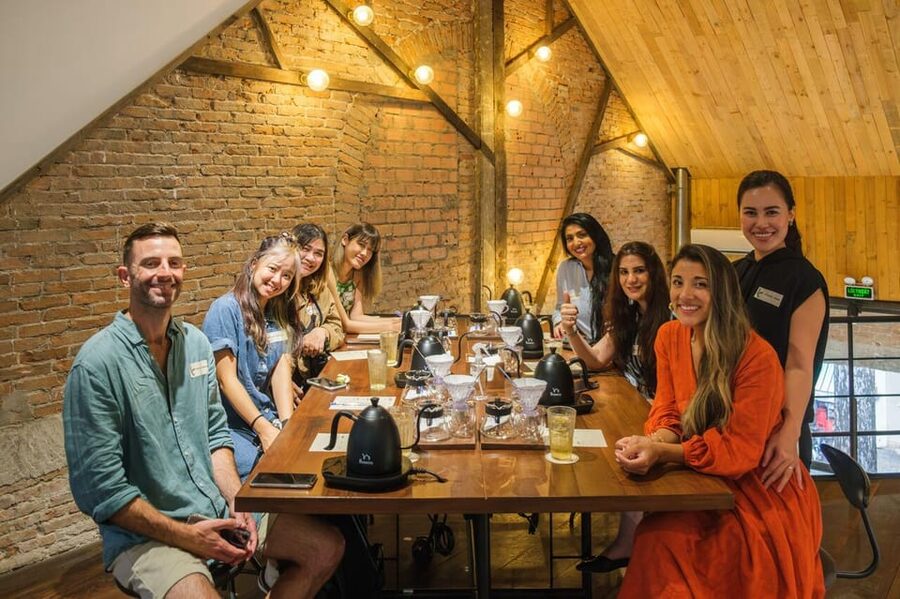
Ho Chi Minh City has no shortage of cafés, but most café visits teach you little about what is in the cup. This class gives you a practical introduction to Vietnamese brewing, with enough hands-on work to repeat the process at home.
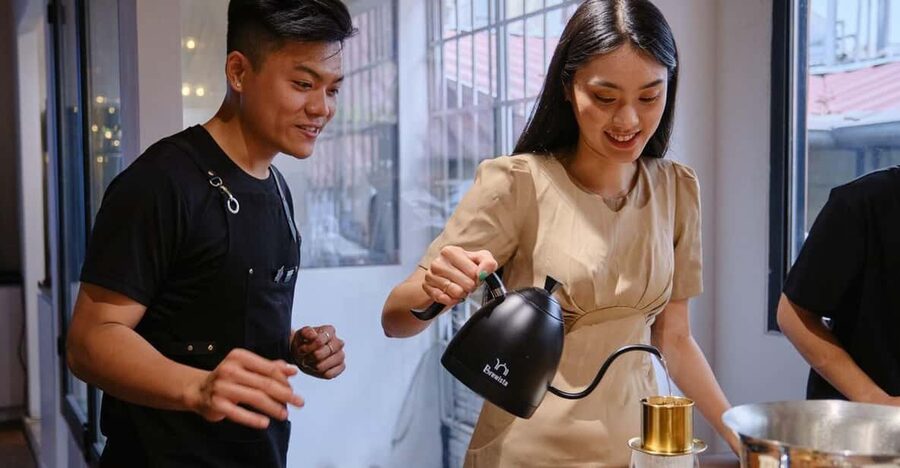
The phin is the key. It is a compact metal brewer that sits over your cup while hot water passes slowly through coffee grounds. You get to smell the freshly roasted beans, watch the drip, and adjust your preparation with help from the instructor.
That matters because Vietnamese coffee is as much about method as ingredients. The slow filter, condensed milk, cream, yogurt, honey, and even salt all change the balance of the drink. You are not simply sampling three recipes. You are seeing how one coffee tradition can move from sweet and milky to savory, creamy, and dessert-like.
The class is offered in English or Vietnamese. Past instructors have included Ny, Quan, Sierra, Joey, Vi, Giao, Julia, and Tram Anh. The teaching style can vary by instructor, but the pattern is clear: step-by-step preparation, background information, visual material, and plenty of room for questions.
More Coffee Making Classes in Ho Chi Minh City
- Fun & Easy Vietnamese Coffee Workshop in Hồ Chí Minh City
★ 5.0 · 293 reviews - Coffee Workshop in Ho Chi Minh City: Discover the art of coffee
★ 5.0 · 35 reviews - HCM: Egg Coffee Class with local Instructor & Snack
★ 4.7 · 8 reviews
Starting with Bạc Xỉu and the phin filter
The lesson begins at Lacàph Coffee Experiences Space, where your instructor sets up the equipment and introduces Bạc Xỉu. This is a milk-forward Vietnamese coffee, useful for first-time coffee drinkers because the coffee does not dominate the way a very strong black brew might.
You learn to place the phin over the cup, add the freshly roasted grounds, and prepare the coffee so it filters at a steady pace. The process is simple enough for a beginner, but it rewards care. A hurried pour or poorly placed filter can change the strength of the drink.
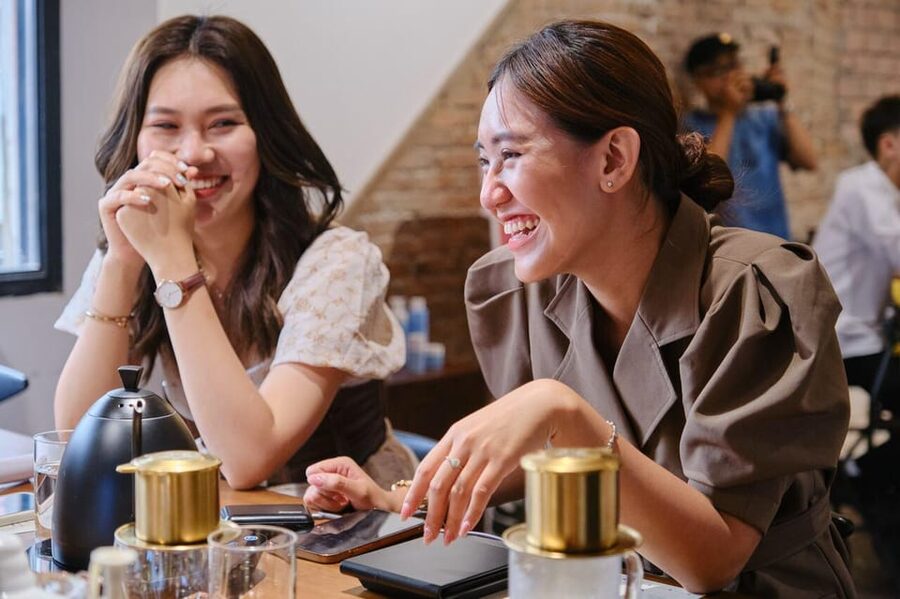
Bạc Xỉu is also a good opening cup because it shows how milk can soften Vietnamese coffee without erasing its character. The drink is sweet, creamy, and approachable. One participant who normally does not drink coffee still enjoyed all three preparations, especially the salt coffee later in the class.
Expect the instructor to explain more than just the hand movements. The class uses images and videos to add context about Vietnamese coffee production and the people connected with the beans. That makes the experience more useful than a basic cooking demonstration, particularly if you plan to buy coffee or a phin during your stay.
The salt coffee lesson from Huế
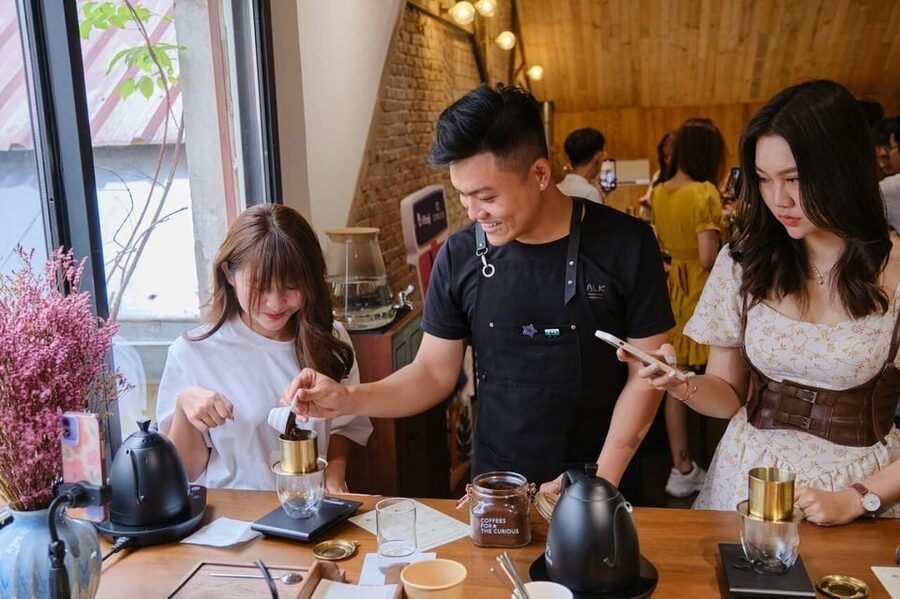
Next comes Cà Phê Muối, the class’s most unusual drink. Salt coffee may sound odd at first, but the point is not to make the cup taste salty. A small amount of salt can balance bitterness and support a smooth, caramel-like flavor.
The instructor also explains the drink’s connection to Huế, a city in central Vietnam known for its food traditions and careful balance of flavors. This story gives the recipe a sense of place. You are learning a drink with a regional identity, not simply trying a modern café novelty.
For many people, this is the highlight of the session. It is different enough from standard sweet Vietnamese coffee to make the lesson memorable, yet it remains easy to enjoy. If you already like coffee, this is the preparation most likely to change your idea of what belongs in the cup.
The class is also useful here because the instructor guides you through the proportions. Salt coffee is not a recipe to guess at on your first attempt. With Quan, Ny, Sierra, or another instructor at your side, you can ask questions and taste the result before trying to recreate it at home.
Phin Con Panna and the dessert finish
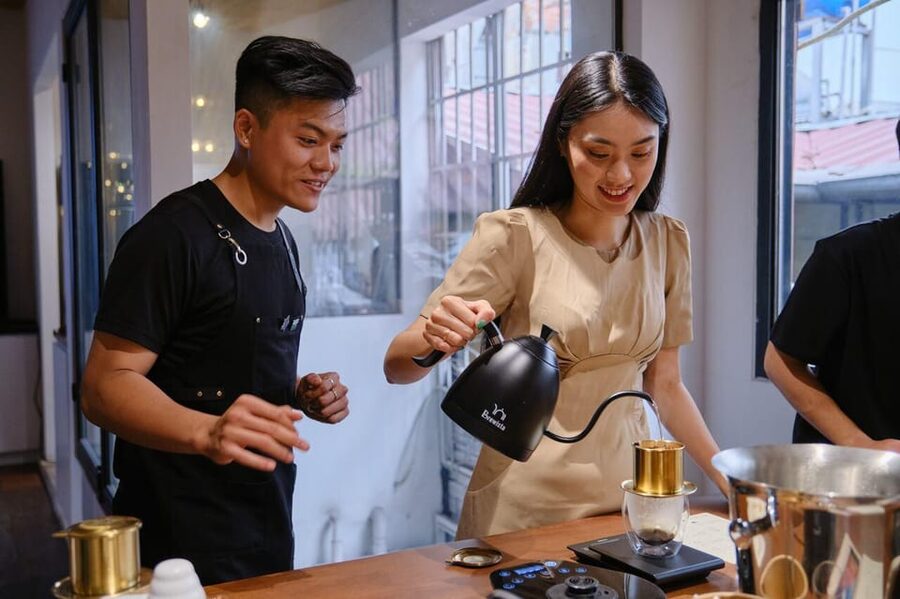
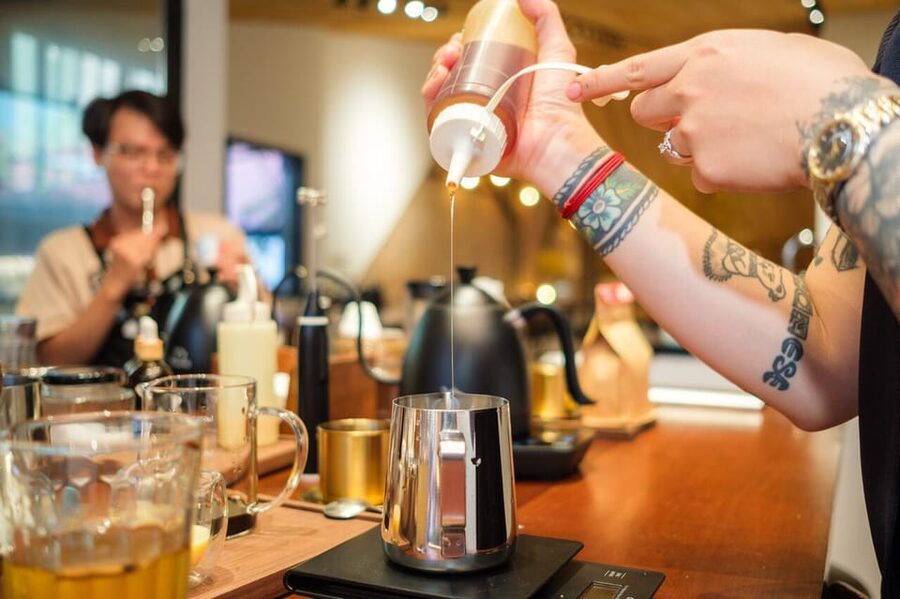
The final coffee is Phin Con Panna, a more indulgent preparation made with yogurt, cream, and raw coffee blossom honey. It is a Vietnamese interpretation of a creamy coffee dessert, with the phin still providing the coffee base.
This drink shifts the class from brewing technique to texture and layering. The yogurt adds tang, the cream adds body, and the honey brings floral sweetness. If Bạc Xỉu is the gentle introduction and Cà Phê Muối is the surprise, Phin Con Panna is the treat.
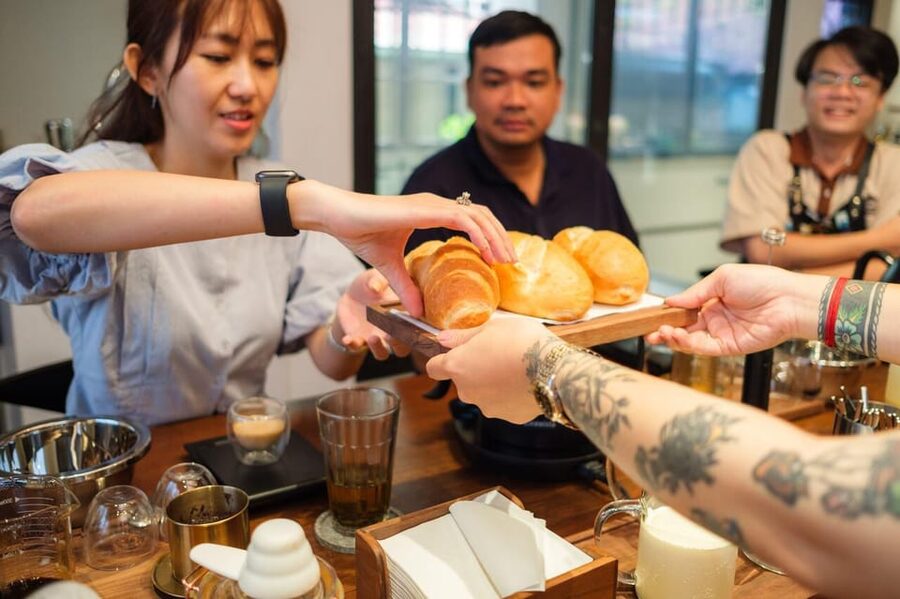
The class then brings out Bánh Mì as a dessert-style accompaniment. Here, Bánh Mì is paired with coffee, honey, and yogurt, giving you a chance to dip the bread into the sweet mixture. It is not a full meal, but it adds enough food to make the tasting feel complete.
Keep your expectations in check. The coffee amounts are tasting portions, not large café servings. If you need a substantial breakfast or lunch, eat separately before or after the class. The Bánh Mì is part of the experience, but it is not meant to replace a meal.
More Coffee Making Classes in Vietnam
- Hanoi Coffee Workshop: Taste Salt, Coconut and Egg Coffee
★ 5.0 · 1,286 reviews - Hanoi: Salt Coffee Workshop Awake Your Senses With 6 Brews
★ 5.0 · 792 reviews - Da Nang Coffee Making Workshop
★ 4.9 · 543 reviews - Hanoi: Vietnamese Coffee Workshop with 6 Brews and 8 Recipes
★ 5.0 · 237 reviews
What the teaching is like
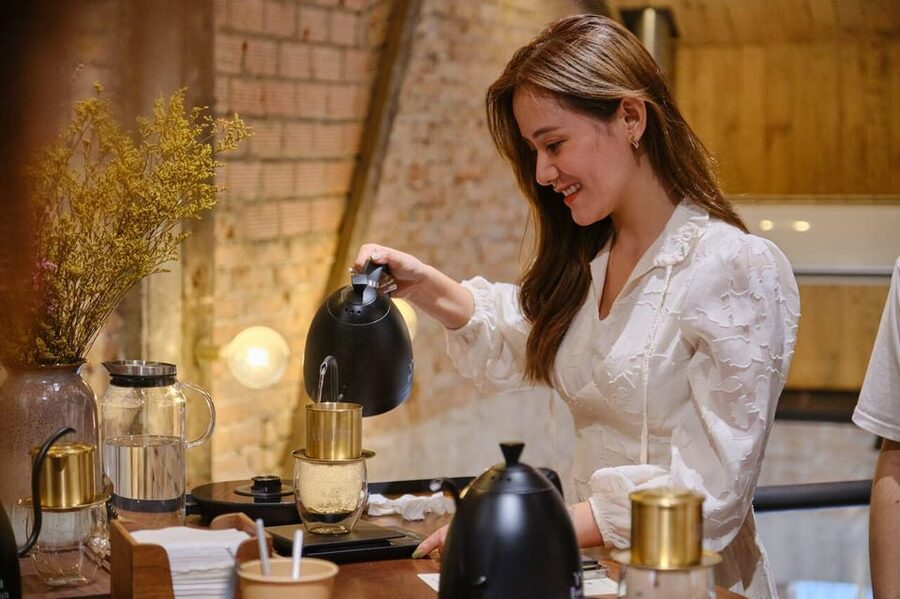
The strongest part of this activity is the human element. Names that come up repeatedly in the experience include Quan, Ny, Sierra, Joey, Vi, and Giao, with each instructor bringing a slightly different personality to the class.
Quan is described as patient, passionate, and generous with coffee tips. Ny is praised for making the lesson easy to follow and adding useful cultural information. Sierra is noted for clear explanations and an engaging manner, while Joey receives praise for combining history, instruction, and a friendly approach.
That matters if you are nervous about making coffee in front of other people. The class is aimed at beginners, and the teaching is designed to keep the process manageable. You can ask questions as you go instead of trying to copy a demonstration from across a crowded room.
The use of slides and videos also helps. Coffee production can be difficult to explain through equipment alone, so the visual material gives you a clearer sense of where the beans come from and how coffee fits into Vietnamese life.
Some participants have received a personalized certificate with a photo at the end. This appears to be part of the class experience on some occasions, but it should not be treated as the main reason to book. The real souvenir is the ability to make the drinks again.
A good introduction to Vietnamese coffee culture
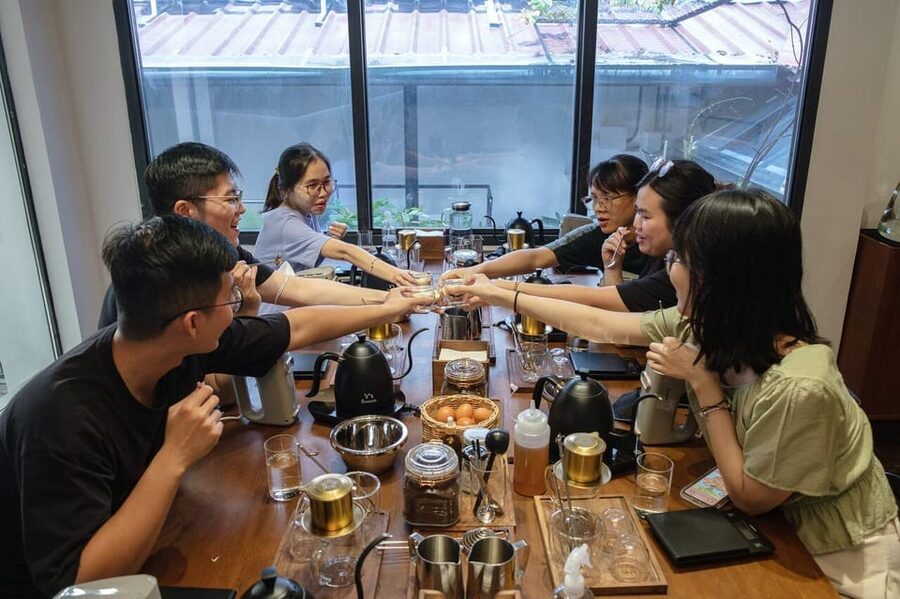
This class works especially well near the start of a Vietnam trip. You get a quick introduction to three common ideas: strong coffee softened with milk, coffee balanced with an unexpected ingredient, and coffee treated as dessert.
One participant took the class soon after arriving in Vietnam and found it a useful introduction to local tastes. That timing makes sense. After the workshop, café menus become easier to understand, and you have a better idea why Vietnamese coffee is often served with condensed milk, ice, or a small metal filter.
The class also gives you a reason to pay attention to local coffee shops. Instead of ordering only by appearance, you can notice how the phin is used and compare different preparations. The adjacent café and shop offer a chance to see coffee products and possibly buy equipment or beans for home use.
Lacàph also presents information about local farmers and communities connected with its coffee. That adds value for anyone who wants more than a recipe. You gain some context about the supply chain and the work behind the beans, though the session remains focused on practical preparation rather than a long lecture.
Is $23 a fair price?
At $23 per person, the activity is not the cheapest way to drink coffee in Ho Chi Minh City. You can buy a Vietnamese coffee for far less at a local café.
The comparison changes once you count the instruction, equipment, three prepared drinks, cultural background, and Bánh Mì tasting. You are paying for access to a guided activity, not just for coffee. For a first visit to Vietnam, that makes the price reasonable, especially if you want a hands-on experience rather than another sightseeing stop.
The value is strongest for people who will use the lesson later. If you plan to buy a phin and Vietnamese coffee, the workshop can prevent trial-and-error at home. You learn the basic method, taste several variations, and leave with a better sense of which flavors you actually like.
It is less valuable if you only want a large drink or a quick snack. The 90-minute session takes longer than a café visit, and the servings are modest. Think of it as a compact food-and-culture class with coffee at its center.
Getting to the correct Lacàph location
Pay close attention to the address. The workshop takes place at Lacàph Coffee Experiences Space, 220 Nguyễn Công Trứ, District 1. The provider has two locations in the city, so arriving at the wrong shop is the easiest mistake to avoid.
Hotel transfer is not included. If you are driving a motorbike, parking is in the basement of building 57 Phó Đức Chính Street. Car parking is available at 8 Tôn Thất Đạm Street. These parking areas are not operated by Lacàph, so allow extra time and do not expect the café staff to manage them.
The central location makes the class easy to pair with other District 1 plans. Still, I would not cut the timing too close. Find the exact address before leaving, especially if you are using a ride-hailing service or navigating unfamiliar streets.
You can cancel up to 24 hours before the activity for a full refund, and the reserve-now, pay-later option helps if your schedule is still shifting.
Who should book this workshop?
This is a strong choice for:
- First-time visitors who want a practical introduction to Vietnamese coffee
- People who enjoy hands-on food activities
- Coffee drinkers curious about phin brewing
- Beginners who want patient instruction in English or Vietnamese
- Couples and small groups looking for a calm break from city sightseeing
- Anyone who wants to learn recipes they can repeat at home
It is not suitable for children under 18, wheelchair users, pregnant women, or people with heart problems, high blood pressure, lactose intolerance, gluten intolerance, or a vegan diet. The recipes use dairy, and the Bánh Mì contains gluten. The coffee itself may also be a concern for anyone who needs to avoid caffeine.
Should you book the Lacàph coffee class?
Book it if you want to understand Vietnamese coffee by making it yourself. The salt coffee lesson, the phin technique, and the Bánh Mì with honey and yogurt give the session enough variety to feel like more than a standard tasting.
Skip it if you are looking for a full meal, large coffee servings, or a broad city tour. This is a focused indoor workshop, not a walking experience or a visit to coffee farms.
For $23, I think it is a sensible pick for coffee fans and curious first-time visitors. Choose a time early in your trip, arrive at 220 Nguyễn Công Trứ, and treat the class as both a tasting and a practical lesson you can carry into the rest of Vietnam.
FAQ
How long does the coffee workshop last?
The workshop lasts 90 minutes.
How much does the experience cost?
The listed price is $23 per person.
Which coffees will I make?
You will make Bạc Xỉu, Cà Phê Muối, and Phin Con Panna.
What food is included?
The experience includes a Vietnamese Bánh Mì dessert served with coffee, honey, and yogurt.
Where does the workshop take place?
It takes place at Lacàph Coffee Experiences Space, 220 Nguyễn Công Trứ, District 1, Ho Chi Minh City.
Which languages are available?
Instruction is available in English and Vietnamese.
Is hotel transfer included?
No. Hotel transfer is not included.
Can I cancel the booking?
Yes. You can cancel up to 24 hours in advance for a full refund.
Just listed in Ho Chi Minh City
- HCM: Egg Coffee Class with local Instructor & Snack★ 4.7 · 8 reviews
- Mastering Egg Coffee-Course on 4 traditional types of Viet coffee★ 5.0 · 16 reviews
- Ho Chi Minh Best Walking Tour: Food, Coffee & History★ 5.0 · 19 reviews
- Ho Chi Minh Street Food Tour and Vietnamese Coffee★ 5.0 · 28 reviews
- Vietnam Coffee Journey – Make extraordinary tasty coffee yourself★ 5.0 · 30 reviews
- Coffee Workshop in Ho Chi Minh City: Discover the art of coffee★ 5.0 · 35 reviews
- Vietnam Flavour: Market-to-Table & The Art of Egg Coffee★ 5.0 · 53 reviews
- Saigon Unseen: Culture, Coffee, Hidden Spots Motorbike Adventure★ 5.0 · 60 reviews
Coffee Making Classes, compared.
Turkish Coffee Making and Fortune Telling Workshop
Read our review →
Hanoi Coffee Workshop: Taste Salt, Coconut and Egg Coffee
Read our review →
Salt Coffee Workshop Awake Your Senses With 6 Brews
Read our review →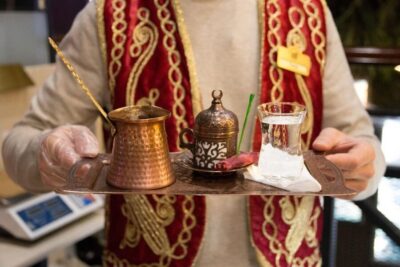

Turkish Coffee Making and Fortune Telling Workshop
Read our review →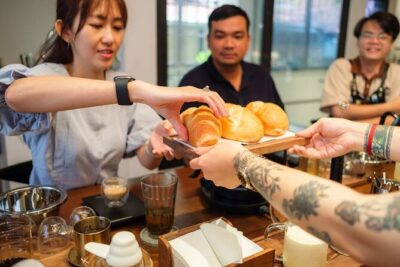
Fun & Easy Vietnamese Coffee Workshop in Hồ Chí Minh City
Read our review →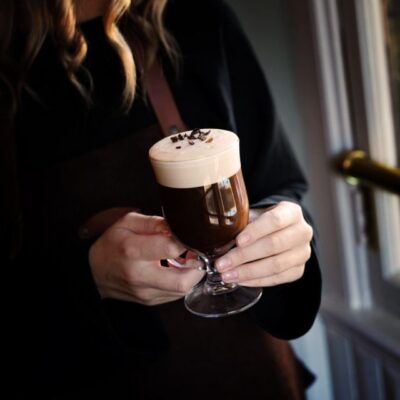
Irish Coffee Masterclass at the Irish Whiskey Museum
Read our review →Lists this coffee tour turns up in