REVIEW · VIETNAM
Ho Chi Minh City: Coconut/Eggs Coffee Making Class
The clever part of this Ho Chi Minh City class is that you do not just drink Vietnamese coffee, you learn how to make it. At iO Coffee Phu My Hung, baristas introduce you to Fine Robusta, show you the Vietnamese Phin filter, and guide you through a coconut coffee recipe using fresh coconut.
I like the hands-on format and the small group limit of 10. I also like that the class treats Robusta seriously, since many visitors know Vietnamese coffee mainly as a strong, sweet drink but leave with a better sense of the bean itself.
The main consideration is the activity name. It refers to coconut and egg coffee, but the detailed program focuses on Phin coffee and coconut coffee. If egg coffee is the reason you are booking, confirm that recipe with iO Coffee before paying.
Key points at a glance
- Fresh coconut recipe: You prepare coconut ingredients from 100 percent fresh coconut rather than simply ordering a finished drink.
- Fine Robusta lesson: The class explains why Vietnamese specialty coffee can be made with carefully selected Robusta beans.
- Your own Phin brew: You practice the slow, simple filter method used for classic Vietnamese coffee.
- Two-hour small group: With no more than 10 people, you should have room to follow the demonstrations and make the drinks yourself.
- Welcome drink included: You begin with a drink from the menu before moving into the coffee lesson.
- $20 value: The price covers instruction, drinks, coffee making, coconut coffee preparation, and gifts, which is fair for a focused food experience.
Why this coffee class is worth your morning
Vietnamese coffee is often reduced to one image: dark coffee poured over sweetened condensed milk. That image is not wrong, but it is incomplete. This class gives you a more useful introduction by placing the Phin filter and Fine Robusta at the center.
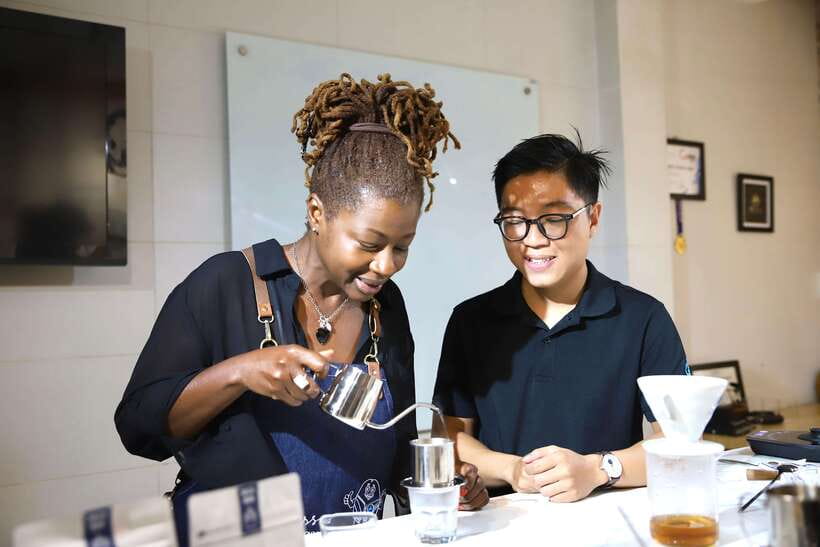
The Phin is a small metal brewer that sits directly on your cup. It is uncomplicated, portable, and slower than an espresso machine. You add coffee, fit the filter, pour water, and let the brew pass through. The class gives you a chance to handle that process instead of watching a barista do it behind a counter.
That matters because the method is part of the drink. Vietnamese filter coffee is not only about caffeine. It is about the pace, the aroma, and the controlled drip that produces a concentrated cup. Once you know the method, you can recognize it in cafés across Vietnam and recreate it at home with modest equipment.
The class also gives Robusta a fair hearing. Fine Robusta is not presented as a cheap substitute for Arabica. The lesson explores the value of specialty coffee and the flavors associated with well-produced Vietnamese beans. If your coffee knowledge begins and ends with roast strength, this offers a useful correction.
More Coffee Making Classes in Ho Chi Minh City
- Fun & Easy Vietnamese Coffee Workshop in Hồ Chí Minh City
★ 5.0 · 293 reviews - Ho Chi Minh City: Fun and Easy Coffee Workshop for Beginners
★ 4.9 · 121 reviews - Coffee Workshop in Ho Chi Minh City: Discover the art of coffee
★ 5.0 · 35 reviews
Arriving at iO Coffee Phu My Hung
The meeting point is iO Coffee Phu My Hung, listed as A 205, M7 Midtown. You will want to allow time to reach the café and locate the exact entrance, especially if you are unfamiliar with the Phu My Hung area.
This is not a citywide sightseeing tour with several stops. It is a café-based workshop. That makes the plan simple: arrive, settle in, take your welcome drink, and focus on the coffee. You will not be spending class time crossing Ho Chi Minh City in traffic.
The setting is described as comfortable and relaxing, which suits the subject. Coffee instruction works better when you can pay attention to a small brewing step, ask a question, and taste what you have made. A large demonstration in a noisy room would make the practical part less useful.
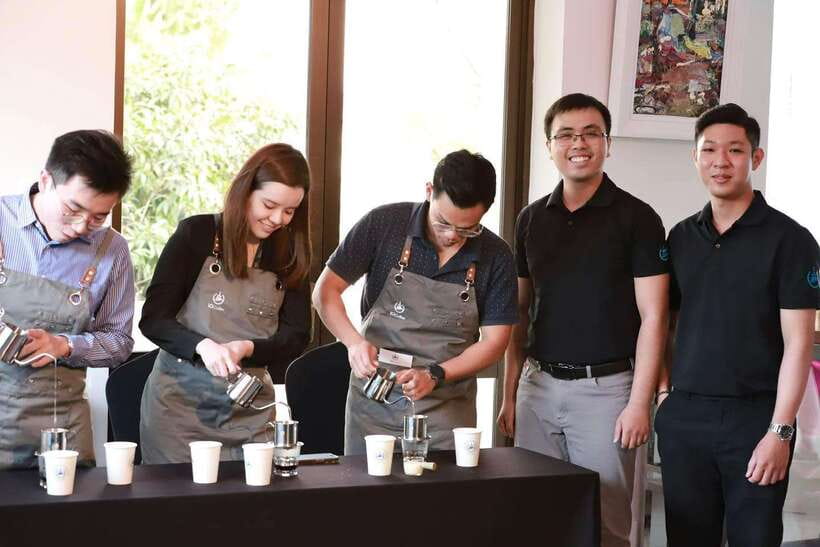
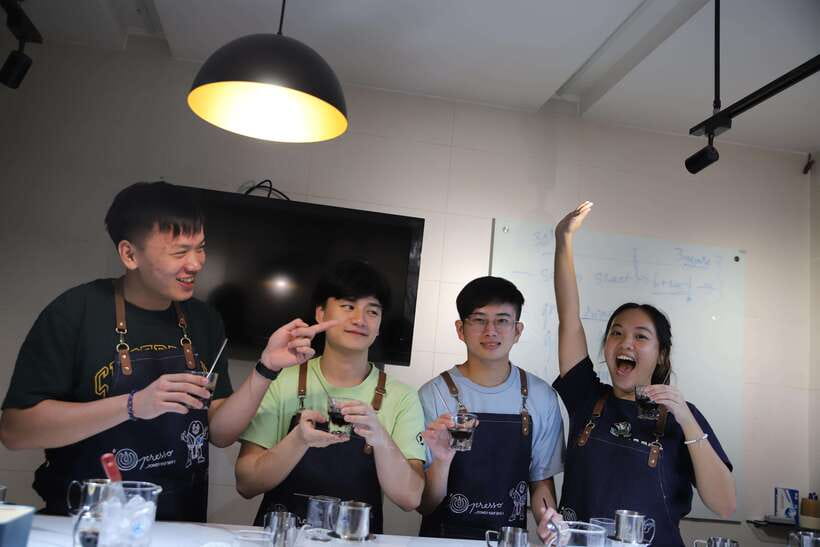
The group limit is 10 people. That does not guarantee one-to-one teaching every minute, but it is small enough for a barista to keep an eye on the brewing process and help you with the coconut preparation. If you are booking with a friend, this size also gives you a social experience without turning the class into a crowded event.
Beginning with a welcome drink
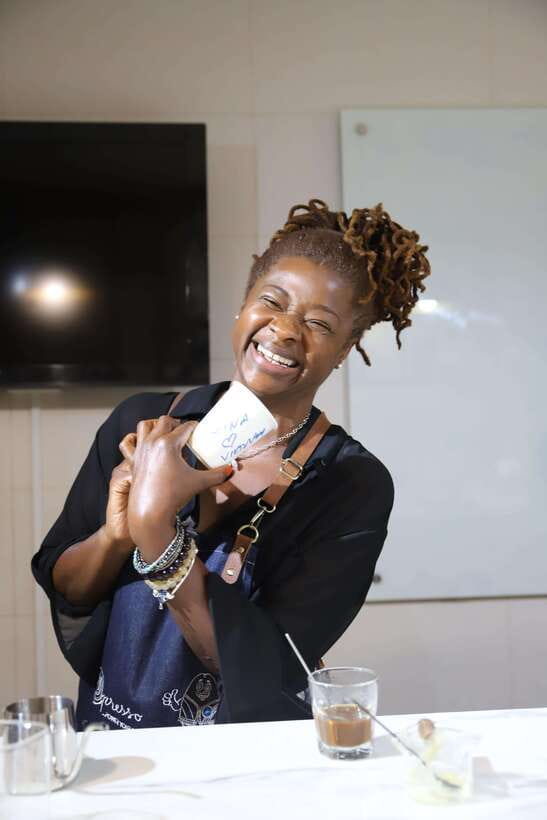
The session begins with a drink from the café menu. This is a nice touch because it lets you start with a finished beverage before you begin working with ingredients and equipment.
The welcome drink also gives you an early point of comparison. You can pay attention to sweetness, coffee intensity, texture, and the balance between coffee and other ingredients. Later, when you make your own drink, you have a reference for what you are trying to create.
The class includes Vietnamese specialty coffee as part of the experience. You are not simply given a recipe and sent to a counter. The wider aim is to help you understand how coffee fits into Saigon café culture, including the way traditional filter brewing is adapted into modern drinks.
Do not expect a long food tour or a full café menu tasting. The value here is concentration. You get a few drinks and a guided lesson rather than a broad sample of every Vietnamese coffee style.
Learning what makes Fine Robusta different
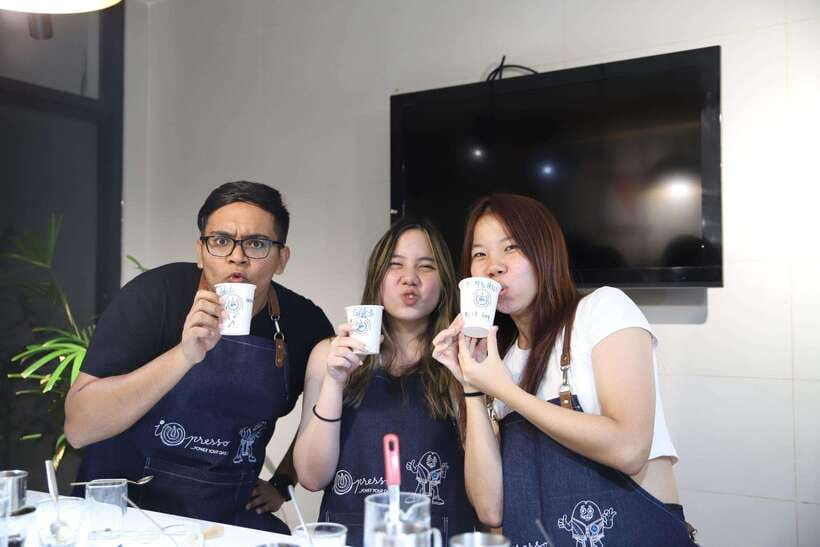
The coffee discussion covers the history of coffee in Vietnam and the value of specialty coffee. That background is useful because Vietnam is often associated with quantity and strong commercial coffee, while the class focuses on quality and careful preparation.
Fine Robusta gives the lesson a clear local identity. The bean is important to Vietnam’s coffee story, yet visitors often arrive expecting every serious coffee experience to center on Arabica. Here, the baristas explain the character of Vietnamese Robusta and how better beans can produce a drink with detail rather than only power.
You will explore the flavors of the coffee used in the class. The supplied information does not give a tasting chart or list of specific flavor notes, so you should not expect a formal sensory exam. Instead, the useful outcome is learning to pay attention to the bean, the roast, the brewing method, and the final cup as connected parts of the drink.
The class is especially helpful if you want a clearer vocabulary for ordering coffee in Vietnam. You can ask about the beans and preparation with more confidence, rather than assuming that every dark, strong cup tastes the same.
More Coffee Making Classes in Vietnam
- HCMc Egg Coffee Class in 1 hour with local intructor & snack
★ 4.2 · 8 reviews - HCM: Egg Coffee Class with local Instructor & Snack
★ 4.7 · 8 reviews - Drip Craft Coffee Workshop-Discover 4 Famous Types of Viet Coffee
★ 5.0 · 2 reviews - Hanoi Coffee Workshop: Taste Salt, Coconut and Egg Coffee
★ 5.0 · 1,286 reviews
Brewing Vietnamese coffee with a Phin
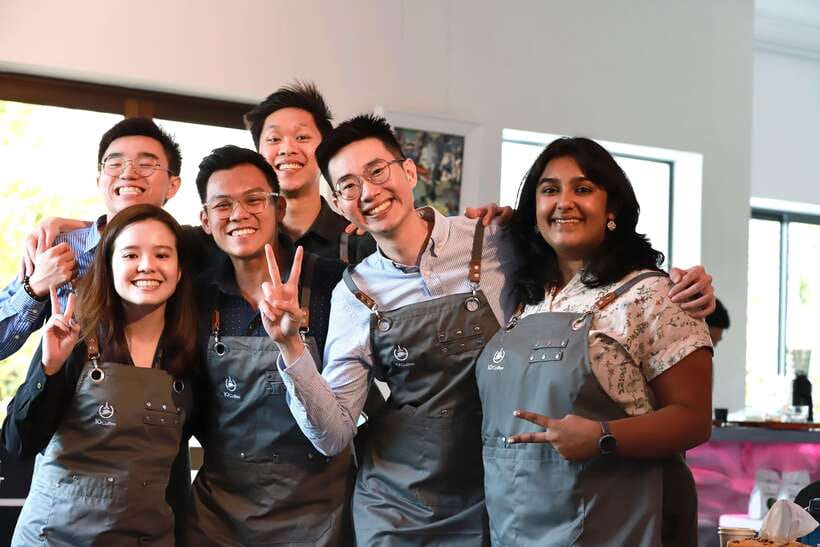
The Phin lesson is the practical heart of the experience. You get to brew a cup yourself under the guidance of a professional barista.
This is where the two-hour format earns its keep. Brewing a Phin looks easy, but small choices affect the result. The coffee needs to be prepared correctly, the water added in a controlled way, and the wait treated as part of the process. With guidance, you can see how the equipment works instead of guessing later in your hotel room.
I like this part because it produces a skill you can carry home. A Phin is small, inexpensive, and easy to pack. You do not need a large espresso machine or a shelf full of specialist equipment to repeat the basic method.
The class description promises authentic Vietnamese filter coffee, but you should keep the word authentic in practical terms. You will learn a Vietnamese brewing style and handle the equipment yourself. Your first cup may not taste exactly like the instructor’s, and that is part of the point. You are learning by making.
The instructors speak English and Vietnamese. That gives English-speaking visitors a clear way to follow the lesson, while the presence of both languages fits the local café setting.
Preparing coconut coffee from fresh ingredients
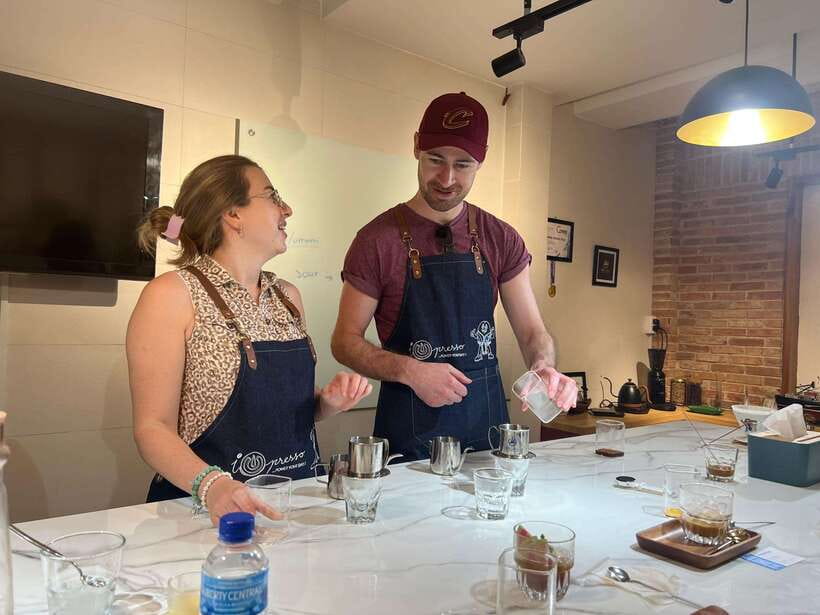
After the coffee lesson, the class turns to the coconut side of the drink. You learn about the benefits of coconut and different coconut processing methods, then work with ingredients made from 100 percent fresh coconut.
This section is more than a sweet add-on. Coconut changes the body and texture of coffee. It can soften the bitterness, add a creamy feel, and create a cooling tropical drink that suits Ho Chi Minh City’s climate. The class explains how the coffee and coconut work together rather than treating the combination as a random café trend.
You will follow iO Coffee’s recipe and personally craft coconut coffees. The precise formula is not provided in advance, so the class retains some practical value. You are not just being handed a printed recipe with every decision already made. You can watch the barista’s method, prepare the ingredients, and see how the final drink comes together.
The coconut processing discussion is useful for home cooks. You may not duplicate every step after returning home, depending on what fresh coconut products are available, but you will understand why the ingredient matters and how it can be used in a coffee drink.
Expect some trial and error. A homemade coconut coffee can be sweeter, thicker, or more strongly flavored than you prefer. The class gives you a starting point, not a promise that your first attempt will match a café version perfectly.
The Saigon café culture angle
The final value of the class is cultural rather than technical. It connects coffee preparation with Saigon café culture.
Ho Chi Minh City has many ways to drink coffee, from a quick street-side cup to polished modern café creations. Coconut coffee fits this range well. It uses a familiar local drink, then adds a distinctly tropical ingredient and a more contemporary presentation.
The lesson lets you see how tradition and experimentation can sit together. The Phin method is old-fashioned in the best sense: simple, slow, and tied to daily life. Coconut coffee is more playful. Together, they show how Vietnamese cafés keep a familiar coffee base while creating new drinks around it.
I would not book this as a substitute for a full cultural tour of Ho Chi Minh City. The class stays focused on coffee. But if you want one food activity that explains an everyday part of local life, it gives you more context than a standard café stop.
What the $20 price includes
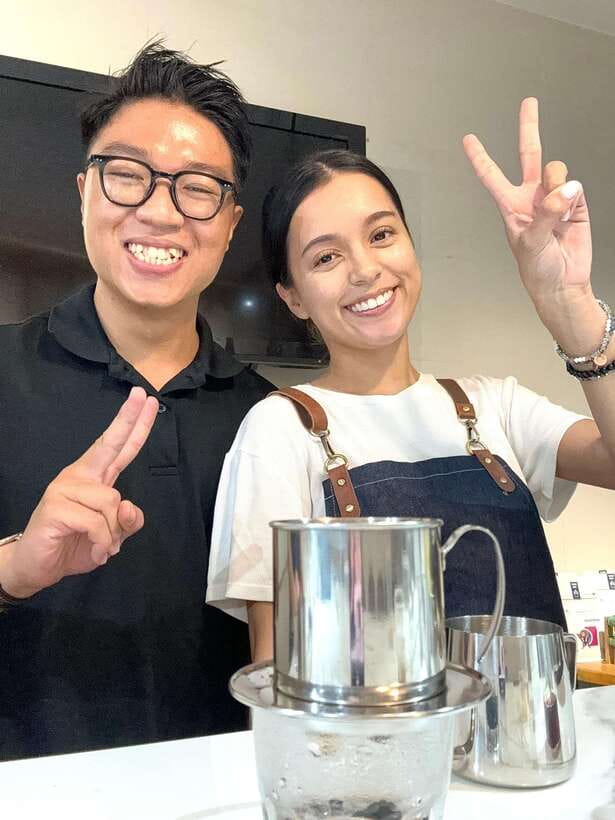
At $20 per person, this is a reasonable buy for a two-hour workshop. You receive a welcome drink, instruction in Vietnamese specialty coffee, a Phin brewing session, a coconut coffee preparation session, the drinks you make, and gifts.
The price is strongest for people who value participation. If you only want to taste coconut coffee, ordering one at a café will cost less. You are paying for the barista’s time, the ingredients, the equipment, and the chance to make the drinks yourself.
The small group also helps the value. A class limited to 10 gives you a better chance to ask questions and receive practical help than a large public demonstration. The available feedback is highly positive, with a 5 out of 5 rating from eight reviews. One early participant specifically praised the young team’s enthusiasm and their willingness to share coffee knowledge. Another highlighted the comfortable setting, while a Vietnamese participant appreciated the clear information about Fine Robusta.
That pattern points to the class’s strongest quality: the people leading it care about coffee and want you to understand it. That does not mean every drink will suit every palate. It does mean the class has a clear purpose beyond selling a pretty beverage.
Who should book this experience
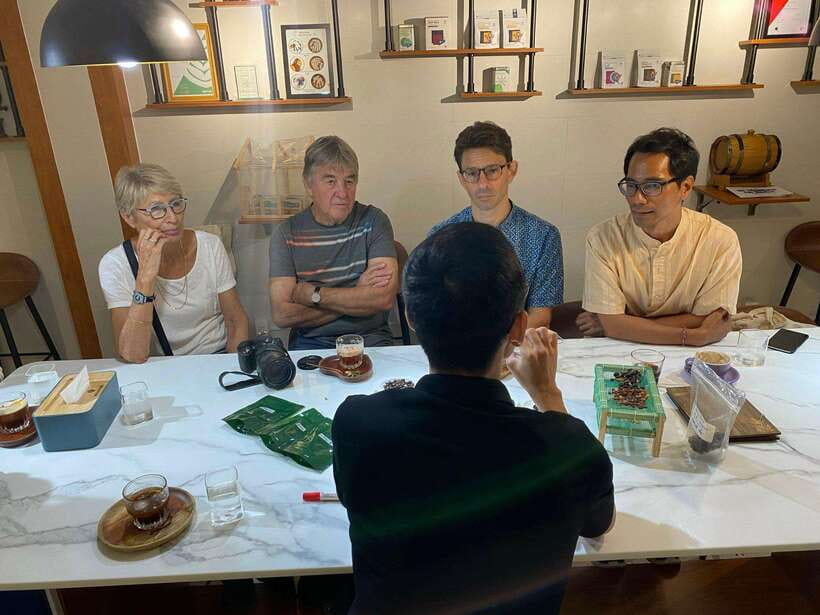
I would recommend this class to coffee drinkers who want more than a tasting. You will get the most from it if you enjoy asking how a drink is made, trying a local ingredient, and learning a method you can repeat later.
It also suits visitors who want a short activity in Ho Chi Minh City. Two hours is long enough to feel substantial but short enough to fit before lunch, after sightseeing, or on a flexible afternoon. The activity does not require a full day or a complicated route across town.
This is a good choice for couples and friends because you can compare your own brews and coconut coffees. It may also suit solo visitors who enjoy small-group classes and meeting other coffee fans.
You may want to skip it if you do not drink coffee, dislike coconut, or prefer a broad food tour with several dishes. The lesson is focused, and the main drinks are coffee-based.
One more point deserves attention: the activity title includes eggs, but the supplied program explains coconut coffee and Phin coffee rather than an egg coffee recipe. If Vietnamese egg coffee is essential to your plans, ask iO Coffee whether it is included on your date.
Booking details that matter
The class lasts two hours, with starting times available according to the date you select. English and Vietnamese are offered, and the group is limited to 10 people.
You can reserve now and pay later, which helps if you are arranging a Ho Chi Minh City schedule that may change. Cancellation is free up to 24 hours in advance for a full refund.
Bring an attentive mood rather than expecting a quick tasting. The best part is the process: listen to the explanation, watch the barista, make your Phin coffee, then prepare the coconut version. You will get more from the class if you treat each cup as practice rather than a performance.
Should you book the iO Coffee class?
Book it if you want a practical introduction to Vietnamese coffee, especially Fine Robusta and Phin brewing. The $20 fee is fair because you receive several drinks, instruction, hands-on preparation, and a small-group setting.
I would be particularly keen to book this early in a Ho Chi Minh City visit. Once you understand the Phin and the local approach to Robusta, ordinary café stops become more interesting. You will notice the brewing method, ask better questions, and have a coconut coffee recipe in your back pocket.
Skip it if you are only looking for egg coffee, since that part is not clearly covered in the program details. For everyone else who likes coffee and wants a relaxed activity with a useful takeaway, iO Coffee offers a focused and good-value class.
FAQ
Where does the coffee class meet?
The class meets at iO Coffee Phu My Hung, at A 205, M7 Midtown in Ho Chi Minh City.
How long does the activity last?
The class lasts two hours. Starting times depend on availability for your chosen date.
How much does the experience cost?
The listed price is $20 per person.
What drinks are included?
You receive a welcome drink from the menu, Vietnamese specialty coffee, and the opportunity to make Phin coffee and coconut coffee.
Is the class offered in English?
Yes. The instructors speak English and Vietnamese.
What is the cancellation policy?
You can cancel up to 24 hours in advance for a full refund. You can also reserve now and pay later.
Just listed in Ho Chi Minh City
- Tea & Coffee Experience★ 5.0 · 10 reviews
- Sai Gon Special Coffee At Landmark 81 & Street Food tour★ 5.0 · 3 reviews
- Private Ho Chi Minh City Tour from Port & Vietnamese Egg Coffee★ 5.0 · 6 reviews
- Discover Vietnam’s Coffee Culture.★ 5.0 · 5 reviews
- Hands-on making 3 Iconic Coffees of South Central North Vietnam★ 5.0 · 14 reviews
- Saigon Special Night Coffee Landmark 81 & Food Tour★ 5.0 · 2 reviews
- Drip Craft Coffee Workshop-Discover 4 Famous Types of Viet Coffee★ 5.0 · 2 reviews
- [Free E-sim] Half day Instagram Cafe Tour in Ho Chi Minh★ 4.5 · 8 reviews
Coffee Making Classes, compared.
Turkish Coffee Making and Fortune Telling Workshop
Read our review →
Hanoi Coffee Workshop: Taste Salt, Coconut and Egg Coffee
Read our review →
Salt Coffee Workshop Awake Your Senses With 6 Brews
Read our review →

Turkish Coffee Making and Fortune Telling Workshop
Read our review →
Fun & Easy Vietnamese Coffee Workshop in Hồ Chí Minh City
Read our review →