

REVIEW · HO CHI MINH CITY
Hands-on making 3 Iconic Coffees of South Central North Vietnam
The clever idea here is to use coffee as a map of Vietnam. In 90 minutes, Quynh connects a plain phin brew, Saigon’s condensed milk coffee, Central Vietnam’s salted cream coffee, and Hanoi’s egg coffee with the different habits and histories of the country’s three main regions.
I like the hands-on format, since you make the drinks rather than simply watch a demonstration. I also like the small group limit of six, plus Quynh’s 16 years of food and beverage experience and his habit of showing both the right and wrong brewing methods so you can taste the difference.
The main consideration is time. This is a compact workshop, not a full coffee farm visit or a broad food tour. The setting is in central District 1, and the emphasis is on preparation, tasting, and storytelling rather than a long city walk.
Key points at a glance
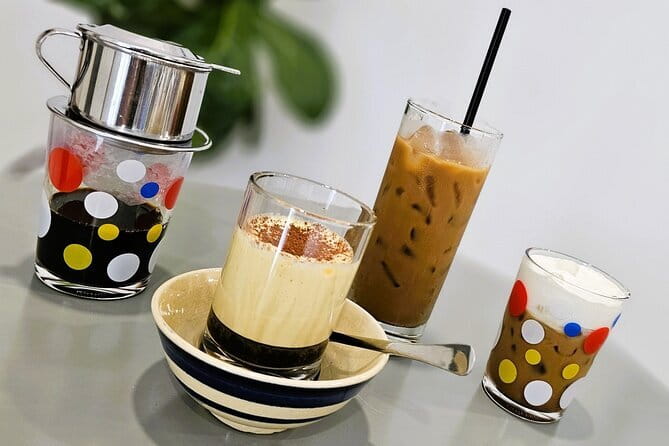
- Four coffee preparations in 90 minutes: Learn phin coffee, condensed milk coffee, salted cream coffee, and Hanoi egg coffee.
- Regional stories in every cup: Quynh links southern, central, and northern coffee habits with local character and history.
- You make the drinks yourself: Ingredients and equipment are ready, but the point is to practice the methods.
- A tiny group of up to six: The format should give you room to ask questions and adjust recipes to your taste.
- A central meeting point: Start and finish at 27 Ngo Duc Ke in Ben Nghe, District 1.
- Good value for coffee fans: At $21.69 per person, the price includes the drinks, ingredients, equipment, and cashew nuts.
Four Vietnamese coffees, one short lesson
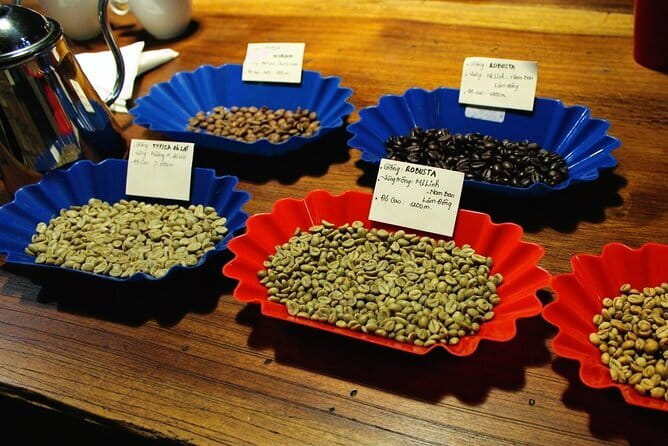
Vietnam is a long, narrow country, stretching roughly 1,650 kilometers from north to south. Its coffee habits are not identical from one end to the other, and this workshop uses four drinks to explain those differences.
You begin with a short introduction to Vietnamese coffee culture. This gives the session a useful frame. Instead of treating coffee as a fashionable drink that appeared out of nowhere, Quynh explains how coffee became part of daily life and how local preferences shaped the drinks you see in cafes today.
The session then moves into preparation. You are not handed a finished cup and sent on your way. You use the equipment, handle the ingredients, and taste the results. That makes the lesson more useful after you leave Ho Chi Minh City, since you can repeat the methods at home if you find the right coffee and equipment.
The experience is described as covering four coffee drinks, although its title focuses on three iconic regional styles. The extra preparation is the plain phin coffee, which acts as the base for comparing techniques and flavors.
More Coffee Tours in Ho Chi Minh City:
- Egg coffee & Course on 4 traditional types of Viet coffee
★ 4.9 · 487 reviews - Fun & Easy Vietnamese Coffee Workshop in Hồ Chí Minh City
★ 5.0 · 293 reviews - Vietnamese Coffee & Culture Exploration in Hồ Chí Minh City
★ 5.0 · 202 reviews
The phin lesson: why small details matter
The phin is the small metal filter used for Vietnamese drip coffee. It sits over a cup and lets hot water pass slowly through ground coffee. The method is simple, but the result depends on how you set up the filter and manage the water.
Quynh first demonstrates the correct method. He also prepares a wrong sample so you can compare the two tastes. That is one of the most useful details in the whole workshop. A written recipe can tell you what to do, but tasting a poor result beside a better one helps you understand why the steps matter.
You get a chance to make the coffee yourself. The point is not to memorize one rigid recipe. Quynh explains how to adjust the drink to suit your taste and mood, which is helpful if you prefer a stronger, lighter, sweeter, or less sweet cup.
This part also gives you a better sense of Vietnamese cafe culture. The phin is not a fast espresso machine. It slows the process down and makes the wait part of the drink. In a city where coffee is often enjoyed while sitting and talking, that pace matters.
Southern style: condensed milk and Saigon habits
The famous Vietnamese coffee with condensed milk is the most familiar drink in the workshop. It usually combines strong phin coffee with sweetened condensed milk and ice, creating the powerful, sweet iced coffee associated with Saigon and southern Vietnam.
Here, the drink is treated as more than a recipe. Quynh explains the combination of ingredients and how it reflects southern preferences. The contrast is clear: dark, strong coffee meets thick sweetness, then ice turns it into a cooling drink suited to Ho Chi Minh City’s warm climate.
You make the drink with the ingredients provided. That makes it easier to understand the balance. Too little condensed milk leaves the coffee sharp and intense. Too much can hide the coffee itself. You can adjust the proportions, then taste the result right away.
If you already drink Vietnamese iced coffee, this is still useful. You may discover that the familiar cafe version is sweeter or stronger than you prefer, and the workshop gives you the method to make a more personal version. If you are new to Vietnamese coffee, this is likely the most approachable of the four preparations.
Central Vietnam’s salted cream coffee
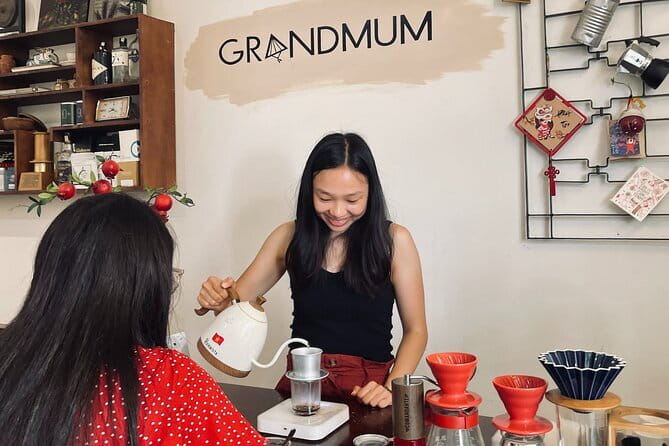
The central region is represented by salted cream coffee, a more modern drink with a very different profile from condensed milk coffee. It combines coffee with a salted cream topping, creating a sweet, creamy, and lightly savory taste.
Quynh explains the ingredients and the tricks involved in making the topping. This part should appeal to you if you like newer cafe drinks or enjoy trying unusual flavor combinations. Salt is not there to make the coffee taste salty in a harsh way. Used carefully, it changes the balance of sweetness and cream.
The drink also shows how Vietnamese coffee culture continues to change. The southern condensed milk coffee is strongly associated with an established cafe tradition, while salted cream coffee feels more current and experimental. Putting both in the same session helps you see that Vietnamese coffee is not one fixed style.
There is a practical benefit here, too. Cream-based drinks can be less forgiving than plain phin coffee. The workshop lets you see how the ingredients come together and how much topping works for your taste. You can ask questions as you go, rather than trying to copy a finished drink from a photograph.
Still in Ho Chi Minh City, but a different cup:
- Decadent Vietnamese “Egg Coffee” Workshop in Hồ Chí Minh City
★ 5.0 · 150 reviews - Ho Chi Minh City: Fun and Easy Coffee Workshop for Beginners
★ 4.9 · 121 reviews - Techniques & Secrets Behind the Famed Vietnamese Egg Coffee
★ 5.0 · 99 reviews - 1 hour Egg Coffee Cooking Class with Snack and Local Instructor
★ 5.0 · 72 reviews
Hanoi’s egg coffee and the northern character
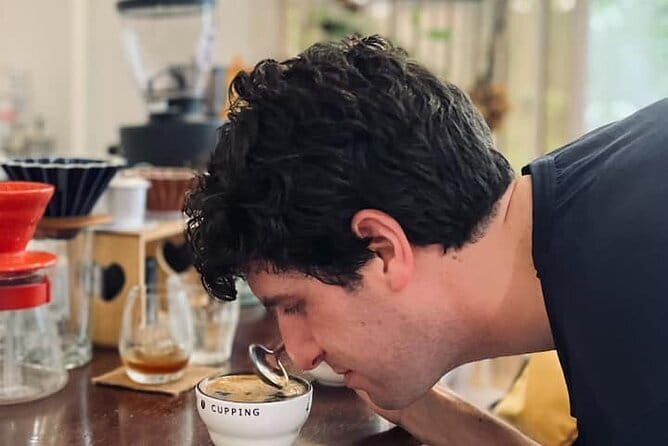
The final featured drink is Hanoi egg coffee, one of Vietnam’s most distinctive coffee creations. It combines coffee with a whipped egg mixture, producing a thick, creamy topping that can make the drink feel almost like a dessert.
Quynh explains both the preparation and the story behind it. The workshop uses this drink to discuss the character of Hanoi and northern coffee habits. It is a useful reminder that regional identity can show up in small, everyday choices, including the way people sweeten, soften, and serve coffee.
Egg coffee can sound unusual if you have never tried it. The workshop format helps because you are involved in making it and can see what goes into the topping. You also get to compare it with the other drinks, which makes its texture and sweetness easier to understand.
This is not presented as a cooking class with a long list of advanced techniques. The emphasis is on the ingredients, the method, and the cultural story. That keeps the session friendly for beginners, while still giving coffee fans something to think about.
Quynh’s teaching style and the group size
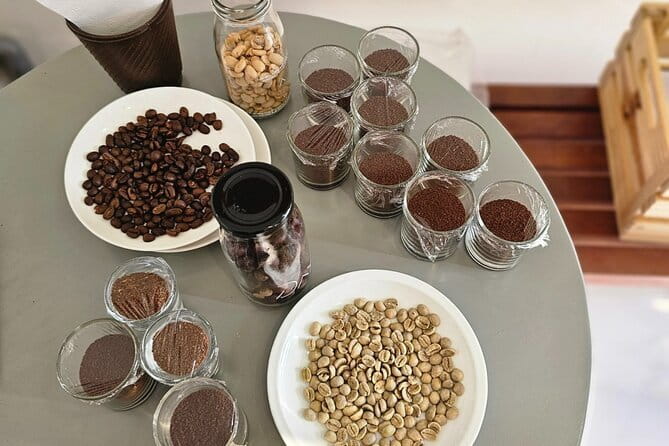
Quynh is the host behind Vietnam Coffee Journey. He brings 16 years of food and beverage experience to the session and has a strong interest in coffee, history, and culture. His approach is not limited to showing you a recipe. He uses the drinks to explain how people in different parts of Vietnam live and what they prefer to drink.
The small maximum of six people matters. In a larger class, hands-on preparation can turn into a line where you wait for your turn. With up to six participants, you should have a better chance to follow the demonstrations closely, make each drink, and ask about ingredients or technique.
Quynh also uses comparison as a teaching tool. The wrong phin sample is a good example, since it turns an abstract instruction into something you can taste. This practical approach should suit you if you learn better through doing than through listening to a long lecture.
The setting has been described as an attic workshop with tables and equipment laid out for the class. That sounds more like a working coffee space than a polished tourist attraction. For this kind of experience, that can be an advantage. The focus stays on the drinks and the host rather than on elaborate staging.
What is included for $21.69
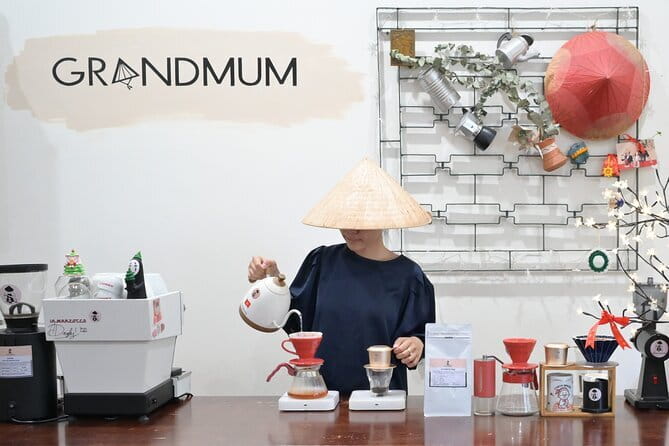
The $21.69 price includes coffee or tea, four coffee preparations with the ingredients and equipment supplied, and some Vietnamese cashew nuts. You only need to arrive ready to take part.
For a 90-minute private-feeling workshop in central Ho Chi Minh City, that is a fair price. You are paying for more than four samples. The value comes from the instruction, the cultural explanation, the chance to compare methods, and the practical skill of making the drinks yourself.
It also saves you from buying every ingredient and piece of equipment separately. If you are curious about Vietnamese coffee but do not know how a phin works, the session gives you a low-risk introduction. You can decide afterward if you want to buy a filter or seek out more regional coffee styles.
Do not book it expecting a full meal. Cashew nuts are included, and one account of the session describes banh mi being prepared as an added food item, but the stated inclusion is snacks rather than lunch. If you need a substantial meal, eat before or after the workshop.
Location, timing, and what to plan
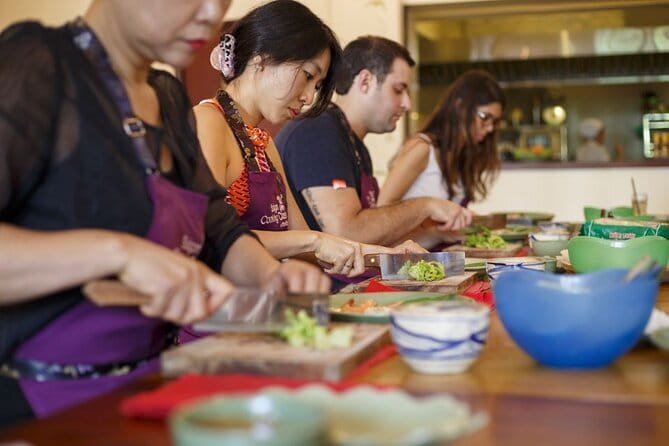
The meeting point is 27 Ngo Duc Ke, Ben Nghe, District 1, Ho Chi Minh City. The activity ends at the same place, so you do not need to arrange a separate return transfer.
Its central location is handy if you are already exploring District 1. It is also near public transportation. The experience lasts about one hour and 30 minutes, which makes it easy to fit into a morning or afternoon without giving up half a day.
You should allow a little extra time to find the exact entrance. The meeting point is an address rather than a landmark-based meeting description, so checking the details before setting out is sensible. Confirmation is provided when you book.
Service animals are allowed. The available information does not give a detailed description of stairs, seating, or other mobility arrangements, so you should ask the provider directly if those details matter for you.
Who will get the most from this workshop
This is a good match for you if coffee is part of how you understand a place. You do not need professional barista skills. The class is designed around clear explanations and simple participation, so beginners should be able to follow along.
It also suits people who want a cultural activity without committing to a long walking tour. You get stories about Vietnam’s regions and history while staying in one central location. That can be especially useful during a hot or rainy afternoon in Ho Chi Minh City.
Families and small groups may appreciate the short length and interactive format, although the available information does not specify a minimum age. Solo participants should also fit well, since the group size is limited to six.
You may want to choose another activity if you are looking for coffee growing, roasting, or a visit outside the city. This workshop focuses on drinks, regional meaning, and preparation. It does not promise a plantation visit or a detailed lesson on commercial coffee production.
Booking and cancellation details
The experience is often booked about 14 days ahead, so reserve early if your schedule is tight. The small group limit can make popular dates fill faster than a large bus tour.
Free cancellation is available if you cancel at least 24 hours before the start time. Changes or cancellations made less than 24 hours ahead are not accepted for a refund, and the cut-off uses local time.
Should you book Hands-on making 3 Iconic Coffees?
Book it if you want a compact, personal introduction to Vietnamese coffee and prefer making drinks to simply tasting them. The strongest reasons are the four preparations, the regional stories, Quynh’s food and beverage background, and the small group size.
Skip it if your main goal is a coffee plantation, a long city tour, or a full meal. At $21.69, it offers good value for a focused 90-minute class, but its appeal depends on your interest in coffee and culture. For most visitors spending time in District 1, it is a smart way to understand Vietnam through something you can taste, prepare, and repeat at home.
FAQ
Where does the coffee workshop start?
It starts at 27 Ngo Duc Ke, Ben Nghe, District 1, Ho Chi Minh City, Vietnam.
Where does the activity end?
The activity ends back at the meeting point on Ngo Duc Ke Street.
How long does the experience last?
The workshop lasts approximately one hour and 30 minutes.
How many people can join?
The group has a maximum of six participants.
Which Vietnamese coffees will I make?
You will work with phin coffee, Vietnamese coffee with condensed milk, Central Vietnam’s salted cream coffee, and Hanoi egg coffee.
Are ingredients and equipment provided?
Yes. The coffee, ingredients, and equipment needed for the preparations are provided.
Is food included?
Some Vietnamese cashew nuts are included as snacks. The stated inclusions do not describe a full meal.
Is public transportation available near the meeting point?
Yes. The meeting point is near public transportation.
Can I cancel for a full refund?
Yes, if you cancel at least 24 hours before the experience starts. Cancellations or changes made less than 24 hours before the start time are not accepted for a refund.
Just listed in Ho Chi Minh City
- Sai Gon Special Coffee At Landmark 81 & Street Food tour★ 5.0 · 3 reviews
- Private Ho Chi Minh City Tour from Port & Vietnamese Egg Coffee★ 5.0 · 6 reviews
- Tea & Coffee Experience★ 5.0 · 10 reviews
- Saigon Special Night Coffee Landmark 81 & Food Tour★ 5.0 · 2 reviews
- Discover Vietnam’s Coffee Culture.★ 5.0 · 5 reviews
- Drip Craft Coffee Workshop-Discover 4 Famous Types of Viet Coffee★ 5.0 · 2 reviews
- [Free E-sim] Half day Instagram Cafe Tour in Ho Chi Minh★ 4.5 · 8 reviews
- Saigon Unseen: Culture, Coffee, & Hidden Gems Motorbike Tour★ 5.0 · 13 reviews
Ho Chi Minh City Coffee Tours, compared.
Egg coffee & Course on 4 traditional types of Viet coffee
Read our review →
Fun & Easy Vietnamese Coffee Workshop in Hồ Chí Minh City
Read our review →
Vietnamese Coffee & Culture Exploration in Hồ Chí Minh City
Read our review →
Decadent Vietnamese “Egg Coffee” Workshop in Hồ Chí Minh City
Read our review →
Techniques & Secrets Behind the Famed Vietnamese Egg Coffee
Read our review →
1 hour Egg Coffee Cooking Class with Snack and Local Instructor
Read our review →
Saigon Unseen: Culture, Coffee, Hidden Spots Motorbike Adventure
Read our review →Lists this coffee tour turns up in