
REVIEW · NORTHERN VIETNAM
Hanoi: Make 6 Iconic Coffees in a Heritage Home with Locals
Hanoi’s coffee culture comes to life at the kitchen counter, where you make six Vietnamese coffee styles inside a 100-year-old French colonial home. This is not a quick tasting with a cup placed in front of you. You whisk, mix, adjust, taste, and learn why egg coffee needs the right balance and why Vietnamese coffee is more than strong coffee with condensed milk.
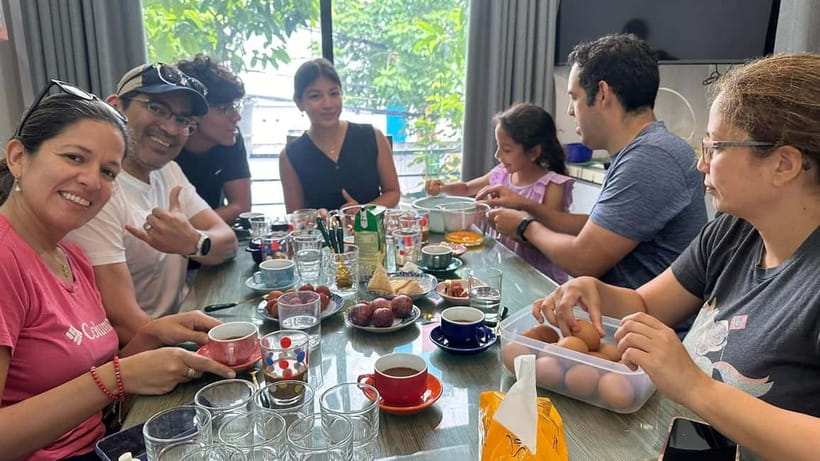
I like the small groups of up to 10, which give you room to ask questions and work at a calm pace. I also like the family setting, with old art, everyday objects, a balcony, and local elders who welcome your curiosity. The main consideration is caffeine: six coffees in two hours can be a lot, especially if you normally drink only one cup a day.
Key points to know
- Six coffee styles in about two hours: Make egg, coconut, salty, and other Vietnamese coffees by hand.
- A real family home: Explore rooms filled with collected art and objects from several generations.
- Hosts may include Jade, Jennifer, Jenny, or Mint: Each guide provides English instruction, coffee stories, and practical help.
- Your own taste matters: You can adjust each cup while keeping its traditional balance.
- Recipes go home with you: The useful souvenir is a skill you can repeat, not just a photo.
- Good for beginners and families: Equipment and ingredients are supplied, and childcare is available.
A quiet Old Quarter home instead of a crowded café
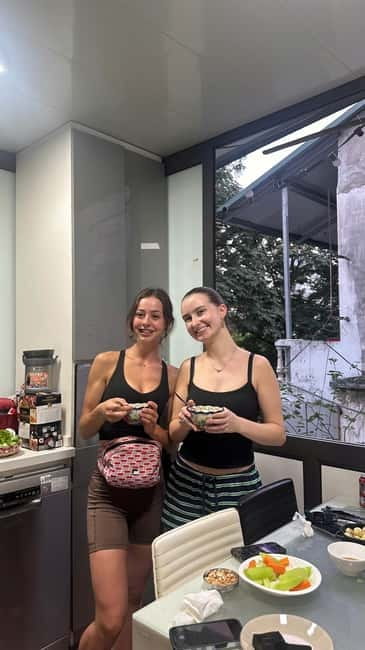
Your meeting point is tucked inside Hanoi’s Old Quarter, but the setting is designed to feel removed from the city’s noise. You enter a century-old French colonial house with a cozy interior, cultural objects, traditional art, and family collections gathered over many years.
That setting changes the mood. You are not sitting in a polished café for ten minutes before moving on. You have time to look around, ask questions, notice the details, and spend a little time on the balcony. The house gives the coffee a connection to daily Vietnamese life, rather than presenting it as a fashionable food trend.
I especially like that the home is open for you to explore during the workshop. The coffee bar remains ready while you look at the rooms, and the activity has a gentle rhythm instead of a tightly packed schedule. If you prefer tours with constant movement and a long list of sights, this may feel slow. If you want a quiet break in Hanoi, it is a useful change of pace.
The experience takes place indoors and has air conditioning, clean restrooms, a dishwasher, and sterilized utensils. A pet-friendly garden space is also available. The practical comforts matter in Hanoi, where a cool indoor activity can be welcome after time in the heat and traffic.
More History Walks in Hanoi:
- Coffee, History, and Architecture of the French Quarter
★ 4.9 · 71 reviews - Kona Tour: Bee Farm, Kona Coffee, and National Historical Parks
★ 4.5 · 78 reviews - Small-Group Historic Coffee Tour in Edinburgh
★ 5.0 · 64 reviews
Meeting local hosts who grew up with Hanoi coffee
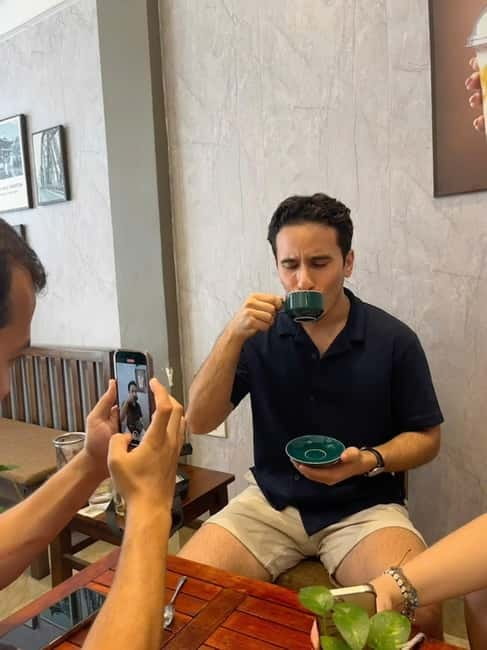
The instruction comes from local hosts raised with Hanoi’s coffee culture. Depending on the session, you may meet Jade, Jennifer, Jenny, or Mint. The personal style can vary from host to host, but the role remains the same: guide you through each recipe, explain the method, and connect the drink to Vietnamese customs and everyday habits.
Jennifer has been especially helpful for visitors who want more than instructions. She explains coffee, culture, and local traditions in clear English, and she also shares useful advice for spending time in Vietnam. Mint is described as organized and patient, starting from the basics and avoiding a rushed pace. Jade is warm and welcoming, with a practical way of explaining each drink.
That variety is worth keeping in mind. You are booking a hosted home workshop, not a scripted performance with one fixed personality. The common thread is close contact and step-by-step guidance. English and Vietnamese are available, and no previous brewing experience is needed.
The hosts also include warm-hearted local elders who are ready to welcome your questions. That detail gives the visit a wider family feeling. You are not only learning a recipe. You are sharing a small part of a household where coffee, art, conversation, and ordinary life sit together.
Six cups, six different lessons
The workshop centers on six Vietnamese coffee styles made by hand. Egg coffee and coconut coffee are specifically included, along with salty coffee and other familiar Vietnamese preparations.
Each cup teaches a different idea. Egg coffee shows how texture can change coffee completely. The creamy topping must be balanced against the strong brewed coffee beneath it, so the drink tastes smooth rather than simply sweet. Coconut coffee brings a cooler, softer flavor and gives you a different way to think about the base coffee.
Salty coffee may sound unusual if you have not tried it. Here, salt is used as part of the flavor balance, not as a heavy savory ingredient. The lesson is simple but useful: a tiny adjustment can bring out sweetness and reduce bitterness.
The remaining styles give you more ways to compare Vietnamese coffee. You taste the beans along the way, notice how the ingredients work together, and adjust each drink to your preference. The aim is not to force every person to make an identical cup. You learn the traditional proportions first, then find the version that suits you.
The activity is often described as making four, five, or six coffees, depending on the session and the description used at the time. The current experience is presented as six iconic styles, but it is sensible to allow some flexibility. A two-hour class may move at a slightly different pace depending on group size, questions, and how much time you spend tasting.
Learning to taste instead of simply drinking
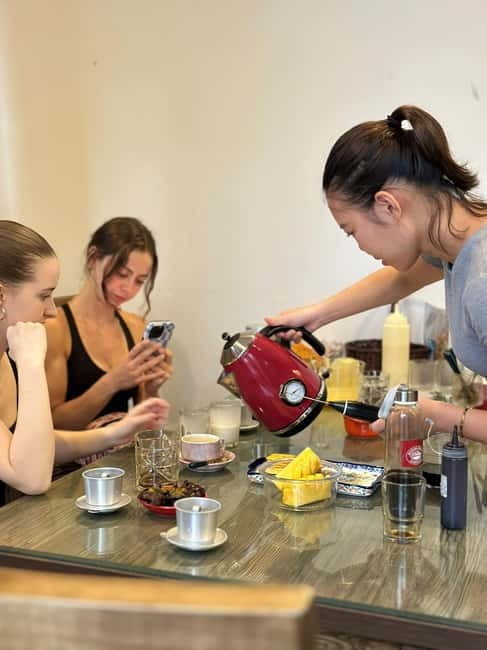
One of the better ideas here is the use of all five senses. You do not simply swallow the finished drink and move to the next one. You smell the coffee, notice its texture, look at the layers, taste the sweetness and bitterness, and pay attention to how salt, coconut, or egg changes the cup.
That approach helps you understand Vietnamese coffee in context. Strong coffee can seem harsh if you judge it by the standards of a light European brew. Once you taste it with condensed milk, egg, coconut, or salt, the strength becomes part of a larger balance.
The beans are another part of the lesson. The hosts share Vietnamese specialty beans they have collected and refined their understanding of over time. You taste them during the session and talk through your impressions. The focus is not on technical coffee language for its own sake. It is on helping you notice what is in your cup.
I would ask questions as you go. Ask how much sweetness is traditional, how the texture should feel, and which ingredients can be changed at home. The small-group format makes those questions easier than they would be in a large demonstration.
More Coffee Tours in Hanoi:
- Hanoi Coffee Experience: 6 Brews, 9 Recipes & 3 Liquor Tastings
★ 5.0 · 2,945 reviews - Hanoi Coffee Workshop: Taste Salt, Coconut and Egg Coffee
★ 5.0 · 1,286 reviews - Hanoi: Salt Coffee Workshop Awake Your Senses With 6 Brews
★ 5.0 · 792 reviews - Hanoi: Master the Art of 4-6 Signature Vietnameses Coffees
★ 5.0 · 517 reviews
What the two-hour rhythm feels like
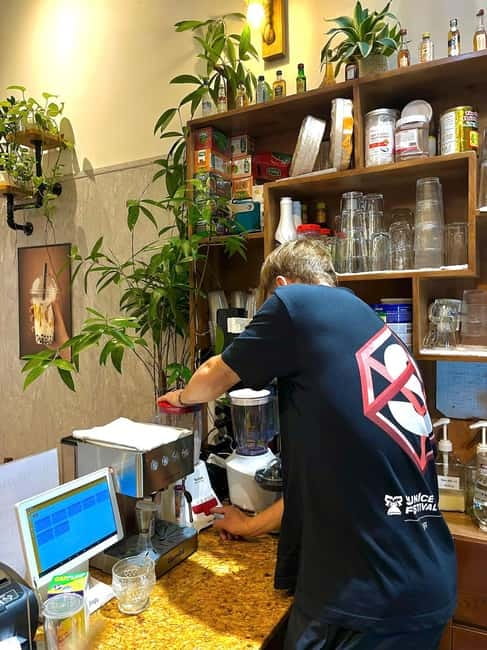
The exact starting time depends on availability, but you should allow roughly one to two hours. The workshop is built around a relaxed pace rather than a rush through six drinks.
You first settle into the home and meet your instructor. The open bar is ready, and the host introduces the coffee ingredients and equipment. Since everything you need is supplied, you can focus on the process instead of worrying about bringing tools or finding a particular type of filter.
The recipes then unfold one at a time. The host explains each step clearly, demonstrates the method, and gives you time to make your own version. You taste as you go, compare the results, and adjust the next cup.
The stories behind the drinks are part of the experience. You learn how the coffee styles came into everyday use and how they connect with Vietnamese coffee culture. The historical detail is not presented as a formal lecture. It arrives naturally while you are whisking, pouring, and tasting.
The final part is less about finishing all six drinks quickly and more about leaving with confidence. You receive full recipes and practical guidance that you can use again. You also have time to look around the house, enjoy the balcony, or continue a conversation with your host.
Why the $22 price can make sense
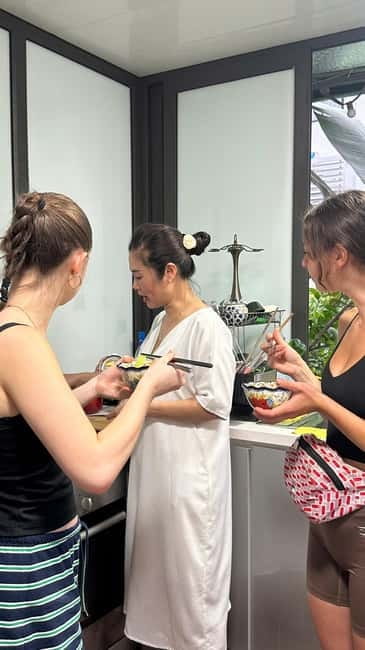
At $22 per person, this is not the cheapest way to drink coffee in Hanoi. You can buy a single cup from a local café for very little. The value here comes from the amount of contact and instruction packed into the price.
You receive six coffee preparations, tasting time, ingredients, equipment, an English-speaking local instructor, and full recipes. You also get a private-home setting and the chance to ask questions throughout the process. If you recreate even a few of the drinks after returning home, the workshop continues to provide value beyond the afternoon itself.
The price is strongest for people who enjoy food activities and want to understand what they are tasting. It is less compelling if you only want a quick coffee break or if you dislike sweet, creamy, or strong drinks.
The group limit of 10 also matters. It is not a one-to-one lesson, but it is small enough for personal help. You can watch the host closely, get corrections when needed, and adjust your own cup rather than merely observing someone else make it.
The home setting is part of the experience
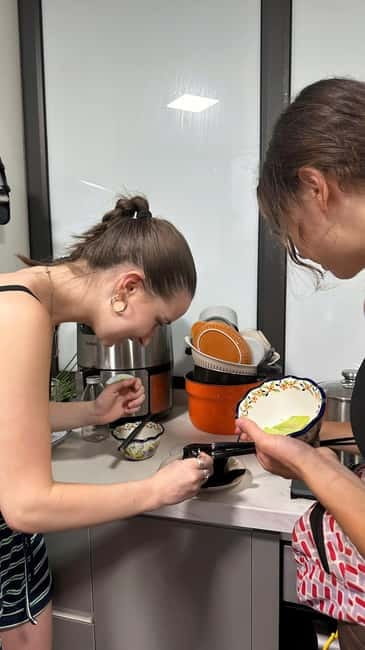
The coffee is the main event, but the house gives the session much of its character. Traditional art pieces and family objects are displayed throughout the rooms. Each item has a story connected to the family’s past, and you can take time to notice them between coffee steps.
This makes the visit feel more personal than a standard cooking studio. You are working in a living family environment, even though the space is arranged for visitors. The balance is appealing: the workshop has the basic comforts of a professional activity, but it has not lost the feel of a home.
The balcony offers another pause point. You might use it to cool down between coffees, look over the Old Quarter, or simply let the strong flavors settle. The experience does not require you to sit rigidly at one station for the entire time.
Families should note that childcare is available, and children can take part in a gentle, hands-on activity with adult supervision. The coffee itself is obviously aimed at adults, but the making, mixing, and cultural setting can give older children something to enjoy. Parents should still check the arrangements when booking.
A few practical drawbacks to consider
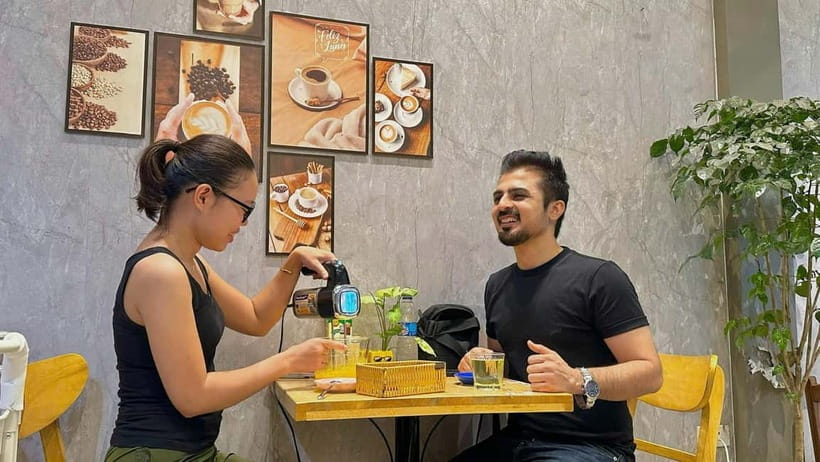
Six coffees is an ambitious tasting. Egg coffee, coconut coffee, salty coffee, and other sweetened styles can become filling, particularly if you take every cup in full. You can personalize each one, and the host can guide you on balance, but people who are sensitive to caffeine or sugar should plan accordingly.
The house is peaceful, but the Old Quarter location may still require careful attention when finding the meeting point. The activity takes place indoors, and you are not visiting several city sights during the session. Think of it as a focused cultural stop, not a walking tour.
The experience also depends partly on the host assigned to your time. Jade, Jennifer, Jenny, and Mint each bring warmth and clear instruction, but their teaching styles may differ. That is normal for a small home workshop. The important point is that the hosts speak Vietnamese and English and provide hands-on help.
Finally, coffee lovers looking for a technical barista course may want more detail about extraction, brewing measurements, and equipment. This class focuses on Vietnamese coffee culture, approachable recipes, tasting, and repeatable home preparation. It is about understanding the drinks you order in Hanoi, not becoming a professional barista.
Who should book this coffee workshop?
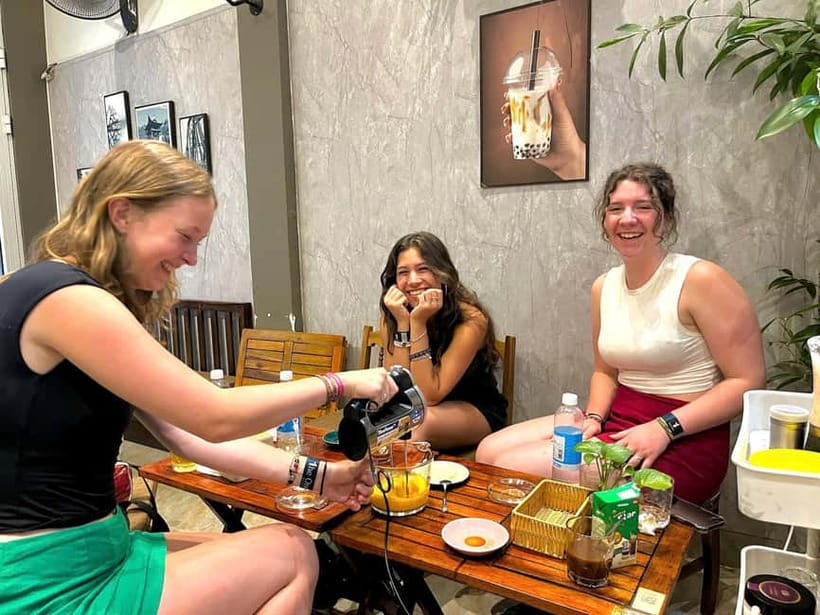
I would choose this for you if you like food, family homes, and small cultural activities. It works well early in a Hanoi visit because you can use the host’s local advice for the rest of your time in Vietnam. It also works late in a trip, when you want a calm indoor activity and a practical souvenir.
It suits couples, friends, solo visitors, and families. The limited group size keeps it social without making it feel like a large class. English instruction, supplied equipment, air conditioning, and accessible facilities make it easy for first-time visitors.
You should think twice if you avoid caffeine, dislike sweet drinks, or want an outdoor sightseeing activity. You should also be comfortable spending up to two hours in one home rather than moving around the city.
The experience has a perfect 5 rating from 32 bookings, with repeated praise for the friendly hosts, clear step-by-step teaching, welcoming home, and quality of the coffee. The strongest pattern is not just that people enjoy drinking the coffee. They leave feeling able to make it again.
Should you book it?
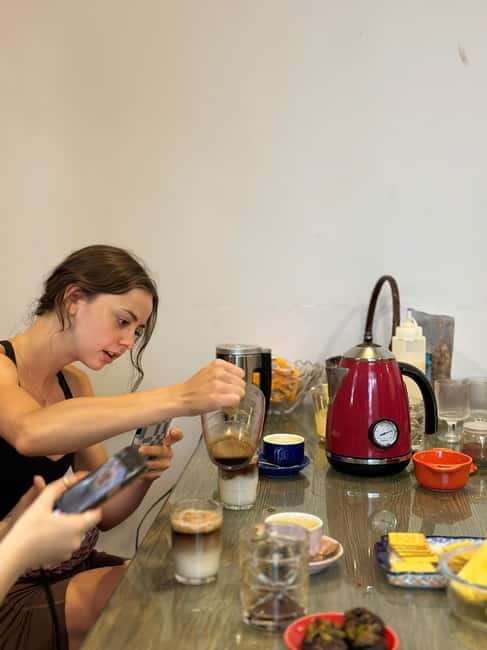
Book this workshop if you want more than a photo of egg coffee in Hanoi. For $22, you get six drinks, local instruction, cultural context, recipes, and a relaxed look inside a family home in the Old Quarter.
I would treat the caffeine and sugar as the main practical warning. Have a light schedule afterward, take your time with the tasting, and adjust the recipes to your preference. If that sounds appealing, this is a smart, personal way to understand one of Hanoi’s most enjoyable daily rituals.
FAQ
How long does the coffee workshop last?
The activity lasts about one to two hours. Starting times vary, so you should check availability for your preferred date.
How many coffee styles will I make?
The workshop is designed around six Vietnamese coffee styles, including egg coffee, coconut coffee, salty coffee, and other traditional preparations.
Do I need coffee-making experience?
No. You do not need prior brewing experience. The host provides the equipment and ingredients and explains each step.
Who leads the workshop?
The workshop is led by Vietnamese and English-speaking local hosts. Hosts may include Jade, Jennifer, Jenny, or Mint, depending on the session.
What is included in the price?
The $22 price includes the coffees and teas, ingredients and equipment, local instruction, full recipes, and access to the home workshop setting.
Is the activity suitable for wheelchair users and families?
The activity is wheelchair accessible. Childcare is available, and the home also has clean restrooms, air conditioning, sterilized utensils, and a pet-friendly garden space.
Just listed in Hanoi
- Walking Tour in Hanoi Old Quarter with Street Food & Coffee★ 5.0 · 4 reviews
- Hanoi Private Walking Tour with Egg Coffee Making Experience★ 5.0 · 90 reviews
- From Egg Coffee to Street Brews: Hanoi Walking Tour★ 5.0 · 4 reviews
- Hanoi: Hands-On 5 Vietnamese Coffees & 3 Local Wines Tasting★ 5.0 · 14 reviews
- Hanoi 2.5 hour Guided Sightseeing Cyclo Tour & Egg Coffee Class★ 5.0 · 16 reviews
- Hanoi daily egg coffee making course with local guide★ 5.0 · 17 reviews
- Hanoi Street Food Tour with egg coffee making★ 5.0 · 22 reviews
- Ha Noi City Tour & Coffee Class★ 5.0 · 25 reviews
Historical Tours, compared.
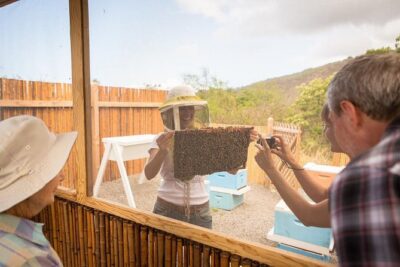
Kona Tour: Bee Farm, Kona Coffee, and National Historical Parks
Read our review →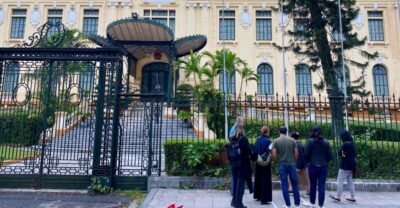
Coffee, History, and Architecture of the French Quarter
Read our review →
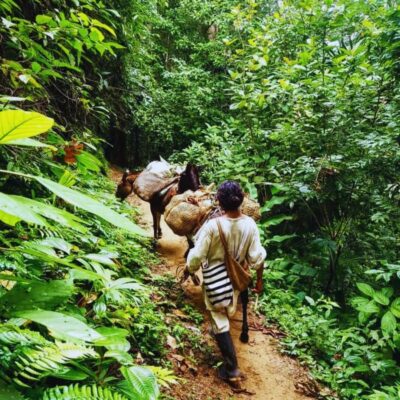
Trekking History and Indigenous Heritage in Minca + Cacao & Coffee + Waterfall
Read our review →
Colima Volcano Cultural Tour: Coffee Plantation, Hacienda and Comala Magic Town
Read our review →
Savannah History plus Coffee and Chocolate Walking Tour
Read our review →
Ho Chi Minh Best Walking Tour: Food, Coffee & History
Read our review →
Materuni Waterfalls & Coffee making Cultural Tour | BURIGI CHATO SAFARIS LTD
Read our review →Lists this coffee tour turns up in