
REVIEW · DONG BAC
Coffee, History, and Architecture of the French Quarter
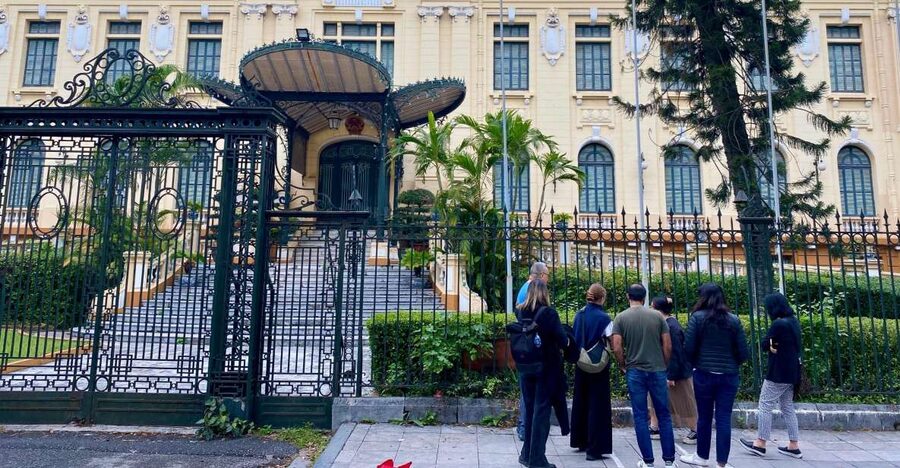
Hanoi’s French Quarter makes the most sense when someone connects its grand buildings to the complicated story behind them. This 2.5-hour walk begins beside St. Joseph’s Cathedral and uses coffee, architecture, old photographs, and conversation to explain French rule, Vietnamese society, and the Vietnam War.
I like the small-group, question-friendly approach, and I like that the tour includes two local treats rather than treating food as an afterthought. Mina is often the guide, with Dung also leading tours, and both are described as warm, clear English speakers. The guides also offer useful food tips and bits of Vietnamese pronunciation along the way.
The main consideration is pace and weather. You’ll walk outdoors through central Hanoi, rain or shine, and the tour is best for people who enjoy listening and asking questions rather than simply collecting landmark photographs.
Key points at a glance
- Start with coffee in an old French villa: Begin with Vietnamese coffee or tea, including popular egg and coconut coffee options mentioned by guests.
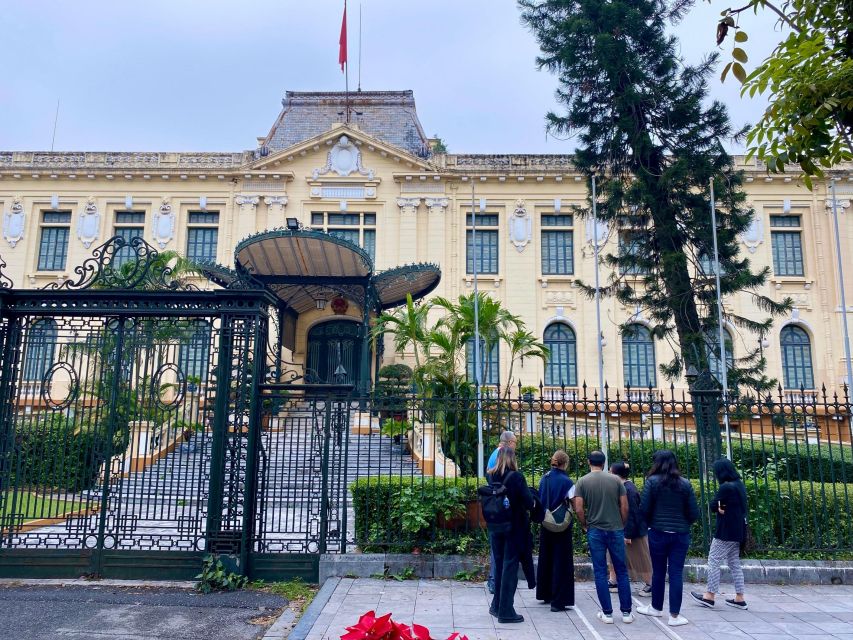
- See more than 15 French Quarter sights: The route links St. Joseph’s Cathedral, the Opera House, Hoan Kiem Lake, Trang Tien Street, the Metropole, the Post Office, and other landmarks.
- History comes as conversation: Mina and Dung explain French colonial rule, social change, architecture, and the Vietnam War in plain English, with photographs to clarify major events.
- Two local food stops are included: Try Vietnamese coffee early and Trang Tien ice cream later, with seating and a restroom at the ice cream stop.
- A good first Hanoi walk: The route gives you practical orientation, historical context, and restaurant suggestions in one compact morning or afternoon.
- Prepare for an outdoor walk: Wear comfortable shoes, breathable clothes, a hat, and sunscreen. Carry an umbrella or raincoat if the forecast looks wet.
Why this French Quarter walk works
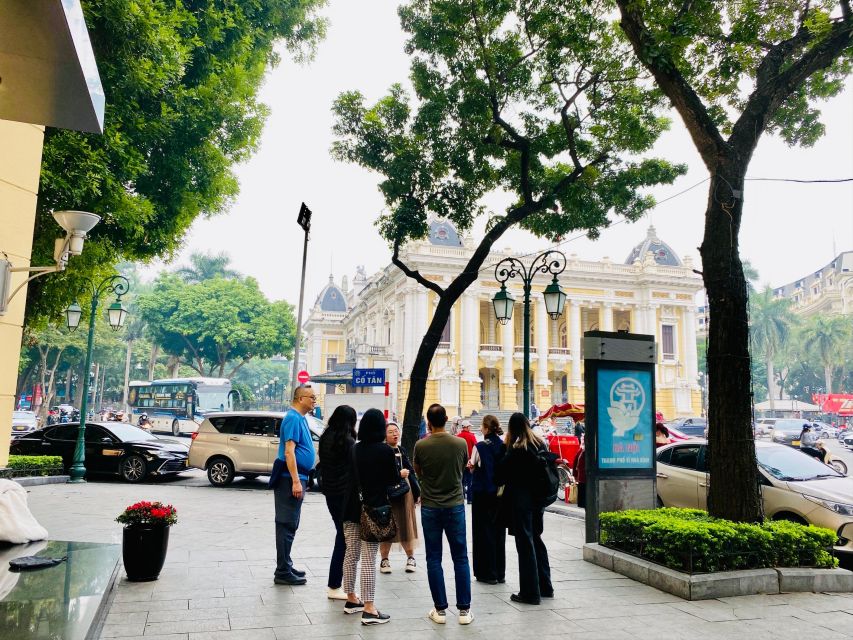
The French Quarter can look simple at first glance: broad streets, colonial facades, a cathedral, hotels, and government buildings. The interesting part is learning how those pieces fit into Vietnam’s modern story. French planning altered Hanoi’s streets, institutions, food, education, and social structure, but Vietnamese people adapted, resisted, and reshaped those influences.
That is the useful promise of this experience. You are not just shown a yellow building and given its construction date. You are encouraged to ask what the building represented, who used it, and how Hanoi changed under French rule. The tour also brings the Vietnam War into the discussion, so the walk does not treat colonial architecture as pretty scenery detached from politics.
Mina receives especially strong praise for her clear English, humor, and ability to explain difficult subjects without turning the outing into a classroom lecture. She reportedly uses photographs on her phone to show historical events and help you picture Hanoi at another time. Dung is also described as enthusiastic and friendly, with a gift for giving the area a strong sense of place.
The tone matters. You can ask about Vietnamese history, architecture, coffee, food, language, or daily life. If you have a particular interest, tell your guide early. The tour has enough flexibility for questions, personal interests, dietary needs, and energy levels, although the exact experience depends on the guide and group.
More History Walks in Hanoi:
- Hanoi: Make 6 Iconic Coffees in a Heritage Home with Locals
★ 5.0 · 32 reviews - Private Hà Nội Coffee History Tour
★ 5.0 · 6 reviews - Hanoi History Coffee Tour
★ 5.0 · 2 reviews
Starting beside St. Joseph’s Cathedral
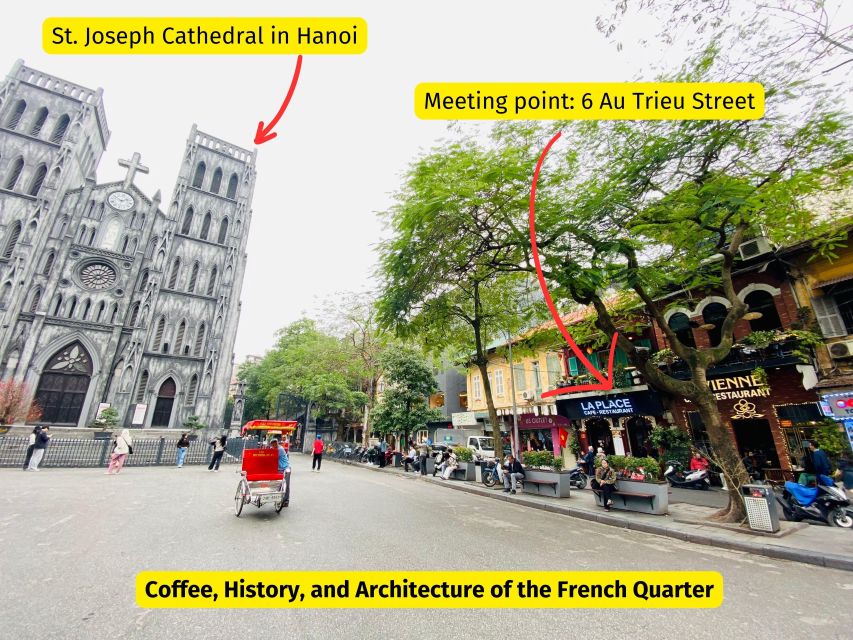
Meet at 6 Au Trieu Street, right next to St. Joseph’s Cathedral. This is a practical starting point because the cathedral is one of Hanoi’s clearest French-era landmarks and an easy visual marker in the city center.
The cathedral’s Gothic appearance immediately sets up the theme of the walk. It also gives your guide a natural place to discuss the religious and architectural imprint of French rule. You’ll spend around 15 minutes here, with time for a guided explanation and an initial break.
Do not expect a formal interior visit to be the focus. The attraction is the building, its setting, and what it reveals about the colonial period. The surrounding streets also give you an early taste of Hanoi’s mix of old structures, motorbikes, shops, and modern city life.
From the meeting point, pay attention to traffic and arrive with a little breathing room. The tour is on foot, and the route begins in an active part of the city.
Coffee in a French villa
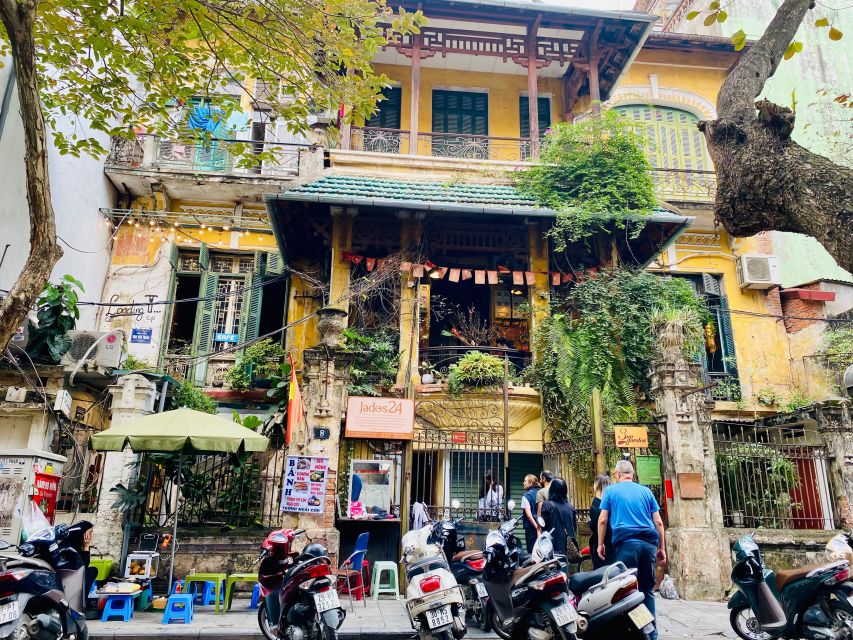
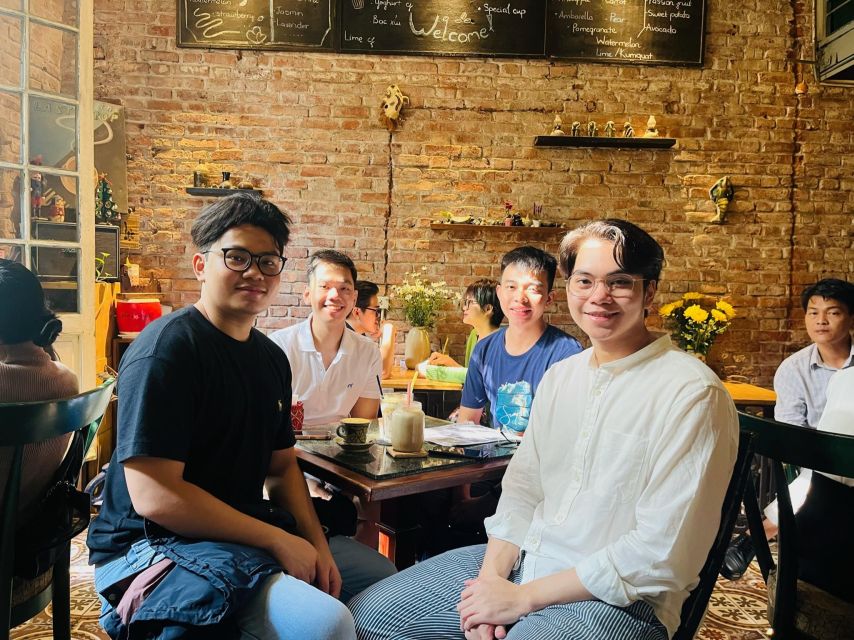
The coffee stop is more than a caffeine break. You’ll sit in a local café housed in an old French villa, where the guide gives an overview of Vietnamese history and explains French influence before the walking portion gathers speed.
A cup of Vietnamese coffee or tea is included. Several descriptions of the experience specifically mention egg coffee and coconut coffee, so this is a good chance to try one of Hanoi’s better-known local drinks. Egg coffee is sweet and creamy, with a texture closer to a dessert than a plain cup of coffee. If that sounds too rich, ask what other drink choices are available.
You’ll spend about 30 minutes here. That may seem long for coffee, but it gives your guide room to establish the timeline: Vietnam before French rule, the colonial period, later conflict, and the changes that followed. Starting with this overview helps the rest of the walk make sense.
I like this structure because you are seated for the most information-heavy introduction. You are not trying to hear a history lesson while crossing a road or standing in the sun. It also makes the tour feel local rather than purely architectural.
Reading the French Quarter’s streets
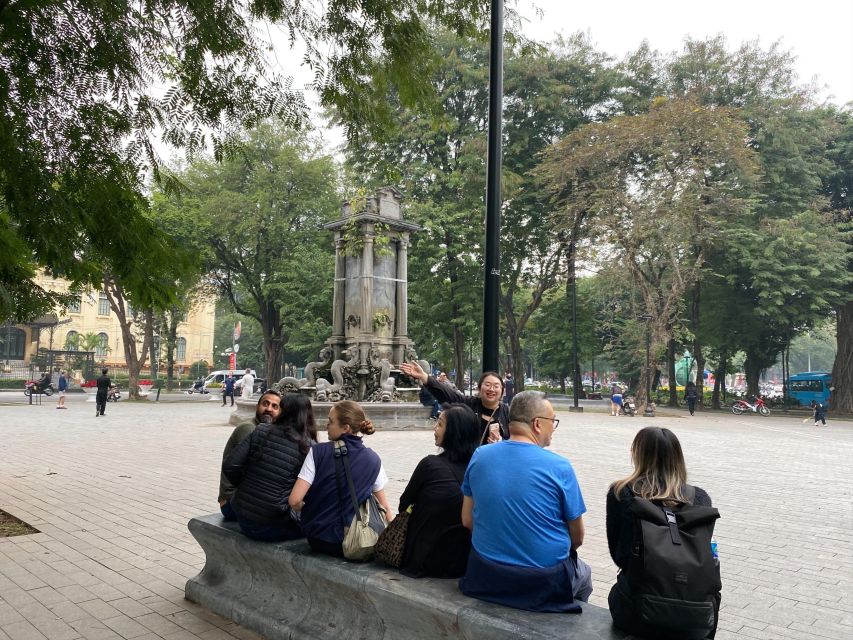
After coffee, the walk moves into the French Quarter for about 15 minutes of guided exploration, though the full route continues through several connected areas. The focus is on how French planning changed this part of Hanoi and how Vietnamese life continued within, around, and beyond those changes.
The guide may point out architectural details that are easy to miss when you walk alone. Colonial buildings can look impressive, but the story is not only about style. The tour examines the good and bad sides of French rule, including the way colonial power affected society and institutions.
This balanced framing is important. You are not asked to admire colonial buildings without context, and you are not given a simple one-sided story. Instead, architecture becomes a starting point for talking about power, education, religion, commerce, and resistance.
The route is described as covering more than 15 top sights, although the main named stops take place at the cathedral, café, French Quarter, Opera House, Hoan Kiem Lake, the Metropole, and Trang Tien. Expect additional buildings, streets, and details between those major points.
More Coffee Tours in Hanoi:
- Hanoi Coffee Experience: 6 Brews, 9 Recipes & 3 Liquor Tastings
★ 5.0 · 2,945 reviews - Hanoi Coffee Workshop: Taste Salt, Coconut and Egg Coffee
★ 5.0 · 1,286 reviews - Hanoi: Salt Coffee Workshop Awake Your Senses With 6 Brews
★ 5.0 · 792 reviews - Hanoi: Master the Art of 4-6 Signature Vietnameses Coffees
★ 5.0 · 517 reviews
Hanoi Opera House and the French city plan
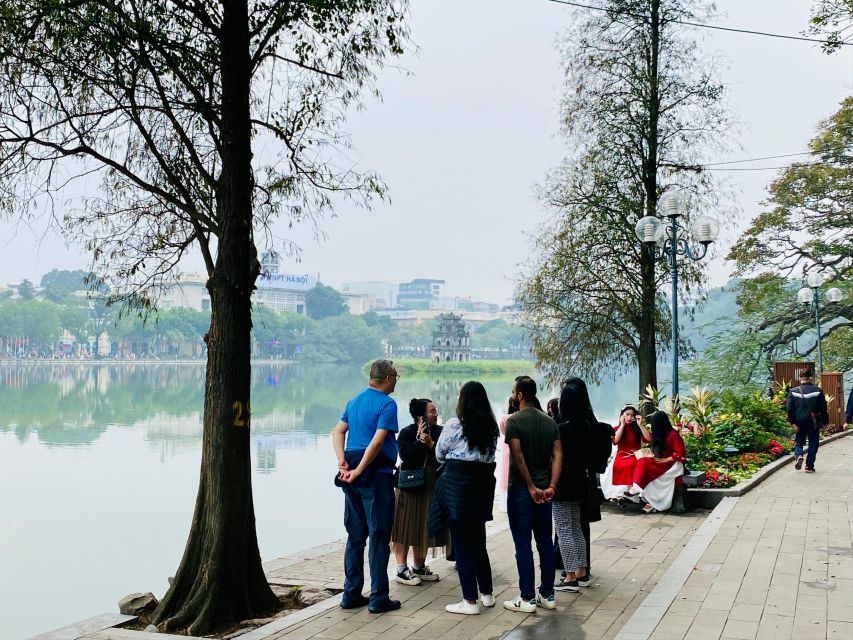
The Hanoi Opera House receives about 15 minutes of guided attention. Its formal design is one of the clearest reminders that French authorities intended parts of Hanoi to look and function like a European colonial capital.
The building is best understood as part of a larger city plan. Your guide can connect the Opera House to the nearby streets, public institutions, hotels, and commercial areas rather than presenting it as an isolated photo stop. This is where the conversation about architecture becomes more useful. You begin to see who the grand spaces were built for and how the city’s layout reflected colonial priorities.
The tour does not list an interior performance or a ticketed visit. Treat this as an exterior history and architecture stop, not an Opera House show. That keeps the price reasonable, but it also means you should not book this walk expecting long indoor visits.
Hoan Kiem Lake and the center of Hanoi
Hoan Kiem Lake adds a different layer to the walk. The lake is one of Hanoi’s central public spaces, and the guide uses it to connect the French Quarter with the broader city.
This stop helps prevent the experience from becoming a narrow study of European buildings. Hanoi is not just a colonial city frozen in one period. The lake brings in local identity, public life, and the relationship between the French Quarter and the rest of central Hanoi.
You’ll spend about 15 minutes here. Depending on the time of day and weather, the area may feel busy, so listen carefully when the guide gathers the group. Comfortable shoes matter more than fashionable ones. This is an urban walk with pavement, crossings, and outdoor standing, not a slow stroll through a quiet garden.
The Sofitel Legend Metropole Hanoi
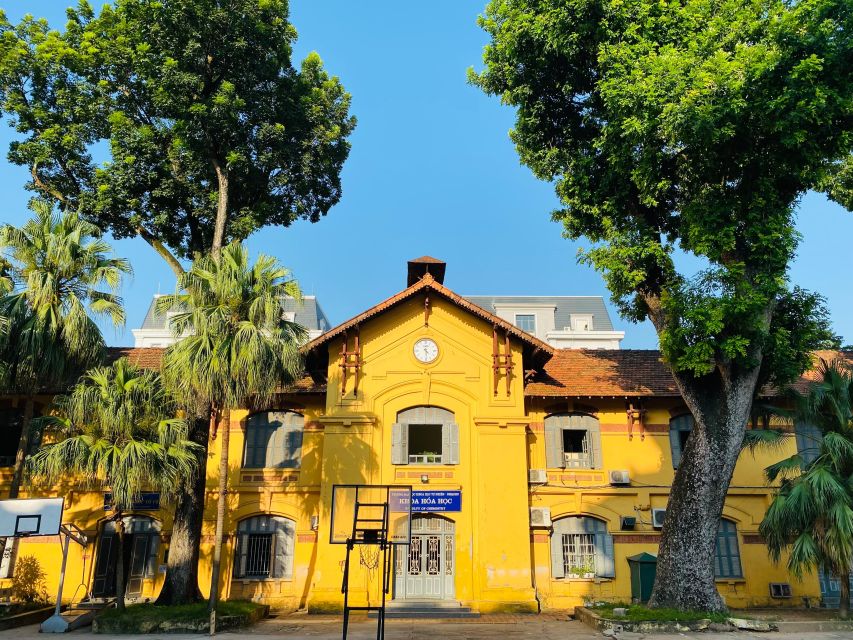
The Metropole is another key French-era landmark. The tour uses the hotel to discuss colonial privilege, architecture, and the way famous buildings acquire new meaning over time.
You’ll hear about the building’s place in Hanoi’s history and its connection to the city’s changing political and social life. The hotel is also a useful contrast with ordinary streets and local cafés. It shows the polished face of the colonial capital, while the wider walk lets you consider who benefited from that system and who did not.
The tour includes a guided explanation rather than a hotel stay or special access. Be respectful of the property and follow your guide’s directions about where to stand. The value here is the context, not a luxury-hotel experience.
Trang Tien Street and the sweet finish
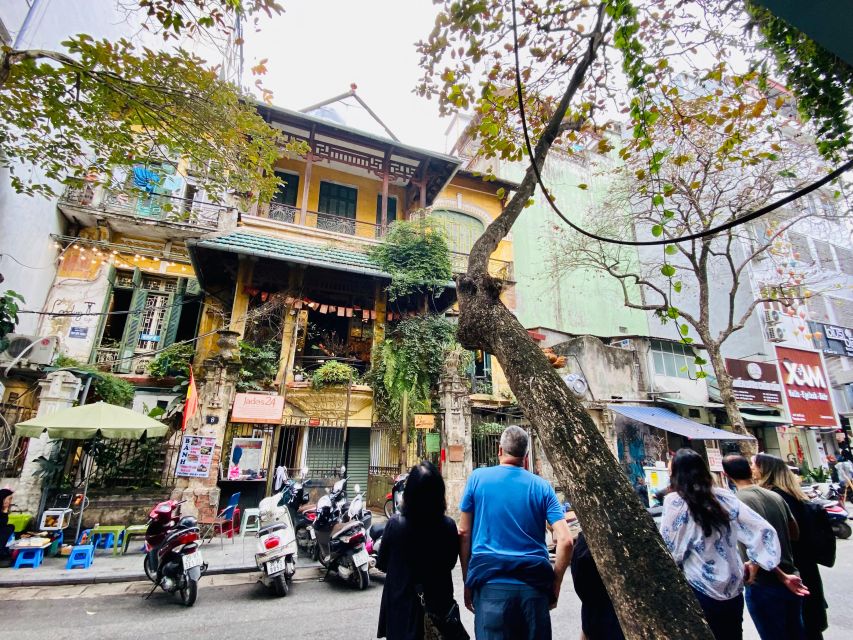
Trang Tien is both a street and a food stop. It helps tie together Hanoi’s French-influenced urban design, shopping traditions, and local tastes.
The included visit to the famous Trang Tien ice cream parlor is one of the tour’s most appealing details. You get a local sweet instead of a generic refreshment, and there is seating plus a restroom where you can take a short break. That makes the final stop practical as well as enjoyable.
The ice cream also gives the tour a lighter ending after discussions of colonialism and war. It is a small detail, but it reflects the way good city walks work: serious history, then a taste of ordinary local life.
The exact ice cream choice is not specified, so you should simply expect a Trang Tien treat rather than a particular flavor. If you have dietary needs, tell the guide before or during the stop. The guide has been praised for adapting parts of the walk to personal needs, but choices may depend on what is available.
The final stop and meeting-point detail
The listed route finishes at Hanoi University of Pharmacy after the Trang Tien section. Separately, the meeting information says the activity ends back at the original meeting point. Because those details do not perfectly match, confirm the final drop-off point when you meet your guide.
That small clarification matters if you are planning a tight connection, arranging a taxi, or meeting someone elsewhere. The walk remains central, but do not assume the final corner without asking.
What the history portion is really like
You should expect a guided conversation rather than a memorized speech. The most praised qualities are clear explanations, humor, enthusiasm, and openness to questions. Mina is repeatedly singled out for making complicated Vietnamese history easy to follow, while Dung is described as greeting groups warmly and bringing strong energy to the walk.
The guides use historical photographs to show events and people connected to the places around you. That is helpful because a building alone can be hard to interpret. A photograph can show how a street looked during a particular period or make an event feel connected to the site where it happened.
This approach suits you if you want a quick but meaningful introduction to Hanoi’s modern history. It is less suitable if you prefer silent sightseeing, a fixed script with no interruptions, or long visits inside museums.
The walk may also leave you wanting more. Several parts of Vietnam’s past are touched on in a few hours, so the tour cannot cover every event in detail. If the colonial period grabs your attention, you might want to continue the subject elsewhere in Hanoi, including at Hoa Lo Prison, which a guide has recommended as a useful follow-up.
Price, timing, and practical value
At $31 per person, the experience is priced above a basic free walking tour, but it includes a live English-speaking guide, Vietnamese coffee or tea, and Trang Tien ice cream. You are also paying for a route built around interpretation rather than just directions between landmarks.
The value is strongest if you are new to Hanoi or want a historical framework early in your stay. A good guide can help you notice architecture you would otherwise pass without understanding, and the food stops add local flavor without requiring you to organize separate café visits.
The 2.5-hour length is manageable for most people who are comfortable walking and standing outdoors. The route has several 15-minute stops, plus a 30-minute café visit, so it is not a nonstop march. Still, Hanoi’s heat, humidity, traffic, and sudden rain can make the walk feel harder than the clock suggests.
Wear breathable clothing, comfortable shoes, a hat, and sunscreen. The tour operates rain or shine, so check the forecast the day before and bring an umbrella or raincoat when needed. There is no reason to let a short downpour spoil the outing, but you should dress for it.
Free cancellation is available up to 24 hours before the activity, and you can reserve while paying later. Those terms are useful if your Hanoi plans are still shifting.
Who should book this experience
I would choose this tour for a first or second day in Hanoi, especially if you want to understand the city before exploring it on your own. It gives you landmarks, historical background, coffee, ice cream, and practical food suggestions in one outing.
It is also a strong fit for history fans who prefer discussion to a formal museum lecture. The guides welcome questions, and the best parts seem to come when you ask how French rule changed everyday life or how Hanoi developed after the war.
Families with older children and teenagers may enjoy the photographs, coffee stop, and ice cream more than a standard history tour. The route can also suit couples and small groups looking for an easy introduction to the French Quarter.
You may want to skip it if you need air-conditioned sightseeing, dislike city walking, or want extensive access inside every landmark. The tour is mainly outdoors, and the historical story is broad rather than a specialist study of one building.
Should you book the French Quarter walk?
Book it if you want Hanoi’s architecture to come with context. The coffee in an old French villa and the Trang Tien ice cream make the experience feel connected to local life, while Mina or Dung can help you understand the harder questions behind the grand facades.
Just confirm the ending point, prepare for weather, and arrive ready to ask questions. At $31, it is a fair buy for a relaxed, food-linked history walk that helps you see the French Quarter as part of Vietnam’s story, not as a detached European set in the middle of Hanoi.
FAQ
How long does the French Quarter walking tour last?
The experience lasts 2.5 hours. Starting times vary, so check availability when booking.
Where does the tour begin?
Meet the guide at 6 Au Trieu Street, next to St. Joseph’s Cathedral of Hanoi.
Which landmarks are included?
The route includes St. Joseph’s Cathedral, the French Quarter, Hanoi Opera House, Hoan Kiem Lake, Sofitel Legend Metropole Hanoi, Trang Tien Street, Hanoi Post Office, and other French Quarter sights.
Is coffee included?
Yes. You receive a cup of Vietnamese coffee or tea at a local café in an old French villa. Egg coffee and coconut coffee are mentioned as options experienced on the tour.
Is Trang Tien ice cream included?
Yes. The tour includes ice cream at the famous Trang Tien ice cream parlor. Seating and a restroom are available there.
What language is the tour conducted in?
The live tour is conducted in English. Guides named in the experience information include Mina and Dung.
Just listed in Hanoi
- Vietnamese Coffee 101 Workshop★ 5.0 · 11 reviews
- Taste of Vietnam’s Coffee Scene – A Guided Experience★ 5.0 · 2 reviews
- Private Hà Nội Coffee History Tour★ 5.0 · 6 reviews
- Private tour: Hanoi city tour-Van Phuc silk village with egg coffee, lunch★ 5.0 · 2 reviews
- hidden gems cafe – learn making coconut and egg coffee★ 5.0 · 2 reviews
- Hanoi Private And All Inclusive Coffee Lovers Tour in Vietnam★ 5.0 · 6 reviews
- 3 Dishes cooking + Egg Coffee bonus & Local Market Tour★ 5.0 · 14 reviews
- Hanoi Coffee Culture Tour: Sip, Taste & Hear Local Stories★ 5.0 · 13 reviews
Historical Tours, compared.

Kona Shore Excursion: Sea Turtles, Historic Kona & Coffee
Read our review →
Kona Tour: Bee Farm, Kona Coffee, and National Historical Parks
Read our review →
Trekking History and Indigenous Heritage in Minca + Cacao & Coffee + Waterfall
Read our review →
Make 6 Iconic Coffees in a Heritage Home with Locals
Read our review →
Colima Volcano Cultural Tour: Coffee Plantation, Hacienda and Comala Magic Town
Read our review →
Savannah History plus Coffee and Chocolate Walking Tour
Read our review →
Ho Chi Minh Best Walking Tour: Food, Coffee & History
Read our review →Lists this coffee tour turns up in