
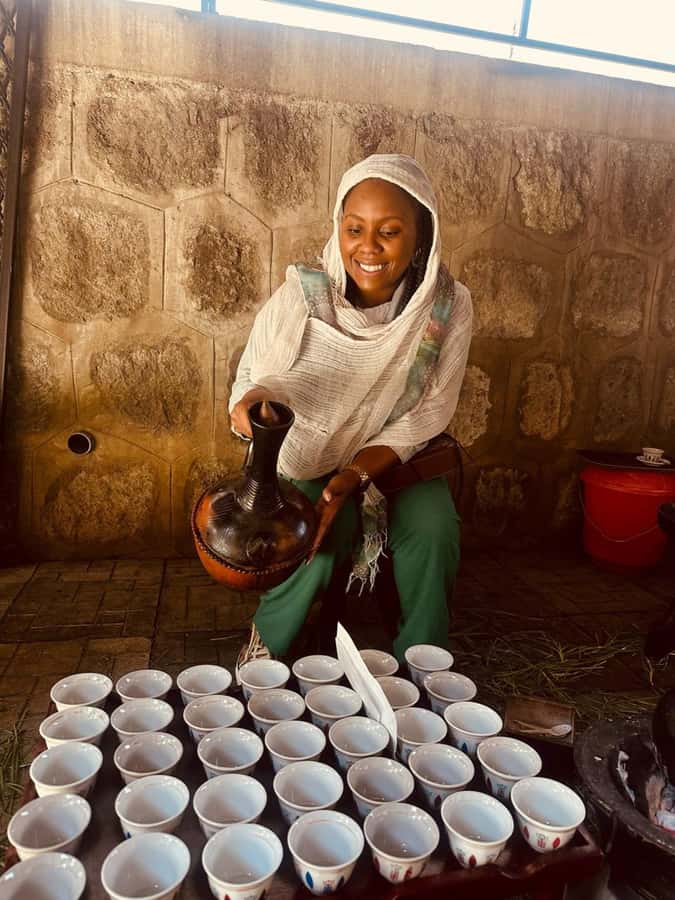
REVIEW · ETHIOPIA
Ethiopia coffee cupping class/Ethiopian food injera making
Ethiopian coffee and injera are not just food and drink here. They are daily customs, social rituals, and a fine way to understand the country without sitting through a long museum lecture. This private Addis Ababa experience lets you taste coffee with a local expert, then try making the sourdough flatbread yourself.
I like the hands-on format and the chance to use traditional tools, including a mitad and clay coffee pot. I also like the personal guiding: Joe, Mike, Aelaf, Ale, and Jonas are named as guides, and the experience can include useful talk about Addis life, religion, culture, and local food.
The main drawback is that the published cooking portion is only about 30 minutes, so this is an introduction rather than a full cooking course. Driving time can also take up much of the four-hour outing, especially if you visit Entoto or add sights such as Menelik Palace.
Key points at a glance
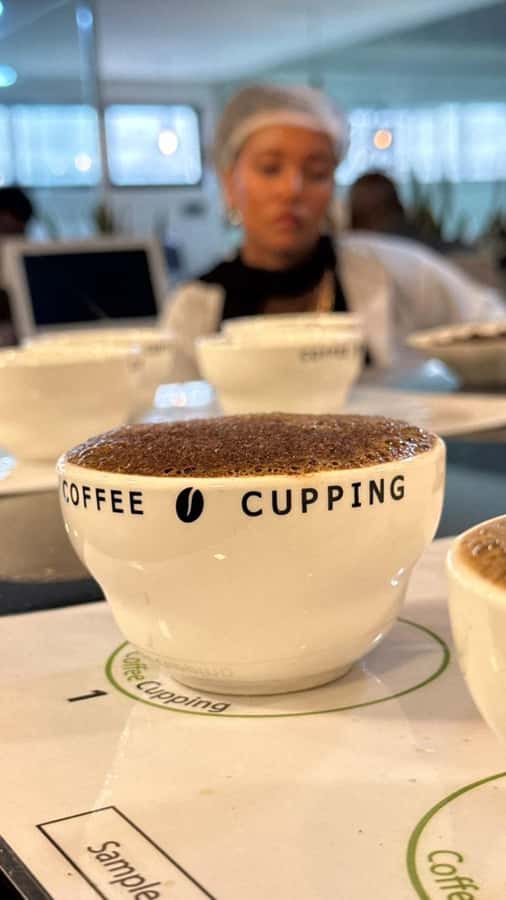
- Coffee cupping with local expertise: Compare Ethiopian coffee varieties, growing regions, roast levels, aromas, and tasting notes.
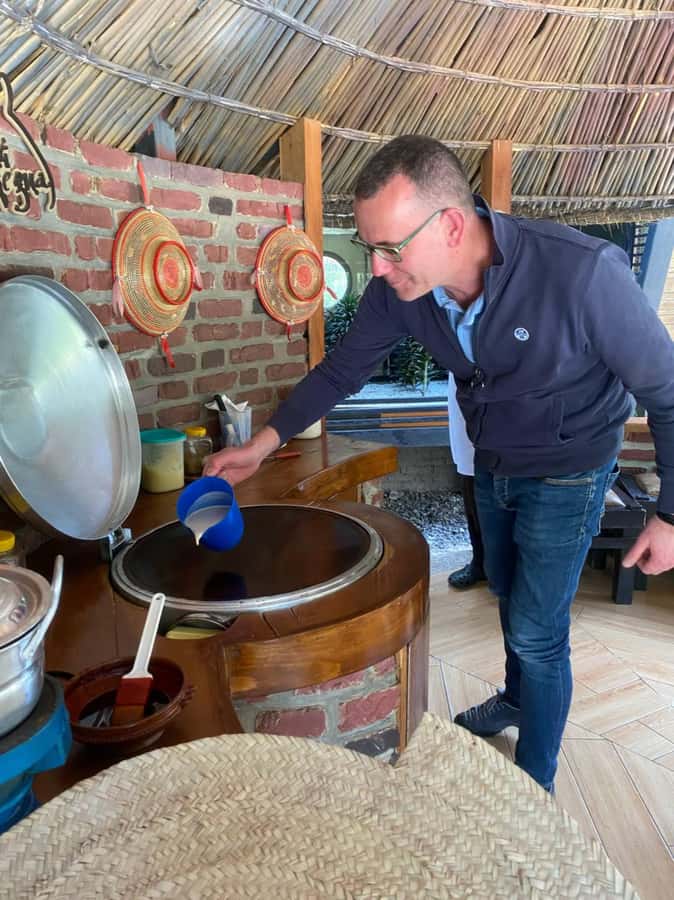
- Injera made on a mitad: Mix, ferment, and bake Ethiopia’s famous sourdough flatbread, with help flipping it on the hot griddle.
- A real communal meal: Eat your handmade injera with dishes such as shiro and misir wot.
- Private guiding in English: Pickup is included, and the guide contacts you the day before to arrange the meeting details.
- Useful Addis context: Guides such as Aelaf, Joe, Mike, and Jonas may explain city life, culture, religion, and local customs along the way.
- Best for older food and culture fans: The activity is not suitable for children under 15 or people with altitude sickness.
Coffee first, with Ethiopia in the cup
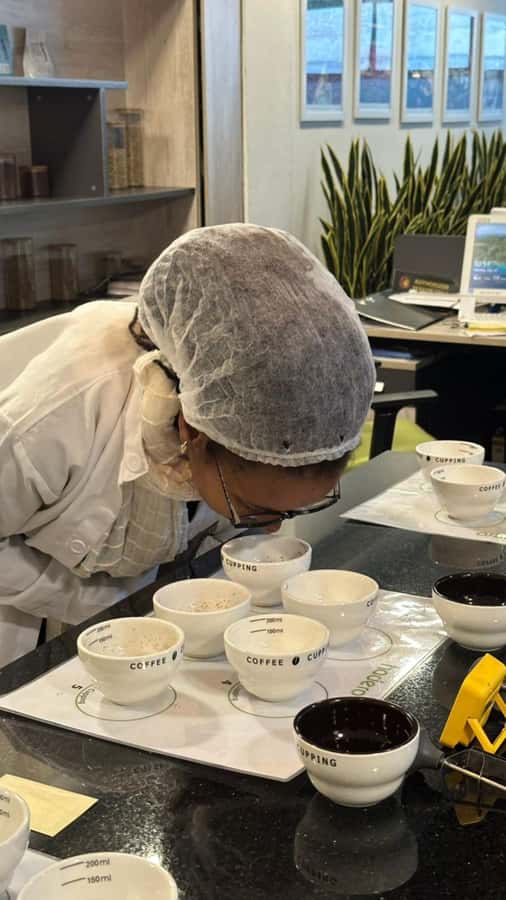
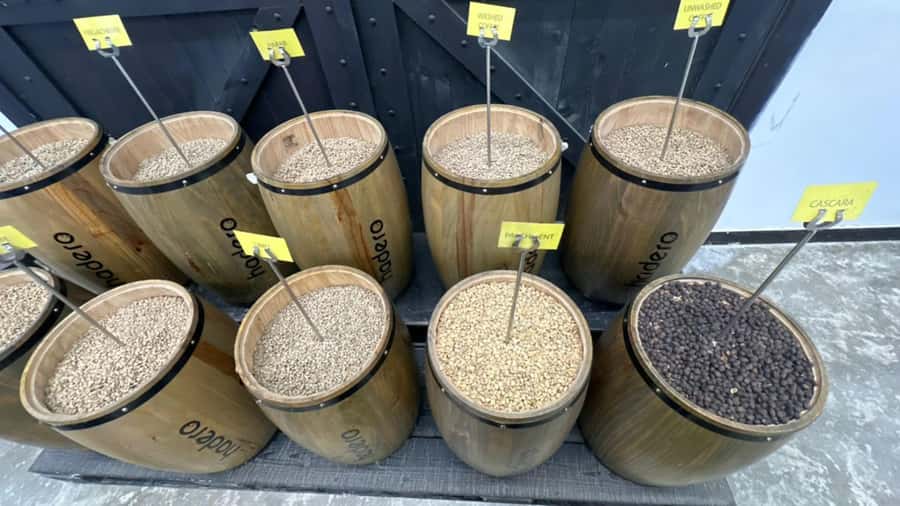
The experience begins in Addis Ababa with a guided coffee cupping session of about 45 minutes. This is more than a quick cup before cooking. You learn how coffee is assessed by aroma, flavor, roast, and brewing method, while comparing different varieties.
I like this part because it gives you a useful frame for the rest of your time in Ethiopia. Coffee is often treated as a national symbol from a distance, but here you get practical language for describing what you taste. You can pay attention to scent, acidity, body, and the small differences between beans from separate growing areas.
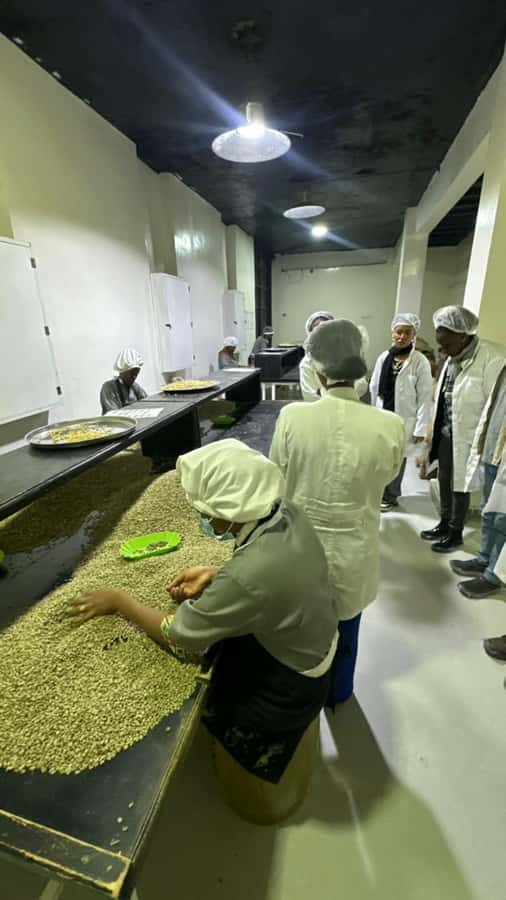
The session also covers the path from cultivation and processing to quality control. That wider view is valuable. It helps you understand that the cup is the final step in a much longer process, not simply a beverage poured into a small cup.
The coffee stop has taken place at Hadero for some bookings, where a manager led the tasting and explained the subject in detail. The exact setting can vary, so I would treat the coffee session as the reliable feature rather than expect one fixed venue every time.
You do not need to be a coffee professional. The appeal is learning how to notice differences without needing specialist equipment or prior experience. Coffee fans will get the most from the tasting, but anyone who enjoys local food customs should find it useful.
More Coffee Tastings in the world:
- Hanoi Coffee Experience: 6 Brews, 9 Recipes & 3 Liquor Tastings
★ 5.0 · 2,945 reviews - Medellin: Coffee Tour with Transport, Snacks and Tastings
★ 4.7 · 1,357 reviews - Seattle Coffee Tour: Capitol Hill Cafes, Tastings & Local Stories
★ 5.0 · 489 reviews
From fermented batter to fresh injera
After coffee, the focus shifts to injera, also written as enjera in the description. This soft, sour, slightly tangy flatbread is used as both plate and utensil in many Ethiopian meals. You tear off a piece, scoop up food, and share from the same spread.
The class introduces the key stages: mixing the batter, allowing it to ferment, and baking it on a traditional mitad. You also get instruction on flipping the bread properly. That last step sounds simple, but handling a large, delicate pancake over heat takes a bit of care.
The workshop takes place in a comfortable indoor or outdoor kitchen setting, with ingredients, spices, equipment, and traditional cooking tools supplied. You do not need to bring anything beyond normal clothing suitable for a cooking session.
I would keep your expectations sensible. The listed schedule gives about 30 minutes to the cooking class, and one detailed account describes the injera lesson as fairly quick. You will learn the basic method and take part in the process, but you probably will not master fermentation or develop the instincts of an Ethiopian home cook in one short session.
That short format can still work well for a first visit. You handle the batter, see the mitad in use, and learn how the bread fits into the meal. If you want a long technical class with repeated attempts, this is not the right choice. If you want a cultural introduction with food to eat at the end, it makes good sense.
Shiro, misir wot, and the meal that follows
Once the injera is ready, you eat it with local side dishes, including shiro and misir wot. The supplied description promises a variety of Ethiopian dishes, but does not give a complete fixed menu, so the exact selection may change.
Shiro usually provides a smooth, savory chickpea-based sauce, while misir wot is a lentil dish seasoned in the Ethiopian style. Together, they show how injera works with saucy foods. The bread absorbs flavor, and its mild sourness helps balance the spices.
This meal is one of the strongest reasons to choose the activity instead of a coffee tasting alone. You do not just watch someone cook. You sit down with the result and learn how the bread is meant to be eaten.
The communal style also matters. Ethiopian food is often social, and eating from a shared platter gives you a better sense of the custom than receiving a separate Western-style plate. If you have never eaten with injera before, your guide can help you understand the technique.
Food restrictions are not listed in the supplied details, so contact the provider before booking if you have allergies or need a specific diet. The experience includes the listed meal, local dishes, ingredients, spices, bottled water, and cooking equipment. Extra food, drinks, souvenirs, and personal purchases are not included.
The coffee ceremony is the proper finish
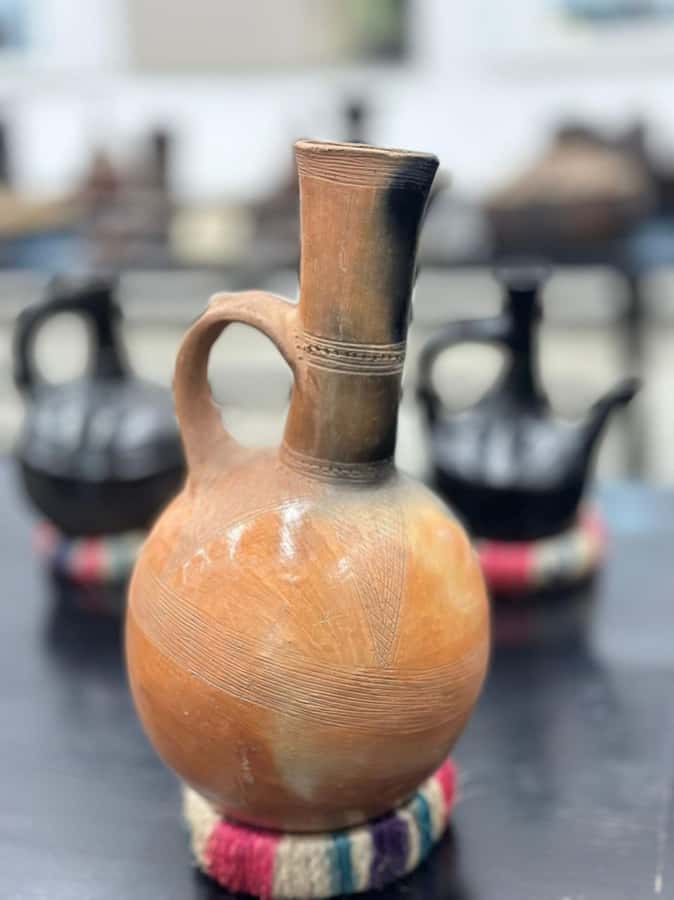
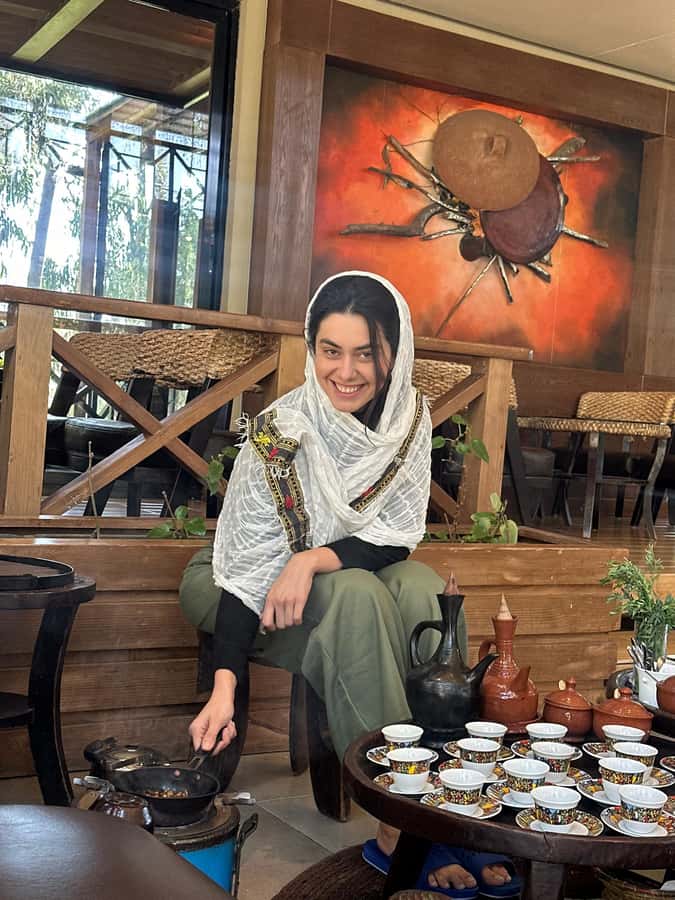
The final coffee ceremony gives the activity a more relaxed ending. Ethiopian coffee is prepared and served as a social ritual, not treated as a rushed takeaway drink. You have time to sit, taste, and talk after the cooking work is done.
This is where the activity moves beyond a standard cooking demonstration. The ceremony connects the coffee tasting at the start with the food and conversation at the end. You see coffee in two ways: first as something to assess by flavor, then as something shared with other people.
The description does not specify every step of the ceremony or how many servings are offered, so I would not book this expecting a formal performance with a fixed script. Expect an authentic coffee-centered closing moment hosted by the local cultural team.
More Eating and Drinking in the world:
- Vienna for Food Lovers: Cafés, Markets & Austrian Cuisine
★ 5.0 · 1,063 reviews - Buggy Ride Into the jungle with cave coffee & chocolate tasting
★ 5.0 · 465 reviews - Hanoi: Vietnamese Street Food Tour with Egg Coffee
★ 4.9 · 315 reviews - Da Nang Cooking Class with Coffee Tasting and Market Visit
★ 5.0 · 310 reviews
Your guide can shape the wider day
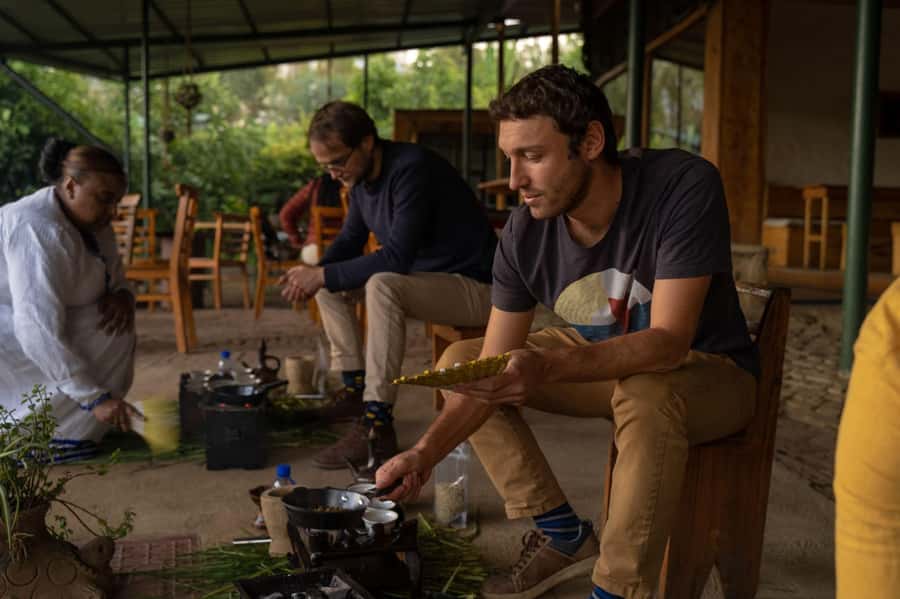
Pickup is included in Addis Ababa, and the guide reaches out the day before to organize the details. That advance contact is useful in a city where meeting points and traffic can affect the timing.
The experience is sold as a private group, which gives you more room to ask questions and adjust the pace than a large group outing. The guide speaks English. Several names appear in the guiding team: Joe, Mike, Jonas, and Aelaf, also called Ale in one account.
The strongest guiding qualities are practical ones. Jonas was praised for being punctual, easy to talk with, respectful, and clear in English. Aelaf was described as attentive, careful on the road, and willing to adjust the plan. Joe helped explain coffee and injera, while Mike was praised for his storytelling and care.
The guide may add local sightseeing if time and your interests allow. One outing included Entoto National Park and views of Addis Ababa. Another included Menelik Palace and its church museum, while a different day added a honey shop. These additions are not guaranteed parts of the core experience, so ask before booking if you want a particular stop.
This flexibility is a real benefit, but it also means the four-hour length can be used in different ways. A coffee session, cooking class, meal, ceremony, and city driving already fill the time. Extra sights may make the day feel fuller, but they could also leave less time for the food activity.
How the four hours are likely to feel
The advertised duration is four hours, with pickup and return in Addis Ababa. The published schedule lists roughly 45 minutes for coffee and 30 minutes for cooking, but the full experience also includes transport, explanations, baking, eating, and the ceremony.
I would allow the entire half-day rather than plan a tight connection immediately afterward. Addis traffic and the drive toward Entoto can affect the rhythm, and one detailed account described a long drive uphill before the injera class.
The day usually has this shape:
- Pickup in Addis Ababa and travel to the coffee venue
- Coffee tasting and an explanation of cultivation, processing, roasting, and quality
- Travel to the cooking setting, which may be in the Entoto area
- A short, practical injera-making lesson
- A traditional meal with your handmade bread and local sides
- Ethiopian coffee ceremony
- Return to Addis Ababa, with possible added sightseeing if arranged
You get bottled water, but I would wear comfortable clothes that can handle a kitchen setting and bring patience for road time. The experience is indoors or outdoors depending on the venue, so the setting may not feel identical from one booking to the next.
Is $94 a fair price?
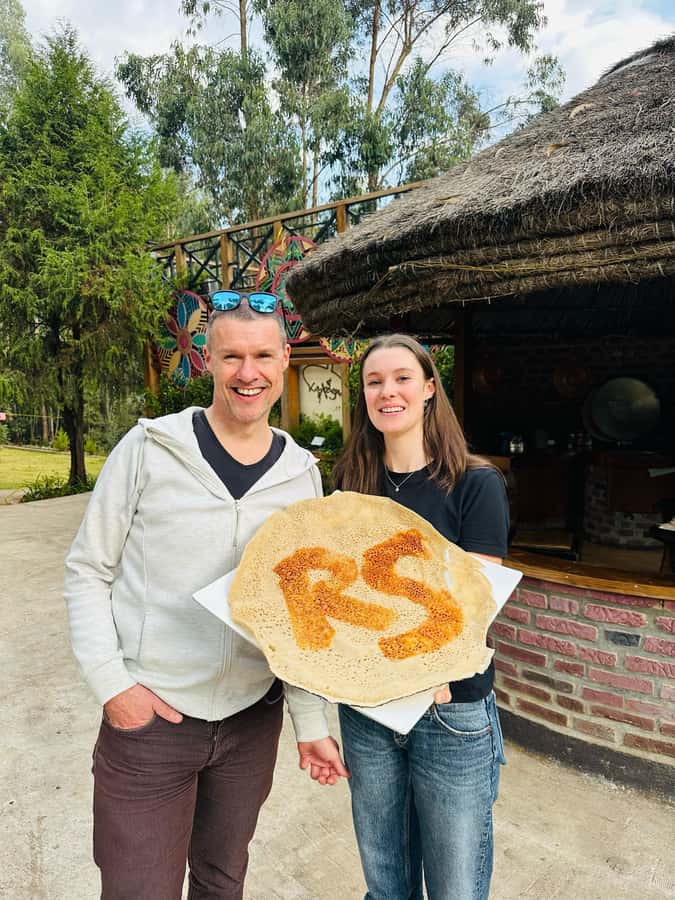
At $94 per person, this is not the cheapest way to drink coffee or eat lunch in Addis Ababa. You are paying for a private four-hour outing, pickup, an English-speaking guide, transport during the activity, two food-based sessions, ingredients, equipment, lunch, and a coffee ceremony.
The value improves if you want context as well as a meal. A café visit gives you coffee. A restaurant gives you injera. This experience connects both with local instruction and a guide who can explain what you are seeing along the way.
It is also better value for people who appreciate private arrangements. You can ask questions, request some flexibility, and potentially add a cultural stop if the schedule allows. The guides have also helped shape the outing around personal interests, including city sights and local shops.
The price is harder to justify if you mainly want a long cooking lesson. With only about 30 minutes listed for the class, you should think of it as a food and culture outing with a short workshop, not a professional culinary course.
The current score is 5 out of 5 from 10 ratings. That is a small sample, but the pattern of praise is clear: punctual pickup, considerate guides, good English, personal attention, safe driving, and strong explanations about coffee and Ethiopian life.
Who should book this experience
I would choose this for a first visit to Addis Ababa, especially if you want an easy introduction to two major parts of Ethiopian daily life. It suits coffee drinkers, curious eaters, solo visitors, couples, and private groups that prefer conversation over a crowded class.
It is also a good fit if you want more than a meal but less than a full day of museums. The guide can provide cultural background while driving, and the food activities give you something practical to do with your hands.
You should think twice if you dislike shared meals, fermented flavors, spicy sauces, or cooking in a social setting. The experience also is not suitable for children under 15 or people with altitude sickness. Entoto is at elevation, and the provided information specifically excludes people affected by altitude sickness.
This is not an alcohol-focused outing, and alcohol and drugs are not allowed. Personal purchases and activities beyond the stated program cost extra.
Free cancellation is available up to 24 hours before the experience for a full refund, and you can reserve now and pay later. Starting times depend on availability, so confirm the pickup time before arranging other plans.
My call: book it for culture, not just lunch
I would book this if you want to understand why coffee and injera matter in Ethiopia, not simply consume them. The coffee cupping gives the day structure, the mitad lesson gives you a hands-on moment, and the meal and ceremony bring the customs together.
The best reason to choose it is the personal guiding. A guide such as Joe, Mike, Aelaf, Ale, or Jonas can turn a short food outing into a wider look at Addis Ababa. The main caution is to expect a compact cooking lesson and variable travel time.
Book it for a private half-day introduction to Ethiopian food, coffee, and everyday culture. Skip it only if your priority is a long technical baking course or a fixed sightseeing schedule with no room for traffic and local adjustments.
FAQ
Where does this Ethiopian coffee and injera experience take place?
The experience is based in Addis Ababa, Ethiopia. Pickup and return are included in Addis Ababa, and the injera portion may take place in the Entoto area.
How long does the experience last?
The activity lasts four hours. The listed schedule includes about 45 minutes for coffee and 30 minutes for the cooking class, with the remaining time used for transport, explanations, the meal, ceremony, and return.
Is pickup included?
Yes. Pickup in Addis Ababa is included, and the provider contacts you the day before to organize the details.
Is the experience private?
Yes. It is offered as a private group experience.
What language does the guide speak?
The live guide speaks English.
What food and drink are included?
You receive a traditional Ethiopian meal with your handmade injera and local dishes such as shiro and misir wot. The experience also includes an Ethiopian coffee ceremony and bottled water.
Are cooking equipment and ingredients supplied?
Yes. The price includes cooking and tasting equipment, ingredients, spices, and use of traditional tools such as a mitad and clay coffee pot.
Who should not book this activity?
The activity is not suitable for children under 15 or people with altitude sickness. Alcohol and drugs are not allowed.
More Food Tours in the world
- Hungry in Vienna? A Food Lover’s Coffee & Market Walk
★ 4.9 · 276 reviews - Private Walking Tour, Food Tasting and Bosnian Coffee in Sarajevo
★ 5.0 · 255 reviews - Rome Pantheon: Award Winning Gelato Tiramisu & Espresso Food Tour
★ 5.0 · 99 reviews - Vienna Eats: Private Foodie Walk with Coffee & Markets
★ 5.0 · 77 reviews
Just listed in the world
- Bali: Ubud Monkey Forest, Coffee Plantation, and Market Tour★ 5.0 · 5 reviews
- Chill coffee or meal break at illy Caffè in St.Mark’s Square★ 4.7 · 9 reviews
- Private Ubud Tour: Sacred Monkeys, Coffee, Temple, Waterfall★ 4.8 · 3 reviews
- Venice: Sunrise Walking Tour with Espresso★ 4.6 · 12 reviews
- Bali ,Tegallalang, Tirta Empul, Coffee, Lunch & Batur Hot Spring★ 4.0 · 2 reviews
- Mount Batur Sunrise Trekking (Private, Breakfast and Visiting coffee plantation)★ 5.0 · 27 reviews
- Venice Delights: Coffee & Food Experience Walking Tour★ 5.0 · 2 reviews
- Barista Skills Foundation Course in Ljubljana★ 5.0 · 4 reviews
Coffee Tastings, compared.
Hanoi Coffee Experience: 6 Brews, 9 Recipes & 3 Liquor Tastings
Read our review →
Coffee Tour with Transport, Snacks and Tastings
Read our review →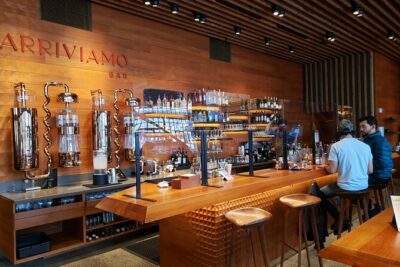
Seattle Coffee Tour: Capitol Hill Cafes, Tastings & Local Stories
Read our review →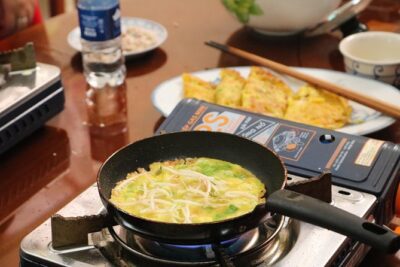
Da Nang Cooking Class with Coffee Tasting and Market Visit
Read our review →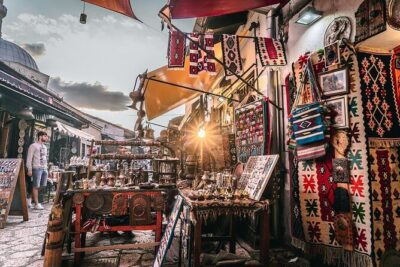
Private Walking Tour, Food Tasting and Bosnian Coffee in Sarajevo
Read our review →
Poás Volcano and Coffee Tour with Tasting and La Paz Falls
Read our review →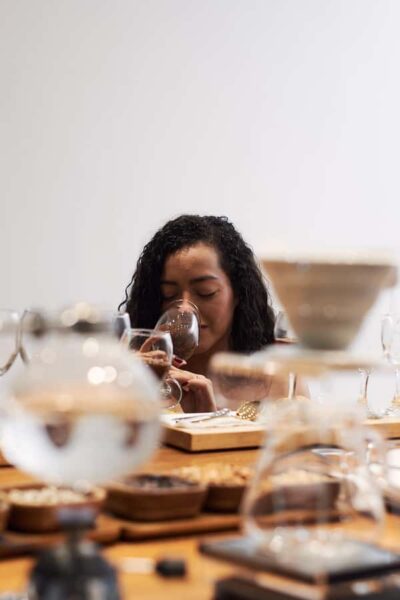
Coffee Farm Tour with Roasting & Tasting Workshop – Da Lat
Read our review →Lists this coffee tour turns up in