REVIEW · NORTHERN GERMANY
Espresso Kurs im Johann Jacobs Haus in Bremen
The best part of this Bremen course is the hands-on work. You do not just hear how espresso should taste or watch someone steam milk. You adjust the grinder, operate the machine, and practice pouring a heart with smooth foam. I like the clear focus on home barista skills and the chance to learn how the bean and roast affect the cup. I also like the small limit of eight people, which gives the practical sessions room to breathe.
The main consideration is language: the instructor teaches in German. At $152 per person, this is not a casual coffee tasting. It makes the most sense if you want real practice with an espresso machine and intend to use the skills at home.
Key points at a glance
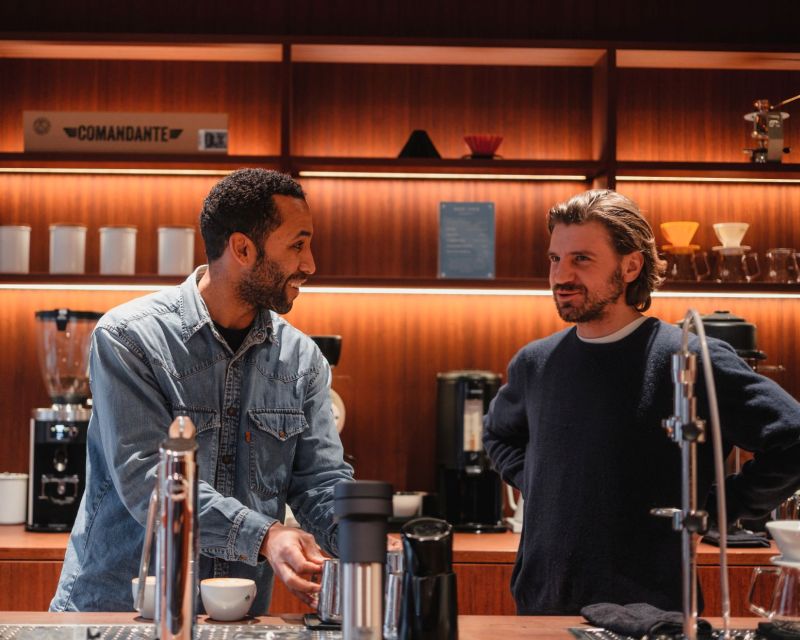
- Three and a half hours of practical work: The 210-minute session gives you time to move from coffee basics to machine work and milk foam.
- Grinder adjustment is part of the lesson: You learn why dialing in the grinder matters instead of treating it as a fixed setting.
- Milk foam has a clear goal: The course works toward fine, velvety foam that can form a heart on a cappuccino.
- Small group, maximum eight people: This format suits a lesson where each person needs time with the equipment.
- Coffee and milk alternatives are included: You can work with espresso, milk, and non-dairy options during the session.
- A take-home reference is provided: The handout helps you remember the key steps after you leave, and you can receive a participation certificate.
Why this Bremen coffee course is more useful than a tasting
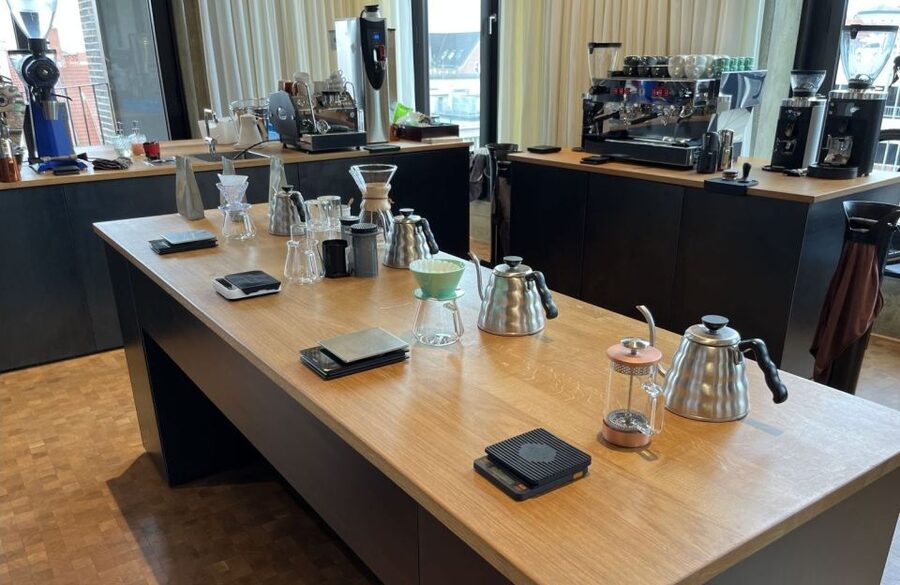
A coffee tasting can sharpen your palate, but it may not help you make a better espresso tomorrow morning. This course takes a more practical route. You learn how to prepare espresso on a machine, then connect the result to the bean, the roast, the grinder, and the milk.
That order matters. Espresso is not only about pressing a button. Grinder adjustment affects the way water passes through the coffee, and the machine needs to be used with care. The course gives you a working foundation rather than a few pleasant sips.
I especially like that the class includes the full chain from bean to cup. You cover the origin of the bean and the roast before moving to the equipment. That context helps you understand why two coffees can need different treatment, even when you use the same machine.
The lesson is aimed at quality coffee at home. You do not need to be training for a café job to get value from it. If your home espresso is sour, weak, bitter, or inconsistent, the grinder and machine sections should be the most useful parts.
More Coffee Tours in the world:
- Hanoi Coffee Experience: 6 Brews, 9 Recipes & 3 Liquor Tastings
★ 5.0 · 2,945 reviews - Medellin: Coffee Tour with Transport, Snacks and Tastings
★ 4.7 · 1,357 reviews - Istanbul: Turkish Coffee Making and Fortune Telling Workshop
★ 4.9 · 1,308 reviews
Starting at the Johann Jacobs Haus Heritage Store
Your meeting point is the counter at the Johann Jacobs Haus Heritage Store. Check in there before the session begins. The activity takes place in Bremen, in northern Germany, and the venue gives the class a natural connection to the Johann Jacobs coffee name.
The course lasts 210 minutes, or three and a half hours. That is a serious block of time for a coffee lesson, but it is also long enough to practice instead of rushing through a demonstration. You should plan your day around the full session rather than treating it as a quick stop between other sights.
The group is limited to eight participants. That number is worth noting because espresso training works best when you can get near the machine and try the steps yourself. A much larger class could turn into a lecture with a short demonstration. Here, the stated format points toward more direct practice.
The instructor teaches in German. If you are comfortable learning in German, the format is straightforward. If you are not, confirm your language needs before booking, since German is the listed language for the course.
From bean and roast to the first espresso
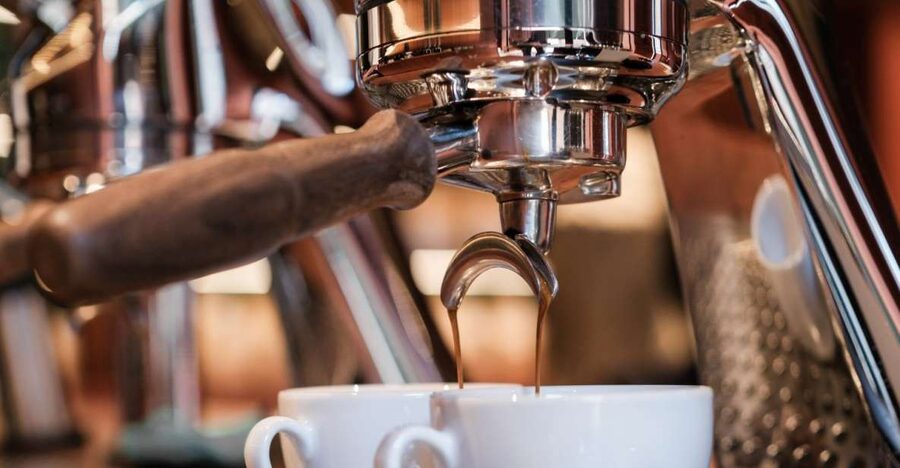
The first part sets up the practical work by looking at the coffee bean and its origin. You also learn about roasting. These details are not filler. They give you a way to think about the coffee before you adjust a machine.
I find this especially useful for home brewers who change beans often. A new coffee may respond differently from the one you used last week. Understanding the bean and roast can help you see that a grinder setting is not universal.
The course then turns to the espresso machine. You learn how to operate it and what matters when preparing espresso. The point is not simply to produce a drink once. You are building a repeatable process that you can use at home.
The supplied water, espresso, milk, and milk alternatives support the practical session. You do not need to bring those basic materials yourself. No extra equipment list is provided, so it is sensible to check the current booking details if you have a particular setup or dietary need.
Grinder adjustment is the skill that changes everything
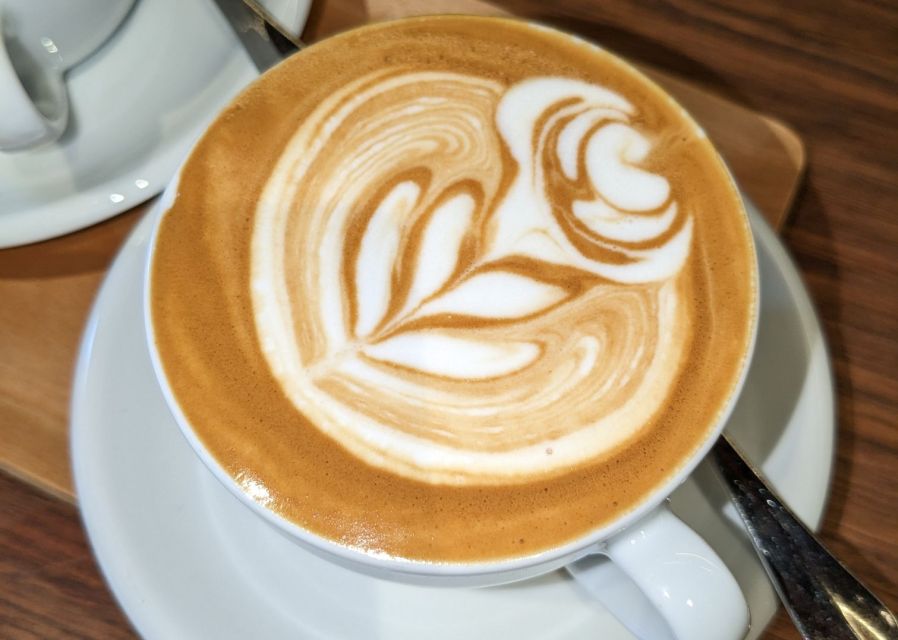
For many home coffee drinkers, the grinder is the least understood part of the setup. This course gives it specific attention. You learn what matters when adjusting the grinder, which is a central step in preparing a balanced espresso.
That focus adds real value. A machine can be expensive, but poor grinder settings can still produce a disappointing cup. Learning to adjust the grind gives you more control over the final result and helps you respond when coffee changes over time.
I would pay close attention here and take notes in the handout. The supplied reference is useful because grinder adjustment is the sort of detail that can fade after a single class. The course does not promise to solve every possible home setup, but it gives you a practical starting point.
The small group should help during this part of the class. With up to eight people, you have a better chance of seeing the controls clearly and trying the process yourself. The value comes from doing, not just watching.
Still in the world, but a different cup:
- Hanoi Coffee Workshop: Taste Salt, Coconut and Egg Coffee
★ 5.0 · 1,286 reviews - Vienna for Food Lovers: Cafés, Markets & Austrian Cuisine
★ 5.0 · 1,063 reviews - Big Island Highlights: Coffee, Volcano, Black Sands & Waterfall
★ 5.0 · 1,054 reviews - Hanoi: Salt Coffee Workshop Awake Your Senses With 6 Brews
★ 5.0 · 792 reviews
The milk foam session and the heart in your cup
The final skill has a clear visual target: fine, velvety milk foam that you can pour into a heart on a cappuccino. This is where the class adds a little fun to the technical work.
Latte art can look like decoration, but the foam itself is the important part. Smooth, fine foam changes the texture of the drink and gives you a better base for pouring. The heart is a simple test of control, timing, and texture.
You work with milk and milk alternatives, so the class is not limited to one dairy option. That is useful if you make plant-based drinks at home or want to compare how different liquids behave. The supplied details do not identify the specific alternatives, so you should not expect a particular brand or type without checking ahead.
I like that the course links the foam lesson to a drink you can make at home. You leave with a clear goal: prepare espresso, create silky foam, and finish a cappuccino with a heart. It is more satisfying than a vague promise to teach milk techniques.
What you take home after 210 minutes
The strongest part of the course is its practical share. The class covers coffee background, grinder adjustment, machine operation, espresso preparation, and milk foam. You are not only collecting facts. You are practicing the sequence that turns those facts into a drink.
A handout provides the main information for later reference. That matters because you may remember the broad lesson but forget the finer points of grinder settings or foam texture. Keep it with your coffee equipment when you return home.
You can also receive a participation certificate from the Johann Jacobs Haus at the end. It is not a professional qualification, but it makes a nice record of the class. If you are taking the course as a gift or marking a personal interest in coffee, the certificate adds a small finishing touch.
The course includes water, espresso, milk, and milk alternatives. Those inclusions keep the session focused on learning rather than on buying supplies. They also let you practice the drink styles covered in the lesson.
Is $152 a fair price?
At $152 per person, this is a premium short course. The price is easier to justify if you value hands-on time, want to improve your home espresso, and prefer a small class over a large public demonstration.
You are paying for 210 minutes, a German-speaking trainer, practical access to the espresso setup, the course handout, and the chance to receive a participation certificate. Coffee, milk, milk alternatives, and water are included. The group limit of eight is also important, since individual practice is central to the lesson.
The value is weaker if you only want to taste coffee or hear a general introduction. You could find a shorter and less costly coffee activity for that. This course earns its price through repetition and technique, especially the grinder and milk foam work.
I would also consider the cost of learning through trial and error at home. Wasted beans, poor shots, and repeated frustration can add up. A focused lesson may save time, though the course cannot replace regular practice on your own equipment.
Who should book this espresso lesson?
This course fits you best if you already own, or plan to buy, an espresso machine and want to use it with more confidence. It also suits coffee fans who care about the difference between an ordinary cappuccino and one with properly textured foam.
It is a good choice for someone who learns by doing. The practical emphasis lets you test the grinder, machine, and milk technique rather than relying on theory. A small group of eight also feels right for a skill-based class.
The course may be less suitable if you need instruction in English or another language. German is the listed language, and no alternate language is offered in the supplied details. It may also be too technical if your only goal is a relaxed coffee stop.
The course can work well as a gift for a coffee enthusiast, particularly because of the handout and optional certificate. Just make sure the recipient can follow a German-language lesson and has an interest in preparing espresso at home.
Booking details that matter
You meet at the counter in the Johann Jacobs Haus Heritage Store. The class lasts 210 minutes, and starting times depend on availability, so check the date and time before you commit other plans.
The activity offers free cancellation up to 24 hours in advance for a full refund. You can also reserve now and pay later, which helps if your Bremen plans are not fully settled.
The instructor language is German, and the maximum group size is eight. Water, espresso, milk, and milk alternatives are included. The course provider is Johann Jacobs Haus GmbH.
My verdict on this Bremen espresso course
I like this course because it teaches useful skills in the right order. You start with the bean and roast, move to grinder adjustment and machine operation, then work on the milk foam needed for a cappuccino heart. The practical focus is its best feature.
Book it if you want to make better espresso at home and can learn in German. The $152 price is reasonable for three and a half hours of small-group practice, but it is too high for anyone seeking only a tasting or a quick introduction.
The clearest reason to choose it is simple: you get to try the work yourself. You leave with a handout, the option of a participation certificate, and a better shot at producing café-style espresso and foam in your own kitchen.
FAQ
Where does the espresso course meet?
Meet at the counter in the Johann Jacobs Haus Heritage Store in Bremen.
How long does the course last?
The course lasts 210 minutes, which is three and a half hours.
What language is the course taught in?
The instructor teaches in German.
How many people can join the class?
The course is limited to eight participants.
What is included in the course?
Water, espresso, milk, and milk alternatives are included. A handout with key course information is also provided.
How much does the course cost?
The listed price is $152 per person.
Can I cancel or pay later?
You can cancel up to 24 hours before the course for a full refund. You can also reserve your place and pay later.
Just listed in the world
- Bali: Ubud Monkey Forest, Coffee Plantation, and Market Tour★ 5.0 · 5 reviews
- Chill coffee or meal break at illy Caffè in St.Mark’s Square★ 4.7 · 9 reviews
- Private Ubud Tour: Sacred Monkeys, Coffee, Temple, Waterfall★ 4.8 · 3 reviews
- Venice: Sunrise Walking Tour with Espresso★ 4.6 · 12 reviews
- Bali ,Tegallalang, Tirta Empul, Coffee, Lunch & Batur Hot Spring★ 4.0 · 2 reviews
- Mount Batur Sunrise Trekking (Private, Breakfast and Visiting coffee plantation)★ 5.0 · 27 reviews
- Venice Delights: Coffee & Food Experience Walking Tour★ 5.0 · 2 reviews
- Coffee & Waterfalls Tour: from the mountains to the cup★ 5.0 · 5 reviews
Coffee Tours, compared.
Hanoi Coffee Experience: 6 Brews, 9 Recipes & 3 Liquor Tastings
Read our review →
Coffee Tour with Transport, Snacks and Tastings
Read our review →
Turkish Coffee Making and Fortune Telling Workshop
Read our review →
Hanoi Coffee Workshop: Taste Salt, Coconut and Egg Coffee
Read our review →
Vienna for Food Lovers: Cafés, Markets & Austrian Cuisine
Read our review →
Salt Coffee Workshop Awake Your Senses With 6 Brews
Read our review →