
REVIEW · CENTRAL KENYA
Day Tour to Fairview Coffee Estate From Nairobi
Fairview Coffee Estate gives you a close look at how Kenya’s celebrated coffee moves from plant to cup. The estate’s coffee fields, highland views, guided tasting, and garden refreshments make this a calm change from Nairobi’s busy streets.
I like the way the tour combines practical farming lessons with a real tasting session, and I like the small-group size of up to 15 people. Guides such as Elvis, James, Faith, and Calvin have been singled out for their patience and care. The main catch is cost: the $50 tour price does not include the $30 estate admission, lunch, or drinks.
Key points to know
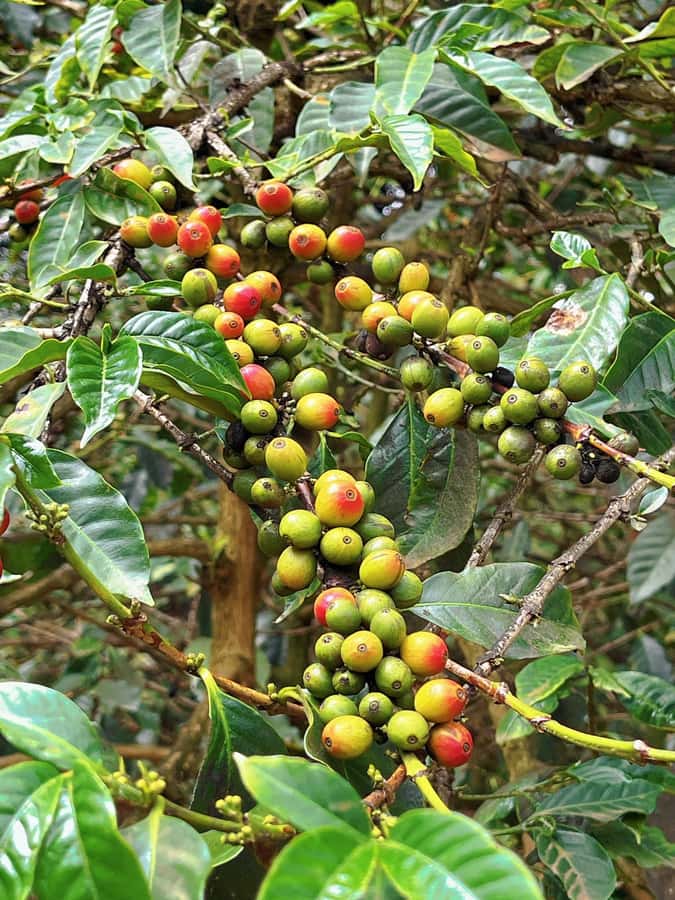
- You learn the full coffee process: See how beans are cultivated, harvested, processed, and prepared for the cup.
- The tasting is a proper part of the visit: You sample Kenyan Arabica and learn about aroma, acidity, and body.
- The estate sits in quiet highland country: Expect green fields, rolling views, birds, and a slower pace than Nairobi.
- The true starting cost is higher than $50: Add $30 for admission, plus any food, drinks, or coffee you buy.
- The guide can make a big difference: Elvis, James, Faith, and Calvin are among the named staff praised for clear explanations and friendly service.
- The timing needs a careful check: The tour is advertised as four hours, while the route description allows about one hour each way plus three hours at the estate.
Why Fairview Coffee Estate is worth the trip from Nairobi
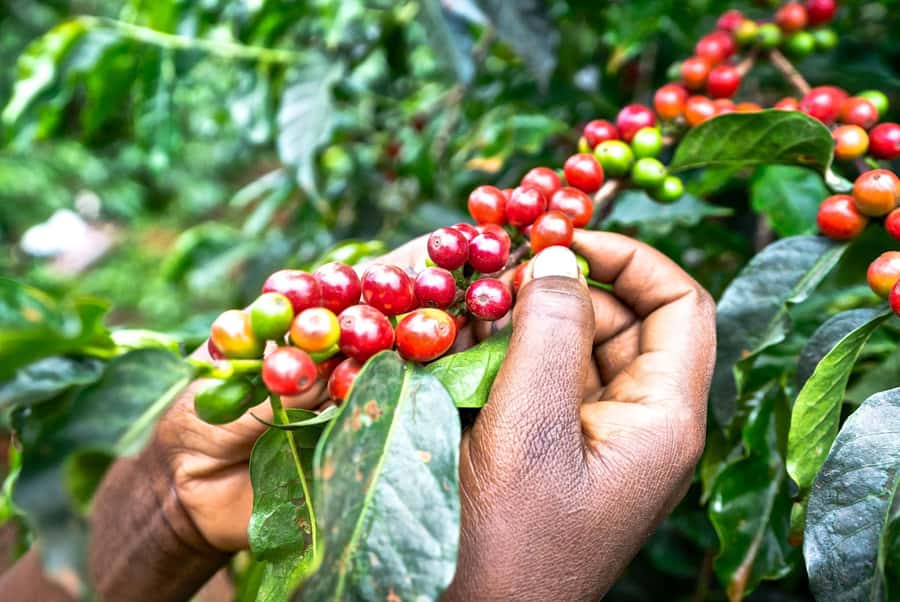
Coffee is one of Kenya’s best-known farm products, yet it can be hard to understand the work behind a packet of beans bought in a shop. At Fairview, you get beyond the finished product and see the setting where coffee is grown, cared for, picked, and prepared.
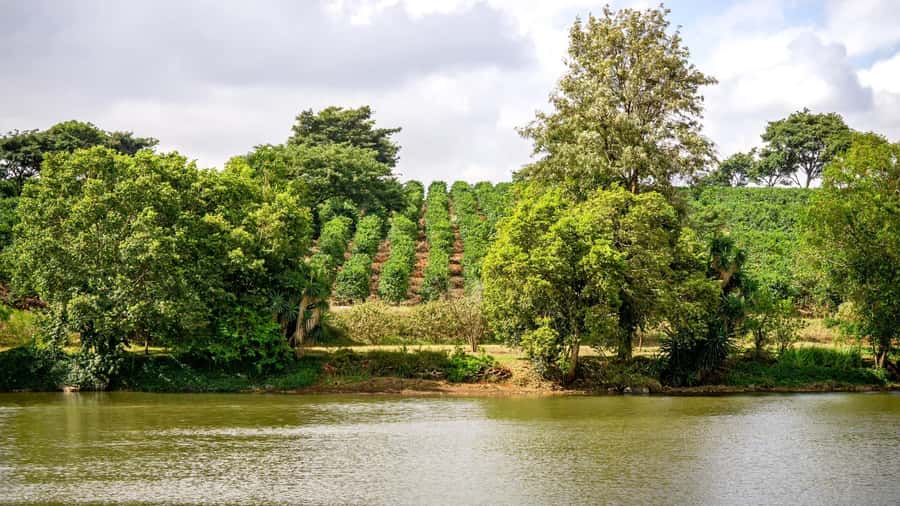
The estate is in Kiambu, in the highlands near Nairobi. That setting matters. You are not visiting a display built only for tourists. You are walking through working coffee grounds, learning how the plants fit into local farming and the country’s economy.
I especially like that the visit is not limited to a plantation walk. The tasting gives the tour a clear purpose. After seeing the plants and processing stages, you can connect those lessons with what is in your cup.
The outing also works well for a first visit to Kenya. You do not need to be a coffee expert. The guide explains the basic terms and shows you how coffee changes from a crop into a finished drink.
More Coffee Farm Tours in the world:
- Award Winning Farm Tour: Coffee, Chocolate and Unique Gifts
★ 5.0 · 484 reviews - La Herradura Coffee Farm: tour in Europe’s only plantation
★ 4.8 · 430 reviews - Big Island: Volcanoes, Waterfalls, & Coffee Farm Day-Trip
★ 4.9 · 414 reviews
From Nairobi streets to Kiambu’s highlands
Pickup and drop-off are provided within Nairobi County, using a well-maintained vehicle. The listed route allows roughly one hour by van to Fairview and one hour back, though actual road time can vary.
That drive is part of the experience, not just a transfer. You leave the city and head toward quieter highland surroundings, with scenic views along the way. The contrast is useful: Nairobi gives you the urban side of Kenya, while Kiambu lets you see a more rural setting without committing to a full safari or a long countryside trip.
The small group limit of 15 people should make the ride and estate visit more personal than a large coach excursion. It also gives you a better chance to ask questions during the walking portion and tasting.
One practical point deserves attention. The activity is described as lasting four hours, but the route details list one hour to the estate, three hours there, and one hour back. That adds up to about five hours. I would confirm the exact pickup and return time before booking, especially if you have an evening flight, a dinner reservation, or another Nairobi activity planned.
Walking through the coffee fields
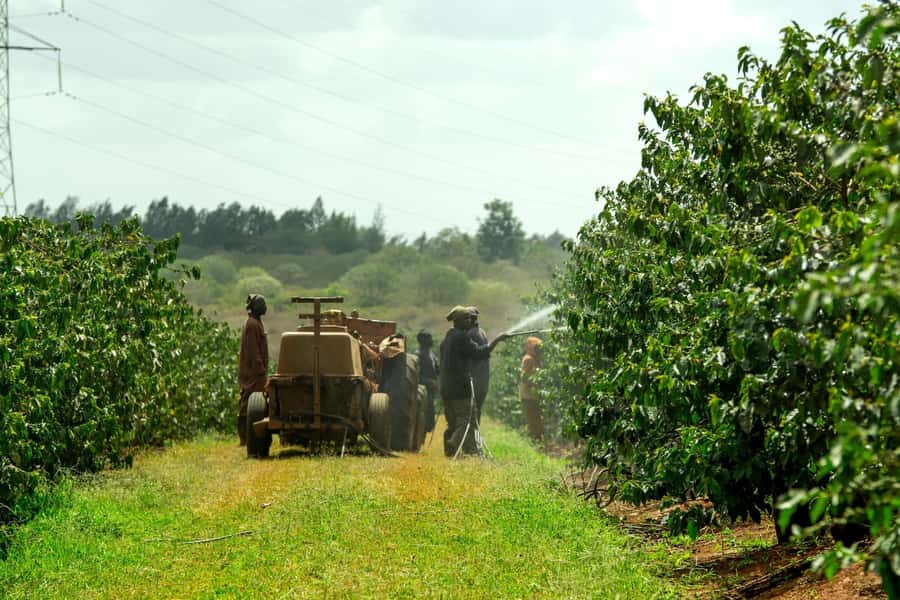
The estate visit begins with a guided look at the plantation. You learn how coffee plants are cultivated and harvested, then follow the process toward processing and preparation.
This is the part that gives the visit its substance. A quick coffee tasting in a city cafe can tell you what a bean tastes like. A plantation walk shows you why it tastes that way and how much work comes before brewing.
Expect time for photographs and a slow walk through the grounds. The setting includes green coffee fields, rolling highland views, birds, and the sounds of the countryside. It is a pleasant place to pause, but the appeal is not only visual. The guide explains the estate’s farming methods and its efforts to use sustainable processes.
The exact route through the plantation may depend on the day and the estate’s operating conditions. You should bring an ID or passport, as that is specifically listed among the items to carry. Comfortable walking shoes and sun protection are sensible choices, though the supplied details do not set a formal clothing requirement.
The visit is also a chance to ask direct questions. If you want to know how coffee is picked, how quality is protected, or what makes Kenyan Arabica distinctive, this is the time to speak up. Guides named Elvis, James, and Faith have been praised for taking time with questions and explaining things carefully, including to people who speak limited English.
Learning what happens between harvest and cup
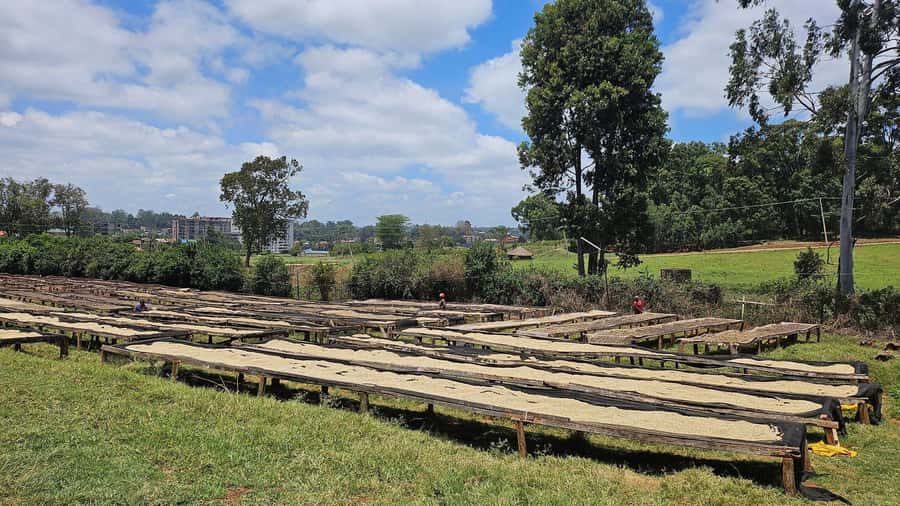
Fairview’s guided talk covers the stages of coffee production, from seed to cup. You learn about growing conditions, harvesting, processing, and the role coffee plays in Kenyan life and business.
This makes the tour useful even if you are already familiar with coffee. You can focus on the local side of production rather than only on generic brewing terms. The estate’s sustainability work is another worthwhile subject, since it connects everyday farming decisions with the long-term health of the grounds.
The guide-led format is important here. You are not simply reading signs and wandering around on your own. The information is delivered in English, and the staff can adjust the pace when needed. That personal approach was particularly valuable for visitors who did not speak English confidently.
I would not expect a formal university lecture or a technical coffee certification course. The session is designed for a broad audience, with an interactive approach and plenty of time to see the grounds. For most people, that is the right balance.
More Coffee Tours in the world:
- Hanoi Coffee Experience: 6 Brews, 9 Recipes & 3 Liquor Tastings
★ 5.0 · 2,945 reviews - Medellin: Coffee Tour with Transport, Snacks and Tastings
★ 4.7 · 1,357 reviews - Istanbul: Turkish Coffee Making and Fortune Telling Workshop
★ 4.9 · 1,308 reviews - Hanoi Coffee Workshop: Taste Salt, Coconut and Egg Coffee
★ 5.0 · 1,286 reviews
The coffee tasting: aroma, acidity, and body
The tasting is the heart of the experience. You sample freshly brewed Kenyan coffee and learn how to notice the differences between cups.
The guide introduces the basic ideas behind coffee cupping, including aroma, acidity, and body. You do not need a trained palate. Think of it as learning how to pay attention. Smell the coffee before drinking it, notice the texture, and compare the flavors rather than rushing through the cup.
Kenyan Arabica is the focus, so this is a good chance to understand what the country’s coffee is known for. The tasting also helps you decide what kind of beans you may want to buy later at the estate shop.
Coffee is served with cookies and milk in the garden. That small break is included and gives you time to sit, talk, and enjoy the grounds without being hurried from one activity to the next.
The tasting may be less exciting for someone who does not drink coffee. The estate visit still has scenery and farming content, but the coffee portion is central. If you actively dislike coffee, I would choose a different half-day outing.
A garden break and optional farm-to-table lunch
After the coffee activities, you have free time at the estate. The garden setting is a good place to slow down after the walking tour and tasting.
Lunch is not included in the $50 price. It is available to purchase, with fresh, locally sourced ingredients and Kenyan dishes offered as part of the farm-to-table experience. Because the exact meal and cost are not provided, I would treat lunch as an optional extra rather than build your budget around a particular menu.
This arrangement gives you some choice. You can buy lunch and make the estate visit more leisurely, or keep the meal brief if you want to return to Nairobi. Drinks are also extra.
The included coffee, cookies, and milk mean you are not left without refreshments, but they should not be mistaken for a full meal. If you normally need lunch at midday, set aside additional money and time.
The coffee shop and boutique
Before leaving, you can visit the on-site coffee shop and boutique. This is the natural place to buy packaged coffee, gifts, or other souvenirs connected with the estate.
Packaged coffee is not included, and the price is not provided. I like this kind of shopping stop when it follows a real visit, since you have just learned how the coffee is grown and processed. You can make a more informed choice instead of buying a random bag at the airport.
Keep your spending under control. The estate shop is optional, but it is easy to add coffee purchases after a tasting. If you are packing light, remember that coffee takes up room and adds weight.
The free time also lets you take more photographs or simply enjoy the highland setting. The visit is not a race from one stop to another.
What the $50 price really covers
At first glance, $50 per person looks like a reasonable price for a private-feeling outing from Nairobi. It covers transport, pickup and drop-off, an English-speaking guide, bottled water, and the coffee, cookies, and milk served in the garden.
But the advertised estate admission is another $30 per person. That brings the basic cost to $80 before lunch, drinks, or coffee bought at the shop.
Is that good value? For a coffee enthusiast, I think it can be. You receive transportation from Nairobi, a guided plantation visit, a tasting lesson, and time in a peaceful rural setting. Booking transport separately could also take effort, and a guide adds useful context that you would not get from a self-guided walk.
For a casual sightseer, the value is less clear. The estate visit lasts about three hours in the route description, and the main focus is coffee. If you do not care much about coffee production, the additional admission fee may make the outing feel expensive compared with a simple city attraction.
The small group limit helps support the price. You are not paying only for a vehicle transfer. You are also paying for a guided, focused experience with a limit of 15 participants.
The guides and the value of good explanations
A strong guide matters on this tour because coffee production involves several steps that can look similar at first glance. A good explanation turns a pleasant walk into something you remember.
Elvis has been praised for making the trip a highlight for a coffee lover. James is known for sharing detailed information about cultivation with real enthusiasm. Faith has been described as attentive and willing to help beyond the basic duties of the job.
Calvin is also noted for friendly, careful driving. That matters on a tour with about an hour of road travel in each direction. You want a driver who communicates clearly and handles the day with care.
The guide language is English. One particularly useful feature is the patient style described for people with limited English. If you need information repeated or explained more slowly, say so. The small group format should make that easier.
Who should book this experience
I would recommend Fairview Coffee Estate to:
- Coffee drinkers who want to understand Kenyan Arabica beyond the cafe menu.
- Visitors with a free half-day or flexible day in Nairobi.
- People who prefer a farm visit and guided tasting to a standard city tour.
- Couples, families, and small groups who value a quieter outing.
- Anyone interested in sustainable farming and local food production.
- Visitors who want photographs of Kenya’s highlands without traveling far from Nairobi.
I would think twice if you have a tight schedule or dislike coffee. The timing needs confirmation because the stated four-hour duration does not match the route breakdown of roughly five hours.
You should also budget for the $30 admission fee, food, drinks, and any coffee purchases. The tour is not an all-inclusive day out.
Practical details before you go
Pickup and drop-off are available in Nairobi County. Bring a passport or ID card, and carry water beyond the complimentary bottle if you prefer to drink often during the walk.
The experience is wheelchair accessible, though the plantation walk may involve outdoor paths. If you use a wheelchair, confirm the exact route and surface conditions before booking so the estate portion matches your needs.
Free cancellation is available up to 24 hours in advance for a full refund. You can also reserve now and pay later, which helps if your Nairobi schedule is still changing.
The activity is operated by Gerenuk Expedition. The group is limited to 15 people, and the live guide speaks English.
Should you book Fairview Coffee Estate?
Book it if you want a focused introduction to Kenyan coffee, not just a scenic drive. The plantation walk, careful explanations, tasting session, and garden break create a well-shaped outing, and the named guides have shown a strong record of patience and friendly service.
Before paying, confirm the actual duration and remember that the estate admission costs $30 extra. Add money for lunch, drinks, and coffee if you plan to make a full afternoon of it.
For coffee lovers, the extra cost is easier to justify because the tasting and farm visit work together. For everyone else, choose it only if the highland setting and rural farm experience appeal as much as the drink itself.
FAQ
How long does the Fairview Coffee Estate tour last?
The activity is advertised as four hours. The route details describe about one hour by van to the estate, three hours at Fairview, and one hour back, so you should confirm the exact schedule before booking.
How much does the tour cost?
The listed tour price is $50 per person. Fairview Coffee Estate admission costs an additional $30 per person.
Is lunch included?
No. Lunch and drinks are available to purchase, but they are not included in the tour price.
What refreshments are included?
You receive bottled water, plus coffee, cookies, and milk in the garden.
Is transportation included?
Yes. Pickup and drop-off in Nairobi County are included, along with transport in a well-maintained vehicle.
What language is the tour conducted in?
The live tour guide speaks English.
How large is the group?
The tour is described as a small-group experience with a maximum of 15 participants.
What should I bring?
Bring a passport or ID card. You may also want comfortable shoes and sun protection for the plantation walk.
Just listed in the world
- Bali: Ubud Monkey Forest, Coffee Plantation, and Market Tour★ 5.0 · 5 reviews
- Chill coffee or meal break at illy Caffè in St.Mark’s Square★ 4.7 · 9 reviews
- Private Ubud Tour: Sacred Monkeys, Coffee, Temple, Waterfall★ 4.8 · 3 reviews
- Venice: Sunrise Walking Tour with Espresso★ 4.6 · 12 reviews
- Bali ,Tegallalang, Tirta Empul, Coffee, Lunch & Batur Hot Spring★ 4.0 · 2 reviews
- Mount Batur Sunrise Trekking (Private, Breakfast and Visiting coffee plantation)★ 5.0 · 27 reviews
- Venice Delights: Coffee & Food Experience Walking Tour★ 5.0 · 2 reviews
- Coffee & Waterfalls Tour: from the mountains to the cup★ 5.0 · 5 reviews
Coffee Farm Tours, compared.
Award Winning Farm Tour: Coffee, Chocolate and Unique Gifts
Read our review →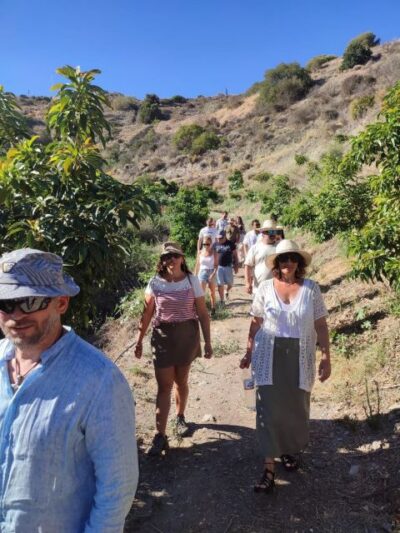
La Herradura Coffee Farm: tour in Europe’s only plantation
Read our review →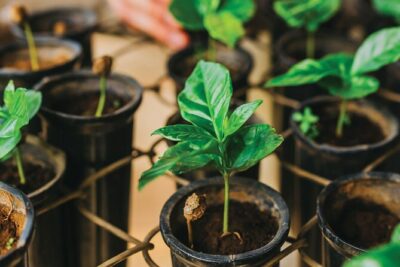
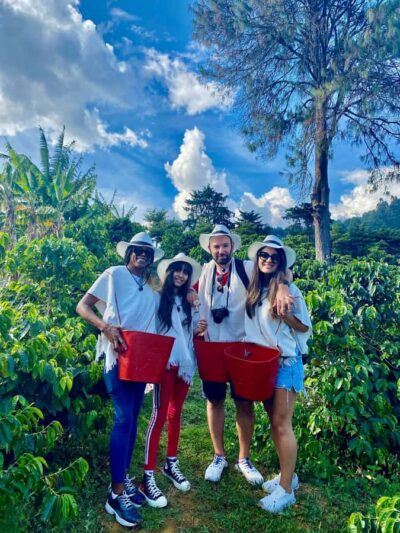
Medellín Coffee Farm Tour with Trolley and Cable Car Ride
Read our review →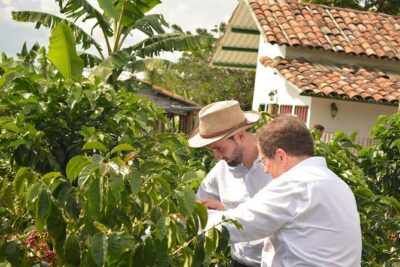
Private Cocora Valley, Salento & Coffee Farm Tour
Read our review →
Liamuiga Natural Farm Tour – St.Kitts’ Coffee Farm
Read our review →
Lists this coffee tour turns up in