
REVIEW · CENTRAL VIETNAM
Danang: Vietnamese Coffee Class with 5 Unique types
Vietnamese coffee is not just strong coffee poured over ice. In this Danang workshop, you make five local styles, including egg coffee, salt coffee, coconut coffee, orange coffee, and white coffee, then learn why each one has a different taste and texture.
I like the hands-on format and the small group of no more than eight people. I also like that you take home digital recipes, so the class can continue in your own kitchen. The main drawback is the caffeine load: five tastings in 150 minutes may be too much if you arrive hungry, sensitive to coffee, or expect a quiet tasting rather than an active class.
Key points
- Five distinct Vietnamese coffees: Prepare coconut, egg, salt, orange, and white coffee rather than sampling only one local style.
- Traditional phin brewing: Learn to use the metal filter that gives Vietnamese coffee its slow, concentrated character.
- Small class size: With a maximum of eight participants, you should have room to follow each step and ask questions.
- A practical souvenir: Digital recipes let you recreate the drinks after returning home.
- English instruction: The class is taught in English by a friendly local host.
- Plan for the caffeine: Eat first, stay hydrated, and tell the host about allergies or dietary needs in advance.
Five Vietnamese coffees in one Danang class
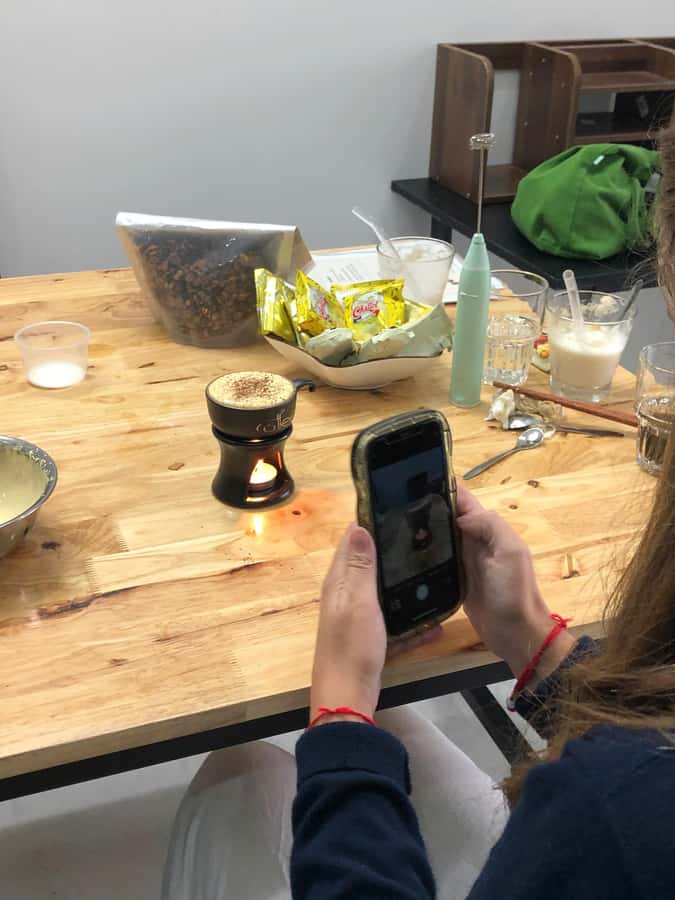
This experience gives you a quick tour of Vietnam through coffee rather than temples, markets, or cooking stations. Over two and a half hours, you prepare five drinks with different ingredients, methods, and flavors.
The class covers coconut coffee, egg coffee, salt coffee, orange coffee, and white coffee. The exact order is not given, but you can expect step-by-step guidance as you work through the recipes. Each cup offers a different lesson: some focus on texture, some on sweetness, and some on the way coffee pairs with an unexpected ingredient.
That variety is the point. A single cup of Vietnamese coffee tells you that local coffee culture often values contrast: bitter coffee against sweet cream, strong brew against a soft topping, or familiar coffee paired with a surprising fruit note.
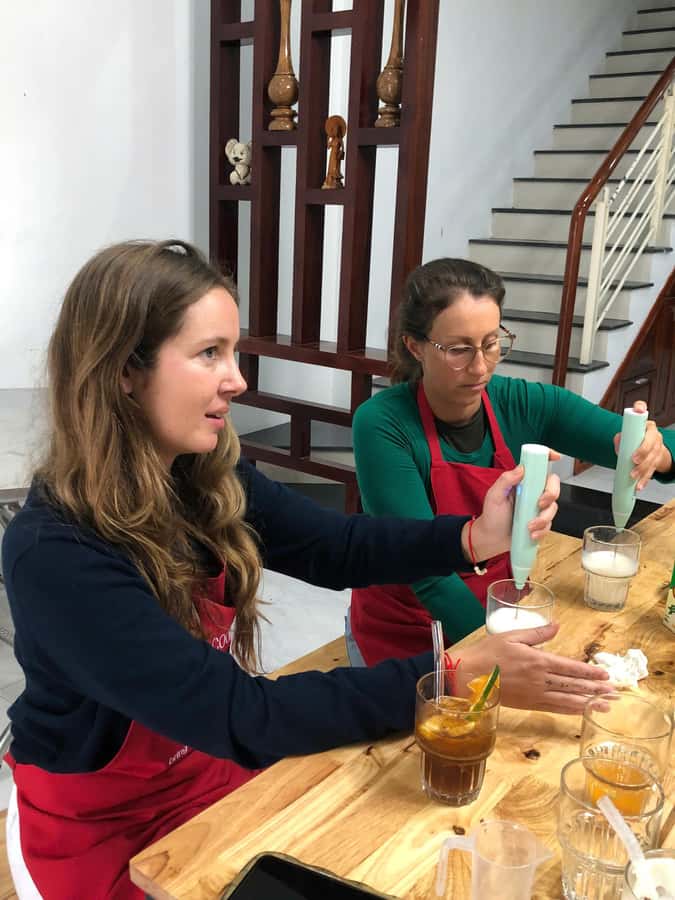
You are not simply watching someone make drinks at a counter. You are measuring, mixing, brewing, and tasting. That makes this a better choice for curious beginners than for someone who only wants a quick café stop.
More Coffee Making Classes in Vietnam
- Hanoi Coffee Workshop: Taste Salt, Coconut and Egg Coffee
★ 5.0 · 1,286 reviews - Hanoi: Salt Coffee Workshop Awake Your Senses With 6 Brews
★ 5.0 · 792 reviews - Da Nang Coffee Making Workshop
★ 4.9 · 543 reviews
Starting with the phin filter
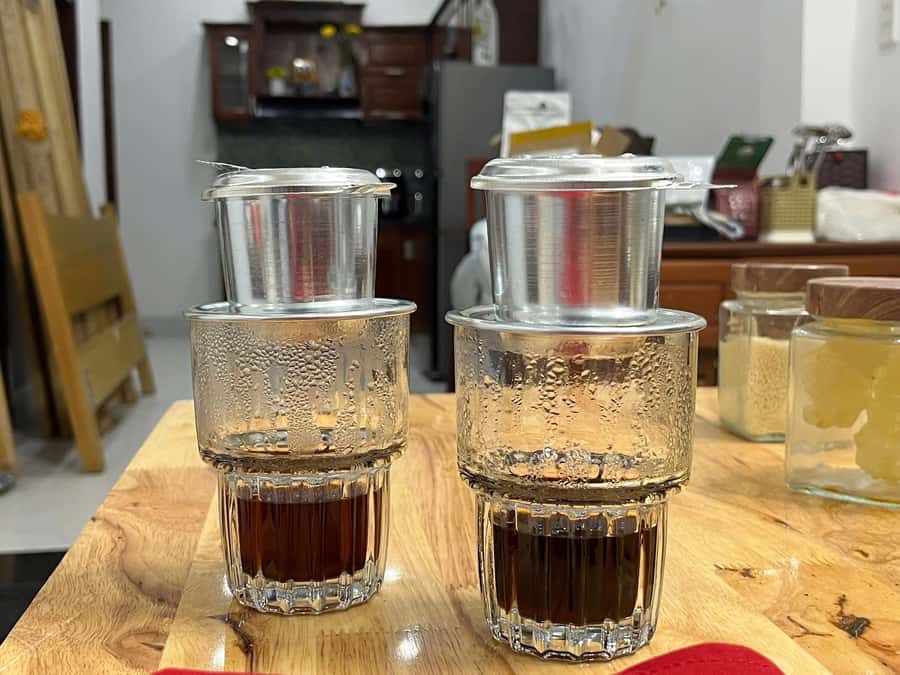
The traditional phin filter is a small metal brewer placed directly over a cup. It works slowly, allowing coffee to drip through rather than rushing water through grounds.
You will get an introduction to this brewing method and use the equipment yourself. This matters because the phin is central to the feel of Vietnamese coffee. It is compact, simple, and easy to carry home, unlike a large espresso machine.
The class also covers coffee basics, coffee types, roasting, and preparation. That wider context gives you something useful beyond the recipes. You can begin to understand how the brewing method affects the final cup and why Vietnamese coffee drinks often taste more concentrated than a standard filter coffee.
The pace should suit beginners. Step-by-step instruction means you do not need prior brewing skills. Still, this is an active workshop, so you should expect to follow directions and take part rather than sit back for a demonstration.
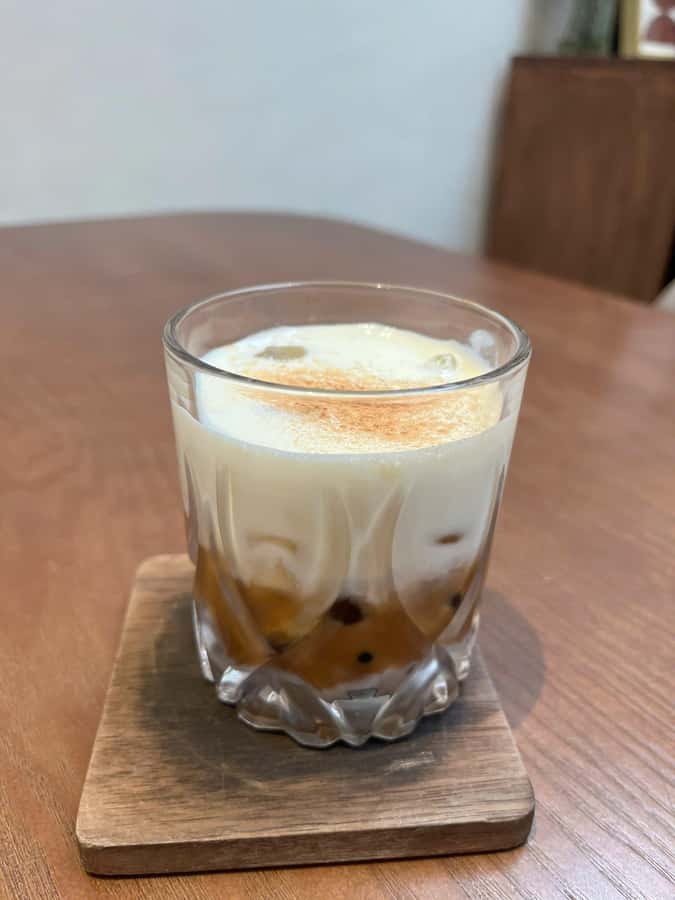
Making coconut coffee
Coconut coffee is one of the class highlights because it changes coffee into something closer to a chilled dessert drink. The coconut element adds sweetness and a creamy texture, while the coffee keeps the drink from becoming flat or overly sugary.
You will prepare the drink with the guidance of the host, then taste it as part of the five-cup lineup. This is a useful place to notice how a strong coffee base can support a soft, sweet ingredient.
If you normally drink coffee black, coconut coffee may be the biggest change from your usual routine. If you already enjoy iced or sweet coffee, this may be the most immediately familiar style.
The class information does not specify the exact serving temperature or the equipment used for the coconut component. Expect to learn the recipe provided on the day rather than assume it will match every café version in Danang.
Building the foam for egg coffee
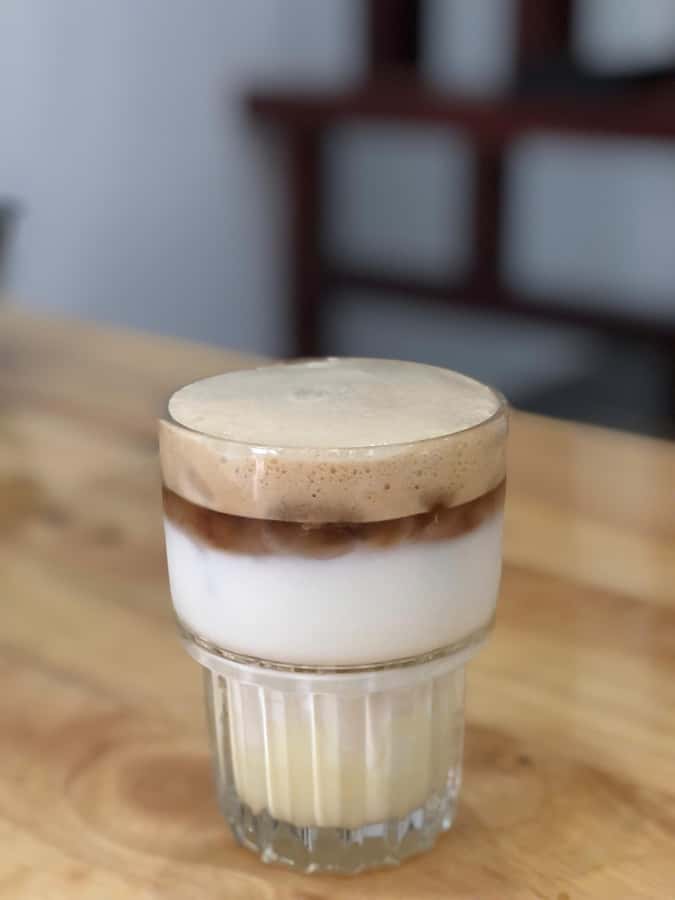
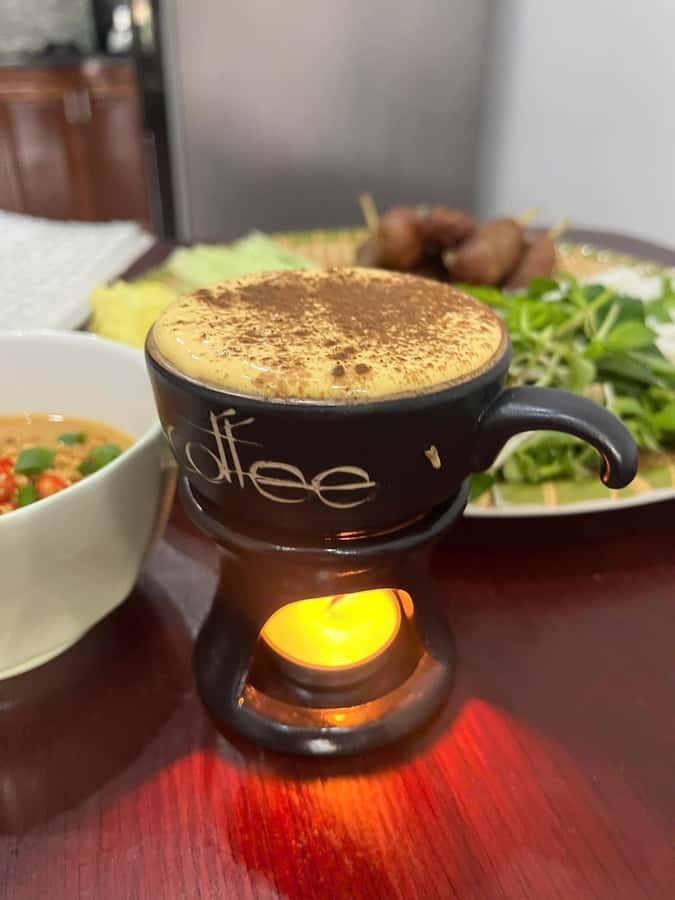
Egg coffee is famous for its rich, creamy topping. In a class setting, the value is in learning how the topping is prepared and how it sits with the coffee below.
You will make the drink rather than only taste a finished cup. That gives you a chance to pay attention to the texture, sweetness, and balance between the coffee and egg mixture.
Egg coffee also shows how Vietnamese cafés turn ordinary ingredients into a special drink. It is a good recipe to take home because it does not require a professional coffee machine. The digital recipe should help you remember the proportions and method after the class.
Be realistic about the flavor. This is not a plain black coffee experience, and its creamy style may appeal more to people who enjoy sweet drinks. If you have food allergies or dietary restrictions, tell the host before the class.
More Vietnamese Coffee Experiences in Vietnam:
- Egg coffee & Course on 4 traditional types of Viet coffee
★ 4.9 · 487 reviews - Fun & Easy Vietnamese Coffee Workshop in Hồ Chí Minh City
★ 5.0 · 293 reviews - Hanoi Cooking Class: Pho/Bun Cha/Banh Xeo…+Free Egg/Salt Coffee
★ 5.0 · 267 reviews - Hanoi: Vietnamese Coffee Workshop with 6 Brews and 8 Recipes
★ 5.0 · 237 reviews
Trying salt coffee and orange coffee
Salt coffee sounds unusual until you taste what a small salty note can do to bitterness. The salt is not meant to make the drink taste like seawater. Its role is to change the balance of the coffee and highlight other flavors.
Orange coffee takes the experiment in another direction, adding a citrus element. It gives you a chance to compare coffee with a bright fruit note rather than only with dairy, coconut, or sugar.
These two drinks make the workshop more interesting than a basic coffee lesson. They show how local cafés keep familiar drinks fresh by adding small twists. You can also compare your own reaction to each style instead of relying on a menu description.
The class does not state how the orange is served or how much salt is used. That is not a problem for the tasting, but it means you should treat the class recipe as the guide rather than expect a fixed formula common to every café.
Understanding white coffee
White coffee is included as the fifth style. The supplied details do not define exactly what the class means by white coffee, so you will need to hear the host’s explanation during the session.
That makes this cup worth paying attention to. The name can refer to different preparations in different coffee traditions, and the class is designed to explain the recipe rather than leave you guessing.
Use this final tasting as a chance to compare the full set. Think about the coffee base, sweetness, texture, aroma, and aftertaste. Five drinks can blur together if you simply sip and move on, so take brief notes or use your phone to photograph each creation.
The host encourages photography, and that is practical here. Pictures can help you remember which cup was which when you recreate the recipes later.
A small group changes the class
The maximum group size is eight. That is small enough to make a real difference in a hands-on workshop.
You should have a better chance to see each demonstration, handle the equipment, and ask for help if a step is unclear. A small group also makes the class feel less like a formal lesson and more like a shared kitchen table.
The instructor speaks English. No individual guide name is provided, so you should not book this expecting a named barista or a celebrity coffee expert. What you do get is a local host, practical instruction, and a friendly setting.
The group format can also make the class more social. If you prefer a private lesson or complete control over the pace, a group of up to eight may feel less personal. For most people, though, this size offers a good balance between interaction and affordability.
Finding the meeting point in Danang
The meeting point is the entrance marked by a white board sign reading Danang Summer Cooking Class and Coffee Workshop. The gate is open during operating hours, and you should enter directly so the host can greet you.
Arrive five to ten minutes early. That small buffer matters because the class has a set length and the first brewing steps may begin on time.
Hotel pickup and drop-off are not included. You will need to arrange your own way to the meeting point, so check the address and allow time for local traffic before leaving.
The class runs in rain or shine. That is useful to know when planning a Danang day, especially if the weather changes and you are tempted to cancel an indoor activity. Coffee preparation continues regardless of the forecast.
Is $30 a fair price?
At $30 per person, the value depends on how much you want to do rather than simply taste. You are paying for 150 minutes of instruction, all ingredients and equipment, five coffee preparations, a phin brewing lesson, and digital recipes.
That is a fair package for someone who wants a skill-based activity. A café crawl might cost less if you only want to sample drinks, but it will not give you guided practice or recipes to take home.
The small group also helps justify the price. You are not being placed in a large demonstration where the host prepares everything while you watch from the back. The class is built around your own participation.
There are limits. Transport is extra, and the price does not include a meal. Since five coffees can be filling and heavily caffeinated, eat beforehand. You should also budget for your own transport to and from the venue.
Who will enjoy this workshop most?
I would recommend this class to coffee fans, curious cooks, and people who like bringing practical memories home from a trip. It is especially useful if you want to understand Vietnamese coffee beyond ordering a glass of iced coffee at a café.
It also suits couples, friends, and solo visitors who enjoy a small group activity. The English instruction and guided format make it approachable even if you have never used a phin filter.
You may want to skip it if you do not drink coffee, dislike sweet or creamy drinks, or are sensitive to caffeine. Five styles in one sitting is a lot, even if the portions are tasting-sized.
Children under seven are not suitable for this activity. Older children may still find the hands-on element interesting, but the supplied information only rules out those under seven and does not promise a child-focused format.
Vegan and dietary options are available upon request. Contact the host in advance rather than waiting until you arrive, especially if you have allergies.
Practical tips for a better tasting
Eat before you go. This is the clearest way to avoid feeling lightheaded during a coffee-heavy class.
Drink water during the session and do not rush through every cup. Five different recipes are easier to compare when you slow down and notice what changes from one drink to the next.
Bring a camera or phone. Photograph the drinks, the phin filter, and any key preparation steps you want to remember.
Ask questions as you work. The class includes stories about Vietnamese coffee culture, and those details can help explain why these recipes matter beyond their ingredients.
Keep the digital recipes after the class and try one at home first. Egg coffee and coconut coffee may require more preparation than a regular brewed cup, while the phin method is a simple place to start.
Booking flexibility and timing
The activity lasts 150 minutes, and available start times should be checked before booking. That length is long enough for a proper lesson but short enough to fit into a Danang day.
You can cancel up to 24 hours in advance for a full refund. You can also reserve now and pay later, which helps if your schedule is still changing.
Those policies are useful, but they do not remove the need to arrive on time. The host asks you to come five to ten minutes early, and late arrival could mean missing the first brewing explanation.
Should you book the Danang coffee class?
Book it if you want more than a caffeine stop. The combination of phin brewing, five unusual coffee styles, English instruction, and digital recipes gives you both a local food experience and a practical skill to take home.
I especially like the range from egg and coconut to salt and orange. You get to compare sweet, creamy, savory, and fruit-based ideas in one sitting, which makes the class memorable without requiring a full-day commitment.
Think twice if coffee affects you strongly, if you need hotel transport, or if you prefer a quiet tasting with no preparation. For everyone else, $30 is a reasonable price for a small-group workshop that lets you make the drinks yourself and understand the culture behind each cup.
FAQ
How long does the Vietnamese coffee class last?
The class lasts 150 minutes, or two and a half hours.
Where does the class meet?
Meet at the entrance marked by a white board sign reading Danang Summer Cooking Class and Coffee Workshop. The gate is open during operating hours, and you should enter directly.
Which coffee styles will I make?
You will make coconut coffee, egg coffee, salt coffee, orange coffee, and white coffee.
Is the class taught in English?
Yes. The instructor language is English.
How many people can join the class?
The class is limited to eight participants.
Is hotel pickup included?
No. Hotel pickup and drop-off are not included.
Are ingredients and equipment provided?
Yes. The class includes all ingredients and equipment needed for the coffee-making activities.
Can I request vegan or dietary options?
Yes. Vegan and dietary options are available upon request. Tell the host about allergies or dietary restrictions in advance.
Can I cancel for a refund?
Yes. You can cancel up to 24 hours in advance for a full refund. You can also reserve now and pay later.
Just listed in Vietnam
- DALAT EASY RIDER GROUP TOUR – PONGOUR FALL – SILK- COFFEE..★ 5.0 · 6 reviews
- Dalat Group Easy Rider – Elephant Fall-Pagoda-Weasel Coffee…★ 5.0 · 7 reviews
- Da Nang: Egg, Salt, & Coconut Coffee Making Class★ 5.0 · 4 reviews
- Da Nang: Coffee Making And Cooking Class★ 5.0 · 7 reviews
- Da Nang – Coffee Workshop: Make 6 Kinds of Vietnamese Coffee★ 5.0 · 4 reviews
- A Complete Vietnam Coffee Journey – The Unknown Giant★ 5.0 · 10 reviews
- Make 3 Regions Iconic Vietnamese coffees: Brown, Salted, Egg★ 5.0 · 12 reviews
- Coffee Making and Cooking Class★ 5.0 · 12 reviews
Vietnamese Coffee Experiences, compared.

Salt Coffee Workshop Awake Your Senses With 6 Brews
Read our review →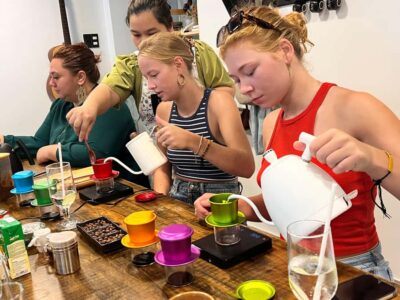
Egg coffee & Course on 4 traditional types of Viet coffee
Read our review →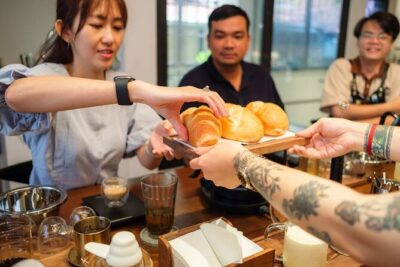
Fun & Easy Vietnamese Coffee Workshop in Hồ Chí Minh City
Read our review →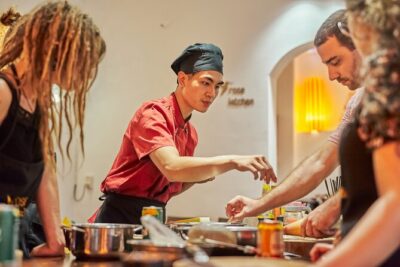
Hanoi Cooking Class: Pho/Bun Cha/Banh Xeo…+Free Egg/Salt Coffee
Read our review →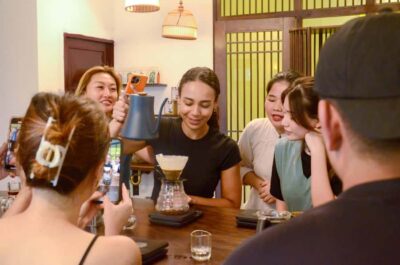
Vietnamese Coffee Workshop with 6 Brews and 8 Recipes
Read our review →
Vietnamese Coffee & Culture Exploration in Hồ Chí Minh City
Read our review →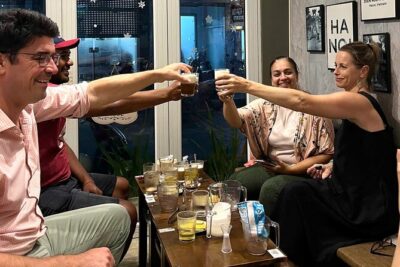
Hanoi Coffee Workshop: Master 6 Signature Vietnamese Coffee
Read our review →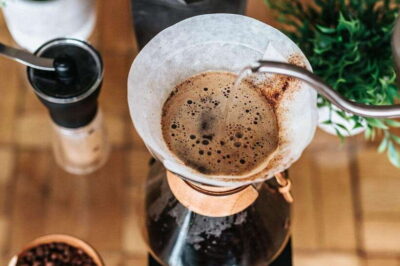
Hands-on Vietnamese Coffee Making Class with Long
Read our review →Lists this coffee tour turns up in