
REVIEW · CENTRAL KENYA
Coffee Farm Tour (Fairview)
Fairview Coffee Estate turns a morning cup into a two-hour farm lesson. At about 1,750 meters in Kenya’s Central Highlands, you’ll see coffee flowers, cherries, processing equipment, roasting, and tasting all in one visit. The blind tasting of four coffees is the most entertaining part, especially when your own palate surprises you.
I like the easy hotel pickup and the chance to talk with Alex, a warm and informative driver who often shares useful background about Nairobi and Kenya on the road. I also like the farm guides, especially James and Elvis, who explain the work clearly and let you connect the finished drink with the plant and people behind it.
The main catch is the extra $30 entrance fee, which is not included in the advertised $39 tour price. Your actual cost can therefore reach $69 before any coffee you buy, so compare that total with arranging your own ride to the estate.
Key points at a glance
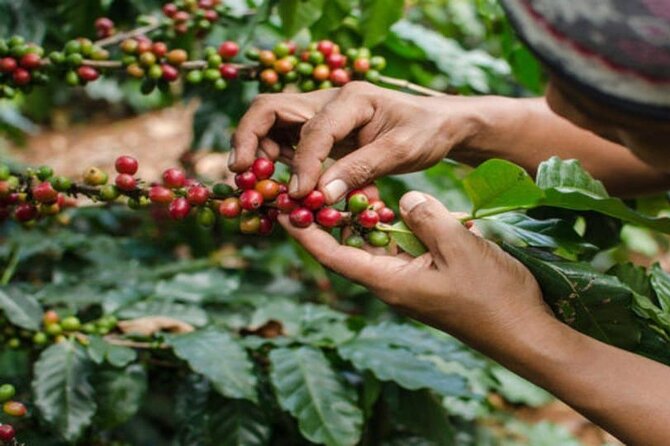
- Nearly 100 acres of coffee at 1,750 meters: Fairview gives you a real working estate rather than a short café demonstration.
- Four coffees in a blind tasting: You test your own sense of flavor and learn why roast and grade matter.
- James and Elvis bring the farm to life: Their explanations cover cultivation, picking, grading, cleaning, roasting, and waste.
- Alex makes the transfer useful: The private drive from Nairobi includes practical talk about the city and Kenyan culture.
- Fresh coffee and shopping finish the visit: You can drink coffee with biscuits and buy 500-gram bags in several roasts.
- Allow for the separate entrance charge: The $39 price includes transport and a guide, but not the $30 farm admission.
From Nairobi to Fairview in Kiambu
The experience begins with pickup at your Nairobi hotel. You are asked to wait in the lobby about 10 minutes before departure and look for a silver Honda Airwave. The drive to Fairview is described as about 20 minutes, though Nairobi traffic can affect the actual timing.
This private transfer adds more value than a basic taxi ride. Alex has been especially good at making the drive part of the outing, talking about Nairobi, Kenyan culture, history, and other places you might visit. If you have just arrived in Kenya, this is a handy way to get your bearings without spending the morning in a classroom.
The return ride brings you back to Nairobi after the farm visit. A few people have also arranged extra stops or added city sightseeing with the driver, but that is not part of the standard three-hour coffee tour, so treat it as something to confirm rather than an included feature.
The activity runs in two-hour farm sessions, usually from 10:00 a.m. to noon and from 2:00 p.m. to 4:00 p.m. With transfers, the full outing is listed as three hours. The morning slot leaves you most of the afternoon for Nairobi sights, while the afternoon option works well if you want a slower start.
More Coffee Farm Tours in the world:
- Award Winning Farm Tour: Coffee, Chocolate and Unique Gifts
★ 5.0 · 484 reviews - La Herradura Coffee Farm: tour in Europe’s only plantation
★ 4.8 · 430 reviews - Big Island: Volcanoes, Waterfalls, & Coffee Farm Day-Trip
★ 4.9 · 414 reviews
Walking through a highland coffee estate
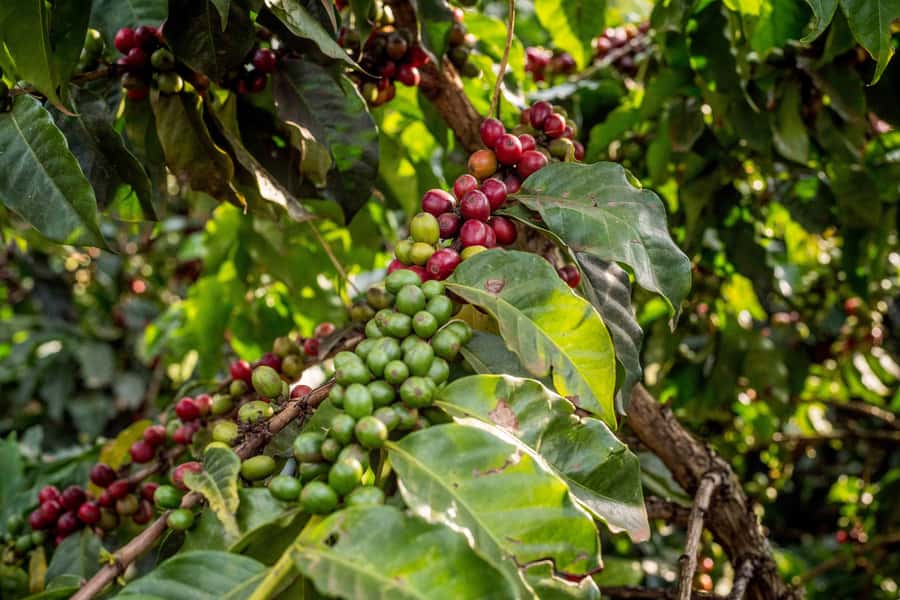
Fairview is a large estate with nearly 100 acres planted with coffee. Its elevation, about 1,750 meters, helps explain why central Kenya is so closely linked with high-quality coffee. You are not simply looking at rows of plants for a photo. The walk shows how a crop changes from flower to cherry to bean.
Your guide explains the coffee plant’s growth cycle, beginning with the small flowers and continuing through cherry development and maturation. You may get the chance to pick ripe cherries yourself, which makes the lesson more physical and memorable than hearing a list of farming terms.
This part of the visit suits children as well as adults. One guide kept a five-year-old interested by connecting coffee growing with other plants. You do not need to be a serious coffee enthusiast to get something from this section. It is really a lesson in how an everyday product reaches your table.
Wear closed shoes. The estate is a farm, not a paved museum, and the ground can be dusty or muddy. Rain can also change the feel of the walk, so a light rain layer is sensible if the forecast looks uncertain. One visitor arrived on a wet morning without suitable clothing and needed help finding rain protection before continuing.
From cherry to clean green bean
The strongest part of the tour is the explanation of what happens after picking. You follow the chain from coffee cherry to processed bean and then to roasted coffee. The guide covers grading, cleaning, and roasting, along with what happens to the waste produced during processing.
That sequence gives the tasting real purpose. Before you compare four coffees, you understand that a cup is shaped by several choices, including the quality of the cherry, processing, grading, and roast. You also see why two coffees can come from the same broad region yet taste quite different.
The farm guides have included James and Elvis, both praised for making technical subjects easy to follow. Elvis, in particular, has explained coffee and its history in detail while still leaving plenty of time for questions. Raymond has also led sessions focused on coffee knowledge and tasting.
Names and staffing can change, but the useful feature is the presence of a dedicated farm guide rather than relying only on the driver. Alex handles the Nairobi connection and transport; the estate guide handles the coffee. That division works well because each person can focus on what he or she knows best.
Four coffees and a test of your palate
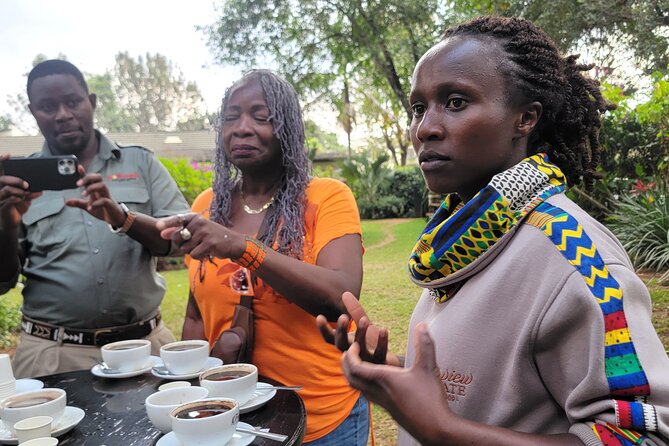
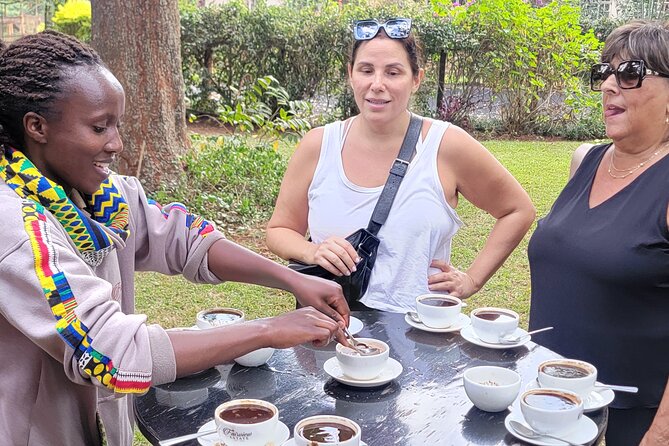
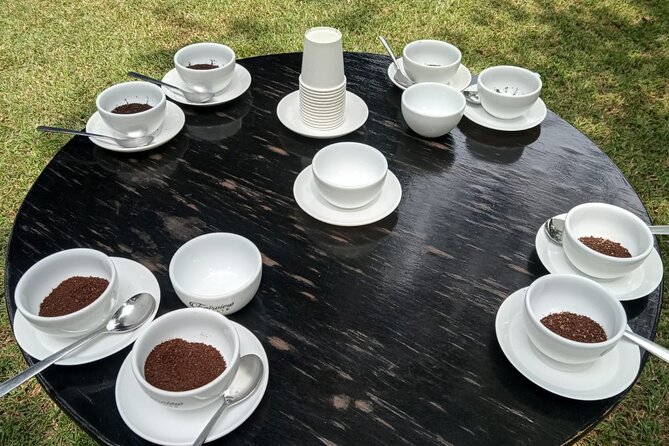
The tasting is not just a quick sip at the end. You sample four different coffee grades or variations, with at least a couple of Fairview brands included in the wider tasting experience. A blind test adds a playful challenge: you try to identify differences without relying on labels or expectations.
I like this format because it makes you pay attention. You may think you can easily identify the darker roast, then find that your answer is wrong. In one tasting, only two of six people reached the same result, and neither gave the correct answer. That is a useful reminder that coffee preference is personal and that tasting notes are not a test you must pass.
The guide encourages you to notice your own preferences rather than telling you which coffee is best. You might prefer the fuller taste of a dark roast, the balance of a medium roast, or the distinct character of the Kaldi roast. The point is to learn what you like and why.
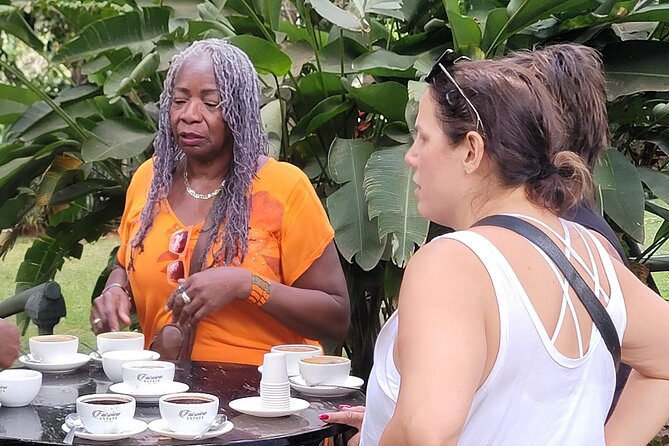
At the end, you receive a prepared cup of coffee, often with biscuits. This simple finish gives you time to sit, talk, and enjoy the drink without rushing straight back to the vehicle. For many people, it becomes the quietest and most pleasant part of the visit.
More Coffee Tours in the world:
- Hanoi Coffee Experience: 6 Brews, 9 Recipes & 3 Liquor Tastings
★ 5.0 · 2,945 reviews - Medellin: Coffee Tour with Transport, Snacks and Tastings
★ 4.7 · 1,357 reviews - Istanbul: Turkish Coffee Making and Fortune Telling Workshop
★ 4.9 · 1,308 reviews - Hanoi Coffee Workshop: Taste Salt, Coconut and Egg Coffee
★ 5.0 · 1,286 reviews
Fresh roasting and the farm shop
The farm shop lets you take the lesson home. Listed prices are:
- Medium roast, 500 grams: Ksh 1,200
- Dark roast, 500 grams: Ksh 1,200
- Kaldi roast, 500 grams: Ksh 1,800
The coffee may be roasted in front of you, which adds a useful sense of place and freshness. You can also buy gifts from the farm. Prices and stock can change, so I would not plan the trip around a particular bag being available.
There is one practical warning. The shop has occasionally been closed because of a broken roasting machine. That appears to be an occasional operating problem, not a normal feature of the tour, but it means you should not assume every roast or souvenir will be available on the day.
If coffee is your main reason for coming, bring room in your luggage. A 500-gram bag is a practical souvenir, and the roast prices are modest compared with many specialty coffee purchases abroad. You pay in Kenyan shillings for the listed bags, so check the current exchange rate and payment options before you arrive.
What the $39 price really covers
The advertised price is $39 per person. It includes private transportation, hotel pickup and drop-off in Nairobi, a professional guide, transport to and from the farm, and bottled mineral water. For someone staying in Nairobi and wanting an organized half-day outing, that is a convenient package.
The important detail is the separate $30 entrance fee. Add it to the advertised price and the base outing reaches $69 per person before coffee purchases. That changes the value calculation, especially for solo visitors or couples who are comfortable arranging their own transport.
One past participant suggested using an Uber to reach Fairview and paying the $30 admission directly. That approach might reduce the transport cost, but it also removes the private pickup, return ride, and Alex’s local commentary. You should compare the full cost and convenience rather than assuming one option is automatically cheaper.
For me, the organized version makes the most sense if you value punctual hotel pickup, want a private vehicle, or are new to Nairobi. It is less compelling if you are already near Kiambu, have reliable transport, and mainly want the farm admission and tasting.
Private group, family fit, and accessibility
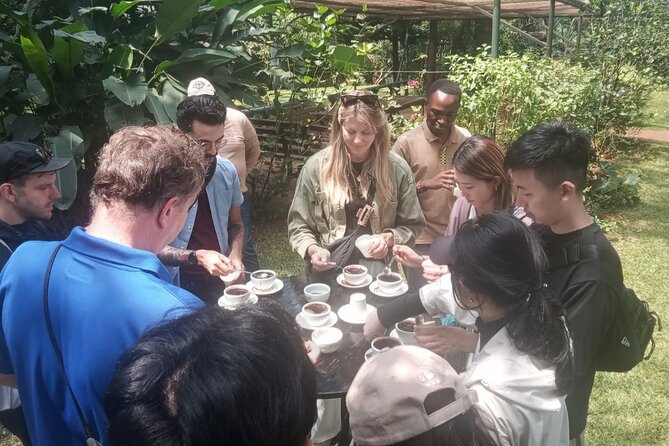
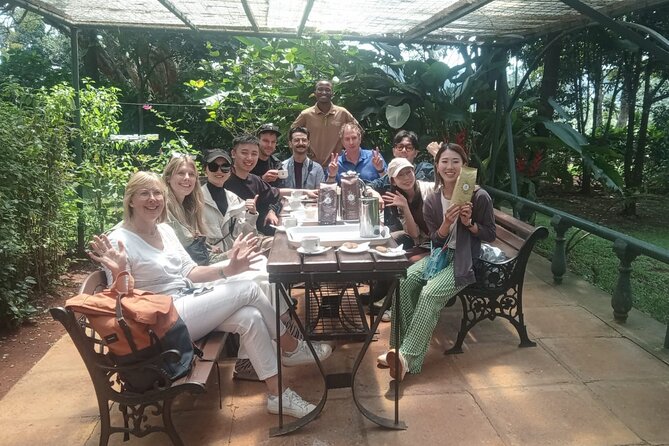
The experience is offered as a private group, which gives you more control than a large bus tour. You can ask questions at your own pace, and the driver can focus on your party during the transfer. The farm visit itself may involve interaction with other participants, depending on the session.
Families can enjoy it, particularly if children like plants, food production, or hands-on activities. The five-year-old who stayed engaged during the farm walk is a good example, but younger children may find the processing explanation long if they have little interest in coffee.
The activity is listed as wheelchair accessible. Still, the farm setting includes walking, dust, and possible mud, so it is sensible to discuss your specific mobility needs when booking. Accessibility in the vehicle and at the farm may not feel identical in every area.
The live tour language is English. The driver and farm guide both contribute, so you get English explanations during the ride and at the estate.
Timing, clothing, and small practical details
Plan on three hours overall, not just the two-hour estate visit. Pickup and traffic can affect the schedule, and you will want enough time for the walk, tasting, coffee, and shop.
Closed shoes are the best choice. You may walk on uneven farm ground, and rainy weather can create mud. Bring a light jacket or rain layer if needed, since central Kenya’s highland weather can shift during the day.
Bottled mineral water is included. Coffee and biscuits are provided during the farm experience, but packed coffee for sale is extra. The tour does not list meals, so do not treat it as a substitute for lunch.
Free cancellation is available up to 24 hours before the scheduled activity for a full refund. You can also reserve now and pay later, which helps if your Nairobi plans are still changing. Pickup is from Nairobi hotels, with the lobby meeting point and silver Honda Airwave making the start easier to manage.
Who should book Fairview Coffee Estate
I would choose this tour if you want more than a coffee tasting. The farm walk, processing lesson, roast comparison, and private transfer form a clear half-day story. You see the crop in the field, learn how it is handled, and then taste the result.
It is particularly well suited to:
- Coffee drinkers who want to understand grading and roast differences
- First-time visitors to Nairobi who appreciate local conversation during transfers
- Families looking for an educational outing outside the city center
- Visitors who want a farm experience without planning transport themselves
- Anyone who likes buying food or drink directly from its source
I would think twice if you dislike walking on farm paths, need a tightly fixed schedule, or are focused only on getting the cheapest cup of coffee. The extra $30 entrance fee is the key issue, and the shop may not always have every item available.
Should you book this coffee tour?
Yes, if you want an easy, informative half-day from Nairobi and you are willing to pay the separate entrance fee. The strongest parts are the estate walk, the hands-on look at processing, the four-coffee blind tasting, and the quality of the guides. Alex’s transport commentary adds useful context before and after the farm.
Before booking, calculate the real total as $39 plus the $30 admission, then add any coffee you want to carry home. If that price fits your plans, Fairview gives you a more meaningful coffee experience than simply stopping at a café. If you are watching every dollar and can reach Kiambu independently, compare the self-arranged option first.
FAQ
Where is Fairview Coffee Estate?
Fairview Coffee Estate is in Kiambu, in Kenya’s Central Highlands near Nairobi. The estate sits at about 1,750 meters.
How long does the coffee tour take?
The full activity lasts about three hours, including transport from Nairobi. The visit at Fairview itself takes about two hours.
What time does the tour run?
The farm sessions generally run from 10:00 a.m. to noon and from 2:00 p.m. to 4:00 p.m. You should check availability for the exact starting time.
Is pickup from my Nairobi hotel included?
Yes. Hotel pickup and drop-off from Nairobi are included, along with private transportation. Wait in the hotel lobby about 10 minutes before pickup and look for a silver Honda Airwave.
Is the $30 farm entrance fee included in the $39 price?
No. The $30 coffee farm entrance fee is listed separately from the $39 activity price.
How many coffees will I taste?
The experience includes a tasting of four different coffee grades or variations. You also receive a prepared cup of coffee, with biscuits provided at the end.
Can I buy coffee at Fairview?
Yes. Listed prices are Ksh 1,200 for 500 grams of medium roast, Ksh 1,200 for 500 grams of dark roast, and Ksh 1,800 for 500 grams of Kaldi roast. Coffee availability can vary.
Is the tour suitable for wheelchair users?
The activity is listed as wheelchair accessible. Because the visit includes walking around a working farm, confirm your specific access needs before booking.
Just listed in the world
- Bali: Ubud Monkey Forest, Coffee Plantation, and Market Tour★ 5.0 · 5 reviews
- Chill coffee or meal break at illy Caffè in St.Mark’s Square★ 4.7 · 9 reviews
- Private Ubud Tour: Sacred Monkeys, Coffee, Temple, Waterfall★ 4.8 · 3 reviews
- Venice: Sunrise Walking Tour with Espresso★ 4.6 · 12 reviews
- Bali ,Tegallalang, Tirta Empul, Coffee, Lunch & Batur Hot Spring★ 4.0 · 2 reviews
- Mount Batur Sunrise Trekking (Private, Breakfast and Visiting coffee plantation)★ 5.0 · 27 reviews
- Venice Delights: Coffee & Food Experience Walking Tour★ 5.0 · 2 reviews
- Intensive Old San Juan Opulent Coffee/Rum/Tastings Walking Tour★ 5.0 · 11 reviews
Coffee Farm Tours, compared.
Award Winning Farm Tour: Coffee, Chocolate and Unique Gifts
Read our review →
La Herradura Coffee Farm: tour in Europe’s only plantation
Read our review →
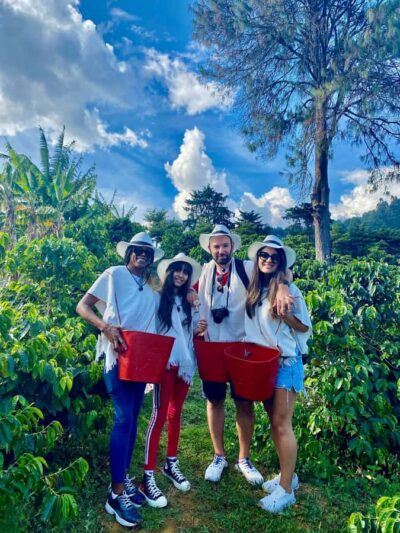
Medellín Coffee Farm Tour with Trolley and Cable Car Ride
Read our review →
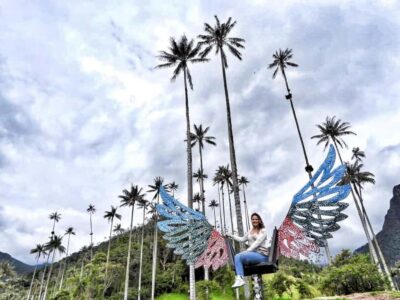
Private Cocora Valley, Salento & Coffee Farm Tour
Read our review →
Liamuiga Natural Farm Tour – St.Kitts’ Coffee Farm
Read our review →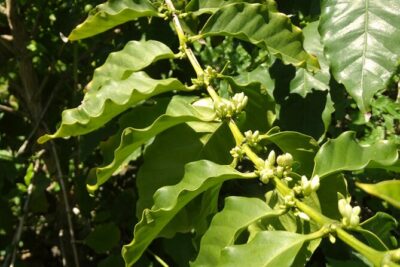
Lists this coffee tour turns up in