
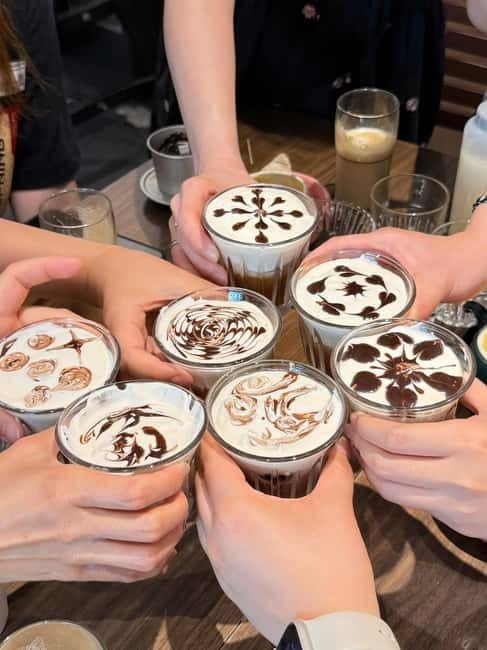
REVIEW · NORTHERN VIETNAM
Hanoi Coffee Workshop: Crafting Your Perfect Brew
Vietnamese coffee is not just strong coffee with condensed milk. In this Hanoi workshop, you learn how a simple phin filter turns dark beans into black coffee, then use that base for egg, coconut, salt, and milk drinks. You do the work yourself, so the lesson is useful after your holiday ends.
I like two things here. First, you can choose four, five, or all six drinks, which lets you control both the price and the caffeine load. Second, guides such as Gene, Moon, Ashley, and Jay are praised for clear English, friendly teaching, and adjusting drinks to your taste. The main caution is simple: six Vietnamese coffees can be a lot, so eat first and think twice if caffeine hits you hard.
Key points at a glance
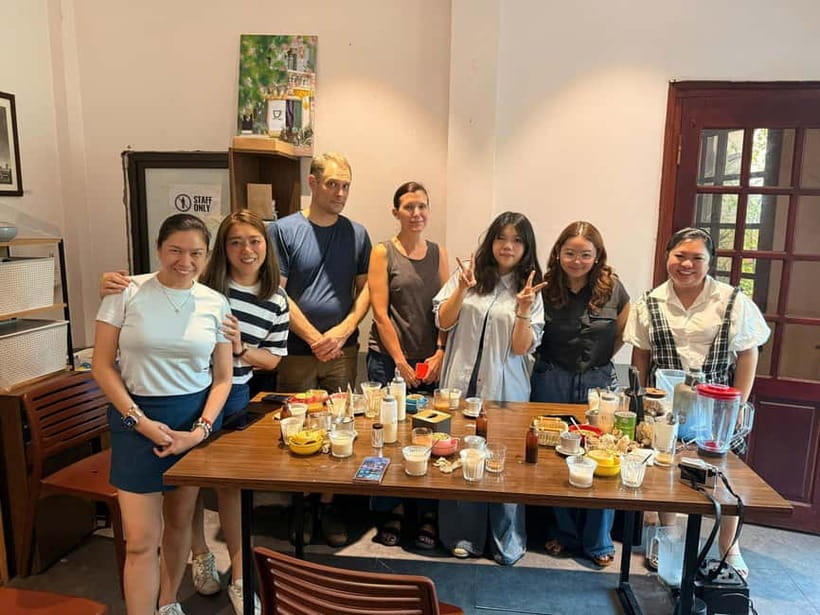
- Six drinks are possible: Make black, brown, egg, white, coconut, and salt coffee, or choose a shorter four or five drink session.
- You use a real phin filter: This is a hands-on lesson in the slow-drip method used across Vietnam.
- Egg and salt coffee are included: These unusual recipes show how far Vietnamese coffee culture goes beyond condensed milk.
- Small English-speaking class: The group is limited to 10 people, with instruction in an air-conditioned room.
- Recipes go home with you: You can repeat the drinks after returning from Vietnam.
- The price is modest: At $12 per person, the class offers several drinks, ingredients, equipment, and instruction without taking half a day.
Starting at Lotus Hanoi Hostel
The workshop meets on the first floor of the Lotus Hanoi Hostel building in northern Vietnam. That makes this an easy experience to fit around sightseeing, since the activity takes only one to two hours and does not require a full-day commitment.
The setting matters more than it may first seem. Coffee preparation is the main event, not a quick demonstration at the end of a broader food tour. You have a place to sit, tools in front of you, and enough time to watch the coffee drip, mix ingredients, and taste what you make.
The room is air-conditioned, a useful detail in Hanoi. Coffee work involves waiting between steps, and a cool indoor space makes that pause comfortable. You will not need to bring equipment or ingredients. Everything used in the class is supplied.
The group limit is 10 people. That is small enough for the guide to watch your technique and answer questions, though the exact feel will depend on how many people attend your session. If you prefer a private lesson, this is not described as a private class. If you enjoy a social setting with other coffee fans, the small-group format should suit you well.
More Coffee Making Classes in Hanoi
- Hanoi Coffee Workshop: Taste Salt, Coconut and Egg Coffee
★ 5.0 · 1,286 reviews - Hanoi: Salt Coffee Workshop Awake Your Senses With 6 Brews
★ 5.0 · 792 reviews - Hanoi: Vietnamese Coffee Workshop with 6 Brews and 8 Recipes
★ 5.0 · 237 reviews
Learning the phin filter before adding sweetness
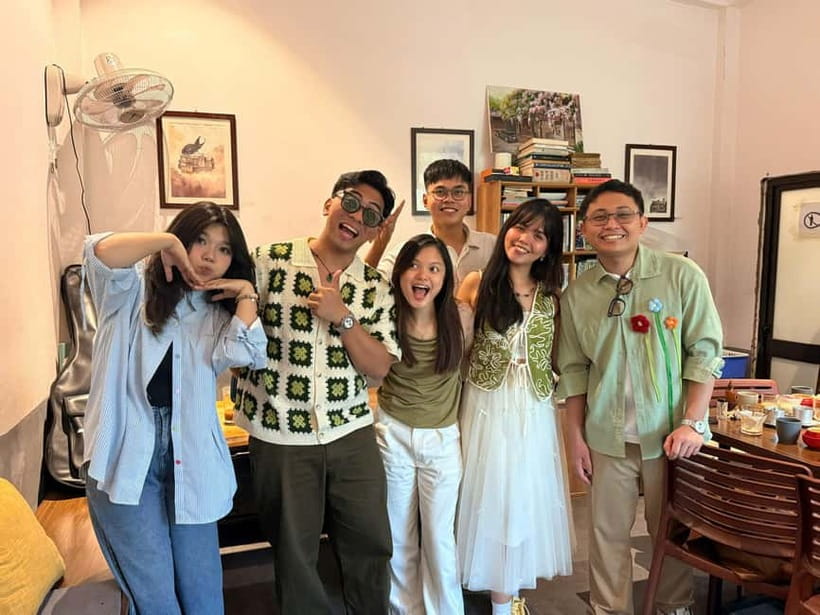
The phin filter is the heart of the class. This compact metal brewer sits over a cup and lets coffee drip slowly into it. The method is simple, but small choices affect the result, including how the coffee is set up and how long it takes to drip.
You begin with black coffee, or cà phê đen. This is the clearest way to taste the coffee itself. It is strong and aromatic, and it gives you the base for several drinks that follow.
I like this order because it gives the class a useful logic. You first meet the coffee in its plain form, then see how milk, egg, coconut, and salt change its taste and texture. You are not just drinking a row of unrelated samples. You are learning one foundation and then building on it.
The guide also explains the ingredients and the background of each drink. The exact amount of historical detail is not specified, but the workshop connects the recipes to Vietnam’s long-running coffee habit and shows why these combinations are so familiar in the country.
Do not expect a polished barista qualification. This is a short cultural activity, not professional training. You will learn practical home recipes and traditional preparation, but the aim is enjoyment and understanding rather than advanced coffee theory.
Four coffees: a sensible first choice
The four-coffee option includes black coffee, brown coffee, egg coffee, and white coffee. For many people, this is the best balance between variety, time, and caffeine.
Brown coffee, or cà phê nâu, combines strong coffee with sweetened condensed milk. It is one of the most recognizable Vietnamese coffee styles, with a firm coffee taste softened by thick sweetness.
If you normally take milk and sugar in your coffee, this may be the easiest drink to like. The condensed milk is not a minor garnish. It changes the body and sweetness of the drink, giving you a very different result from ordinary brewed coffee with a spoonful of sugar.
Next comes egg coffee, or cà phê trứng. Whipped egg yolk creates a creamy topping that makes the coffee feel closer to a dessert. It is one of the class’s most memorable recipes because the ingredients seem surprising until you taste the combination.
The activity is especially useful here because the guide explains how the mixture is made. You do not have to wonder how the smooth topping gets its texture. You can watch the process, take part, and receive the recipe afterward.
White coffee, or bạc xỉu, is the lighter, milkier choice. It suits you if black coffee feels too powerful or if you prefer a gentler drink. Adding this style to the session also shows that Vietnamese coffee is not always about maximum strength.
The four-drink route still gives you a full lesson. You get the plain base, a sweet milk version, a creamy egg version, and a lighter milk drink. At $12, that is strong value, especially since the ingredients, tools, tasting, English instruction, and recipes are included.
Five coffees: adding chilled coconut
The five-coffee option includes all four drinks above, plus coconut coffee, or cà phê cốt dừa. This is a chilled combination of coffee and coconut cream, bringing a cool, creamy texture to the lineup.
Coconut coffee makes the session feel more varied. The first drinks focus on hot coffee and familiar sweeteners, while this one adds a cooler, richer style. You get a better sense of how Vietnamese cafés use coffee as a base for different textures, not just different strengths.
I would choose five coffees if you already enjoy sweet drinks and want a little more variety without committing to the full six. It gives you a broader set of recipes to repeat at home, but it also adds another serving of caffeine and sugar.
The five-drink option may also be a good compromise for couples or friends with different tastes. One person can enjoy the lighter white coffee, another can focus on egg or coconut coffee, and everyone still learns the same core methods.
More Coffee Making Classes in Vietnam
- Ha Noi Egg Coffee Class
★ 5.0 · 227 reviews - Hanoi Coffee Workshop: Master 6 Signature Vietnamese Coffee
★ 5.0 · 171 reviews - Hanoi Coffee Class learning 5 famous coffee in Hanoi
★ 5.0 · 161 reviews - Mini Hanoi Coffee Workshop: Pick Any Signature Coffee You Like
★ 5.0 · 160 reviews
Six coffees: finishing with salt coffee
The full option adds salt coffee, or cà phê muối. It combines bitterness, sweetness, and a light salty note. That may sound strange, but salt can change how you notice the coffee and sweetness without turning the drink into something savory.
This is the most adventurous part of the class. If you want the complete set of recipes, choose all six. You will leave with the widest range of techniques and flavors, from plain phin coffee to egg cream, coconut cream, and salted coffee.
The drawback is caffeine. Six coffee drinks in one session is no small amount, even if each serving is modest. The practical advice is printed into the activity itself: eat before you go to avoid a caffeine hangover. If you are sensitive to coffee, the four-drink option is the safer pick.
People with diabetes should note that the workshop is not considered suitable for them. Many of the drinks use sweetened ingredients, and the activity does not provide a meal. Vegan and dairy-free choices are available by request, but you should arrange that in advance.
A guide-led class with a friendly teaching style
The instructor speaks English, and the class depends heavily on clear guidance because you are making each drink yourself. Guides named Gene, Moon, Ashley, and Jay have led sessions, so the person teaching you may vary by date.
Gene is described as friendly, enthusiastic, and easy to understand. Moon is noted for speaking good English, explaining the steps clearly, and adjusting drinks to individual flavor preferences. Ashley brings a playful tone and includes coffee art in the lesson, while Jay is described as patient, friendly, and easy to follow.
Those details point to the real strength of the workshop: the personal teaching. You are not left to copy a recipe from a card. The guide explains what you are using, helps you through the steps, and lets you taste the result.
Your experience will naturally depend on the guide and the group. A lively group may make the session more social, while a quieter one may leave more room for questions. With a maximum of 10 people, the format should still allow attention that a large demonstration cannot provide.
What the $12 price really includes
At $12 per person, this is inexpensive for a one to two hour activity that includes all ingredients and equipment. You also taste every coffee you prepare, receive English instruction, work in an air-conditioned room, and take home recipes.
The value is better if you care about learning rather than simply consuming drinks. A café tasting might let you sample several styles, but it would not teach you how to prepare them. Here, you pay for a small lesson, several tastings, and instructions you can use later.
The price does not include food or a meal. That is important because you should eat beforehand, especially if you choose five or six coffees. Other personal expenses are also not included.
You can cancel up to 24 hours ahead for a full refund, and the reserve-now, pay-later option gives you some flexibility while planning your Hanoi schedule. Starting times vary, so you need to check availability when booking.
Who should choose this workshop?
I would recommend it to coffee lovers, curious food fans, and people who enjoy short cultural activities with something practical to take home. It is also a good choice if you want to understand Vietnamese café culture without spending a full day on a food tour.
The class suits first-time visitors because the drinks are varied and the method is explained from the beginning. It also works for experienced coffee drinkers who want to try egg, coconut, and salt coffee in one sitting.
Families should think about the caffeine and sugar load before booking for children. The activity is not suitable for wheelchair users according to the provided information, and it is not suitable for people with diabetes.
You should also request vegan or dairy-free options before the session. The workshop can accommodate those choices on request, but they are not described as automatic.
Practical tips for getting the most from the class
Eat a proper meal or snack first. This is the most useful piece of advice, especially if you select all six drinks.
Choose four coffees if you want the main recipes without pushing your caffeine limit. Pick five if coconut coffee is a priority. Go for six if salt coffee is the drink you are most curious about and you handle strong coffee well.
Bring your questions about beans, sweetness, and texture. The class includes information about ingredients and the best beans to use, so this is a good chance to connect each recipe with what you might buy later.
Ask for dairy-free or vegan preparation before the activity begins. Also remember that you are making coffee, not receiving a meal, so plan lunch or dinner separately.
Alcohol, drugs, and fireworks are not allowed. That is an unusual set of restrictions for a coffee class, but it is useful to know before you arrive.
Should you book it?
Book this workshop if you want more than a coffee tasting. For $12, you get hands-on practice with a phin filter, four to six Vietnamese coffee styles, an English-speaking guide, and recipes for home.
Choose the four-drink version if caffeine is a concern. Choose five or six if you want the full range, especially coconut and salt coffee. I would not book it if you need wheelchair access, have diabetes, or want a full meal with your activity.
For most people who enjoy coffee and short, practical cultural lessons, this is an easy Hanoi add-on. The price is low, the time commitment is modest, and you leave knowing how to make something you cannot learn from a quick café visit.
FAQ
Where does the Hanoi Coffee Workshop meet?
The meeting point is on the first floor of the Lotus Hanoi Hostel building.
How long does the workshop last?
The activity lasts between one and two hours. Starting times depend on availability.
How much does the workshop cost?
The listed price is $12 per person.
How many people can join the class?
The workshop is a small-group activity limited to 10 participants.
What languages are used during the workshop?
Instruction is provided in English.
How many coffee styles can I make?
You can choose an option with four, five, or all six coffee styles.
Which coffees are included in the four-coffee option?
The four coffees are black coffee, brown coffee with condensed milk, egg coffee, and white coffee.
What are the extra coffees in the five and six coffee options?
The five-coffee option adds coconut coffee. The six-coffee option adds salt coffee as well.
Are ingredients and equipment included?
Yes. The coffee ingredients and tools are included, as is tasting each coffee you prepare.
Can I request vegan or dairy-free coffee?
Yes. Vegan and dairy-free options are available upon request.
Should I eat before the workshop?
Yes. You are advised to eat beforehand to help avoid a caffeine hangover.
Is food included?
No. The workshop does not include food or a meal.
Is the workshop suitable for people with diabetes?
No. The activity is listed as unsuitable for people with diabetes.
Is the workshop suitable for wheelchair users?
No. It is listed as not suitable for wheelchair users.
Can I cancel my booking?
You can cancel up to 24 hours in advance for a full refund.
Do I have to pay when I reserve?
No. A reserve-now, pay-later option is available.
Just listed in Hanoi
- Vietnamese Coffee 101 Workshop★ 5.0 · 11 reviews
- Taste of Vietnam’s Coffee Scene – A Guided Experience★ 5.0 · 2 reviews
- Private Hà Nội Coffee History Tour★ 5.0 · 6 reviews
- Private tour: Hanoi city tour-Van Phuc silk village with egg coffee, lunch★ 5.0 · 2 reviews
- Hanoi Private And All Inclusive Coffee Lovers Tour in Vietnam★ 5.0 · 6 reviews
- 3 Dishes cooking + Egg Coffee bonus & Local Market Tour★ 5.0 · 14 reviews
- hidden gems cafe – learn making coconut and egg coffee★ 5.0 · 2 reviews
- Hanoi Coffee Culture Tour: Sip, Taste & Hear Local Stories★ 5.0 · 13 reviews
Coffee Making Classes, compared.
Turkish Coffee Making and Fortune Telling Workshop
Read our review →
Hanoi Coffee Workshop: Taste Salt, Coconut and Egg Coffee
Read our review →
Salt Coffee Workshop Awake Your Senses With 6 Brews
Read our review →

Turkish Coffee Making and Fortune Telling Workshop
Read our review →
Fun & Easy Vietnamese Coffee Workshop in Hồ Chí Minh City
Read our review →
Irish Coffee Masterclass at the Irish Whiskey Museum
Read our review →Lists this coffee tour turns up in