
REVIEW · HANOI
Hanoi Coffee Workshop Crafting the Perfect Brew
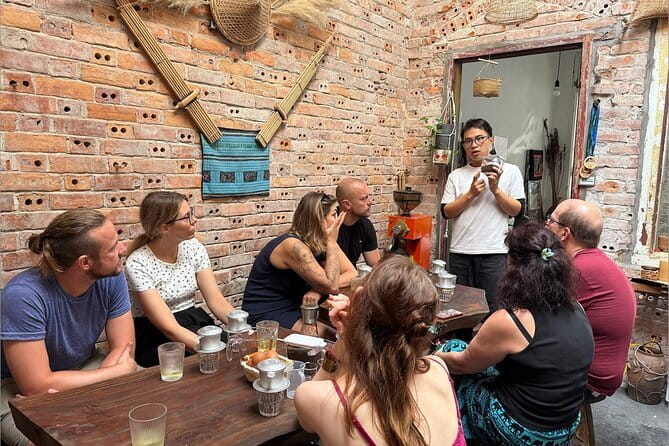
Hanoi’s coffee culture is best understood with a metal phin filter in front of you and a cup slowly dripping beneath it. This two-hour class takes you from strong black coffee to sweet brown coffee, egg coffee, coconut coffee, and the newer salt coffee.
I like the hands-on format and the chance to adjust drinks to your taste. I also like the small group limit of 15, plus the useful coffee recipes you can take home. The main drawback is caffeine overload: four to six drinks in two hours is a lot, especially if you are sensitive to coffee.
The instructors vary by session, with Dat, Devin, Claire, David, and Ashley named as guides for different classes. Each has been praised for clear English, patient teaching, coffee history, and helpful tips about Hanoi.
Key points at a glance
- Six styles in one sitting: You may make black, brown, white, egg, coconut, and salt coffee.
- The phin filter is the star: You learn the simple metal brewing method behind much of Vietnam’s strong coffee.
- Egg coffee is dessert in a cup: A creamy egg mixture softens the bitter edge of robusta coffee.
- Salt coffee is worth trying: Salt, milk foam, and coffee create a surprisingly balanced sweet and savory flavor.
- Recipes are included: You can recreate the drinks for friends and family after returning home.
- A compact Old Quarter activity: The class begins and ends at GẠO CAFE on Chợ Gạo Street.
Why this Hanoi coffee class is more than a tasting
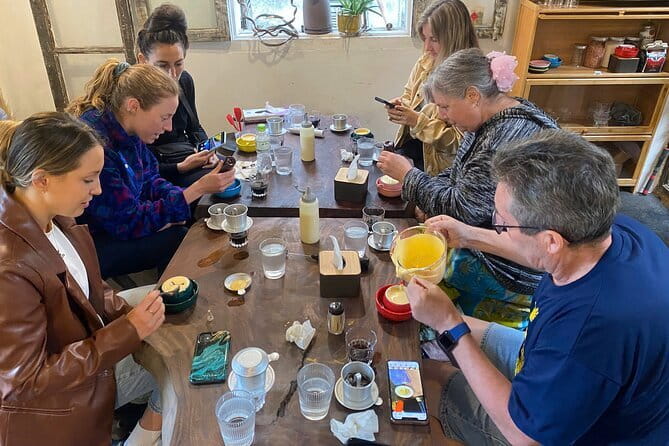
This is not just a stop for a quick cup of coffee. You handle the ingredients, follow the brewing steps, and taste several drinks side by side. That matters because Vietnamese coffee is not one single flavor. It can be dark and bitter, thick and sweet, lightened with coconut, or softened with a creamy egg topping.
The class also gives you a simple way to understand local coffee customs. Vietnamese coffee is often built around robusta beans, which tend to taste stronger and more bitter than the arabica beans many visitors know from Western cafés. Condensed milk, foam, egg, coconut, and even salt are used to shape that bold base into very different drinks.
I like this approach because you do not need to be a serious coffee expert. You can simply compare the styles and decide what suits you. The class works well for couples, friends, families, and curious first-time visitors, though young children may not want to drink every sample.
More Coffee Making Classes in Hanoi
- Hanoi Coffee Workshop: Taste Salt, Coconut and Egg Coffee
★ 5.0 · 1,286 reviews - Hanoi: Salt Coffee Workshop Awake Your Senses With 6 Brews
★ 5.0 · 792 reviews - Hanoi: Vietnamese Coffee Workshop with 6 Brews and 8 Recipes
★ 5.0 · 237 reviews
Meeting at GẠO CAFE in Hanoi’s Old Quarter
Your meeting point is GẠO CAFE, at 10 P. Chợ Gạo in the Hàng Buồm area of Hoàn Kiếm. The activity returns to the same café, so you do not need to arrange a separate ride at the end.
The location is useful if you are already exploring the Old Quarter. It is near public transportation, and the central setting makes the workshop easy to pair with other Hanoi plans. You receive confirmation when booking, and a mobile ticket is provided.
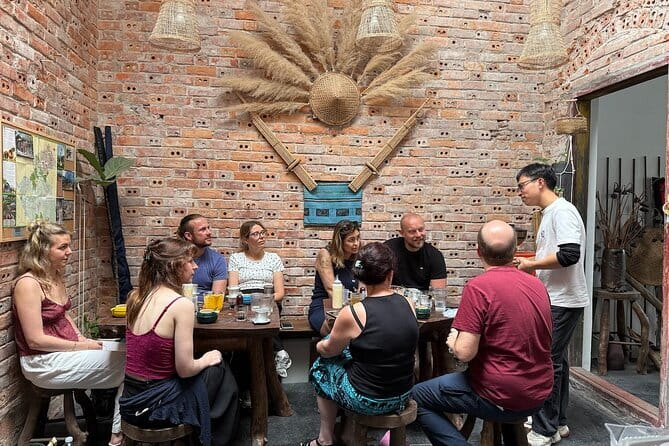
The group can include up to 15 people. That is not a private lesson, but it is small enough for the instructor to watch your technique and help with questions. If you want a quiet one-on-one coffee lesson, this is not the right format. If you enjoy learning alongside other people, the group setting should add energy without becoming unwieldy.
Starting with Vietnamese beans and coffee customs
The class begins with an introduction to Vietnamese coffee beans and their place in local life. You learn the basic difference between robusta and arabica, then see why robusta works so well in strong, sweet drinks.
This background gives the tasting more meaning. A spoonful of condensed milk is not simply a sugary extra. It balances the force of the coffee. Egg foam changes the texture. Coconut adds a softer, tropical note. Salt can reduce the impression of bitterness while bringing out the creamy elements.
The historical context is one of the strongest parts of the teaching. Dat and Devin, in particular, are described as sharing the story behind the drinks and their connection to Vietnam. Ashley is noted for fluent English and organized instruction, while Claire is praised for patient help and taking photos during the session.
Because the instructors can vary, the exact teaching style may differ. The common thread is a practical lesson with background information rather than a formal lecture.
Learning the phin filter step by step
The phin is a small metal filter placed directly over your cup. Coffee grounds sit inside, and hot water passes slowly through them. The result is concentrated coffee with a measured, unhurried pace.
You learn how this method produces the base for several drinks. It is a useful skill to practice because the equipment is simple and easy to recognize in Vietnamese cafés. Once you understand the basic process, the differences between the drinks become clearer.
The class uses the phin for multiple recipes, including black, brown, white, and some of the specialty versions. You get to see how the same strong coffee changes when paired with condensed milk, milk foam, egg, or coconut.
The drawback is that the process takes time. Coffee made with a phin is not instant, and you may spend part of the session waiting for the coffee to drip. That pause is part of the method, but anyone expecting rapid café service should adjust their expectations.
More Coffee Making Classes in Vietnam
- Ha Noi Egg Coffee Class
★ 5.0 · 227 reviews - Hanoi Coffee Workshop: Master 6 Signature Vietnamese Coffee
★ 5.0 · 171 reviews - Hanoi Coffee Class learning 5 famous coffee in Hanoi
★ 5.0 · 161 reviews - Mini Hanoi Coffee Workshop: Pick Any Signature Coffee You Like
★ 5.0 · 160 reviews
Six cups, six different personalities
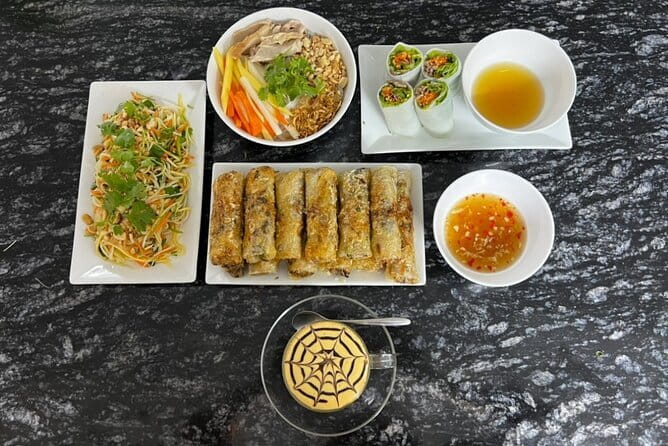
The number of drinks can vary from four to six, so you should check the session details when booking. The full selection includes black, brown, white, egg, coconut, and salt coffee.
Black coffee is the clearest test of the Vietnamese base. It is strong and concentrated, with the bitterness of robusta at the front. If you usually drink mild coffee, take a small taste first.
Brown coffee combines strong black coffee with condensed milk. The milk makes it creamy and sweet, but the coffee remains powerful. This is one of the most familiar Vietnamese café drinks and a good starting point if you like sweet coffee.
White coffee is another condensed milk variation, described here as a balance between robusta bitterness and sweetness. The names can be confusing because Vietnamese café terms do not always match Western coffee menus. The instructor can show you how the preparation and proportions differ.
Egg coffee is the drink many visitors most want to try. The topping has a custard-like texture and turns coffee into something close to a dessert. The creamy foam works especially well against the bitter coffee underneath. If you have only one favorite by the end, this may be it.
Coconut coffee brings a cooler, tropical character to the dark coffee base. The combination of coffee and creamy coconut milk is softer and more refreshing than a plain black cup.
Salt coffee may sound odd, but the mix of sea salt, milk foam, and coffee makes sense after the first sip. The salt does not turn the drink into a savory soup. Used in a small amount, it helps balance sweetness and bitterness. Several class accounts single this style out as a favorite.
Practicing coffee art and personal adjustments
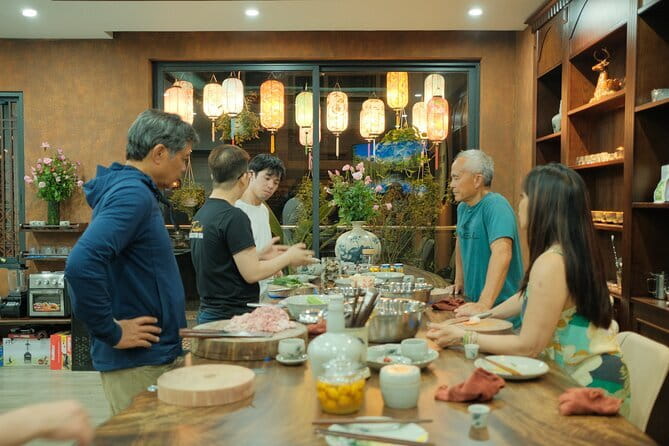
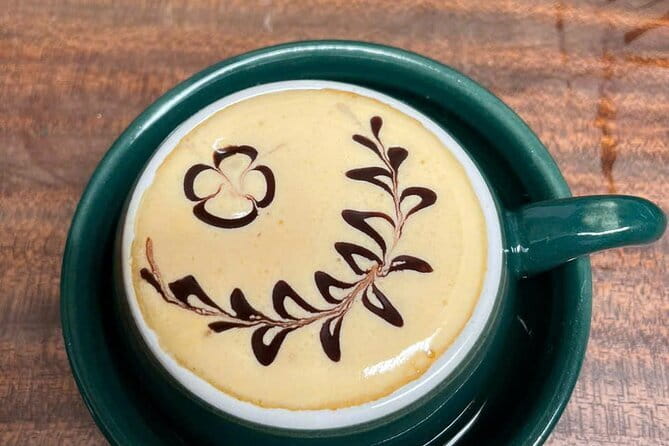
The workshop does not stop at following recipes. You also get a chance to practice simple coffee designs. Do not expect a professional barista certification class, but basic latte art adds a fun visual finish and gives you something to photograph.
The instructor can help you adjust the drinks to your taste. That is useful because the standard versions may be sweeter or stronger than you prefer. You can learn how the balance changes with condensed milk, foam, coconut, or salt.
Claire is specifically noted for helping people make adjustments and for taking photos. That small touch matters if you want a record of the experience without asking a companion to document every step.
At the end, you create a personalized coffee drink. This is the most personal part of the class. Instead of only copying a recipe, you can combine what you learned and decide which flavors suit you.
What the price offers at $17.73
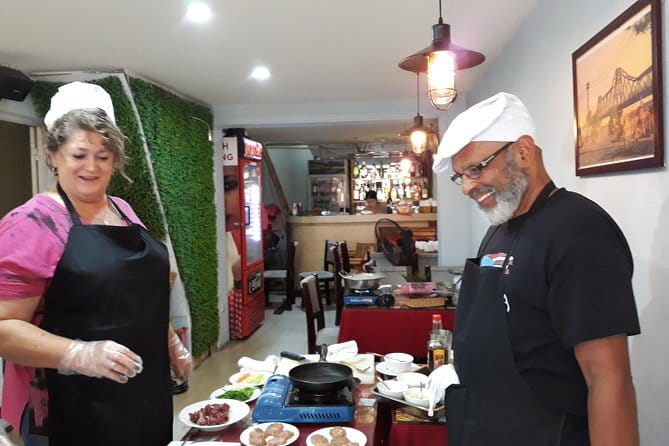
At $17.73 per person, the value comes from the number of tastings and the active instruction. You receive the ingredients, recipes for each coffee style, and an English-speaking guide. You also get a cultural explanation that you would not receive from simply ordering an egg coffee at a café.
The price is especially fair if you plan to buy Vietnamese coffee equipment or beans later. The phin method is easy to forget when explained quickly at a café counter, but practicing it makes the process more memorable.
You should not treat the fee as an all-inclusive food tour. Additional food and drinks are not included, and personal expenses and tips are separate. The workshop centers on coffee, so eat beforehand if you need a full meal.
There is also a practical caffeine question. If you drink every sample, the total can be considerable. Pace yourself, ask about smaller portions if needed, and do not feel obliged to finish every cup. The value is in comparing the styles, not in proving how much coffee you can consume.
Who will enjoy this workshop most
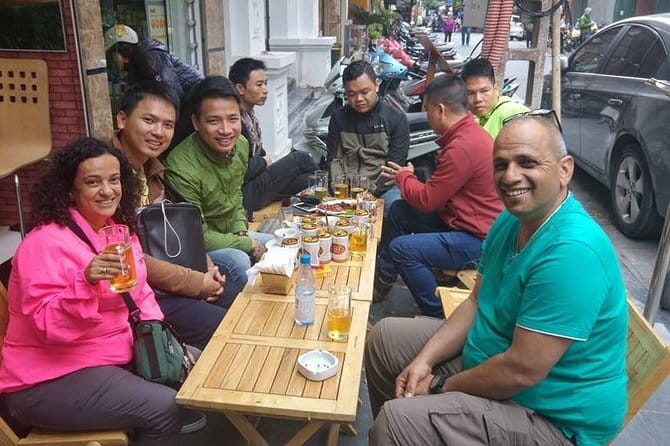
I would choose this class for anyone who likes coffee and wants an activity with a clear local connection. It is also a good rainy-day or midday plan when you want to sit down rather than spend more time walking through Hanoi.
It suits couples and friends because you can compare favorites and make the final drink together. Families can enjoy the hands-on parts, though the coffee itself may not suit young children. The description also presents the activity as family-friendly, with cocoa-style crafting mentioned in the general material, but the detailed class focus is Vietnamese coffee.
You do not need prior brewing experience. The instructions are designed for beginners, and the named guides are repeatedly described as clear, friendly, patient, and approachable.
Coffee purists may find the class broad rather than technical. You taste many styles, but this is not a detailed bean-sourcing seminar or a professional espresso course. Choose it for cultural context, variety, and practical home recipes.
Timing, weather, and cancellation details
The session lasts about two hours. That is enough time to make several drinks without taking over an entire day in Hanoi. One class account specifically describes the timing as just right for making five coffees, though the exact number can vary.
Free cancellation is available if you cancel at least 24 hours before the start time. Cancellations inside that window are not refunded, and changes are not accepted. Cutoff times follow local Hanoi time.
The activity requires good weather. If poor weather causes cancellation, you can receive a different date or a full refund. The class also requires a minimum number of participants. If that minimum is not reached, you can choose another date or activity, or receive a full refund.
Service animals are allowed, and the meeting point is near public transportation. The activity ends where it begins, which keeps the logistics simple.
Should you book the Hanoi coffee workshop?
Book it if you want to understand why Hanoi coffee tastes so different from a standard café drink. The class gives you a useful skill, six possible recipes, several tastings, and a little cultural context for less than the cost of many longer food activities.
I especially recommend it if egg coffee or salt coffee is on your Hanoi wish list. You will learn what goes into the drink instead of simply taking a photo and moving on. The recipes also give the experience value after your trip.
Skip it if you dislike strong coffee, avoid caffeine, or want a quiet private lesson. For everyone else, this is a lively, practical two-hour introduction to Vietnamese coffee, with enough variety to help you find a new favorite.
FAQ
Where does the coffee workshop begin?
It begins at GẠO CAFE, 10 P. Chợ Gạo, Hàng Buồm, Hoàn Kiếm, Hanoi 100000, Vietnam.
Where does the activity end?
The workshop ends back at the meeting point.
How long does the workshop last?
The activity lasts approximately two hours.
How many people can join?
The maximum group size is 15 people.
What coffee styles may I make?
You may make four to six styles, including black, brown, egg, white, coconut, and salt coffee.
Is an English-speaking instructor included?
Yes. An English-speaking instructor is included. Named instructors for different sessions include Dat, Devin, Claire, David, and Ashley.
What is the cancellation policy?
You can cancel at least 24 hours before the start time for a full refund. Cancellations or changes made less than 24 hours before the start time are not accepted for a refund.
Just listed in Hanoi
- Vietnamese Coffee 101 Workshop★ 5.0 · 11 reviews
- Taste of Vietnam’s Coffee Scene – A Guided Experience★ 5.0 · 2 reviews
- Private Hà Nội Coffee History Tour★ 5.0 · 6 reviews
- Private tour: Hanoi city tour-Van Phuc silk village with egg coffee, lunch★ 5.0 · 2 reviews
- 3 Dishes cooking + Egg Coffee bonus & Local Market Tour★ 5.0 · 14 reviews
- hidden gems cafe – learn making coconut and egg coffee★ 5.0 · 2 reviews
- Hanoi Private And All Inclusive Coffee Lovers Tour in Vietnam★ 5.0 · 6 reviews
- Hanoi Coffee Culture Tour: Sip, Taste & Hear Local Stories★ 5.0 · 13 reviews
Coffee Making Classes, compared.
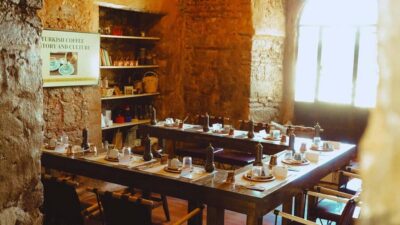
Turkish Coffee Making and Fortune Telling Workshop
Read our review →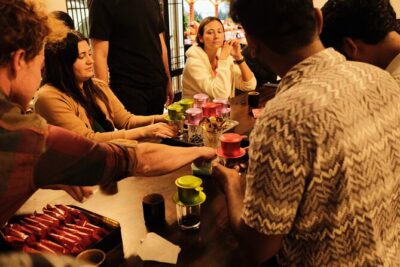
Hanoi Coffee Workshop: Taste Salt, Coconut and Egg Coffee
Read our review →
Salt Coffee Workshop Awake Your Senses With 6 Brews
Read our review →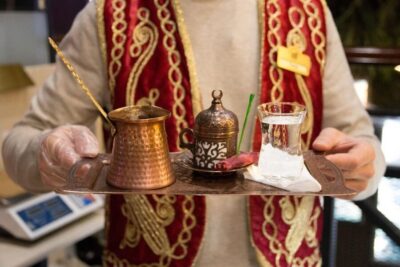

Turkish Coffee Making and Fortune Telling Workshop
Read our review →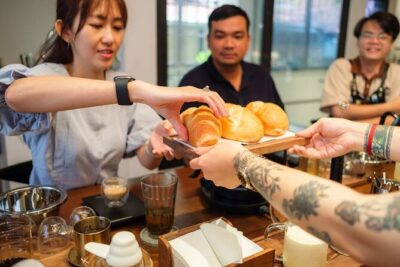
Fun & Easy Vietnamese Coffee Workshop in Hồ Chí Minh City
Read our review →
Irish Coffee Masterclass at the Irish Whiskey Museum
Read our review →Lists this coffee tour turns up in