
REVIEW · ARUSHA
Arusha: Coffee Plantation Tour with Tasting and Hands-On …
Arusha’s coffee story becomes far more interesting when you handle the beans yourself. On this half-day visit, you move from coffee trees to pulping, drying, roasting, and tasting, with local farmers explaining the work at each stage. I like the hands-on processing and the chance to hear directly about farm life and sustainable growing. The tasting also gives you a useful way to notice how roast levels change a coffee’s taste.
The main catch is transport. The $60 price does not include the ride from Arusha to the farm, unless you select a pickup option. I also like the optional hills and waterfalls, but this makes sturdy shoes, sun protection, and enough water especially important.
Key points to know before booking
- Coffee from cherry to cup: You help with several stages of processing instead of only watching a demonstration.
- A proper tasting session: Different roast profiles let you compare the character of Tanzanian coffee side by side.
- Local guides and farmers: Guides including Maximilian, also called Max, and Oliver have been praised for their warmth, clear explanations, and hospitality.
- Clock Tower meeting point: The central Arusha meeting point is easy to reach from many city hotels.
- Optional nature walk: Hills and waterfalls can add scenery and exercise, though the walk may not suit every participant.
- Three and a half hours: This fits neatly into a morning or afternoon, but the timing does not include your journey to and from the farm.
Why this Arusha coffee tour feels different
Many coffee visits stop at the plantation gate, show you a few trees, and pour a cup. This one is built around the full chain of work. You see how coffee starts as a fruit and learn why the final drink depends on careful handling long before roasting.
That matters in Tanzania, where coffee is both an agricultural product and part of rural working life. You are not simply tasting a beverage. You are seeing the labor behind it, from picking ripe cherries to preparing the beans for roasting.
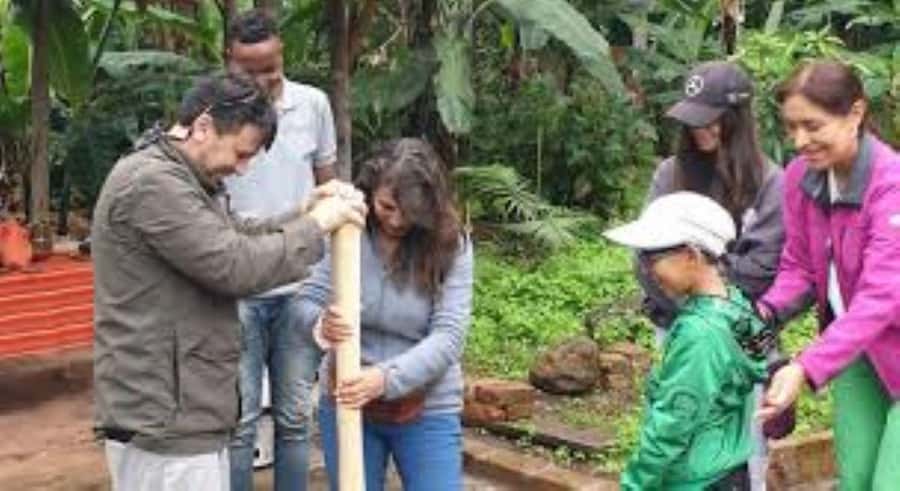
I especially like the balance between explanation and action. Local farmers guide you through the process, giving the tour a more personal feel than a lecture delivered entirely by a city guide. You can ask about cultivation, harvesting, drying, and farming methods as the work is happening in front of you.
The English-language format keeps the tour accessible to many international visitors. The available feedback also points to friendly staff and strong explanations. Maximilian, known as Max, and Oliver are names connected with the experience, and their warm approach has been a major part of its appeal.
More Coffee Farm Tours in Tanzania:
- Arusha or Moshi : Hot Spring, Waterfall & Coffee Farm Tour
★ 4.8 · 80 reviews - From Arusha: Coffee Farm and Mangalia Waterfalls Tour
★ 4.9 · 48 reviews - Materuni Waterfalls & Coffee Farm Tour
★ 5.0 · 2 reviews
Meeting at the Clock Tower in central Arusha
The stated meeting point is the Clock Tower in central Arusha. This is a practical choice if you are staying near the city center, since the landmark is within walking distance of many hotels and has nearby parking for anyone arriving by car.
Look for the guide holding a sign with the tour name near the base of the tower. From there, the guide helps arrange transport to the coffee plantation. The ride itself is not included in the standard $60 rate, so check the available transport option when booking and allow room in your budget for it.
If you choose hotel pickup, it is offered from central Arusha hotels, with the exact instructions supplied after booking. The information provided does not establish pickup coverage for hotels outside central Arusha, so ask before relying on that service.
The Clock Tower meeting point is also useful if you have a free period in town before or after the tour. You do not need to find a remote farm on your own. Still, confirm the starting time in advance, since the tour runs at set times based on availability.
Walking among coffee trees and green fields
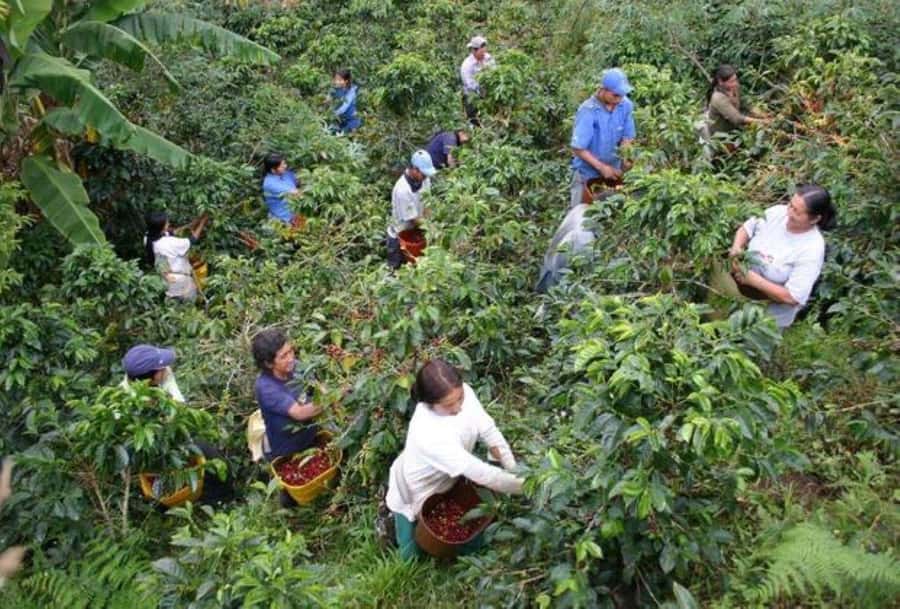
Once you reach the farm, the tour shifts from city movement to a slower walk among coffee trees and cultivated fields. You learn how the plants are grown and harvested, and you get a closer look at the setting where the beans begin their journey.
The walk is not presented as a difficult trek, but it is a farm visit rather than a paved city stroll. Paths may be uneven, and the optional hill section adds more walking. Wear sturdy, comfortable shoes rather than sandals or smooth-soled footwear.
The guide also places coffee in a Tanzanian setting. You hear about farming traditions, the daily life connected with the plantation, and sustainable methods used by local growers. The value here is personal contact. Instead of treating the farm as a backdrop for photographs, the tour gives you time to understand the people and work behind the crop.
Bring a hat, sunscreen, and water. The supplied information specifically recommends all three, and they are sensible choices for walking outdoors in the Arusha region. A camera is welcome, too, particularly if you want photographs of the trees, fields, and wider scenery.
From coffee cherries to dried beans
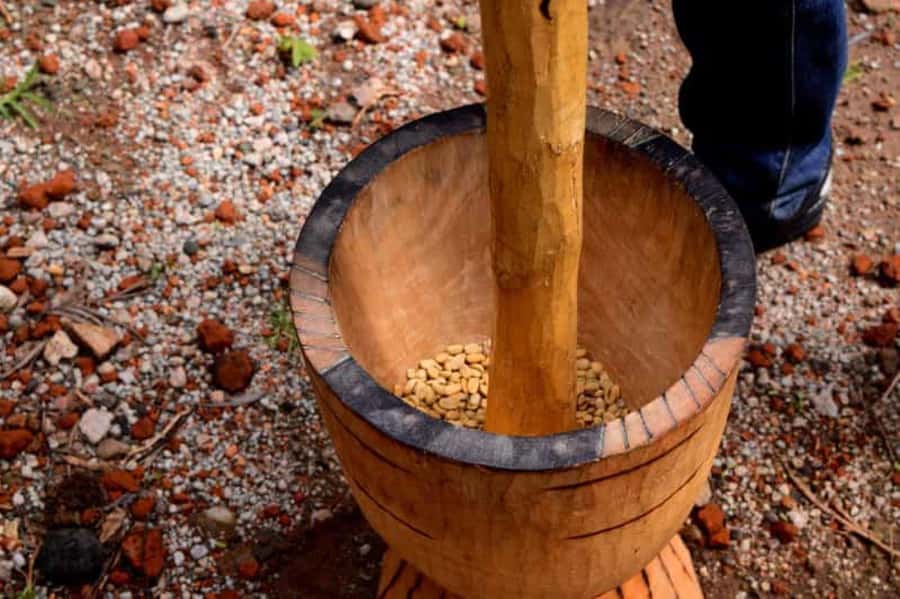
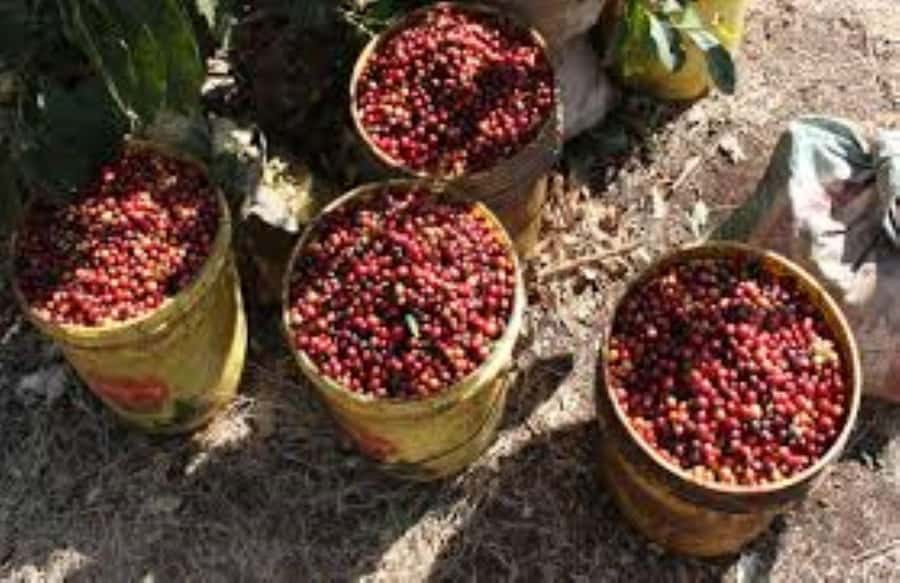
The most useful part of the visit is the chance to follow several processing steps in order. You begin with the coffee cherry, the fruit that surrounds the bean. Local farmers explain picking, including the importance of selecting suitable cherries for processing.
You then see or take part in pulping, which removes the outer fruit. Drying follows, and the guide explains how the beans are prepared before roasting. The exact amount of work you perform can vary, but the experience is designed to let you participate rather than simply observe.
This hands-on approach helps you understand why coffee quality is not created only in the roaster. Picking, pulping, drying, storage, and roasting all affect the final cup. Even a short session can make your next coffee order more interesting because you will have a clearer idea of what happened before the drink reached your table.
Do not expect a professional barista course. The focus is on the farm process and local coffee culture, not on espresso machines, latte art, or advanced brewing technique. That is a strength if you want agricultural context, but a limitation if your main interest is café preparation.
More Coffee Tastings in Tanzania:
- Hanoi Coffee Experience: 6 Brews, 9 Recipes & 3 Liquor Tastings
★ 5.0 · 2,945 reviews - Medellin: Coffee Tour with Transport, Snacks and Tastings
★ 4.7 · 1,357 reviews - Seattle Coffee Tour: Capitol Hill Cafes, Tastings & Local Stories
★ 5.0 · 489 reviews - Buggy Ride Into the jungle with cave coffee & chocolate tasting
★ 5.0 · 465 reviews
Tasting different roast profiles
The tasting session is the natural payoff after the farm walk. You sample freshly brewed coffee and compare different roast profiles, paying attention to aroma, flavor, and the way the coffee feels in your mouth.
The guide introduces the basic art of tasting, so you do not need previous experience. You can focus on simple contrasts: which cup smells stronger, which tastes lighter or fuller, and how roasting changes the bean’s character.
I like that the tasting is connected to the earlier farm work. You are not sampling anonymous coffee in a shop. You have just seen the crop and the processing stages, so the cup has a clearer sense of place and purpose.
Refreshments and snacks are included, which is helpful during a morning or afternoon outing. Still, this should not be treated as a full meal. If you need substantial food, plan that separately around the tour.
The information supplied does not specify how many coffees you taste, the brewing methods, or the exact roast varieties. If those details matter to you, ask before booking. The clear promise is a tasting of different roast profiles, not a fixed specialist coffee curriculum.
Adding the hills and waterfalls
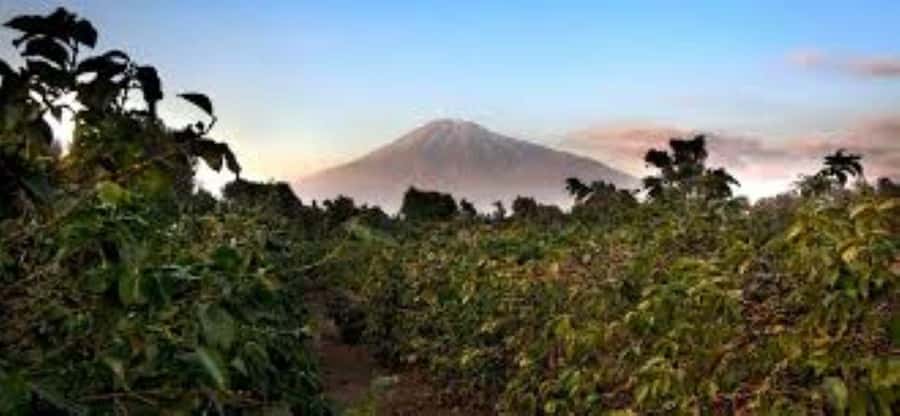
The optional scenic walk into the surrounding hills and waterfalls adds a second theme: local nature. It can turn a coffee visit into a fuller half-day outside the city, with views along the way and a change from farm paths to more open terrain.
I would treat this as an add-on, not the central reason to book. The coffee portion is the dependable core of the outing. The supplied information does not give the hike’s distance, elevation, waterfall conditions, or walking time, so you should ask the guide what is planned on your date.
The walk may suit you if you enjoy light outdoor activity and want more than a plantation visit. It may be less suitable if you have back problems, tire easily, or prefer a fully level route. Wheelchair users are specifically advised against booking, and the activity is not suitable for babies under one year.
Sturdy shoes matter even more if you choose the nature option. Keep your camera protected, carry water, and use sunscreen. If you want a relaxed coffee-focused visit, you can skip the extra walk and spend your time on the plantation and tasting.
What the $60 price includes
At $60 per person, the value depends on how much you want from a small, guided cultural outing. The fee includes a local expert, the plantation visit, hands-on coffee processing, the tasting session, refreshments, and snacks. Those inclusions make the price reasonable for someone who values direct instruction and local contact rather than a quick photo stop.
The price does not include transportation to and from the coffee farm. That is the key cost to watch. If your booking includes an optional pickup or another transport arrangement, confirm the added charge before you commit.
The three and a half hour duration is also useful. You get enough time for a walk, practical demonstrations, and tasting without giving up an entire day. If you are planning a safari, a city tour, or a longer trip from Arusha, this shorter format is easier to fit around other plans.
I would not choose this tour purely as a bargain activity. Its value lies in the combination of a farm visit, participation, local stories, and guided tasting. If you only want a cup of coffee and a plantation photograph, the cost may feel high once transport is added. If you want to understand how Tanzanian coffee is produced, the package has a stronger case.
Free cancellation up to 24 hours before the start and the option to reserve now and pay later add useful flexibility. Check the final booking terms and transport details before setting your plans.
Who will enjoy the farm visit most
This is a good match for coffee drinkers who want to know what happens before roasting. It also suits people curious about Tanzanian customs, small-scale agriculture, and the practical side of rural work.
Nature lovers can add the hills and waterfalls, giving the visit more outdoor appeal. Families with older children may find the hands-on steps engaging, but the activity is not suitable for babies under one year and is not recommended for people with back problems.
The tour is also a strong choice early in a Tanzania itinerary. It gives you an introduction to local farming and offers a manageable half-day in the Arusha area before a safari or other regional activity.
You may want a different outing if you need wheelchair access, dislike walking on farm paths, or expect a polished specialty coffee class. This tour is about beans, farmers, processing, and place. It is not designed as a technical training session for professional coffee preparation.
Practical tips for a smoother visit
Wear clothes you can move in and shoes that can handle dirt, uneven ground, and possibly a hill walk. A hat and sunscreen will make the outdoor portion more comfortable.
Bring water even though refreshments and snacks are included. The supplied details do not promise a full meal or unlimited drinks, so do not arrive expecting lunch.
Keep smoking off the property, since it is not allowed. Carry a camera if you want one, but give your attention to the demonstrations too. The most useful moments come when you watch how the coffee is handled and ask questions.
At the Clock Tower, arrive with enough time to locate the guide and confirm the transport plan. The guide should be holding a sign with the tour name near the tower. If you are being picked up from a central hotel, read the confirmation carefully for the exact meeting instructions.
The tour is listed as three and a half hours, with a general range of three to four hours. The optional nature walk may affect the pace, so tell the guide early if you need to return by a particular time.
Should you book this Arusha coffee tour?
Book it if you want more than a standard city outing and you enjoy learning by doing. The combination of coffee farming, bean processing, tasting, and conversation with local farmers gives you a useful look at a part of Tanzanian life that many visitors miss.
The strongest reasons to go are the hands-on format, the friendly English-speaking guides, and the way the tasting follows the farm work. The feedback connected with Maximilian, Max, and Oliver is especially positive about hospitality and clear explanations, so the human side of the visit appears to be a major asset.
Think twice if transport costs will strain your budget, if you need step-free access, or if you want a full meal and a precise professional tasting format. Ask about the ride, the hike, and the number of coffees included before paying.
For most coffee fans spending time in Arusha, I would book it, especially if you have a free morning or afternoon and want a local experience with real participation. Skip the optional walk if your priority is coffee, or add it if you want a little more time outdoors.
FAQ
Where does the coffee tour begin?
The meeting point is at the Clock Tower in central Arusha. Look for the guide holding a sign with the tour name near the base of the tower.
Is transportation to the coffee farm included?
No. Transportation to and from the coffee farm is not included in the standard activity. Pickup from central Arusha hotels may be available as a selected option, with details provided in the booking confirmation.
How long does the experience last?
The listed duration is three and a half hours. The general guidance gives a range of three to four hours.
What language is the tour conducted in?
The live tour guide speaks English.
What happens during the coffee experience?
You walk through a local plantation, learn about cultivation and harvesting, help with coffee processing, and follow the beans through pulping, drying, and roasting. The experience ends with a tasting of different roast profiles, along with refreshments and snacks.
Can I cancel the booking?
You can cancel up to 24 hours in advance for a full refund. A reserve-now-and-pay-later option is also available.
More Eating and Drinking in Tanzania
- Organic Coffee Tour and Local Food Experience in Arusha
★ 5.0 · 29 reviews - Waterfalls, Coffee, Hotsprings, Food Cuisine, & Serval Wildlife
★ 5.0 · 6 reviews - Vienna for Food Lovers: Cafés, Markets & Austrian Cuisine
★ 5.0 · 1,063 reviews - Hanoi: Vietnamese Street Food Tour with Egg Coffee
★ 4.9 · 315 reviews
Just listed in Tanzania
- Day trip to Materuni waterfall, Coffee tour and Moshi Nightlife★ 5.0 · 6 reviews
- Materuni Waterfalls & Coffee Tour★ 5.0 · 9 reviews
- Materuni waterfall , coffee tour and hotsprings (chemka )★ 5.0 · 14 reviews
- Materuni Waterfalls & Coffee Farm Tour★ 5.0 · 2 reviews
- Discover Nature and Culture of Materuni Waterfall & Coffee Tour★ 5.0 · 6 reviews
- Materuni Waterfalls, Coffee and Village Full Day Tour★ 5.0 · 2 reviews
- Private Tour to Materuni Waterfalls, coffee tour, Kikuletwa Hot Springs & Maasai★ 3.5 · 6 reviews
- Private Materuni Waterfall & Coffee Tour.★ 5.0 · 9 reviews
Coffee Farm Tours, compared.
Award Winning Farm Tour: Coffee, Chocolate and Unique Gifts
Read our review →
La Herradura Coffee Farm: tour in Europe’s only plantation
Read our review →
Medellín Coffee Farm Tour with Trolley and Cable Car Ride
Read our review →
Private Cocora Valley, Salento & Coffee Farm Tour
Read our review →
Liamuiga Natural Farm Tour – St.Kitts’ Coffee Farm
Read our review →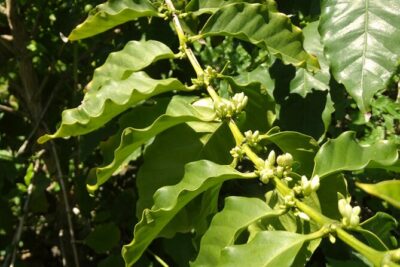
Lists this coffee tour turns up in