
REVIEW · HANOI
Hanoi Coffee Classes
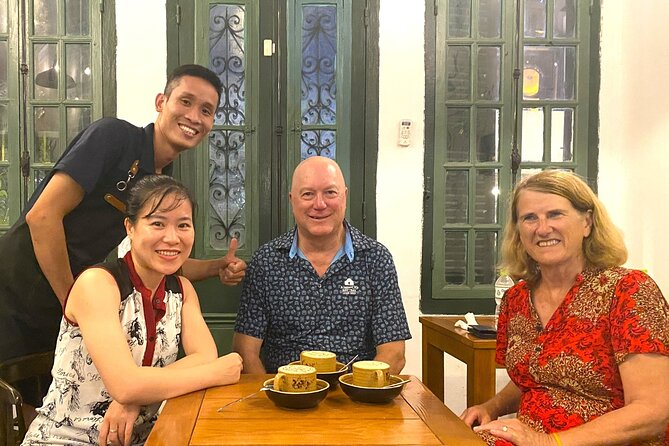
Hanoi’s coffee culture makes more sense once you stop treating coffee as a quick caffeine stop and start looking at how each drink reflects a different part of Vietnam. This small class near Phố Hàng Bè takes you through four styles, from slow phin coffee to Hanoi’s famous egg coffee, then on to salt coffee and a modern cold brew.
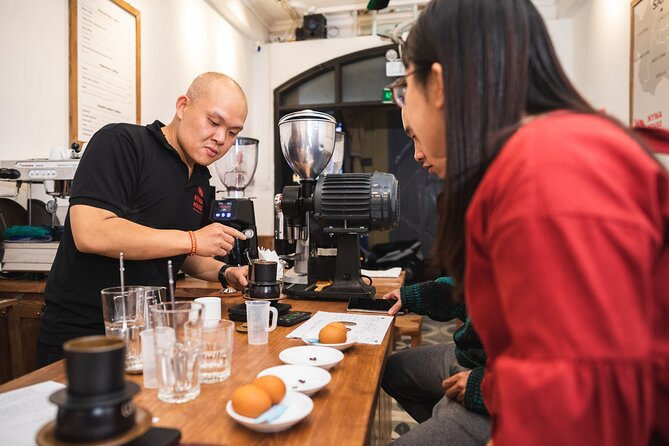
I like the useful tasting built into the lesson: you compare Arabica and Robusta side by side, then make the drinks yourself with an English-speaking barista. I also like the small group cap of eight, bottled water, pickup in Hanoi’s Old Quarter, and every drink included in the $55 price.
The main consideration is that the experience lasts only about two hours, so it offers a focused introduction rather than a full coffee-roasting course. The published details mention roasting and grinding, but the timed itinerary concentrates most clearly on brewing and drink preparation.
Key points to know before booking
- Four coffee styles in two hours: Prepare phin coffee, Hanoi egg coffee, central-style salt coffee, and a creative cold brew.
- Arabica versus Robusta tasting: Compare the two beans through Vietnam’s familiar metal phin filter.
- A lesson in regional coffee culture: Egg coffee represents Hanoi, while salt coffee is linked with central Vietnam.
- Small-group setting: The class accepts a maximum of eight people, which should allow room for questions and hands-on work.
- Convenient Old Quarter pickup: Local transportation pickup is offered within the Old Quarter, while rides outside it cost 490,000 VND per group.
- A playful final tasting: The class includes a chance to try peanut butter coffee, an unusual bonus beyond the four main drinks.
Four Vietnamese coffees, not just one tasting

The strength of this class is its range. You are not simply handed a cup and told that Vietnamese coffee is strong. You make several drinks and see how beans, filters, sweetness, dairy, salt, and temperature change the result.
That matters because Vietnamese coffee is often reduced to one image: dark coffee dripping through a phin over condensed milk. The phin is important, but it is only the starting point here. In two hours, you move from a traditional preparation to drinks tied to Hanoi, central Vietnam, and newer coffee habits.
I would choose this class early in a Hanoi visit if you want a simple way to understand what you are ordering in cafés afterward. It also suits anyone who likes food and drink activities with a practical result. You leave having made the drinks yourself, not just watched a demonstration.
The setting is at or near Phố Hàng Bè in the Old Quarter. Pickup is available within the Old Quarter through local transportation, so you do not need to arrange a separate taxi if you are staying in that area. If you are outside the Old Quarter, pickup and drop-off are not included and cost 490,000 VND per group.
More Coffee Tours in Hanoi:
- Hanoi Coffee Experience: 6 Brews, 9 Recipes & 3 Liquor Tastings
★ 5.0 · 2,945 reviews - Hanoi Coffee Workshop: Taste Salt, Coconut and Egg Coffee
★ 5.0 · 1,286 reviews - Hanoi: Salt Coffee Workshop Awake Your Senses With 6 Brews
★ 5.0 · 792 reviews
Starting with the phin and two very different beans
The first preparation uses the phin filter, the small metal brewer commonly associated with Vietnamese coffee. It is a slow method. Water passes through compacted coffee into the cup below, giving you time to notice the smell and changing strength as the brew develops.
You make coffee with both Arabica and Robusta beans. This comparison is one of the most useful parts of the class because it gives you a clear reference point. Instead of hearing a general explanation about Vietnamese coffee, you taste the beans in the same basic preparation and notice how each one behaves.
Arabica is generally associated with a lighter, more delicate profile, while Robusta is known for a stronger body and a more forceful coffee character. The class lets you draw your own conclusion from the cups in front of you. I appreciate that approach. Coffee preferences are personal, and a tasting works better than being told which bean is supposed to be best.
The phin also gives you a technique to use during the rest of your trip. If you buy Vietnamese coffee equipment later, the lesson should make the process less mysterious. You will have seen how the filter works and how the brewing pace affects the drink.
One practical point: this is a hands-on class, but the published information does not promise a full lesson in professional roasting or advanced grinding. Expect an accessible introduction to the phin and bean differences, not a technical certification course.
Making Hanoi egg coffee from scratch
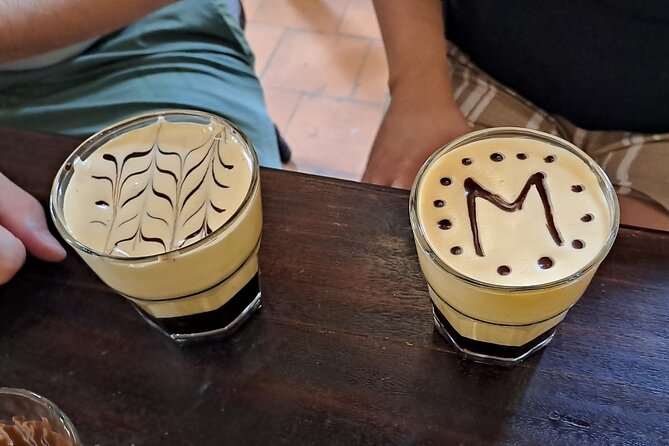
Next comes egg coffee, the drink most closely tied to Hanoi in this class. It is made with a special recipe from Hanoi Coffee Station and is presented as a symbol of northern coffee culture.
For many first-time visitors, egg coffee sounds more like a dessert than a coffee drink. The appeal is the contrast between the coffee below and the creamy egg mixture above. You make it yourself with instruction from the barista, which gives you a better sense of the care behind the smooth topping.
This is also the point where the class moves beyond beans and brewing. Egg coffee is about texture, balance, and presentation. The drink can be sweet and filling, so you should think of it as part coffee, part small dessert.
I like that the lesson places egg coffee in a local setting rather than presenting it as a random novelty. Hanoi has its own coffee habits, and this drink is a good example of how local cooks adapted familiar ingredients into something distinctive.
The practical benefit is clear: after making it here, you will know what to expect when you see egg coffee on café menus around Hanoi. You can also decide if you prefer it as an afternoon treat or find it too rich for a morning cup.
Learning why salt coffee belongs to central Vietnam
The third drink is salt coffee, described here as a representation of central Vietnamese coffee culture. You prepare it under the barista’s guidance, so the salt is not just an ingredient you taste in a finished sample. You get to see how it changes the drink.
Salt may sound strange in coffee, but a small amount can affect bitterness and bring out sweetness. The point is not to make a salty beverage. It is to adjust the balance of the coffee, much as salt can sharpen the flavor of food.
This section adds useful regional context. Hanoi egg coffee and central-style salt coffee are not interchangeable local specialties. By making both in the same class, you can compare how different places developed their own coffee traditions.
I would pay close attention to the barista’s instructions here. Salt coffee is the sort of drink where proportion matters, and a little too much could easily overwhelm the cup. Since the class is limited to eight people, you should have a reasonable chance to ask questions while preparing it.
The experience is not presented as a full tour of central Vietnam, of course. You are getting one drink as a practical example of a wider regional style. That is enough to give meaning to the cup without turning a short coffee class into a lecture.
Still in Hanoi, but a different cup:
- Hanoi: Master the Art of 4-6 Signature Vietnameses Coffees
★ 5.0 · 517 reviews - Hanoi: Vietnamese Street Food Tour with Egg Coffee
★ 4.9 · 315 reviews - Hanoi Cooking Class: Pho/Bun Cha/Banh Xeo…+Free Egg/Salt Coffee
★ 5.0 · 267 reviews - Hanoi: Vietnamese Coffee Workshop with 6 Brews and 8 Recipes
★ 5.0 · 237 reviews
Finishing with a modern cold brew
The final main drink is cold brew with a twist of the mix. It represents the third wave of coffee in Vietnam, the more modern side of the country’s growing café scene.
This is a useful contrast to the phin. The first drink depends on a familiar local filter and a slow pour. Cold brew points toward newer methods, chilled service, and creative combinations. The class lets you see that Vietnamese coffee culture is not fixed in the past.
The wording about a twist suggests that this is not intended as a plain black cold brew. The details of the mix are not specified, so you should expect the barista to explain the version used in class rather than assume a particular flavor or ingredient.
I like having this drink at the end because it gives the class a natural progression. You start with beans and a traditional filter, then move through regional specialties before reaching a contemporary style. It makes the session feel like a short tour through different coffee ideas.
Cold brew may also be the most approachable drink for someone who finds traditional Vietnamese coffee too intense or sweet. You can compare it with the other cups and work out which style suits you for the rest of your stay.
The peanut butter coffee bonus
The extra tasting is peanut butter coffee, described as a unique bonus of the class. It is not one of the four main preparations, so you should view it as an additional experiment rather than a core lesson.
This is the sort of unusual combination that makes a short food activity more memorable. Peanut butter brings a familiar roasted, nutty flavor, but paired with coffee it can feel quite different from the usual condensed-milk drink.
The available details do not say that you prepare this one yourself, so I would expect it primarily as a tasting. If you have a peanut allergy, ask about ingredients before taking part. The information provided does not give an allergy policy or ingredient list.
What the $55 price really covers
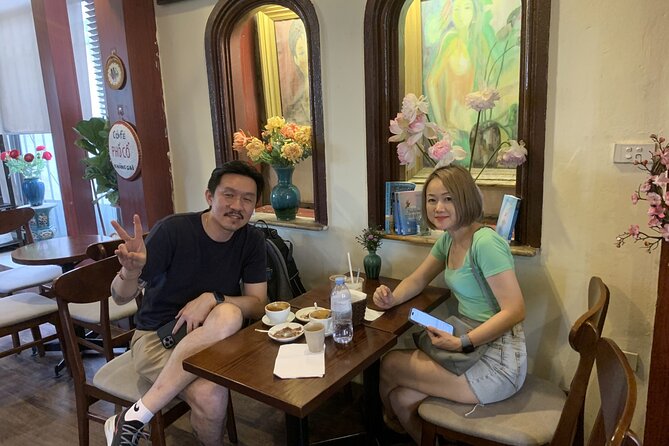
At $55 per person, this is not the cheapest way to drink coffee in Hanoi. Local cafés can serve a cup for a small fraction of that cost. The price makes more sense when you treat the activity as a two-hour lesson, tasting, and Old Quarter pickup service rather than a café visit.
You get an English-speaking barista, bottled water, all drinks prepared during the class, and local transportation pickup in the Old Quarter. You also get several ingredients and techniques in one sitting, including the chance to compare two beans and make four different styles.
The small group limit helps the value. With no more than eight people, this should be more personal than a large demonstration. You are paying for instruction and participation, not just access to a counter.
Still, I would not book it if you only want a quick coffee tasting or if you already know how to use a phin and prepare egg and salt coffee. The value is strongest for first-time visitors, curious coffee drinkers, and people who want a structured cultural activity.
Pickup outside the Old Quarter costs 490,000 VND per group, so factor that in if your hotel is elsewhere. The price also excludes anything not specifically listed. That is standard, but it means you should not assume extra transport, food, or purchases are included.
Timing, group size, and who will enjoy it
The class takes about two hours. That is long enough for four drinks without taking over your day, and it fits neatly between sightseeing plans in the Old Quarter.
I would schedule it for a morning or afternoon when you can take your time afterward. Four coffee preparations may be more caffeine than you expect, especially if you drink every cup. The class details do not promise decaffeinated options or partial servings, so keep your own caffeine tolerance in mind.
Children can participate if accompanied by an adult. The activity is near public transportation, and pickup is offered in the Old Quarter. Most people can take part, though the supplied information does not provide a detailed accessibility description.
The group cap of eight is worth noting. It is small enough to make a hands-on format practical, but it is not a private class. If you need a completely private lesson, you would need to ask the provider about that directly.
This class suits you best if you:
- Want a compact introduction to Vietnamese coffee culture
- Like making food and drinks rather than only sampling them
- Are curious about the difference between Arabica and Robusta
- Plan to spend time in Hanoi’s Old Quarter
- Enjoy unusual combinations such as egg coffee and peanut butter coffee
- Prefer a small group to a large food tour
It may not suit you if you dislike strong coffee, sweet drinks, or dairy-based preparations. It is also not the right choice if your main goal is a detailed professional lesson in roasting, extraction science, or café management.
A few practical points before you go
Confirmation is received at booking, and the experience uses a mobile ticket. Keep the booking available on your phone, particularly if you are meeting for Old Quarter pickup.
Free cancellation is available up to 24 hours before the local start time. If you cancel less than 24 hours ahead, you will not receive a refund, and changes inside that window are not accepted.
The provider is Hanoi Local Food Tours. The class is described as led by an English-speaking barista, but no instructor name is supplied for this coffee experience. That is worth knowing if you are hoping to request a particular teacher.
The existing provider information also includes praise for a guide named Tom on a separate local food outing, including his relaxed humor and ability to show less obvious parts of Hanoi. That does not identify Tom as the coffee-class instructor, so I would not book this experience expecting him specifically.
Should you book this Hanoi coffee class?
Book it if you want more than a café stop and like the idea of learning through tasting. The strongest parts are the Arabica and Robusta comparison, the four distinct drink styles, the regional link between egg coffee and salt coffee, and the small group size.
At $55, it is best viewed as a compact cultural workshop with drinks and Old Quarter pickup included. It is not a bargain coffee crawl, and it does not promise an advanced roasting course. For a first visit to Hanoi, though, it gives you practical context you can use every time you order coffee afterward.
FAQ
Where does the coffee class take place?
The class takes place at Phố Hàng Bè in Hanoi.
How long does the experience last?
The class lasts approximately two hours.
How much does the class cost?
The listed price is $55 per person.
What coffee drinks will I make?
You will make phin-filtered coffee, Hanoi egg coffee, central-style salt coffee, and cold brew with a twist of the mix.
Will I taste different coffee beans?
Yes. You will use both Arabica and Robusta beans with a Vietnamese phin filter and taste the difference between them.
Is pickup included?
Pickup is included within Hanoi’s Old Quarter using local transportation. Pickup and drop-off outside the Old Quarter cost 490,000 VND per group.
How many people can join?
The class has a maximum of eight participants.
Can I cancel for a full refund?
Yes. You can cancel at least 24 hours before the local start time for a full refund. Cancellations or changes made less than 24 hours before the start time are not accepted for a refund.
Just listed in Hanoi
- Half Day Tour Van Phuc Silk Village and Train Street Coffee★ 5.0 · 3 reviews
- Private Hanoi City Tour with Transfer, Lunch and Egg Coffee★ 4.5 · 5 reviews
- NYNA Coffee Culture- Egg Coffee/Salted Coffee/Coconut Coffee★ 5.0 · 4 reviews
- Hanoi Coffee Workshop: Crafting Your Perfect Brew★ 5.0 · 9 reviews
- Hanoi Artisan Coffee Making Class with Train Street★ 4.9 · 9 reviews
- Hanoi Street Food, Coffee Tastings, Alleys Walking Tour★ 5.0 · 3 reviews
- Hanoi: City, Food, Egg Coffee & Village Combo tour★ 5.0 · 2 reviews
- Hanoi: Hanoi Egg Coffee Class learning 5 coffees and stories★ 5.0 · 4 reviews
Hanoi Coffee Tours, compared.
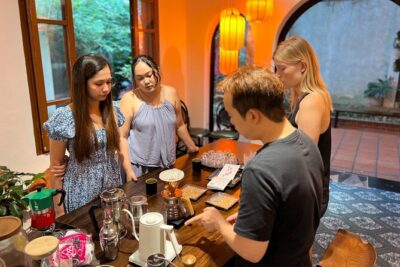
Hanoi Coffee Experience: 6 Brews, 9 Recipes & 3 Liquor Tastings
Read our review →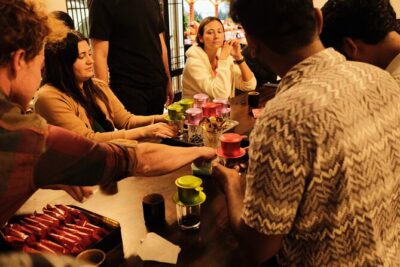
Hanoi Coffee Workshop: Taste Salt, Coconut and Egg Coffee
Read our review →
Salt Coffee Workshop Awake Your Senses With 6 Brews
Read our review →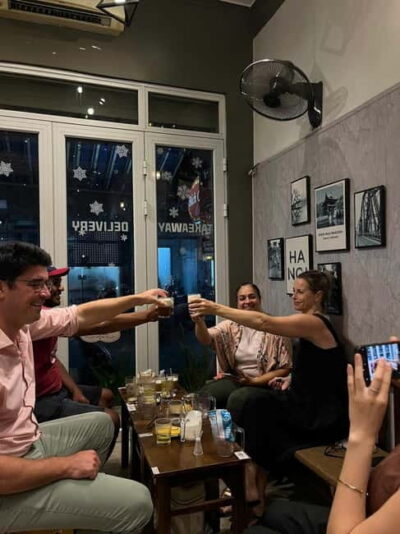
Master the Art of 4-6 Signature Vietnameses Coffees
Read our review →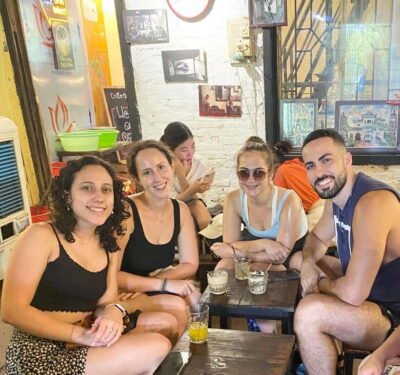
Hanoi Cooking Class: Pho/Bun Cha/Banh Xeo…+Free Egg/Salt Coffee
Read our review →
Vietnamese Coffee Workshop with 6 Brews and 8 Recipes
Read our review →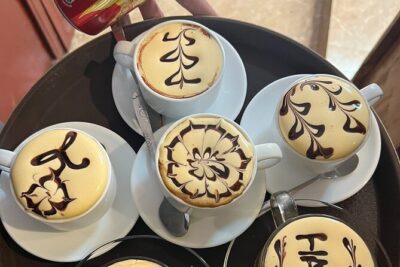
Lists this coffee tour turns up in