REVIEW · ARUSHA
Marangu waterfall & Coffee making Cultural Tour | BURIGI CHATO SAFARIS CO LTD
Marangu gives you more than a waterfall. At the lower slopes of Kilimanjaro, you move through coffee-growing country, Chagga villages, underground caves, and forest paths in one long day. The best part is the mix of hands-on stops: you can roast and prepare your own coffee, then cool off in a waterfall pool.
I like the strong cultural focus, especially the Chagga caves and live museum. I also like that lunch is included, with a chance to try local food and banana beer rather than stopping for a standard tourist meal. At $150 per person, though, this is not a cheap outing, and the eight-hour schedule may feel full if you prefer slow, unhurried visits.
Key points to know before booking
- Coffee is hands-on: You learn how beans are grown, harvested, processed, roasted, and prepared, then make a fresh cup yourself.
- The waterfall includes a hike: The route passes through lush greenery, and you may swim in the pool, though the water can be cold.
- Chagga culture shapes the day: The caves and outdoor museum explain local traditions, daily life, and the history of conflict around Kilimanjaro.
- Lunch is part of the experience: A traditional hot meal is included, along with the chance to taste local drinks such as banana beer.
- Kilimanjaro views depend on conditions: The route offers photo opportunities at Marangu Gate and later views toward the mountain, but clear visibility is never guaranteed.
- Plan for a full day: Departure is at 8:00 a.m., the activity lasts about eight hours, and you return to the meeting point in Arusha.
Why Marangu makes a good day away from Arusha
Marangu sits on the lower slopes of Kilimanjaro and is closely linked with the Chagga people. It is also associated with the Marangu Route, one of the main approaches used for Kilimanjaro climbs. You do not need to be climbing the mountain to appreciate the setting.
This tour works well because it connects ordinary village life with the mountain environment. Coffee grows in the area, water runs through the forest, and Chagga traditions are presented through food, buildings, stories, and historic sites. You get a sense of how the region functions instead of seeing only a scenic viewpoint.
The day begins at 8:00 a.m. from the meeting point in Arusha. Hotel pickup can be arranged on request, but the supplied details do not say that every hotel pickup is automatic. Confirm this before booking, especially if you are staying outside central Arusha.
The advertised maximum is 200 people. That is a very large possible capacity, though the experience may operate with fewer people on a given day. If group size matters to you, ask the operator about the expected number for your date. A smaller group usually makes the cave visit, coffee preparation, and family-style meal easier to follow.
More Coffee and Waterfall Trips in Arusha
- Materuni Waterfalls, coffee tour & Kikuletwa Hot Springs
★ 5.0 · 643 reviews - Materuni waterfalls coffee tour & Chemka hot springs Day trip
★ 5.0 · 131 reviews - Maasai village visit, Materuni waterfalls & coffee experience
★ 4.5 · 95 reviews
Marangu Gate and the first Kilimanjaro views
The first part of the day takes you toward Marangu Gate, at about 1,900 meters. This is the starting point for Kilimanjaro treks using the Marangu Route, so the gate gives you a useful connection to the mountain’s climbing culture.
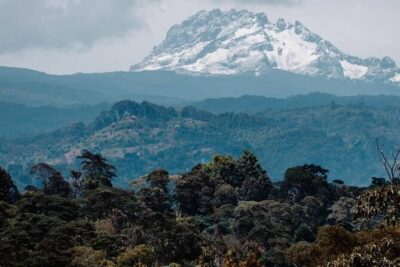
You have time for photographs and for taking in the setting around the lower slopes. On a clear day, you may see Kilimanjaro, but mountain views are controlled by cloud and weather. Treat the photo stop as an opportunity rather than a promise of a perfect summit view.
The altitude here is far lower than the summit, but the day still includes walking and a waterfall hike. Comfortable shoes matter more than fancy gear. The ground can be uneven, and the route through greenery may become slippery near water.
This opening stop also helps put the Chagga story in place. The community has long lived and farmed around Kilimanjaro, and the rest of the day explains how people used the land, protected themselves, and built a life around crops and water.
Coffee from plant to cup
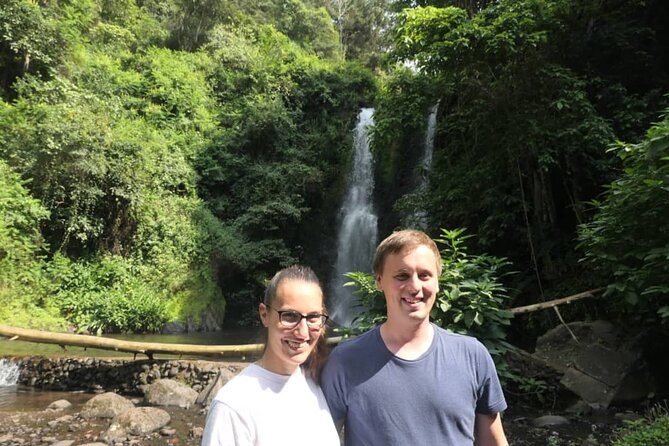
The coffee farm visit is one of the strongest parts of the tour because you are not only shown a finished product. You learn how coffee is grown, harvested, and processed locally, then get to take part in the work yourself.
The exact farm setup is not described in detail, so expect a small local operation rather than a large commercial plantation. That is part of the appeal. The focus is on seeing the steps and meeting the people connected with production, not on buying your way through a polished tasting room.
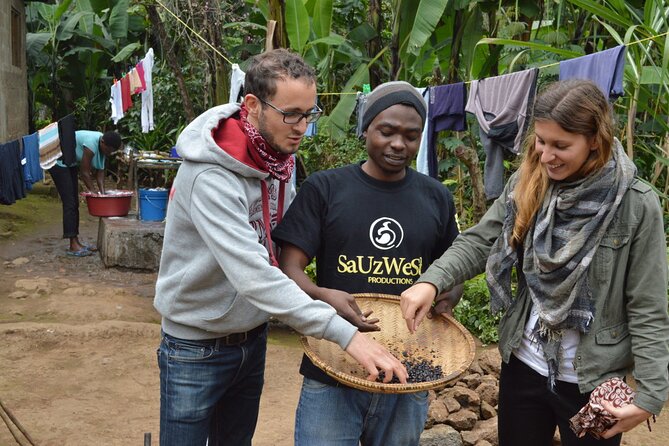
You can help process and roast the beans before preparing a fresh cup. If you normally drink coffee without thinking about its origin, this stop gives you a better sense of the labor between the plant and your breakfast mug.
The coffee stop also breaks up the walking. You can sit, taste, ask questions, and watch the process before heading toward the waterfall. If you do not drink coffee, the cultural and farming side may still interest you, but this part clearly favors coffee lovers.
One useful detail from the accounts of the day is the attention paid to local plants. A guide may explain how different plants grow in the area and how some are used to mark boundaries between plots. Do not expect a formal botany lesson, but keep an eye on the vegetation as you walk. The farming environment is part of the story.
Hiking to Ndoro Waterfalls
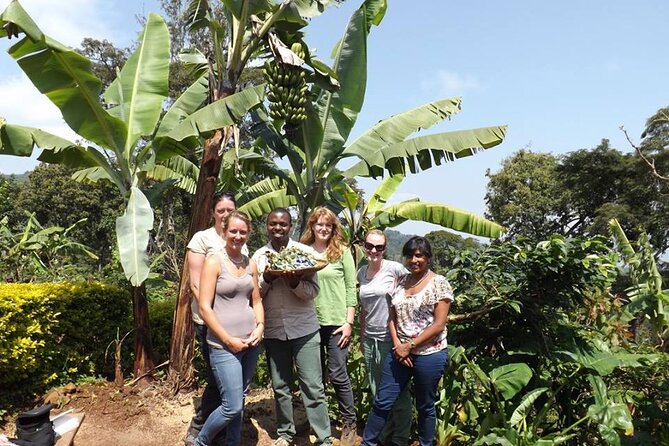
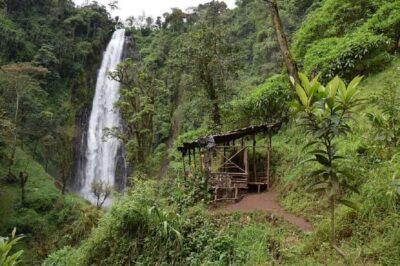
After the coffee stop, the route continues toward Ndoro Waterfalls. The tour information also uses the name Marangu Falls, so it is sensible to confirm the exact waterfall name and route when you book. Either way, this is the day’s main nature stop.
The walk passes through lush greenery and takes about part of the four-hour first section of the itinerary, which also includes the gate and coffee visit. The exact walking time is not specified, so you should not plan a tight evening commitment after the tour.
The waterfall is more than a quick roadside photo. You hike to reach it, and the setting gives you a chance to see the water moving through the forest. Several accounts of the outing describe the walk and views from higher ground as especially rewarding, with sightlines toward the village and Moshi area.
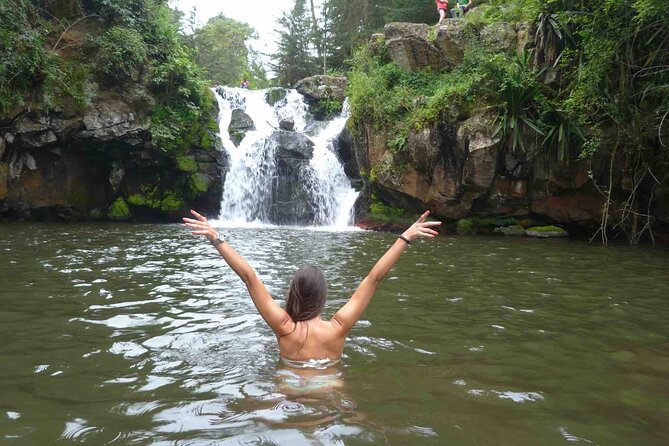
A pool at the waterfall is available for swimming. The water is considered safe for swimming, but it can be very cold. Bring a swimsuit and a small towel if you want to get in, and do not feel obliged to swim if the temperature or footing is uncomfortable.
Use care around the waterfall edges. The route may allow you to reach higher points, but the drop is hazardous. Stay with the guide, keep away from wet rock and exposed edges, and follow local instructions. This is a place for a refreshing dip, not for climbing around to create a dramatic photograph.
The waterfall stop is best for people who enjoy active sightseeing. You do not need to be a serious hiker, since most travelers can participate, but you should be comfortable walking on a natural trail. The supplied information does not give a distance, trail grade, or detailed accessibility notes, so ask before booking if mobility is a concern.
More Coffee and Waterfall Trips in Tanzania
- Materuni Waterfalls & Coffee Tour from Moshi
★ 5.0 · 92 reviews - Arusha: Materuni Waterfalls, Coffee, and Hotsprings Tour
★ 4.8 · 78 reviews - Materuni Waterfalls, Visiting Chagga Village, CoffeeTour Kikuletwa Hotsprings
★ 5.0 · 63 reviews - Materuni waterfalls,coffee tour & Kikuletwa(Chemka)Hot Springs
★ 5.0 · 49 reviews
Chagga underground caves and the story behind them
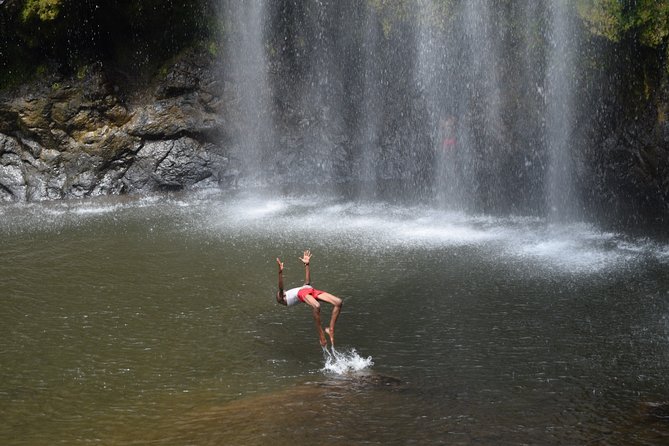
The Chagga Underground Caves offer the most serious historical part of the day. They were built as a defense during periods of conflict involving Maasai attacks, when people sought shelter from killing and enslavement. The caves are connected to drought, migration, food, water, and the struggle to protect families.
Your guide explains this past while you walk through the underground spaces. The value of the stop depends heavily on the guide’s storytelling. This is not simply a dark tunnel to photograph. It is a place where the physical setting helps you understand why people made difficult choices and how the Chagga defended their communities.
The subject matter is difficult, and the history should be treated with respect. The cave visit is brief enough to fit into a varied day, but it adds weight to an outing that could otherwise be only coffee and scenery.
If you dislike enclosed spaces, ask how long you will be underground before entering. The supplied details do not describe the cave’s length, lighting, or interior conditions. A good guide should explain the route clearly and help you decide how comfortable you feel.
Chagga Live Museum and everyday life
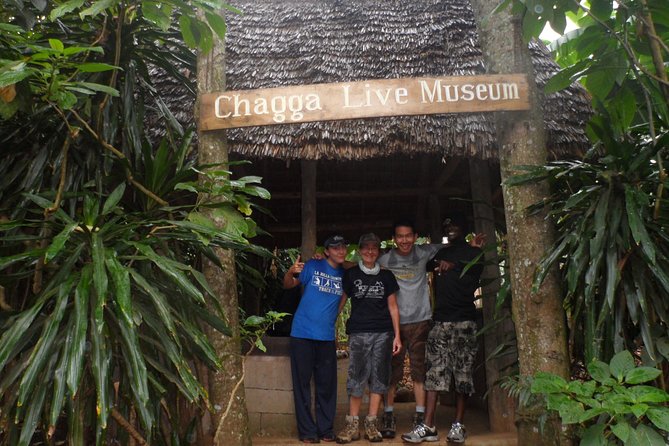
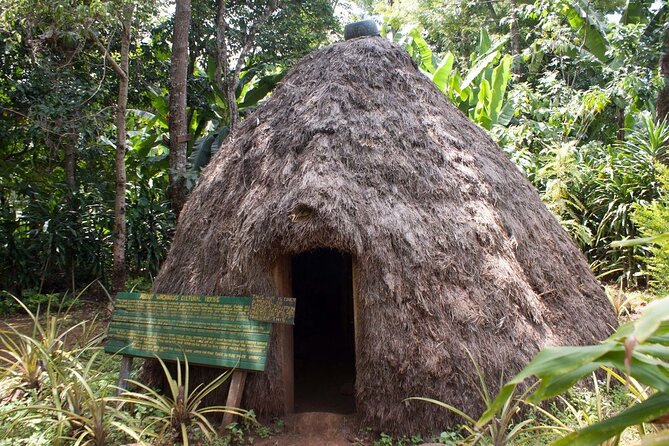
The Chagga Live Museum is a small outdoor museum showing traditional Chagga life. It gives you another way to understand the community after hearing about the caves and the area’s past.
Expect a more direct look at homes, roofs, household customs, and traditional ways of living. Some accounts of the day describe visits to houses with straw roofing and introductions to local people. The exact interaction can vary, but the idea is to connect the objects and buildings with real daily routines.
This stop matters because culture is easier to understand when you see how people lived, cooked, stored food, and organized a household. It also keeps the tour from presenting Chagga life only through conflict. You get a broader picture of food, work, farming, architecture, and community.
The museum is small, so do not expect a large collection or a long formal exhibition. Its strength is the outdoor setting and the guide’s explanation. If you ask questions, you are likely to get more from the stop than if you simply walk through and take photographs.
Lunch, local food, and banana beer
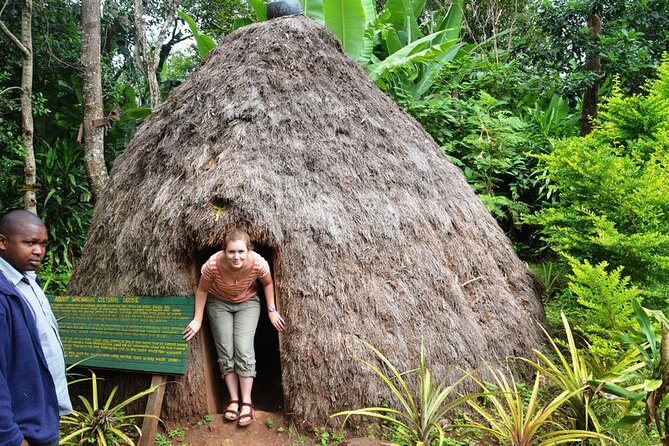
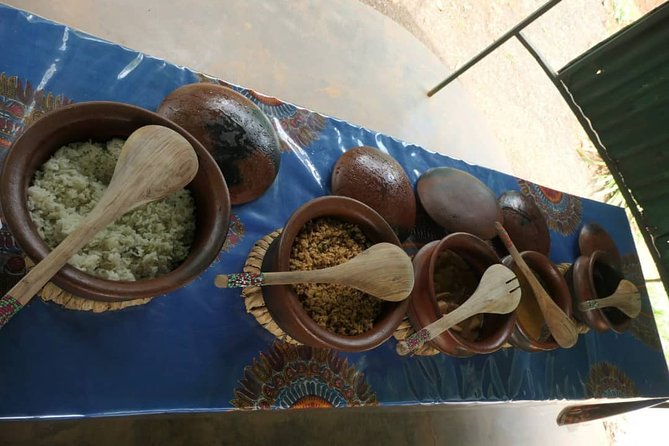
Lunch is included, and it is more than a practical refueling stop. The tour includes a traditional hot meal, with a culinary taste of Chagga food. Some arrangements may take you to a small restaurant, while others may include a meal with a local family. The details provided do not guarantee one exact setting, so confirm what is planned for your departure.
A family meal can feel more personal than eating at a generic roadside restaurant, but it may also be less predictable in timing and menu. Go with an open mind and tell the operator about dietary needs before the day begins. The supplied information does not list vegetarian, vegan, allergy, or religious-diet options.
Local spirits, including banana beer, are part of the cultural introduction. You can sample them if you wish. You do not need to drink alcohol to take part in the meal or the cultural side of the visit, but you should tell the guide if you prefer nonalcoholic drinks.
Lunch is one reason the $150 price can make sense for the right person. The fee includes the meal, entrance fees and taxes, crew wages, and a first-aid kit. You are paying for a full day of transport, guiding, several stops, and local food, not just access to a waterfall.
Still, value depends on your priorities. If you mainly want a waterfall and a short walk, $150 is a lot. If you want coffee production, Chagga culture, caves, museum visits, food, and nature in one day, the package is easier to justify.
What is included and what costs extra
The listed inclusions are:
- Lunch
- All fees and taxes
- Crew wages
- First-aid kit
Flights, tips, visas, additional park fees, and hotel costs are not included. The wording about hotel costs likely means accommodation is outside the tour price, not that your hotel pickup is always included. Ask the operator to spell out transport and pickup charges before paying.
Tipping is also separate. The details do not set an amount, so tip according to the quality of the guiding and service and carry suitable cash if you want to thank the crew.
The activity ends back at the meeting point in Arusha. Since the tour begins at 8:00 a.m. and lasts around eight hours, you should have most of the evening available, but traffic and the exact time spent at each stop can affect the return.
Who will enjoy this day most
I would choose this tour if you want a cultural day around Kilimanjaro rather than another standard city excursion. It suits people who enjoy local food, guided history, short hikes, coffee, and conversations about how communities live.
It is also a good match for anyone staying in the Arusha or Moshi area before or after a safari or mountain trek. The tour offers a useful introduction to the lower slopes without requiring a multiday climb.
Families and mixed-interest groups may find the variety helpful. One person can focus on coffee, another on the waterfall, and another on the caves and Chagga history. Most people can participate, but the walk, wet ground, cave setting, and cold swimming pool deserve consideration.
I would hesitate if your priority is luxury transport, a quiet private schedule, or a highly detailed naturalist hike. The possible group size is large, and the eight-hour plan covers a lot. You should also confirm the waterfall name, pickup arrangement, group size, and lunch setting before booking.
Booking details and cancellation
Confirmation is provided at booking, and the tour accepts a mobile ticket. It is near public transportation, though the activity begins from Arusha and pickup is available on request.
Free cancellation is allowed up to 24 hours before the local start time for a full refund. Cancellations or changes made within 24 hours are not refunded or accepted. That rule matters because weather can affect waterfall conditions and mountain views, so check the forecast before the final cancellation window closes.
The experience is listed under Tanzania Serengeti Safaris, while the tour title names Burigi Chato Safaris Co Ltd. Confirm the operating company and contact details in your booking confirmation so you know who will arrange the vehicle and pickup.
Should you book the Marangu waterfall and coffee tour?
Book it if you want one packed day that combines coffee, Chagga culture, caves, food, and a waterfall. The strongest parts are the hands-on coffee work, the cave history, and the chance to eat local food rather than simply pose at a viewpoint.
Think twice if you want a short, easy excursion or if $150 feels high for a day outside Arusha. The schedule is full, the group size may be large, and the waterfall walk is not described in enough detail to judge its exact difficulty.
Before booking, ask about your pickup, expected group size, lunch location, exact waterfall, and walking conditions. With those points clear, this is a useful choice for seeing the human side of Kilimanjaro, not just the mountain in the distance.
FAQ
Where does the tour start?
The tour starts in Arusha, Tanzania, at 8:00 a.m.
Does the tour provide hotel pickup?
Hotel pickup is available on request. Confirm the arrangement with the operator before booking.
How long does the tour last?
The activity lasts approximately eight hours and ends back at the meeting point.
What is included in the price?
Lunch, all listed fees and taxes, crew wages, and a first-aid kit are included.
Is swimming available at the waterfall?
Yes. You may swim in the waterfall pool, though the water can be cold.
Is lunch included?
Yes. A traditional hot meal is included, with a chance to taste local food and drinks such as banana beer.
Are flights, visas, and tips included?
No. Flights, tips, visas, additional park fees, and hotel costs are not included.
How many people can join the tour?
The listed maximum is 200 people.
What is the cancellation policy?
You can cancel at least 24 hours before the start time for a full refund. Cancellations or changes made within 24 hours are not accepted and are not refunded.
More History Walks in Arusha
- Kona Shore Excursion: Sea Turtles, Historic Kona & Coffee
★ 4.5 · 324 reviews - Kona Tour: Bee Farm, Kona Coffee, and National Historical Parks
★ 4.5 · 78 reviews - Coffee, History, and Architecture of the French Quarter
★ 4.9 · 71 reviews - Small-Group Historic Coffee Tour in Edinburgh
★ 5.0 · 64 reviews
More Coffee Making Classes in Arusha
- Materuni Waterfalls & Coffee making Cultural Tour | BURIGI CHATO SAFARIS LTD
★ 5.0 · 15 reviews - Istanbul: Turkish Coffee Making and Fortune Telling Workshop
★ 4.9 · 1,308 reviews - Hanoi Coffee Workshop: Taste Salt, Coconut and Egg Coffee
★ 5.0 · 1,286 reviews - Hanoi: Salt Coffee Workshop Awake Your Senses With 6 Brews
★ 5.0 · 792 reviews
Just listed in Arusha
- Waterfall & Coffee Walking Tour★ 5.0 · 6 reviews
- Materuni (Coffee Tour) and Chemka (Kikuletwa Tour)★ 5.0 · 8 reviews
- Private Tour to Marangu Waterfalls, Chagga Caves, Coffee tour & Hot Springs★ 5.0 · 7 reviews
- Private Tour to Materuni waterfalls, coffee tour & Kikuletwa hot- springs★ 5.0 · 14 reviews
- Coffee walk with stay in the village★ 5.0 · 5 reviews
- Materuni Waterfall Hike & Coffee Tour★ 5.0 · 4 reviews
- Waterfalls, Coffee, Hotsprings, Food Cuisine, & Serval Wildlife★ 5.0 · 6 reviews
- Coffee walk day trip★ 5.0 · 10 reviews
Coffee and Waterfall Trips, compared.
Materuni Waterfalls, coffee tour & Kikuletwa Hot Springs
Read our review →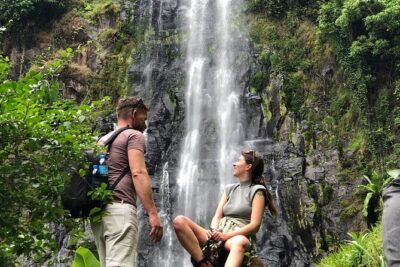
Materuni waterfalls coffee tour & Chemka hot springs Day trip
Read our review →
Materuni Waterfall, Coffee Tour and Picnic Hot Lunch
Read our review →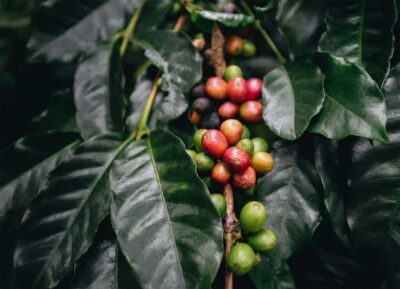
Santa Marta: Minca Coffee, Cocoa, & Waterfall Full-Day Trip
Read our review →
Maasai village visit, Materuni waterfalls & coffee experience
Read our review →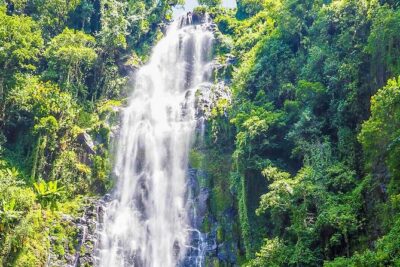
Arusha or Moshi : Hot Spring, Waterfall & Coffee Farm Tour
Read our review →