
REVIEW · ARUSHA
Coffee walk with stay in the village
This is a coffee tour with a difference: you do not simply visit a plantation, take a few pictures, and leave. You spend two nights on a working coffee farm, walk through the village, and follow the beans from tree to roaster. Guide Samwel is especially good with local plants, customs, and coffee production.
I like the fair-trade purpose and the slow pace. The farm is organic, and the organizers say farmers receive three times the usual payment for their coffee. I also like that meals and lodging are part of the experience, not an afterthought. The main drawback is that this is not a quick excursion. The village stay and walking require three days, and the guesthouse is simple rather than a polished hotel.
Key points
- Sleep on a coffee farm: Two nights at a village guesthouse put you close to the people and work behind Tanzanian coffee.
- Follow coffee from seed to cup: See organic growing, traditional methods, processing, and roasting in one connected experience.
- Walk through Nkoaranga Village: The route passes a hospital, primary and secondary schools, an orphanage, and an old mountain church.
- Meet guide Samwel: He leads the coffee walk and explains local plants, culture, and traditions.
- Eat village-style meals: Expect homemade breakfast and dinner, plus a generous Tanzanian lunch with chapati, ugali, goat, spinach, rice, fruit, and more.
- Private and flexible: Only your group participates, with pickup from Arusha and airport pickup available.
Why this coffee stay feels different
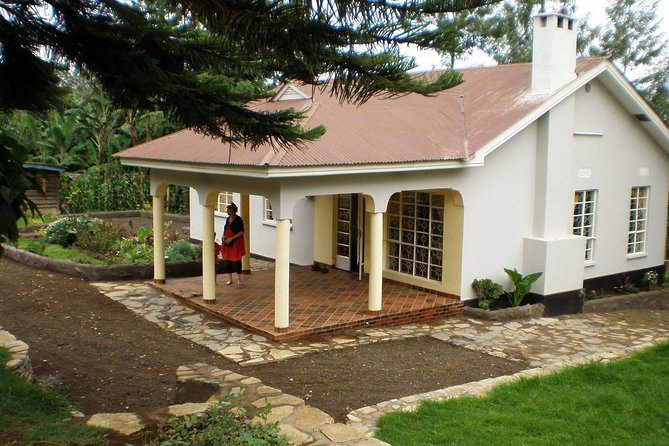
Most coffee tours give you a farm visit, a tasting, and a ride back to town. This one gives you time. You arrive in the late afternoon, settle into the guesthouse, walk around the village, eat dinner, sleep on the farm, and begin the coffee walk the next morning.
That extra time matters. You are not rushing from one explanation to the next. You can see how the village fits around the coffee farm, and you have a chance to understand that coffee is not just a drink served in a café. It is work, income, family life, and a source of local pride.
The experience is run by Wild Tracks and Kahawa Coffee Walks. It is a private activity, so only your own group takes part. That makes the pace easier to manage and gives you more room to ask questions. Group discounts are available, though the exact discount is not stated.
The price is $270 per person. That is a serious amount for a three-day experience in Tanzania, but it covers much more than a short farm tour: transport from Arusha, two nights of accommodation, breakfast, dinner, a village walk, the guided coffee outing, and lunch. The real value is the setting and the time spent there. If you only want to taste coffee, this is too much. If you want a small cultural stay with a clear connection to farming, it makes better sense.
More Coffee Walking Tours in Arusha:
- Coffee walk day trip
★ 5.0 · 10 reviews - Waterfall & Coffee Walking Tour
★ 5.0 · 6 reviews - 7 Days Tanzania Luxury Safari Experience & Coffee Walking Tour
★ 5.0 · 6 reviews
Day one: leaving Arusha for the coffee village
Pickup is scheduled for 5:00 p.m. from Arusha town. You tell the operator where to meet you, and airport pickup is also possible. The drive to the village takes about 30 to 40 minutes, so this is a convenient way to begin after time in Arusha.
The short drive is helpful after a long flight or a busy day. You will not spend hours on a transfer before reaching the farm. Once you arrive, you check into your room and have time for a short walk before dinner.
Do not expect a packed first evening. The point is to slow down. You can get your bearings in the village, see the immediate surroundings, and enjoy a home-cooked meal prepared by the chef. The guesthouse sits in the same village where the coffee is produced, which makes the stay feel connected to the next day rather than like a separate hotel night.
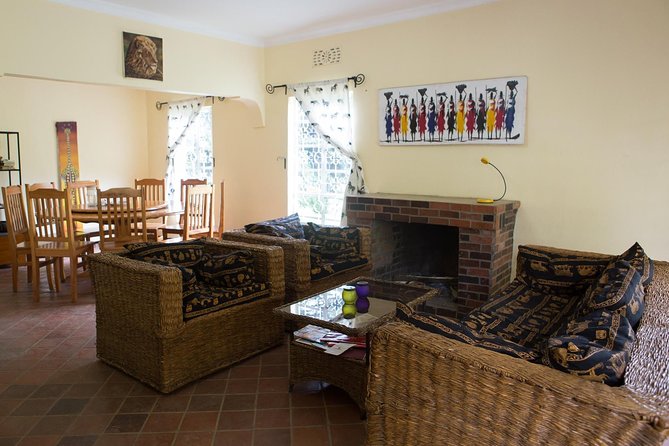
The accommodation is described as a guesthouse on the coffee farm. That is part of its appeal, but it also tells you what not to expect. This is a farm stay, not a full-service resort. If you need polished facilities, entertainment, or a long list of hotel amenities, you may find the setting too basic.
Day two: a village walk before the coffee farm
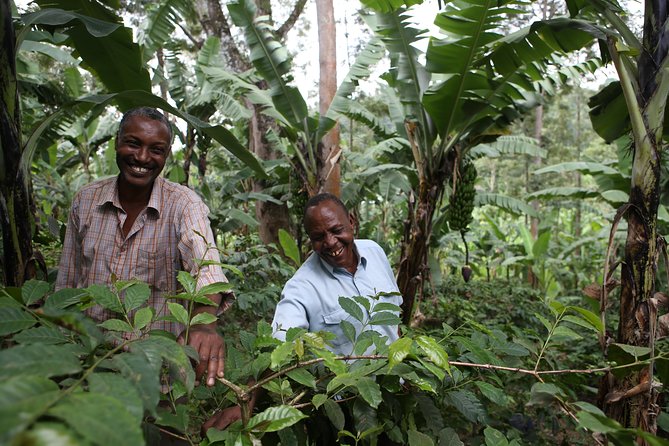
Breakfast comes before the main walk, which begins at about 9:30 a.m. Your coffee guide meets you at the guesthouse, and you walk toward the village center.
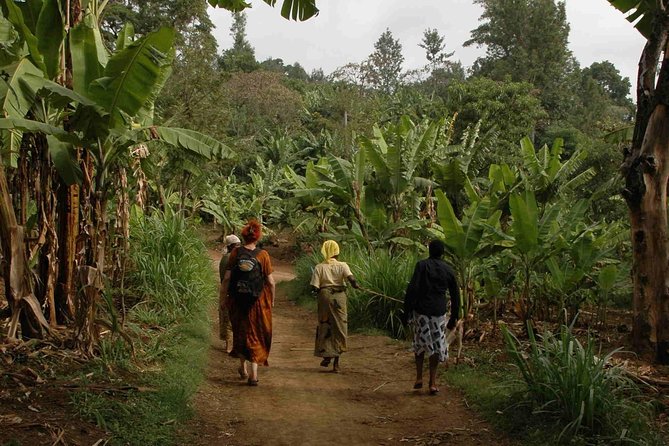
This first part is useful because it places coffee in its wider setting. You pass the hospital, primary and secondary schools, an orphanage, and the oldest church in the mountain area. These are not decorative stops added for pictures. They help you see the basic institutions around village life and give the guide a natural way to explain culture and traditions.
Guide Samwel is named as one of the principal guides for the walk. His strongest subjects are coffee, local plants, and the area where he grew up. Plan to ask questions as you go. A walking guide who knows the place from childhood can explain details that are easy to miss when you are driven straight to a plantation.
This part of the day is also a reminder that the tour is not only about agriculture. You are visiting a living community. Be respectful around the school, church, hospital, and orphanage. The experience offers contact with village life, but it is not a staged cultural show.
Comparing traditional and organic coffee production
From the village center, the route continues on foot to the organic coffee farm. The main lesson is the difference between traditional and organic production.
The farm does not use chemical sprays on the coffee trees. That matters in two ways. It reduces exposure for the people working among the plants, and it supports the idea of a cleaner end product. The organic label is not simply a marketing detail here. It is part of the way the farm operates and part of the economic message behind the visit.
The organizers also describe the coffee as Fairtrade. Their stated aim is to pay farmers three times the normal price because ordinary coffee payments may not cover important household costs, including school expenses for children. You should treat this as the operator’s explanation of its model, but it gives the visit a useful focus: you learn not only how coffee is grown, but also how the money around coffee can affect a family.
You will see the coffee journey in stages, from seed and tree to processing and roasting. The exact harvest work you see can depend on the season, and the schedule does not promise a particular crop activity. Still, the farm visit provides the practical link between the plant in the ground and the drink in your cup.
The walk itself is important. You are not observing the farm through a vehicle window. You move through the area on foot with time to stop and listen. Wear shoes suitable for walking and be ready for a day that is more active than a standard tasting visit.
More Coffee Tours in Arusha:
- Materuni Waterfalls, coffee tour & Kikuletwa Hot Springs
★ 5.0 · 643 reviews - Materuni waterfalls coffee tour & Chemka hot springs Day trip
★ 5.0 · 131 reviews - Maasai village visit, Materuni waterfalls & coffee experience
★ 4.5 · 95 reviews - Materuni Waterfalls & Coffee Tour from Moshi
★ 5.0 · 92 reviews
The walk down to the roaster
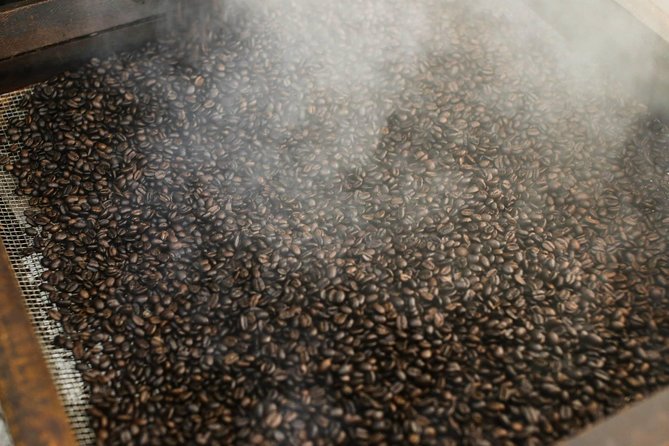
After the farm visit, you walk downhill for about 30 to 40 minutes to reach the roaster. This connects the growing stage with the next part of the process.
The route makes the coffee lesson easier to remember. You have seen the trees, heard about production, and then continued to the place where the beans are roasted. That physical movement gives the day a clear shape. You are following the product instead of hearing disconnected facts.
The downhill walk may sound easy, but it still adds to the day. The full outing lasts about six hours, including the village walk, farm visit, route to the roaster, and lunch. If you have limited mobility, ask the operator about the walking conditions before booking. The available information says most people can participate, but it does not promise an accessible route or vehicle alternative.
At the roaster and garden, you are served a hot Tanzanian lunch. This is one of the strongest parts of the stay because the food is substantial and local rather than a basic packed meal.
A generous Tanzanian lunch in the garden
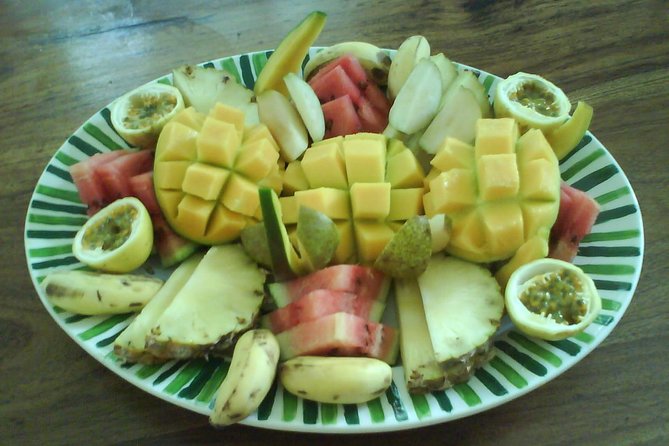
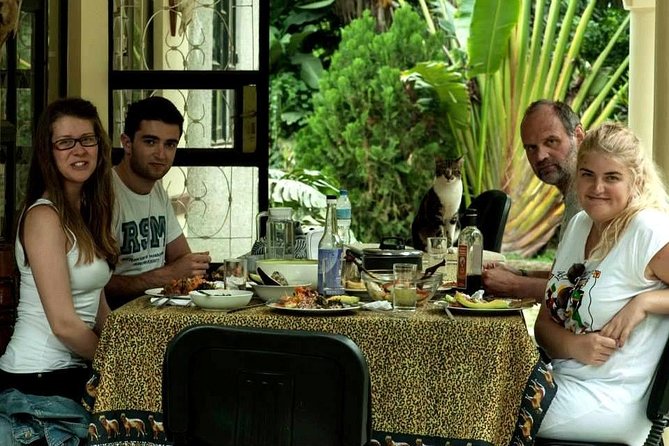
Lunch includes chapati, roasted banana, rice, ugali, goat sauce, spinach, salad, and fruit. The menu gives you a useful introduction to everyday Tanzanian flavors and staples.
Ugali is a filling maize dish, while chapati adds a softer, flatbread-style contrast. Roasted banana brings a sweet and savory element, and the goat sauce makes the meal more substantial. Vegetables, salad, and fruit round it out.
The meal is prepared in the garden, so the setting is part of the experience. You are not simply stopping at a restaurant between activities. You are eating close to the coffee operation and the village where the food and farming traditions belong.
Dietary information is not provided, so contact the operator if you have allergies or follow a special diet. Do not assume the listed menu can be changed without notice. Breakfast and dinner are also included during the stay, with meals prepared by the guesthouse chef.
Two nights at the guesthouse

The overnight stay is what separates this experience from similar coffee outings around Arusha. You spend two nights in the village rather than returning to town after the farm walk.
The guesthouse has a garden, and the meals are homemade. That arrangement suits you if you enjoy simple accommodation, quiet evenings, and direct contact with a small rural operation. It may not suit you if you want a private luxury lodge or a highly scheduled program.
A two-night stay also gives you a more relaxed morning on the final day. You are not forced to leave immediately after the coffee walk. The third day begins with a slow breakfast, followed by the drive back to Arusha.
The village setting offers a chance to notice small details that a half-day tour would miss. You may find the pace peaceful, but you should also be comfortable with fewer tourist facilities. The experience is built around the farm, food, walking, and conversation, not nightlife or shopping.
Day three: a slow breakfast and return to Arusha
The final morning is intentionally easy. After breakfast, the operator drives you back to Arusha, where you can continue with the next part of your Tanzania trip.
The return transfer is useful for people combining this stay with a safari, trekking trip, or time in Arusha. The package is short enough to fit between larger plans, but long enough to feel like a proper village visit.
The timing is not highly detailed beyond the morning departure and roughly three hours listed for the day. Confirm your onward schedule before booking, especially if you have a fixed airport transfer or another activity. The operator gives you a return to Arusha, but you should leave enough room for delays and changes in your wider itinerary.
What the $270 price gives you
At $270 per person, this is not the cheapest way to see coffee near Arusha. You are paying for a private three-day package, not a short farm stop.
The price is easier to assess when you separate the parts:
- Pickup and return transport from Arusha
- Two nights at the village guesthouse
- Breakfast and dinner
- A guided village and coffee walk
- A Tanzanian lunch
- Access to the organic coffee farm and roasting operation
- A private experience for your group
The fair-trade purpose also affects how you may judge the cost. The organizers say they pay farmers three times the normal price. If supporting that model matters to you, the higher price has a direct social reason rather than being only a charge for sightseeing.
I would choose this over a standard coffee tasting if you have the time and want to understand the people and work behind the crop. I would not choose it if your schedule is tight or if your main goal is simply to buy a bag of coffee and return to Arusha quickly.
Who should book this coffee walk
This suits you best if you enjoy:
- Farm visits with a clear educational focus
- Walking through a village rather than only visiting a tourist site
- Simple guesthouse accommodation
- Homemade meals and local food
- Private tours with time for questions
- Responsible tourism and fair payment for producers
- A gentle cultural experience before or after a safari
Families may find the village, farm, and food interesting, though the walking route and accommodation should be checked before booking for young children. The tour information says most people can participate, but it does not give detailed accessibility information.
Coffee enthusiasts will get the most from the seed-to-cup explanation. You do not need expert coffee knowledge, though. The guide’s role is to explain the process in practical terms and connect it to daily life in the village.
Practical details before you go
The experience operates daily, with listed opening hours from 8:30 a.m. to 11:00 p.m. Confirmation is provided when you book. A mobile ticket is available, and the activity is near public transportation, though pickup is the simpler choice.
Tell the operator your preferred pickup point in Arusha. Airport pickup is possible, but you should arrange it in advance. Since the first pickup is at 5:00 p.m., this can work well after arriving in Arusha, provided your flight lands with enough time.
Book at least a little ahead if you want the two-night guesthouse stay, especially since this is a private activity rather than a large scheduled departure. Free cancellation is available until 24 hours before the start time. Cancellations or changes made later are not accepted for a refund.
Should you book it?
Book this experience if you want coffee to be the doorway into village life, farming, food, and local conversation. The best reasons are the two-night farm stay, the private walk with guides such as Samwel, the organic and fair-trade focus, and the generous Tanzanian meals.
Skip it if you only have a few hours in Arusha, dislike simple accommodation, or do not want a walking-based outing. At $270, it asks for time as well as money. For the right person, that is the point: you leave with a clearer sense of how coffee reaches your cup and how a small farm can support the community around it.
FAQ
How long is the coffee walk with village stay?
The experience lasts approximately three days and includes two nights at a guesthouse in the coffee-producing village.
Where does pickup take place?
Pickup is available from Arusha town, and you provide the operator with your preferred meeting point. Airport pickup is also possible.
What time is pickup on the first day?
Pickup from Arusha is scheduled for 5:00 p.m. The drive to the village takes about 30 to 40 minutes.
Is the tour private?
Yes. Only your own group participates in the activity.
Who leads the coffee walk?
A special coffee guide leads the walk. Samwel is named as one of the guides and explains coffee, local plants, culture, and traditions.
What meals are included?
The stay includes homemade breakfast and dinner. Day two includes a Tanzanian lunch with chapati, roasted banana, rice, ugali, goat sauce, spinach, salad, and fruit.
Is the coffee farm organic and Fairtrade?
The farm is described as organic and Fairtrade. The organizers say the coffee trees are not sprayed with chemicals and that farmers receive three times the normal price.
Can I cancel for a full refund?
Yes. You can cancel up to 24 hours before the experience starts for a full refund. Cancellations or changes made less than 24 hours before the start time are not accepted.
Just listed in Arusha
- Waterfall & Coffee Walking Tour★ 5.0 · 6 reviews
- Materuni (Coffee Tour) and Chemka (Kikuletwa Tour)★ 5.0 · 8 reviews
- Private Tour to Marangu Waterfalls, Chagga Caves, Coffee tour & Hot Springs★ 5.0 · 7 reviews
- Private Tour to Materuni waterfalls, coffee tour & Kikuletwa hot- springs★ 5.0 · 14 reviews
- Materuni Waterfall Hike & Coffee Tour★ 5.0 · 4 reviews
- Waterfalls, Coffee, Hotsprings, Food Cuisine, & Serval Wildlife★ 5.0 · 6 reviews
- Coffee walk day trip★ 5.0 · 10 reviews
- Private Materuni Waterfalls, Coffee Tour and Kikuletwa Hot Spring★ 5.0 · 4 reviews
Coffee Walking Tours, compared.
Private Walking Tour, Food Tasting and Bosnian Coffee in Sarajevo
Read our review →Hanoi Private Walking Tour with Egg Coffee Making Experience
Read our review →
Santo Domingo Small Group Walking Tour: Beer and Specialty Coffee
Read our review →

Vancouver Street Art and Craft Coffee 3 Hour Walking Tour
Read our review →
Dublin Food and Drink Walking Tour and Jameson Irish Coffee Demo
Read our review →Lists this coffee tour turns up in