
REVIEW · ETHIOPIA
Ethiopian Culinary Tour – Market, Coffee Ceremony and More
Ethiopian coffee is more than a morning drink here. You roast beans, follow the stages of a traditional ceremony, and taste coffee made from local Arabica. I like that this tour pairs that slow ritual with the noisy spice stalls of Merkato, giving you both a seated cultural experience and a lively city outing.
I also like the hands-on injera lesson and the chance to sample tej, Ethiopia’s honey wine. The main drawback is pace: six hours is a lot to pack around Addis Ababa, and market crowds, traffic, or rain may make the day feel hurried.
Key points at a glance
- Coffee with a story: Start with an Italian-style macchiato at Tomoca, then learn the steps of a traditional Ethiopian coffee ceremony.
- Merkato spice stalls: Walk through Africa’s largest open-air market and test your bargaining skills with local spice sellers.
- Make your own injera: Try preparing Ethiopia’s famous spongy flatbread and eat it with a typical spiced dish.
- Taste tej: Visit a local honey-wine bar and sample tej, a fermented drink similar to mead.
- A practical six-hour outing: Hotel, house, or airport pickup, a driver, fuel, lunch, water, and hot drinks are included.
- Strong guide component: Guides such as Desale, Seid, Muse, and Zerefa have led past departures, with particular praise for cultural explanations and city commentary.
A food tour that explains Addis Ababa one bite at a time
This is not simply a string of meals. It uses coffee, bread, spices, and tej to explain daily life in Ethiopia’s capital.
You move between several different settings: a polished coffee shop, a large open-air market, a food preparation stop, a traditional ceremony, a honey-wine bar, and a historic hotel dining room. That variety gives the day a useful rhythm, though it also means you should expect plenty of driving between stops.
The tour costs $85 per person and lasts six hours. For that price, you receive private ground transport by car, a driver, an English-speaking guide, activity fees, lunch, water, and hot drinks. The value is strongest if you want an introduction to Addis Ababa without arranging several separate visits yourself.
More Coffee Ceremony Experiences in the world:
- Ethiopian Culinary Tour – Market, Food, Coffee Ceremony & more
★ 5.0 · 65 reviews - Lalibela: Churches Full-Day Private Tour w/Coffee Ceremony
★ 4.7 · 5 reviews - Sarajevo: City Tour with Bosnian coffee ritual ☕️
★ 5.0 · 2 reviews
Tomoca Coffee and the first taste of Ethiopian beans
The day begins at Tomoca Coffee, where you can try an Italian-style coffee or macchiato made with Ethiopian Arabica beans.
That opening stop gives you a helpful comparison. Ethiopia is famous for traditional coffee preparation, but its coffee culture also includes Italian-style drinks. The Tomoca visit lets you taste the bean in a familiar format before seeing how coffee is prepared in a ceremonial setting later in the day.
Do not treat this as just a caffeine stop. Coffee is central to Ethiopian social life, and the contrast between quick café service and a slower ceremony helps show that coffee can be both a daily drink and a formal act of hospitality.
If you are sensitive to caffeine, pace yourself. You may drink coffee at several points during the day, including the ceremony. The supplied details do not specify how many cups are served, so ask your guide before accepting every pour.
Walking through Merkato’s spice market
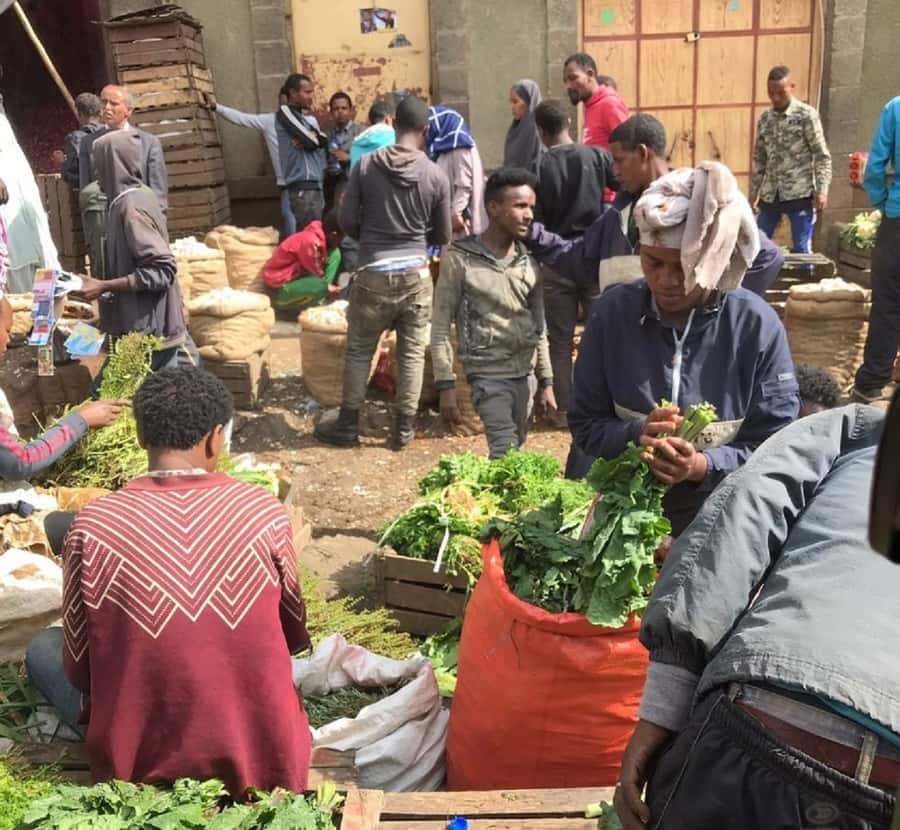
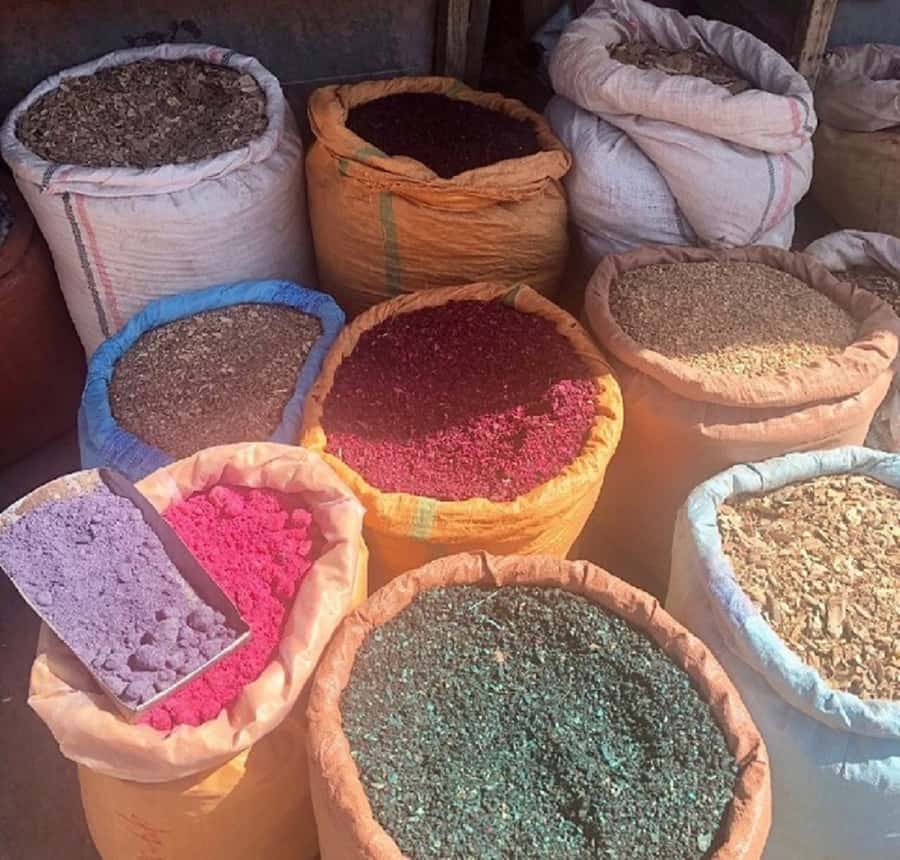
Merkato is the visual and sensory centerpiece of the outing. It is described as Africa’s largest open-air market, and the focus here is on spice sellers, coffee, and the everyday trade that gives the market its character.
You will have a chance to use your bargaining skills with local dealers. That is part of the fun, but do not expect a quiet, carefully arranged food hall. Merkato is a working market, and the experience may feel crowded, noisy, and less polished than a purpose-built visitor attraction.
The spice section is especially useful for understanding Ethiopian cooking. You see the ingredients before tasting them in a meal, which makes the later lunch more meaningful. Coffee is also sold in the market, giving you another look at the importance of beans in local commerce.
Stay close to your guide and keep your belongings secure. The tour provides transport and an English-speaking escort, but a large open-air market still demands ordinary city awareness. If you hope to buy spices or other goods, carry some flexibility in your budget and be ready to bargain respectfully.
Learning to bake spongy injera
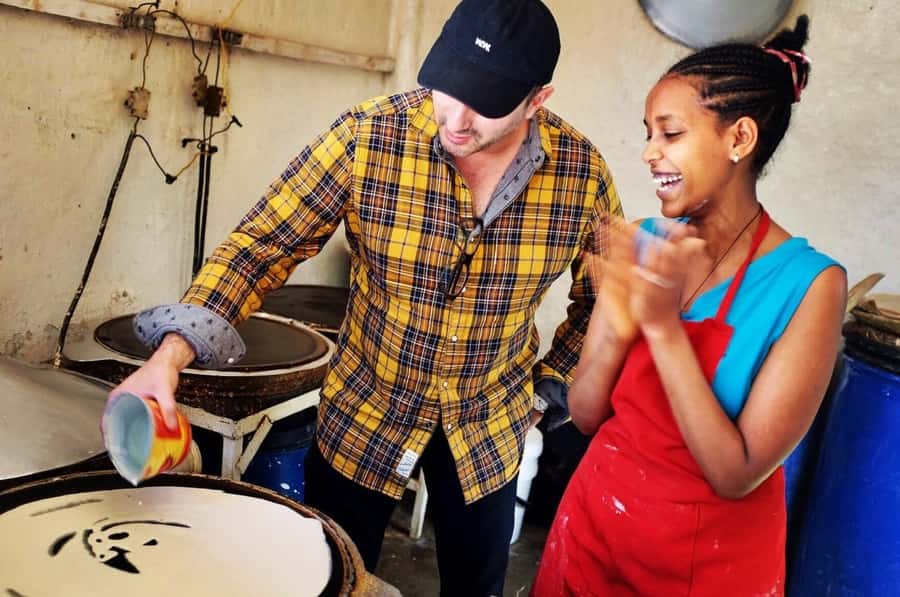
The injera lesson is the most hands-on part of the day. Injera is Ethiopia’s famous spongy flatbread, and you are given the challenge of helping bake it rather than simply being served a finished piece.
The supplied details do not specify the exact cooking setup or recipe, so the lesson may vary by departure. What you can expect is a step-by-step introduction and the chance to try your own creation. That makes this more memorable than hearing a guide describe injera from across a restaurant table.
Injera is not just bread on the side. It usually forms the base and utensil for Ethiopian meals, with food placed on top and eaten by hand. Making it yourself helps you understand its texture and its role at the table.
The drawback is that a single lesson cannot turn you into an injera specialist. Think of it as a practical introduction, not a full cooking class. You will get more from it if you are willing to try, laugh at an imperfect result, and ask questions.
More Market Visits in the world:
- Da Nang Cooking Class with Coffee Tasting and Market Visit
★ 5.0 · 310 reviews - Hungry in Vienna? A Food Lover’s Coffee & Market Walk
★ 4.9 · 276 reviews - Coffee Crawl & VIP Morning in Pike Place Market
★ 5.0 · 75 reviews - Coffee & Food Tastings at Pike Place Market
★ 5.0 · 67 reviews
The traditional coffee ceremony
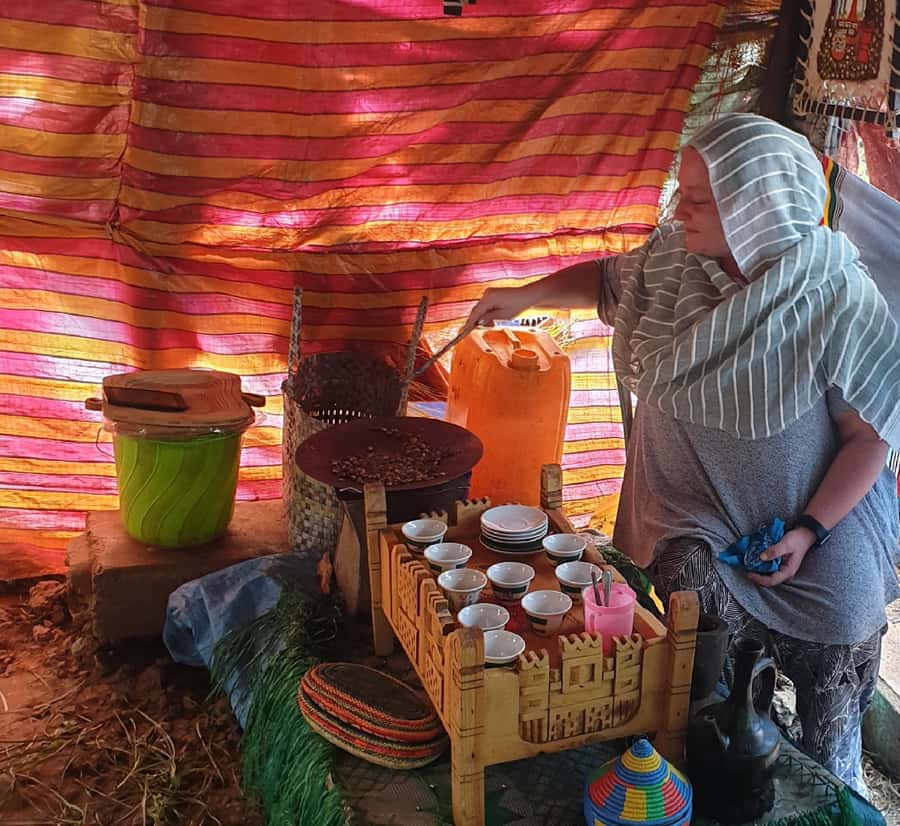
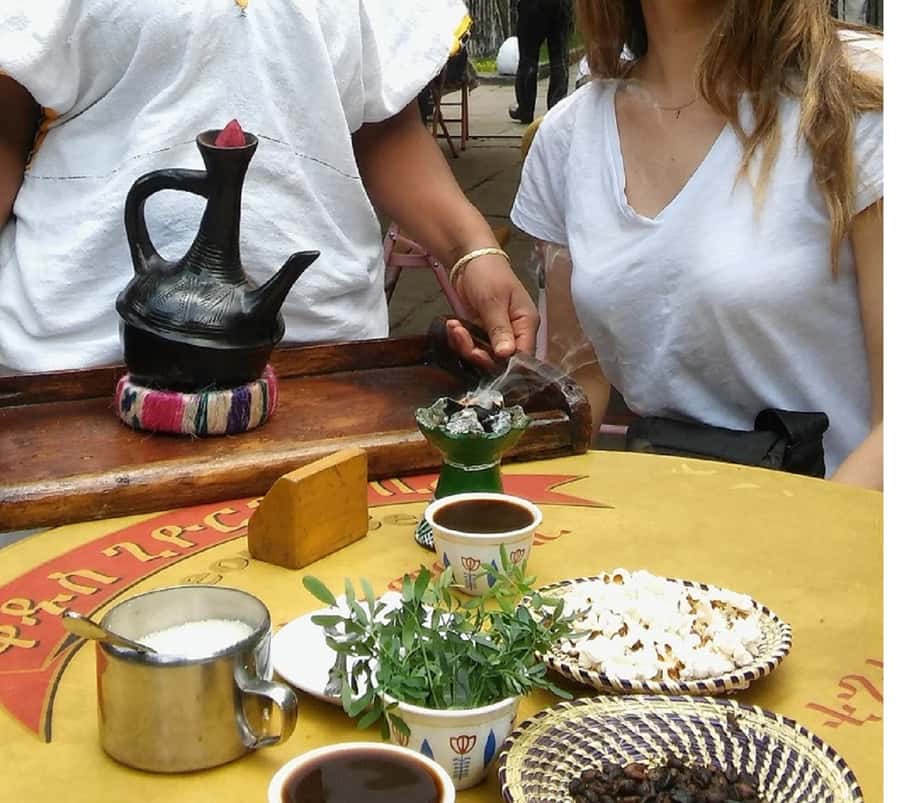
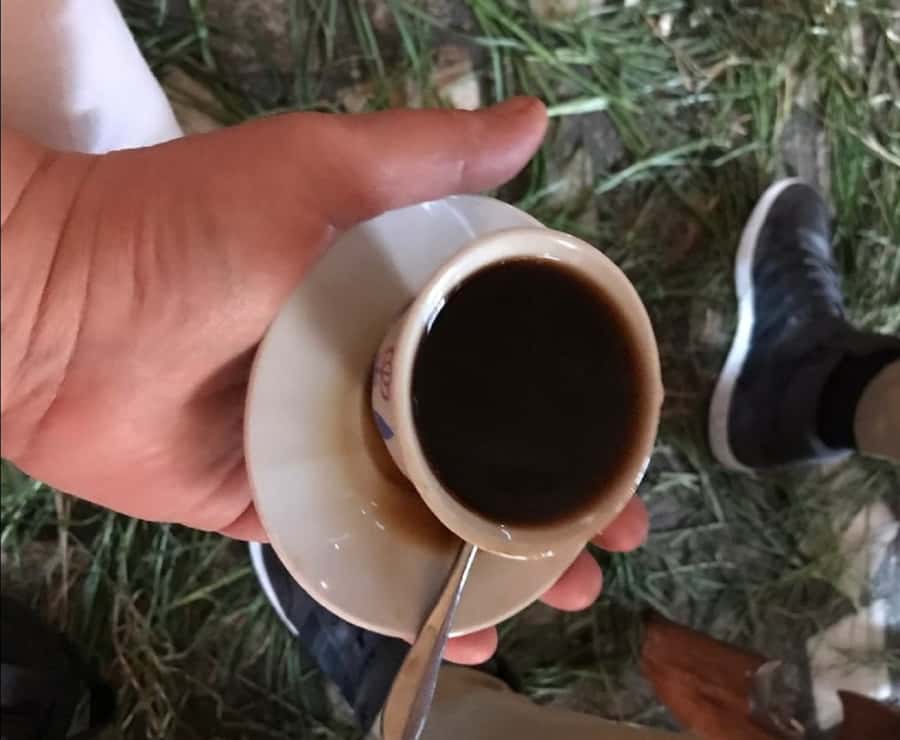
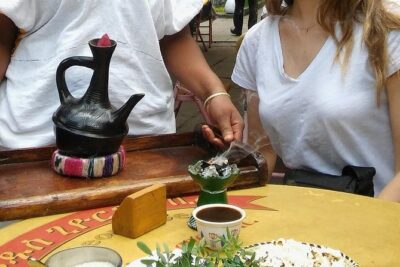
The coffee ceremony is the cultural heart of the day. Your guide demonstrates the stages of preparation, including roasting beans, and you can take part in the process. One past participant specifically enjoyed roasting their own beans, which gives you an idea of how active the experience can be.
The ceremony moves at a slower pace than the Tomoca stop. That matters. You are not just drinking coffee; you are watching a social ritual unfold and learning why preparation, serving, and conversation matter.
The activity information does not give a fixed location or exact ceremony length. Your guide will explain the sequence on the day, and the experience may differ slightly depending on the host. Ask questions as you go, especially if you want to understand the roasting stage or the order in which the coffee is served.
I like this part because it connects the market’s raw ingredients with a finished drink and a shared custom. It is also one of the stops where guide quality matters most. Desale, Seid, and Zerefa have been praised for clear explanations, cultural discussion, and an easygoing approach. Guides are subject to availability, so those names are examples rather than a guarantee.
Lunch at Ethiopia’s first hotel
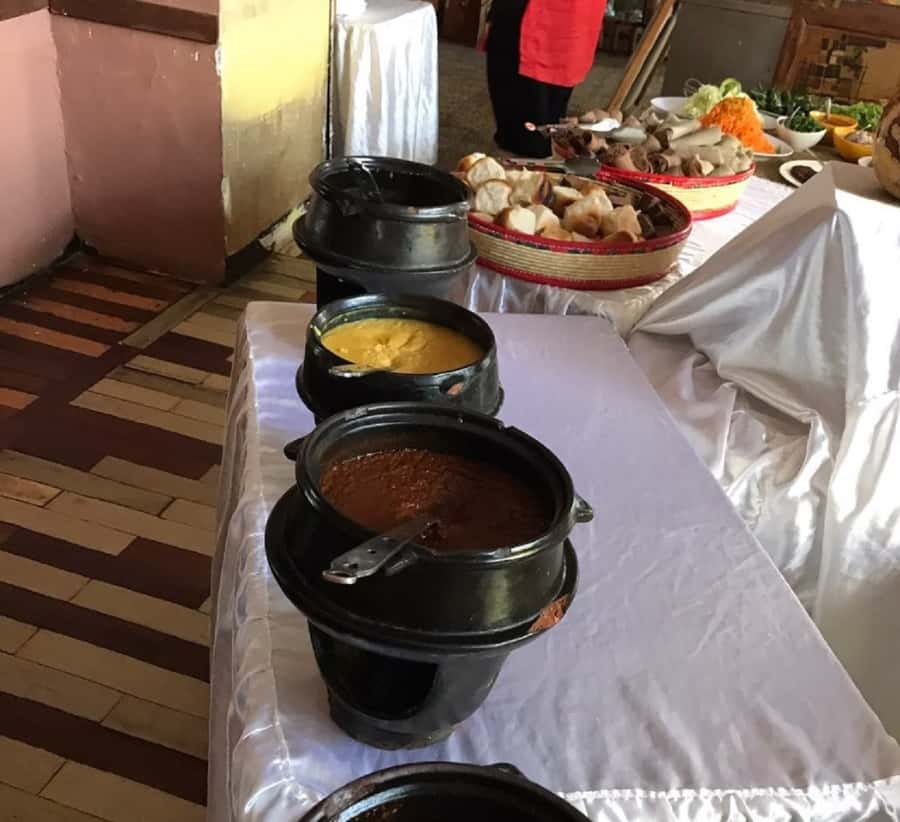
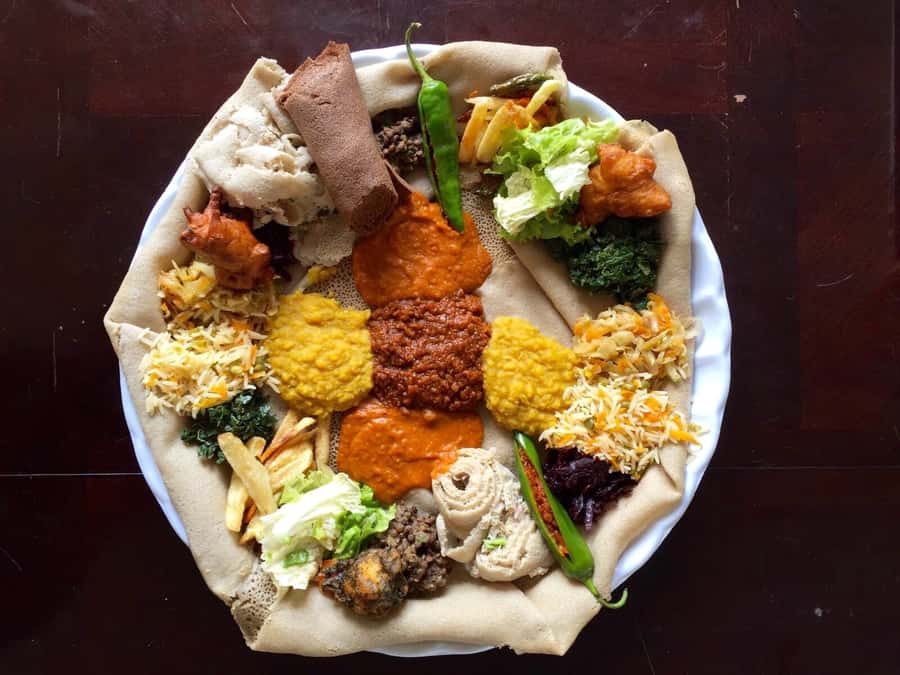
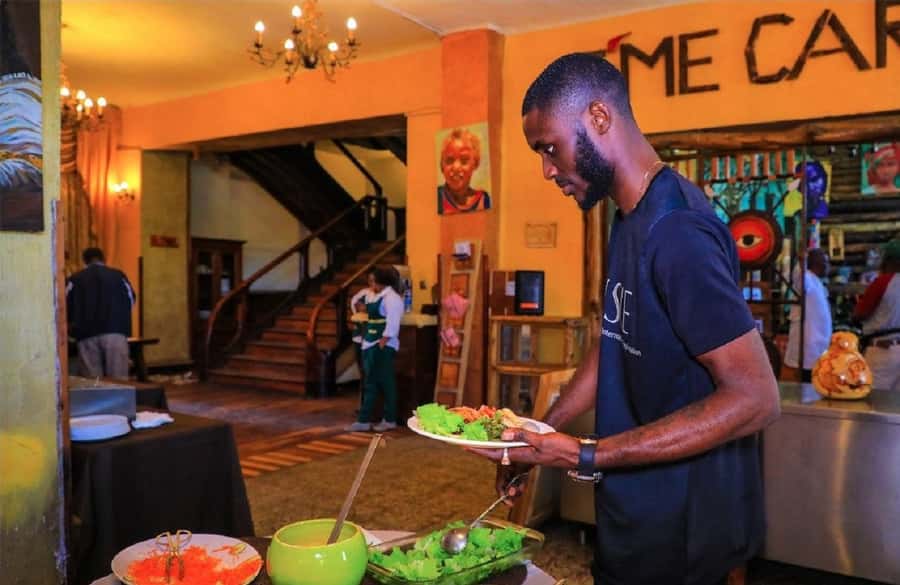
Lunch is served buffet-style at the oldest hotel, described as Ethiopia’s first hotel. You can sample popular Ethiopian dishes, including vegetarian options.
A buffet works well here because it lets you try several foods instead of committing to one plate. If you are new to Ethiopian cooking, this is a practical way to compare textures, spices, and sauces. The earlier injera lesson also gives you a better sense of how to eat the meal.
Lunch includes a bottle of water and hot drinks. Alcoholic drinks are not included, apart from the honey-wine tasting later in the day. The supplied information does not list the exact dishes, so do not book this expecting a fixed menu or specific meat, fish, or vegetarian items.
The historic setting adds context, but the main value is variety. You get a proper meal during a long food-focused outing rather than a collection of tiny samples. If you have dietary restrictions, tell the provider before booking, since the available information only confirms that vegetarian food has been served on past departures.
Trying tej at a local honey-wine bar
The final tasting stop is a local tej bar. Tej is a traditional Ethiopian honey wine made mainly from fermented honey, and it has some similarities to mead.
You will tour the bar and taste samples. This is a small but useful addition because it introduces a drink that many first-time visitors may not encounter on their own. It also gives the tour a different flavor after the coffee and food stops.
Tej is an alcoholic drink, so approach the tasting according to your own limits. Alcoholic beverages are not generally included in the tour, but tej samples are part of the stated experience. The information does not specify the number of samples, serving size, or alcohol strength.
If you do not drink alcohol, ask your guide what alternatives are available. No nonalcoholic substitute is promised, so it is best not to assume one will be provided.
The guide and driver make a real difference
This itinerary works best when your guide does more than move you from stop to stop. Several guides have received strong praise for answering questions, explaining Ethiopian culture, and pointing out landmarks and local history during the drives.
Seid and driver Muse were specifically praised for making a participant feel safe while also adding city sights to the food program. Desale was praised for explaining the market, food, coffee, landmarks, and history. Zerefa was remembered for creating a good cultural exchange. These comments suggest that the human side of the tour can add much more than the listed activities alone.
You should still remember that guide assignments vary. The provider is myGuzo Ethiopia Tours, and the tour operates in English. If you care strongly about a particular guide, ask the provider before confirming, but do not assume a named guide is guaranteed.
Transport is included, with a car, driver, and fuel. Pickup and drop-off are available at hotels, houses, or the airport in Addis Ababa. That is a major convenience in a city where traffic can affect the day’s timing.
Is $85 a fair price?
At $85 per person, this is a reasonable package if you want several Addis Ababa experiences in one day.
You are paying for six hours of transport, a guide, multiple food and drink activities, lunch, water, hot drinks, and pickup and drop-off. Booking separate taxis, arranging a market visit, finding a coffee ceremony, locating an injera lesson, and choosing a tej bar could easily take more time and planning.
The price is less compelling if you only want a market walk or a single coffee ceremony. It is also not the right fit if you prefer a slow, single-location cooking class. This is a broad introduction, with several stops and a fair amount of movement.
No group size is provided, so ask before booking if that affects your decision. Group size can change how much time you get at the injera station, how easily you move through Merkato, and how personal the coffee ceremony feels.
Timing, weather, and practical details
The tour lasts six hours, but the start time depends on availability. Confirm the departure time when you book, especially if you have a flight or another scheduled activity later that day.
Pickup is included, and you are asked to wait in your hotel lobby for 15 minutes before or after the scheduled time. Airport pickup and drop-off are available, which can make this a useful option during a longer Addis Ababa stopover, provided your flight schedule allows a full six-hour activity plus a safe margin.
Bring a passport or ID card. The tour runs rain or shine, so wear clothing and shoes that can handle changing weather and walking through a market. Since the day includes food preparation, coffee, market stalls, and a bar, practical clothing is more useful than anything formal.
You can cancel up to 24 hours in advance for a full refund, and you can reserve now and pay later. Those terms make the tour easier to fit into a flexible itinerary.
Who should book this Addis Ababa food tour?
I would choose this for a first visit to Addis Ababa when I wanted food to be the main route into the city.
It suits you if you enjoy trying unfamiliar drinks, taking part in simple cooking activities, and learning while moving around town. It is also a good choice if you want transport handled for you and prefer a guide who can explain landmarks along the way.
It may not suit you if you dislike markets, crowds, fermented drinks, or a full schedule. The day is not built around a long, relaxed restaurant meal. It is a sampler of Ethiopian food culture, with enough variety to keep the pace lively.
Vegetarian eaters have been accommodated at the buffet, but the full menu is not fixed in the information provided. Ask about dietary needs before booking. Also ask about group size if personal attention is important to you.
Should you book it?
Book this tour if you want a practical first look at Addis Ababa through coffee, bread, spices, lunch, and tej. The strongest reasons are the hands-on injera work, the traditional coffee ceremony, the market visit, and the transport included in the $85 price.
Skip it if you want a specialist cooking course, a quiet day, or a guaranteed guide by name. For most food-focused visitors with six hours to spare, though, this is a well-rounded introduction with enough real participation to make the city feel more understandable, not just more photographed.
FAQ
How long does the Ethiopian Culinary Tour last?
The tour lasts six hours.
How much does the tour cost?
The listed price is $85 per person.
Is hotel pickup included?
Yes. Pickup and drop-off are included at hotels, houses, and the airport in Addis Ababa.
Is transportation included?
Yes. Ground transportation includes a car, driver, and fuel.
Is an English-speaking guide provided?
Yes. The tour includes a live English-speaking guide.
What food activities are included?
You can learn to bake injera, join a traditional Ethiopian coffee ceremony, visit the Merkato spice market, and eat a buffet lunch.
Is lunch included?
Yes. Lunch is served buffet-style at Ethiopia’s first hotel and includes a bottle of water and hot drinks.
Is honey wine included?
Honey-wine tasting is part of the tour. Other alcoholic drinks are not included.
What should I bring?
Bring a passport or ID card.
Can I cancel for a full refund?
Yes. You can cancel up to 24 hours in advance for a full refund.
More Shopping Stops in the world
- Vietnam Flavour: Market-to-Table & The Art of Egg Coffee
★ 5.0 · 53 reviews - From Bangkok: Don Wai Market, Wat Samphran & Lotus Café Tour
★ 4.5 · 48 reviews - Shopping tour Punta Cana rum cigars coffee larimar chocolate souvenirs mamajuan
★ 4.0 · 44 reviews - Private Floating Market, Train Market and After Rain Cafe Tour
★ 5.0 · 38 reviews
Just listed in the world
- Chill coffee or meal break at illy Caffè in St.Mark’s Square★ 4.7 · 9 reviews
- Private Ubud Tour: Sacred Monkeys, Coffee, Temple, Waterfall★ 4.8 · 3 reviews
- Venice: Sunrise Walking Tour with Espresso★ 4.6 · 12 reviews
- Bali ,Tegallalang, Tirta Empul, Coffee, Lunch & Batur Hot Spring★ 4.0 · 2 reviews
- Mount Batur Sunrise Trekking (Private, Breakfast and Visiting coffee plantation)★ 5.0 · 27 reviews
- Venice Delights: Coffee & Food Experience Walking Tour★ 5.0 · 2 reviews
- Bali: Ubud Monkey Forest, Coffee Plantation, and Market Tour★ 5.0 · 5 reviews
- Melbourne Brunch & Coffee Iconic Laneway Degraves Espresso★ 5.0 · 2 reviews
Markets, compared.
Da Nang Cooking Class with Coffee Tasting and Market Visit
Read our review →
Hungry in Vienna? A Food Lover’s Coffee & Market Walk
Read our review →
Ethiopian Culinary Tour – Market, Food, Coffee Ceremony & more
Read our review →
Vietnam Flavour: Market-to-Table & The Art of Egg Coffee
Read our review →
Private Floating Market, Train Market and After Rain Cafe Tour
Read our review →Lists this coffee tour turns up in