REVIEW · NORTHERN VIETNAM
NYNA Coffee Culture- Egg Coffee/Salted Coffee/Coconut Coffee
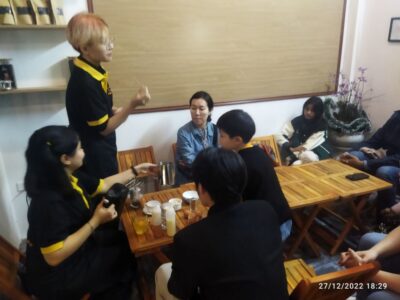
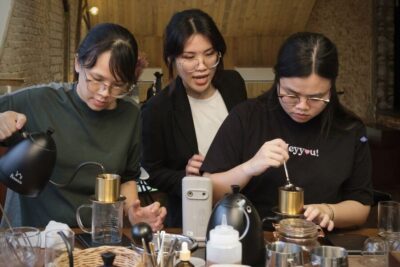
Vietnamese coffee is not just strong coffee with condensed milk. At NYNA Coffee, you get a hands-on lesson in Hanoi’s egg coffee, cool coconut coffee, and central Vietnam’s salted coffee, then make your own drinks under a barista’s guidance. Egg coffee is the local star: sweet, creamy, and closely tied to Hanoi.
I like the workshop’s three-part tasting and its clear focus on local habits rather than generic café talk. I also like the small, personal feel suggested by one booking where the participant had plenty of time to ask questions. The main consideration is that two hours can feel long if you only want a quick coffee tasting, and no meal is included.
Key points at a glance
- Three distinctly different coffees: Make and taste egg coffee, coconut coffee, and salted coffee in one sitting.
- A hands-on Hanoi specialty: Learn the local method for preparing egg coffee instead of simply ordering it from a menu.
- Coffee basics made practical: Compare Arabica and Robusta beans and see the equipment used for Vietnamese coffee.
- A central Old Quarter meeting point: NYNA Coffee is at 20 Le Van Linh Street, making this easy to fit into a day in Hanoi.
- An English-speaking barista: Instruction and explanations are provided in English.
- Good value for a tasting workshop: For $22, you receive a welcome drink, instruction, preparation practice, and three coffees.
Why Vietnamese coffee deserves a full workshop
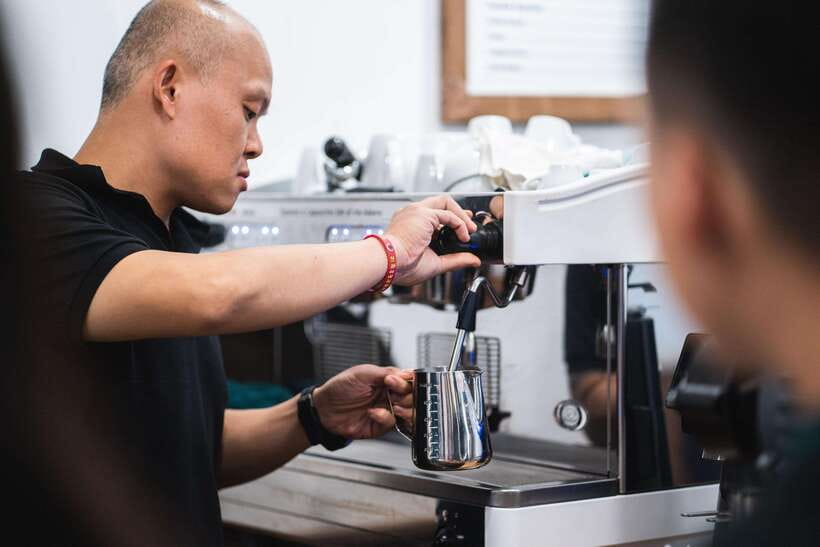
Vietnam is the world’s second-largest coffee producer, and coffee is woven into daily life in a way that goes far beyond a morning caffeine fix. Local cafés treat coffee as a base ingredient, then add eggs, coconut, salt, ice, and other elements to create drinks with very different textures and flavors.
That approach is useful for you as a visitor because Vietnamese coffee can surprise you. A traditional cup may be dark and powerful, while egg coffee is soft and dessert-like. Coconut coffee is cold, sweet, and icy, while salted coffee brings a savory edge that changes the whole drink.
NYNA Coffee’s workshop gives you a way to taste those contrasts side by side. Instead of ordering one drink and trying to work out what makes it different, you learn what goes into each cup and take part in making them.
The class is also a helpful introduction to Vietnamese café culture. You will hear about the country’s coffee background, the main bean types, and the equipment used to prepare local coffee. That context makes later café stops around Hanoi more rewarding. You will know why the coffee tastes strong, why some drinks are served over ice, and why egg coffee is associated so closely with the capital.
More Egg Coffee Experiences in Hanoi
- Hanoi Coffee Workshop: Taste Salt, Coconut and Egg Coffee
★ 5.0 · 1,286 reviews - Hanoi: Vietnamese Street Food Tour with Egg Coffee
★ 4.9 · 315 reviews - Ha Noi Egg Coffee Class
★ 5.0 · 227 reviews
Meeting the barista at NYNA Coffee
The meeting point is NYNA Coffee at 20 Le Van Linh Street, in the heart of Hanoi’s Old Quarter. You should plan to arrive ready for a two-hour indoor session rather than a walking tour. The activity is listed as wheelchair accessible and includes a separate entrance, which may make arrival simpler for some visitors.
An English-speaking barista leads the class. No individual guide name is provided, so you should book this for the subject and format rather than for a particular named instructor. The available feedback points to an informative, professional experience, with one solo participant especially appreciating the extra time for questions.
That detail matters. Coffee classes can be rushed when the instructor has to move a large group through each step. Here, the small-group feel may give you more room to ask about beans, brewing methods, or the balance of sweetness and bitterness in each drink. Group size is not specified, so I would not assume every session will be private or tiny, but the format allows for direct instruction.
You receive a welcome drink at the beginning. It is a simple touch, but it helps the session start gently while the barista introduces the subject.
Learning about Arabica, Robusta, and Vietnamese equipment
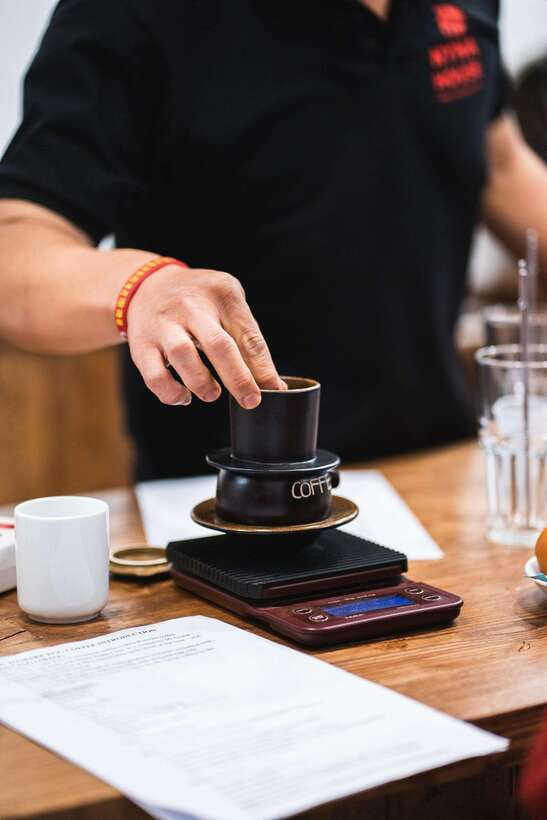
The first teaching section covers two major bean types: Arabica and Robusta. You learn how they fit into Vietnam’s coffee tradition and how coffee equipment is used in local preparation.
This is one of the more useful parts of the workshop because Vietnamese coffee often has a powerful flavor. Understanding the beans and the brewing tools gives you a better sense of why the cup can taste so bold. The session does not simply tell you that Vietnamese coffee is strong. It connects the drink to the beans and the way the coffee is prepared.
You also get an introduction to Vietnamese coffee culture. That may be especially valuable if your Hanoi plans include time at local cafés, since you can recognize the drinks and understand how they fit into everyday life.
Do not expect a full professional barista course. The class is designed around three local drinks and a short cultural lesson. It is best viewed as a practical introduction, not advanced training in roasting or espresso technique.
Making Hanoi egg coffee the local way
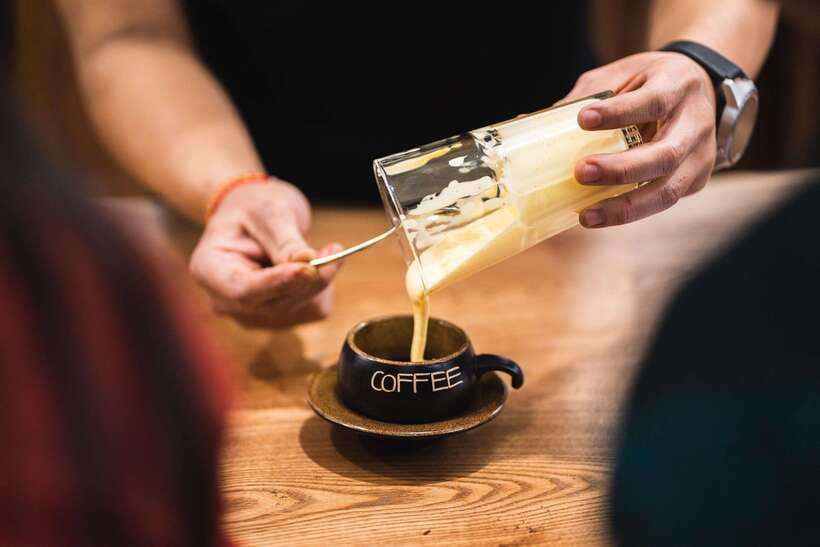
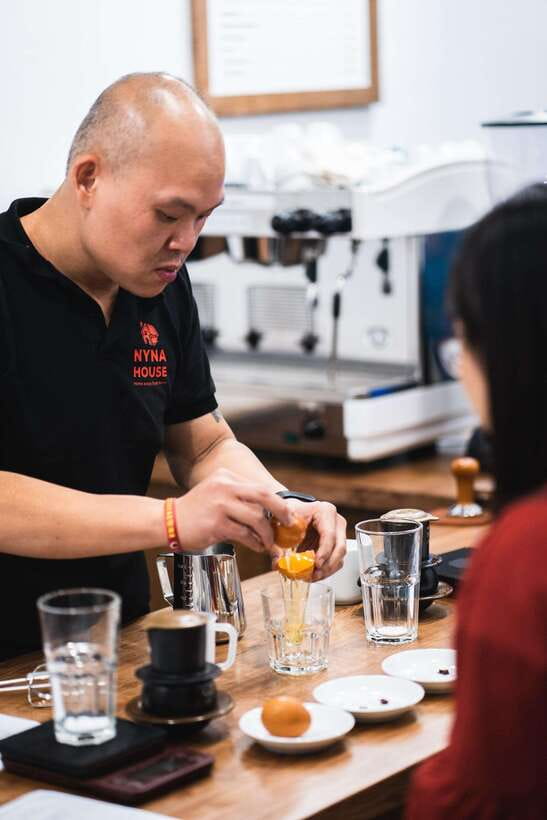
Egg coffee is the main cultural focus of the experience. It is one of Hanoi’s signature drinks, and the workshop teaches you how to make it using the local method.
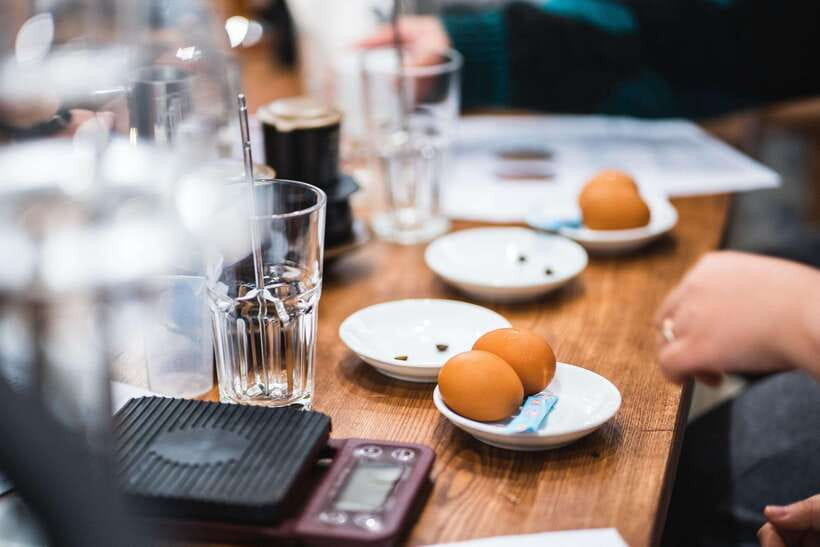
The concept may sound unusual at first: coffee combined with a sweet egg mixture. In practice, the appeal is the contrast between the dark coffee below and the thick, creamy topping above. It is closer to a coffee dessert than a standard black coffee, but the coffee remains important.
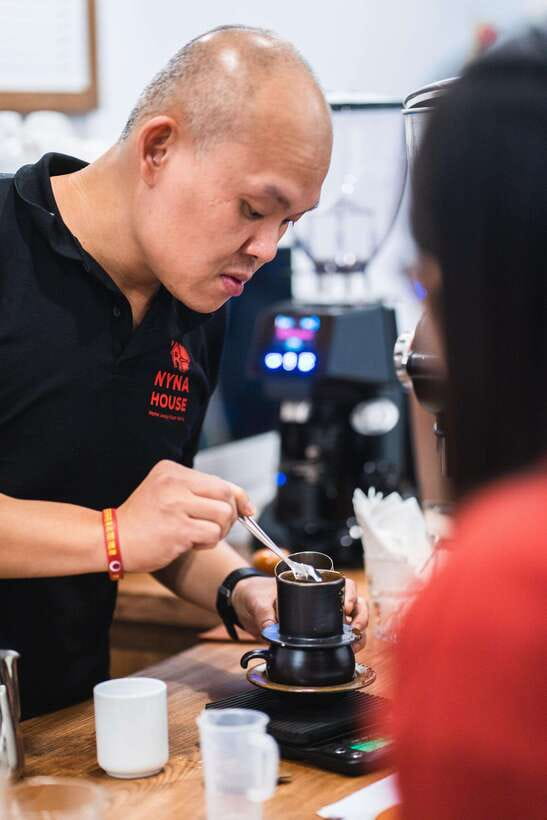
Making it yourself helps you understand the drink’s appeal. You are not just handed a finished cup and told that it is special. You see the preparation under the barista’s direction, then enjoy the cup you made. That hands-on step is a strong reason to choose this workshop over a simple café visit.
The class also gives you a way to place egg coffee within Hanoi’s identity. It is not merely a fashionable drink for visitors. It is presented as part of the city’s local coffee culture, which makes it a fitting activity during an Old Quarter stay.
If you prefer coffee without sweetness, egg coffee may not become your favorite. The point is the experience and the local style, not a plain, bitter cup. I would approach it with an open mind and expect a rich, creamy drink.
More Vietnamese Coffee Experiences in Hanoi
- Hanoi: Salt Coffee Workshop Awake Your Senses With 6 Brews
★ 5.0 · 792 reviews - Hanoi Cooking Class: Pho/Bun Cha/Banh Xeo…+Free Egg/Salt Coffee
★ 5.0 · 267 reviews - Hanoi: Vietnamese Coffee Workshop with 6 Brews and 8 Recipes
★ 5.0 · 237 reviews - Hanoi Coffee Workshop: Master 6 Signature Vietnamese Coffee
★ 5.0 · 171 reviews
Mixing cold coconut coffee in Hanoi
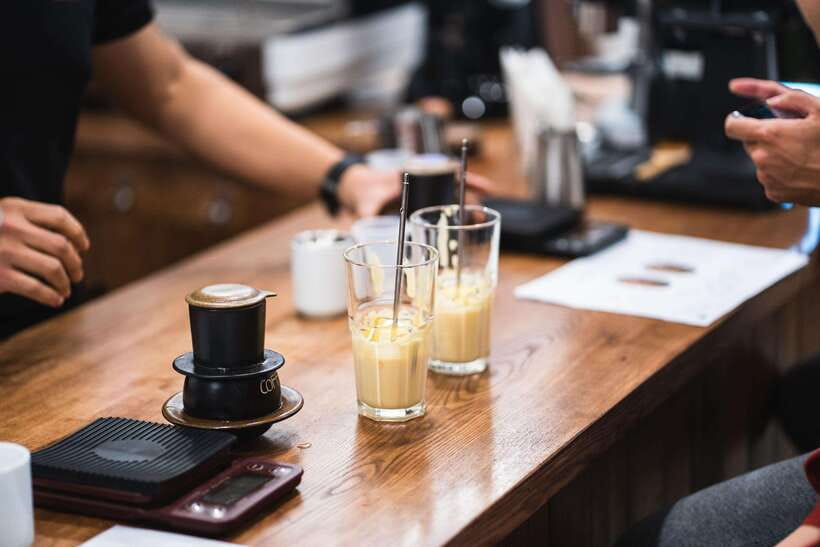
Coconut coffee is the most refreshing part of the workshop. It is described as sweet, strong, and icy, with particular popularity in Hanoi during hot weather.
You learn how to make the drink with help from the barista, then enjoy your own cup. The coconut element softens the punch of Vietnamese coffee while adding a chilled, creamy quality. It is an easy drink to like if you enjoy cold coffee, sweet flavors, or tropical ingredients.
The contrast with egg coffee makes the class more worthwhile. Both drinks use coffee as their base, but they deliver very different experiences. Egg coffee feels thick and dessert-like. Coconut coffee feels colder and lighter, even though it still carries a strong coffee flavor.
I also like that this section connects the drink to Hanoi rather than presenting it as a random café trend. You get a local example of how Vietnamese cafés adapt coffee with familiar ingredients. The process is not only about making a beverage. It shows the creative side of the country’s coffee habits.
The available information does not specify the exact coconut ingredients or the equipment used for this drink, so you should expect instruction from the barista rather than a fixed recipe you can reproduce in detail at home.
Tasting central Vietnam’s salted coffee
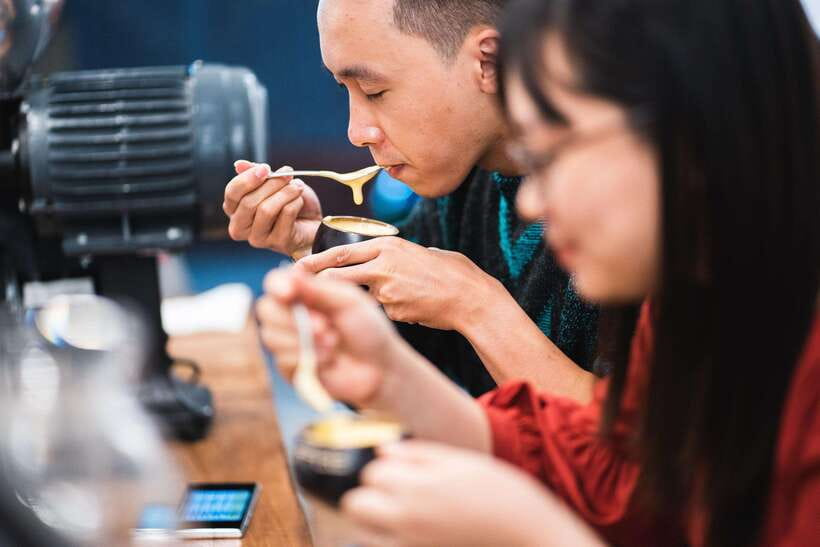
Salted coffee adds a third flavor profile. It is described as a specialty from central Vietnam, so it gives the class a wider national perspective instead of keeping every drink tied to Hanoi.
The salt does not turn the drink into a savory soup. Used carefully, it changes the balance of the coffee and can reduce the sense of bitterness while making the sweetness feel more pronounced. The result gives you another useful comparison with egg and coconut coffee.
This is a good part of the session for anyone who wants to understand how regional coffee styles differ. Hanoi’s egg coffee is the headline drink, coconut coffee is the cold summer favorite, and salted coffee shows how another part of Vietnam handles the same basic ingredient.
You learn how to make salted coffee and taste your own cup. The activity description does not say exactly how much hands-on work is involved in each drink, so the barista’s instruction may vary by group. Still, all three coffees are included in the session.
What the full two hours feel like
The experience follows a sensible order:
- You meet at NYNA Coffee and receive a welcome drink.
- You learn about Vietnam’s coffee background and café culture.
- You compare Arabica and Robusta beans and see coffee-making equipment.
- You learn the local method for egg coffee.
- You prepare coconut coffee with the barista’s help.
- You learn how salted coffee is made.
- You drink your egg, coconut, and salted coffees.
At two hours, the pace should allow time for explanation, preparation, and tasting. One verified booking described the session as especially useful for asking questions when attending alone. That suggests the experience can work well for curious solo visitors, though the exact group size is not stated.
You should wear comfortable shoes and bring a camera. You will not need to plan around smoking because smoking is not allowed during the activity. Since this is a coffee workshop rather than a food tour, do not book it expecting a full meal. The listed inclusions are drinks, instruction, and tastings.
Is $22 a fair price?
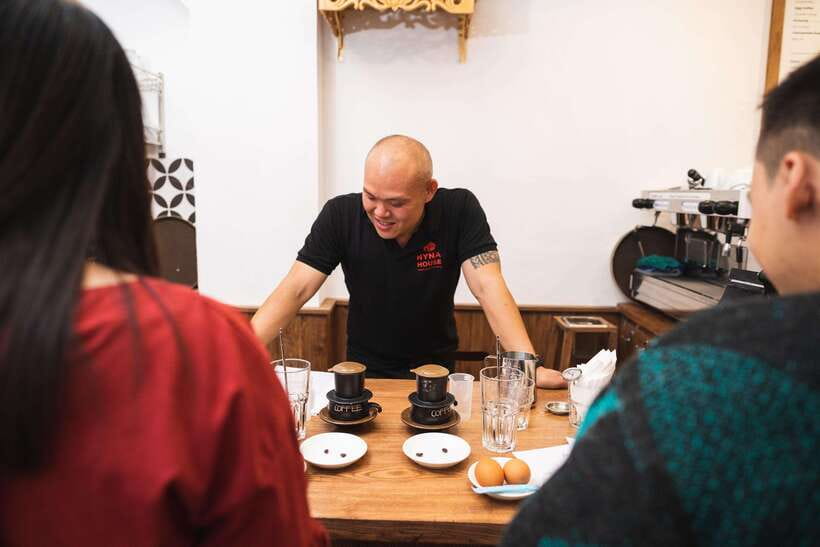
At $22 per person, the value depends on how much you want from the experience. If you only want to drink Vietnamese coffee, you can likely spend less at a local café. The price makes more sense if you want context, instruction, and the chance to prepare the drinks yourself.
You receive a welcome drink, a lesson on Vietnamese coffee culture, an introduction to beans and equipment, instruction for three specialty coffees, and the chance to enjoy all three drinks. That is a solid package for a two-hour activity, especially in the Old Quarter where a convenient central location saves planning time.
The best value comes from the comparison. Buying one egg coffee gives you a taste. This class lets you understand how egg, coconut, and salted coffee differ and how each connects to Vietnamese café habits.
I would not choose it solely for a free drink or a souvenir recipe. The price is worthwhile for people who enjoy food and drink experiences with explanation. If your schedule is tight or you are not interested in sweet coffee, the same $22 may serve you better elsewhere.
Who will enjoy this coffee class most?
I would recommend NYNA Coffee to:
- Coffee fans who want more than a standard café stop.
- First-time visitors who want an easy introduction to Vietnamese coffee culture.
- Solo visitors who like asking questions during hands-on activities.
- Couples and friends looking for a relaxed indoor activity in Hanoi.
- People curious about egg coffee but unsure how it is made.
- Anyone who wants to compare Hanoi’s egg and coconut coffee with salted coffee from central Vietnam.
It is less suitable if you dislike sweet drinks, want a long food tour, or are looking for advanced barista training. The class centers on tasting and local preparation, not roasting, latte art, or a full professional curriculum.
The English-language format helps if you want clear explanations. The activity is also wheelchair accessible, which may be important when choosing among Old Quarter experiences. Starting times vary, so you should check availability when booking.
Booking flexibility and practical details
You can cancel up to 24 hours before the activity for a full refund. A reserve-now-and-pay-later option is also available, which helps if your Hanoi schedule is still changing.
The meeting address is exact: NYNA Coffee, 20 Le Van Linh Street. I would save the address before setting out, since Old Quarter streets can be confusing even when the destination is central.
Bring a camera if you want photos of the preparation and your finished drinks. Wear comfortable shoes, though this is not a walking-heavy experience. No special equipment is listed as necessary, and the coffee-making tools are introduced as part of the class.
Should you book NYNA Coffee Culture?
Book this workshop if you want to understand why Vietnamese coffee is such a strong part of the country’s food culture. The combination of egg, coconut, and salted coffee gives you three clear contrasts, while the barista-led preparation keeps you involved instead of leaving you as a passive taster.
I especially like it for a first or second day in Hanoi. It gives you useful background before you order coffee elsewhere, and the Old Quarter location makes it easy to add before or after sightseeing.
Skip it if you only want a quick cup, dislike sweet coffee, or need a meal rather than a tasting. For most curious visitors, though, $22 is a reasonable price for two hours of instruction, local context, and three coffees you make yourself.
FAQ
Where does the coffee workshop take place?
It takes place at NYNA Coffee, 20 Le Van Linh Street, in Hanoi’s Old Quarter.
How long does the experience last?
The workshop lasts two hours.
What coffees will I learn to make?
You will learn to make egg coffee, coconut coffee, and salted coffee.
Is the workshop conducted in English?
Yes. The live tour guide and instruction are provided in English.
Are the drinks included in the price?
Yes. The experience includes a welcome drink and your own egg coffee, coconut coffee, and salted coffee.
Can I cancel for a full refund?
Yes. You can cancel up to 24 hours in advance for a full refund.
Just listed in Hanoi
- Vietnamese Coffee 101 Workshop★ 5.0 · 11 reviews
- Taste of Vietnam’s Coffee Scene – A Guided Experience★ 5.0 · 2 reviews
- Private Hà Nội Coffee History Tour★ 5.0 · 6 reviews
- Private tour: Hanoi city tour-Van Phuc silk village with egg coffee, lunch★ 5.0 · 2 reviews
- 3 Dishes cooking + Egg Coffee bonus & Local Market Tour★ 5.0 · 14 reviews
- hidden gems cafe – learn making coconut and egg coffee★ 5.0 · 2 reviews
- Hanoi Private And All Inclusive Coffee Lovers Tour in Vietnam★ 5.0 · 6 reviews
- Hanoi Coffee Culture Tour: Sip, Taste & Hear Local Stories★ 5.0 · 13 reviews
Egg Coffee Experiences, compared.
Hanoi Coffee Workshop: Taste Salt, Coconut and Egg Coffee
Read our review →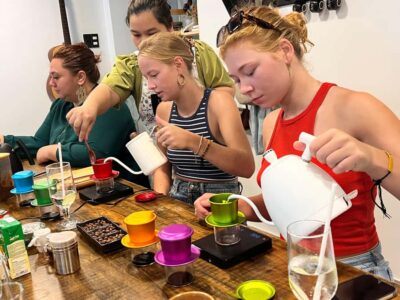
Egg coffee & Course on 4 traditional types of Viet coffee
Read our review →
Decadent Vietnamese “Egg Coffee” Workshop in Hồ Chí Minh City
Read our review →