
REVIEW · BOLíVAR
Cartagena: History, Culture & Coffee Experience
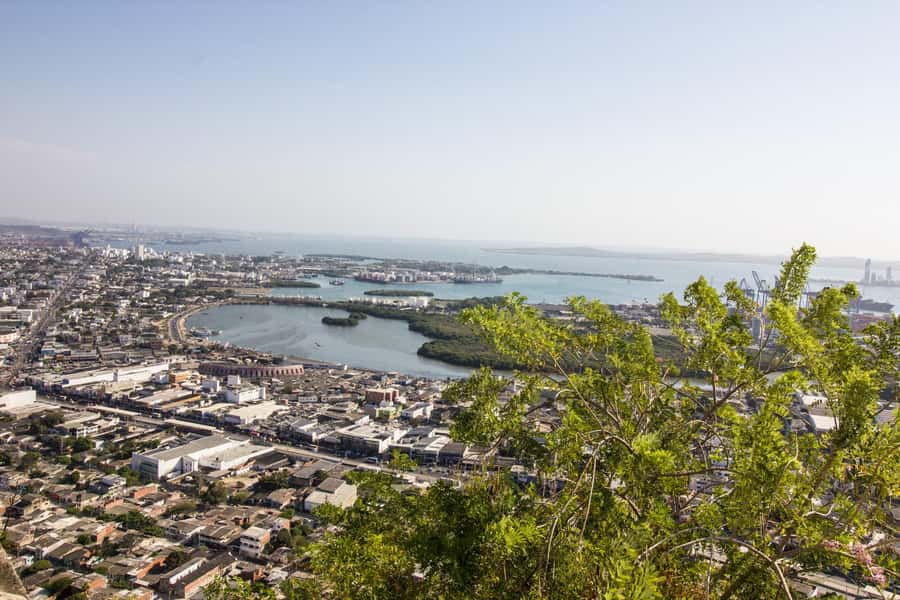
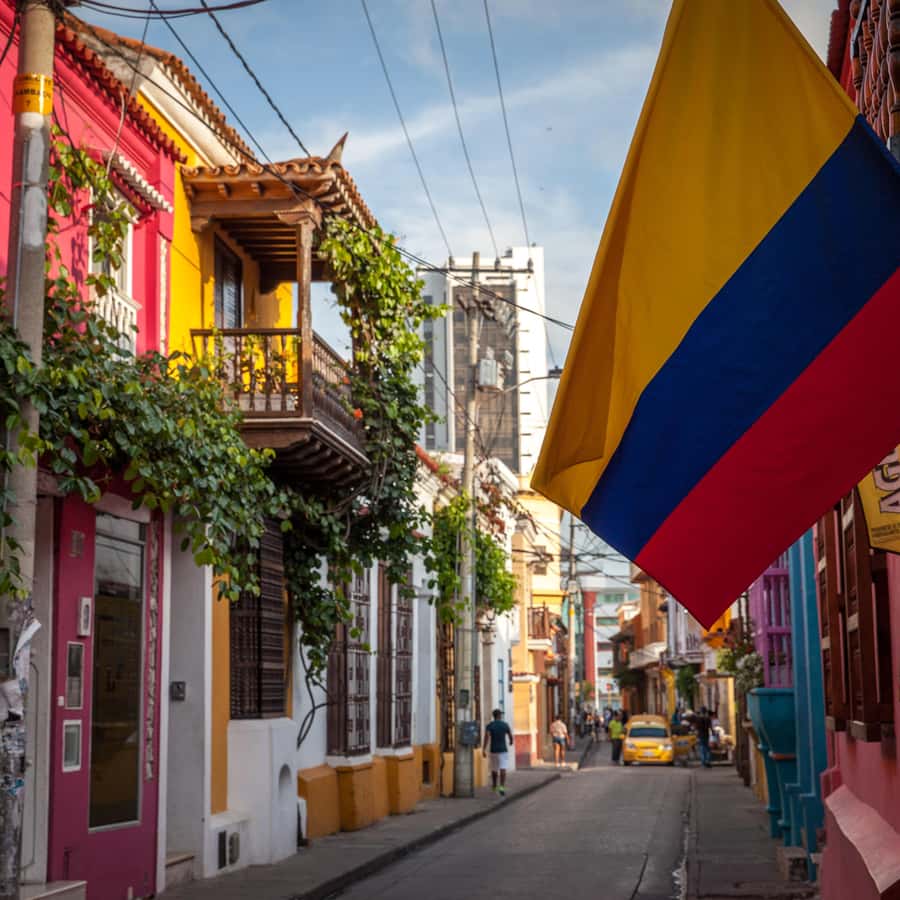
Cartagena’s story comes alive best when you can connect its massive fortifications with the streets they once protected. This private four-hour experience does that neatly, taking you from San Felipe Castle to La Popa Convent, then through the old city and Getsemaní.
I like the mix of major sights and small cultural moments. The coffee tasting gives the history a welcome pause, while the guide-led walk through Plaza de la Aduana, the Clock Tower, San Pedro Claver Church, and Plaza de Bolívar adds meaning to buildings you might otherwise photograph and pass.
The main drawback is the tight schedule. The vehicle is available for only three hours, and the tour finishes on foot in the Historic Center, with no ride back to your hotel. You’ll want good shoes, sun protection, and enough energy for several stops.
Key points to know before booking
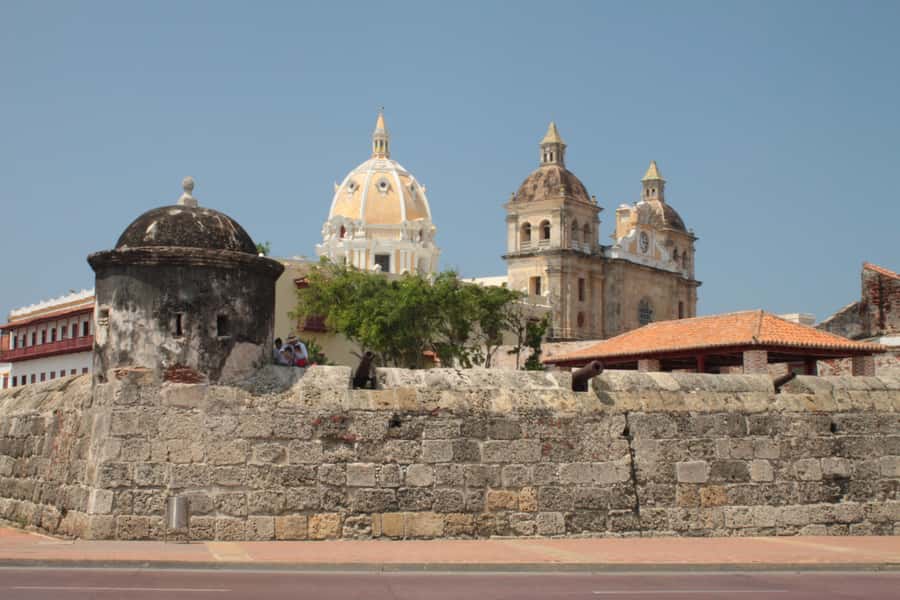
- San Felipe Castle includes tunnels and watchpoints: You get more than an exterior photo stop at Cartagena’s largest Spanish fortress.
- La Popa gives you the city from above: The convent overlooks Cartagena, the bay, and the Caribbean Sea.
- The old-city route has serious historical weight: Plaza de la Aduana was once tied to the forced trade of enslaved Africans.
- The coffee tasting is small but useful: You learn about the flavors and aromas behind Colombia’s global reputation for coffee.
- The final walk reaches Getsemaní: Expect street art, music, murals, and a closer look at local daily life.
- Private touring helps with pace: Guides such as Carlos and Oralis Barrios have been praised for patience, clear English, and accommodating photo stops.
A strong first look at Cartagena’s past
At $152 per person, this is not a bargain-priced sightseeing bus. It is a private experience with entrance fees, a bilingual guide, transport between the first major stops, and a compact coffee tasting included.
That price makes more sense if you are short on time, want a personal guide, or prefer not to arrange taxis between scattered sights. It is less compelling if you only want a quick orientation or already have transport and a detailed plan of your own.
The four-hour format gives you a broad introduction rather than a slow study of any one location. I see that as the tour’s main strength and its main limit. You’ll cover a lot of ground, but you should not expect long, unhurried visits at every stop.
Because this is a private group, you can ask questions as you go. That matters in Cartagena, where a painted doorway, church facade, or plaza often makes more sense once someone explains who built it and why it mattered.
More History Walks in Colombia:
- Trekking History and Indigenous Heritage in Minca + Cacao & Coffee + Waterfall
★ 4.9 · 63 reviews - Kona Shore Excursion: Sea Turtles, Historic Kona & Coffee
★ 4.5 · 324 reviews - Kona Tour: Bee Farm, Kona Coffee, and National Historical Parks
★ 4.5 · 78 reviews
San Felipe Castle, Cartagena’s great defensive machine
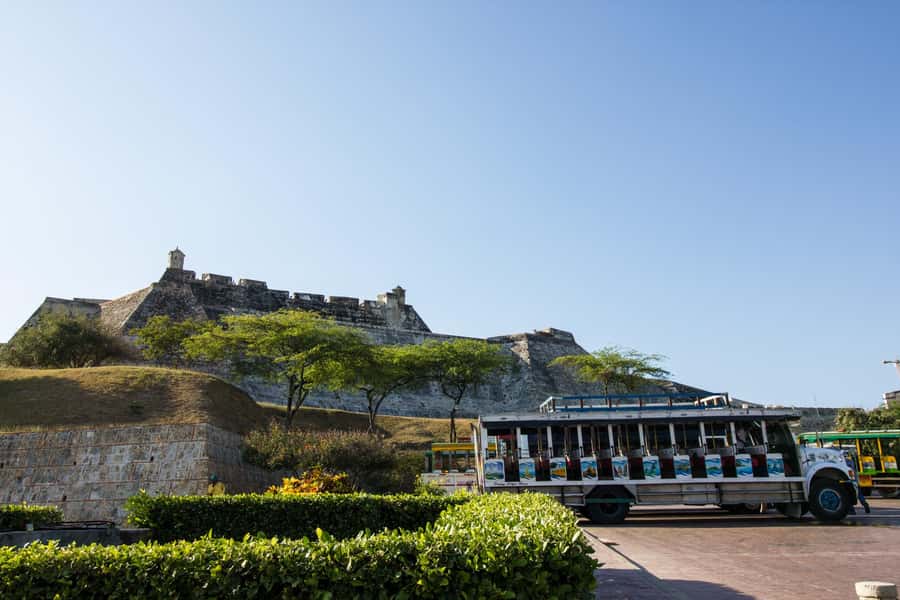
San Felipe Castle is the tour’s most imposing stop. Built by the Spanish to defend Cartagena from pirate attacks, it is the largest Spanish fortification in the Americas. The scale helps explain why Cartagena mattered so much to Spain and why controlling its harbor was worth such enormous defensive works.
You’ll explore underground tunnels and strategic watchpoints rather than simply circling the outside walls. The tunnels are one of the most memorable parts of a visit because they show how the fortress worked as a military system. The watchpoints, meanwhile, connect the stone structure to the sea approaches and the threats it was built to face.
This is where a guide adds real value. The walls are impressive on their own, but the stories about colonial Cartagena give them purpose. You can ask about pirate attacks, Spanish defenses, and the city’s role in the colonial era instead of trying to piece the story together from plaques.
Bring water and wear shoes with a secure grip. The tour information specifically calls for comfortable footwear, and that advice is worth taking seriously when your visit includes tunnels, fortress surfaces, and plenty of walking under the Caribbean sun.
The castle is also a place where the four-hour schedule becomes noticeable. You’ll see important sections and hear the main stories, but this is not a full-day architectural or military study. If San Felipe is your main reason for coming to Cartagena, you may wish you had longer. If you want a well-rounded first visit, the shorter stop keeps the day moving.
La Popa Convent and the best city view
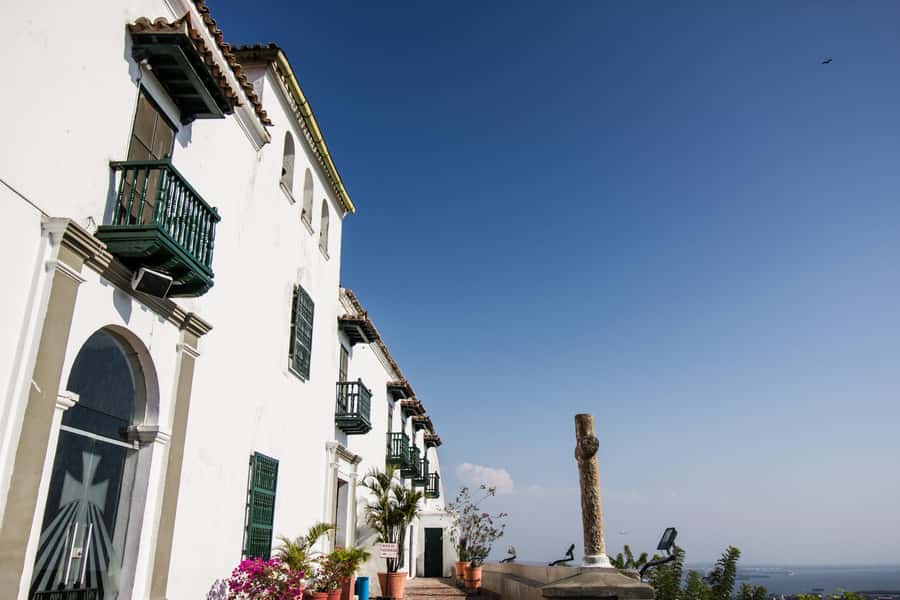
La Popa Convent sits at Cartagena’s highest point, making it a natural contrast to the low, walled streets of the old city. From the 17th-century monastery, you can look across Cartagena, the bay, and the Caribbean Sea.
I like this stop because it gives you a physical sense of the city. After seeing the fortress that guarded the harbor, you rise above the city and see how its pieces fit together. The view also gives you a break from close streets and stone walls.
The convent itself adds another layer. It is not simply a lookout point. It is a 17th-century religious site, and the guide can help place it within Cartagena’s colonial past. The stop is especially useful early in your visit because the broad view gives you a better mental map for the historic center and waterfront.
The road transfer to La Popa is part of the reason a private vehicle is useful. The vehicle is available during the first three hours, including the San Felipe and La Popa visits. After that, the remaining portion takes place on foot.
Sun protection matters here. Pack a hat, sunscreen, and water, especially if you are visiting during a hot part of the day. The official advice also asks you to bring a passport or ID card, so keep identification handy rather than leaving it at your hotel.
Walking through Cartagena’s colonial center
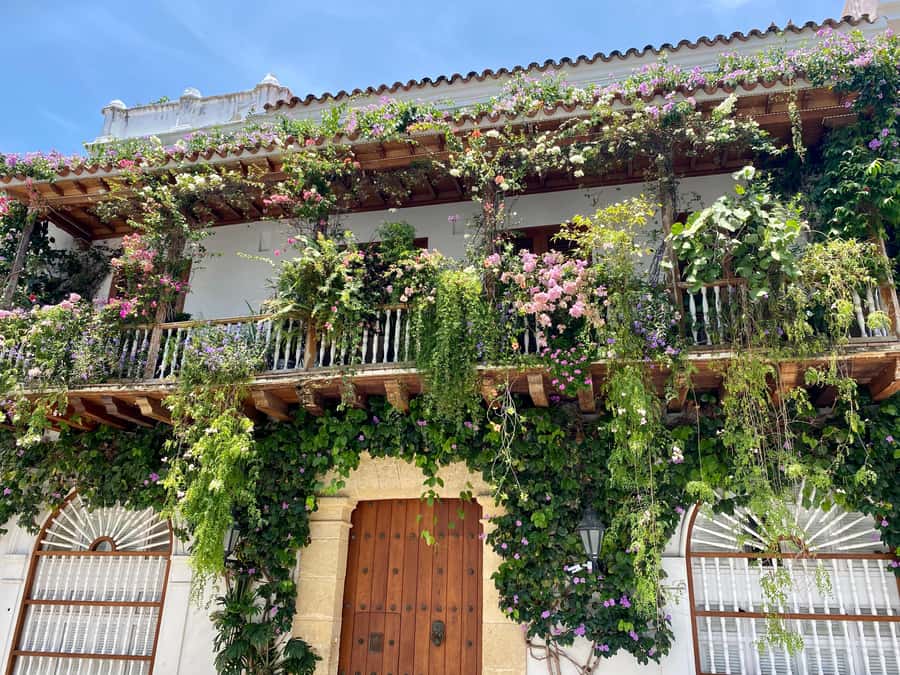
The Historic Center is where the tour shifts from major monuments to street-level stories. You begin around Plaza de la Aduana, once the main trading hub for enslaved Africans during the colonial era.
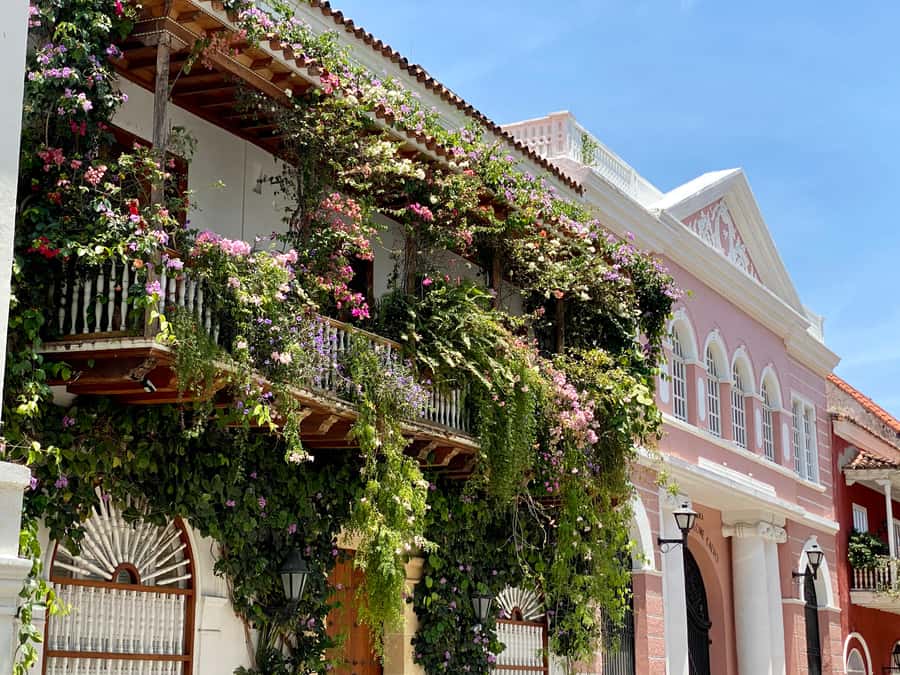
That history deserves direct attention. Cartagena’s pretty colonial facades can make it easy to focus only on balconies, plazas, and bright colors. The story of forced labor gives the area a harder and more honest context. A guide can help you see the old trading district as more than a picturesque backdrop.
From there, you pass through the Clock Tower, one of Cartagena’s best-known entrances. It links the old city with the areas beyond the walls and acts as a natural marker for the walk. The route then continues to San Pedro Claver Church.
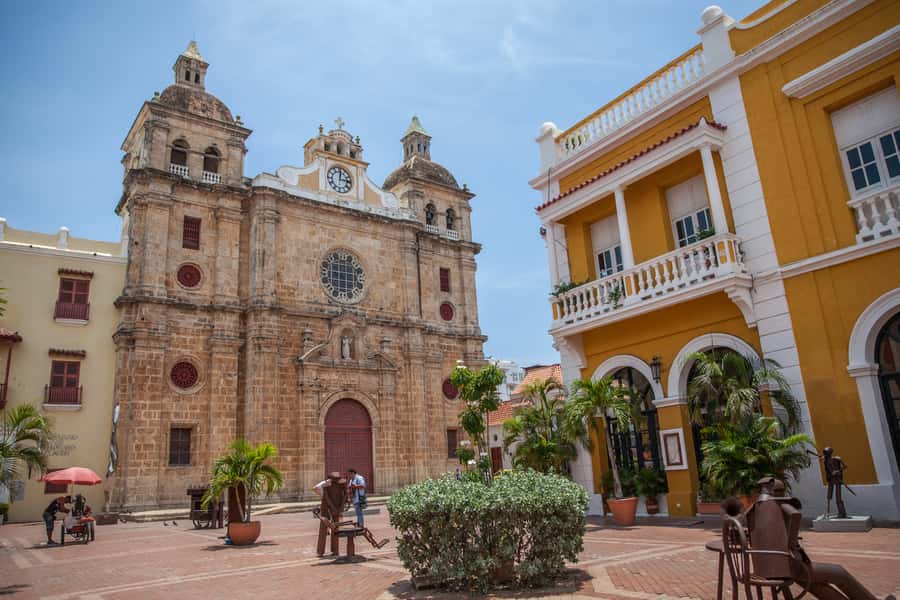
San Pedro Claver Church honors the patron saint of human rights. Its place in the tour adds a moral and religious dimension to the colonial story. The church is not presented as an isolated monument. It helps you consider the people caught up in the systems that built Cartagena’s wealth and power.
At Plaza de Bolívar, you’ll have a chance to slow down. The square is surrounded by colonial buildings and offers a more open setting after the narrower streets near the Clock Tower. I like having this kind of pause built into a walking route. It gives you time to look around, take pictures, and ask questions without feeling that you are constantly being hurried to the next address.
The old city can be visually busy, with architecture, shops, music, and people competing for your attention. A private guide helps you decide what deserves your focus. You can also ask for more detail on the buildings that catch your eye instead of following a fixed group script.
More Coffee Tours in Colombia:
- Medellin: Coffee Tour with Transport, Snacks and Tastings
★ 4.7 · 1,357 reviews - Medellín Coffee Farm Tour with Trolley and Cable Car Ride
★ 4.9 · 277 reviews - Coffee Tour at the Finca del Café
★ 5.0 · 213 reviews - Medellin: Coffee Tour and Wellness Spa
★ 4.8 · 209 reviews
Colombian coffee as a short cultural lesson
The coffee tasting is small, but it gives the tour a useful change of pace. Rather than making the entire experience a sequence of churches, walls, and plazas, it introduces one of Colombia’s best-known products through flavor and aroma.
You’ll learn why Colombian coffee is celebrated around the world and how its distinct qualities are recognized. The tasting is not described as a full meal or a long workshop, so set your expectations correctly. It is a compact stop that adds local flavor to a history-focused itinerary.
I find these short tastings most valuable when you treat them as a chance to ask questions. You can use the moment to talk with your guide about Colombian coffee, local habits, and the role of coffee in the country’s image abroad. Since unspecified food and drinks are not included, do not count on this replacing lunch or a larger refreshment stop.
If you are sensitive to caffeine, keep the tasting modest. The important part is the explanation and the sensory experience, not drinking a large quantity.
Centenario Park and the walk toward Getsemaní
Centenario Park brings a bit of green space into the city route. It sits in the middle of Cartagena and is known for sloths, monkeys, and iguanas roaming freely.
You might not see every animal on every visit, so think of this as a chance to look rather than a guaranteed wildlife encounter. The park still offers a pleasant change from the hard surfaces of the fortress and colonial streets. It also shows how everyday city life and small pockets of nature share the same urban space.
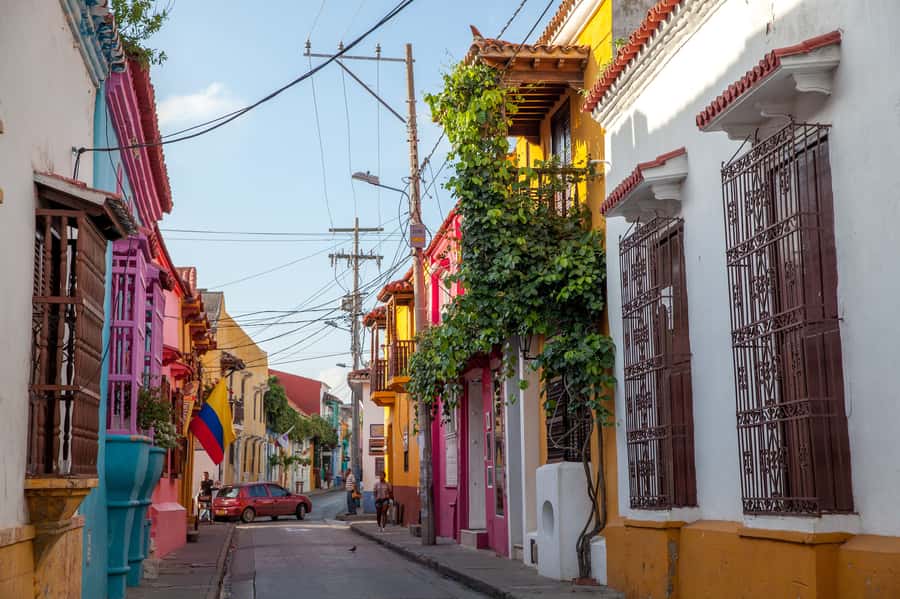
From there, the route continues into Getsemaní, one of the most characterful parts of the experience. This neighborhood is described as the heart of Cartagena’s local culture, with street art, colorful murals, music, and welcoming residents.
Getsemaní feels different from the formal plazas and church facades of the Historic Center. The old city introduces Cartagena through colonial power and grand architecture. Getsemaní brings you closer to the city’s present-day creative energy and neighborhood life.
This is also where the tour ends. The finish is on foot in the Historic Center, and transportation back to your hotel is not included. That detail affects your planning. If you are staying in the old city or nearby, you may be able to continue your day easily. If your hotel is farther away, arrange your own ride before the tour ends.
The value of a private guide
The private format is one of the clearest reasons to consider this experience. You are not locked into a large group’s questions, photo stops, or walking pace. That can be especially helpful if someone in your party has limited mobility or needs extra time.
One guest described a guide named Carlos as punctual, fluent, friendly, patient, and willing to pause for many pictures. That is exactly the kind of guide you want on a route with several historic stops. Another guide, Oralis Barrios, has also been praised for making the day feel personal.
Those names do not guarantee who will lead your departure, but they show the level of guide interaction this experience can provide. The tour is offered in English and Spanish, and the guide’s role is not limited to transport. You can expect explanations of the city’s colonial past, answers to questions, and help connecting one stop to the next.
A private tour can also make the schedule easier for a group with a knee problem or mixed walking ability. The route still requires walking, and the day is not effortless, but a patient guide can adjust the pace more readily than a large shared group.
The activity is listed as wheelchair accessible. Still, it is wise to discuss your needs when booking because the experience includes a fortress, a hilltop convent, uneven historic areas, and a walking finish. Accessibility is stated, but the exact route conditions for your party are not detailed.
Timing, pickup, and what to bring
The stated duration is four hours. Hotel pickup is available in Cartagena’s Historic Center and Bocagrande, while pickup from the Manzanillo area costs extra. Pickup is not offered from the Manzanillo or Baru area under the standard arrangement.
Enter your pickup details carefully when booking. If your hotel is outside the included pickup zones, contact the provider to arrange the extra cost rather than assuming a standard transfer is covered.
The vehicle is available for only three hours while you visit San Felipe Castle and La Popa Convent. The remaining time is spent walking through the Historic Center, Centenario Park, and Getsemaní. This division is practical, but it means you should not expect to be driven back after the final stop.
Bring:
- Passport or identification card
- Comfortable walking shoes
- Sunscreen
- Water
- A hat or other sun protection
Alcohol and drugs are not allowed, and you should not go barefoot. These are basic rules, but the clothing advice matters more than it may seem. Cartagena’s heat, fortress surfaces, and walking route can make a stylish but uncomfortable outfit a poor choice.
Free cancellation is available up to 24 hours before the experience for a full refund. You can also reserve now and pay later, which helps if your schedule is still changing.
Who will get the most from this tour
I would choose this experience for a first visit to Cartagena when I wanted the major sights explained in one private half-day. It suits couples, families, and small groups who value personal questions and a flexible pace more than the lowest possible price.
It is also a good fit if you are staying in the Historic Center or Bocagrande and want pickup handled for you. The combination of fortress, convent, old-city walk, coffee, park, and Getsemaní gives you a useful overview of Cartagena’s military, religious, colonial, and current local character.
You may want a different plan if you prefer slow museum visits, long meals, or a single neighborhood explored in depth. Four hours is enough for a strong introduction, not enough for every interior, street, and historical detail.
Should you book it?
Book this tour if you want Cartagena’s headline sights connected by clear stories, and if a private bilingual guide is worth paying for. San Felipe Castle and La Popa Convent give you the grand views and fortifications, while the old-city walk, coffee tasting, Centenario Park, and Getsemaní keep the experience from feeling like a monument checklist.
The price is easiest to justify for first-time visitors, groups with limited time, or anyone who wants help with transport between the opening sights. Before booking, confirm your pickup area and make a plan for getting back after the walking finish.
FAQ
How long does the Cartagena History, Culture & Coffee Experience last?
The experience lasts four hours.
Is hotel pickup included?
Pickup is included from hotels in Cartagena’s Historic Center and Bocagrande. An additional cost applies for hotels in the Manzanillo area. Pickup from the Manzanillo or Baru area is not included in the standard arrangement.
Does the tour include transportation for the full four hours?
No. The vehicle is available for three hours while you visit San Felipe Castle and La Popa Convent. The tour then continues on foot and ends in the Historic Center.
Is transportation back to the hotel included?
No. The tour ends on foot in the Historic Center, and return transportation to your hotel is not included.
Which languages are available?
The live tour guide is available in English and Spanish.
Are entrance tickets included?
Yes. Entry tickets to San Felipe Castle and La Popa Convent are included.
What should I bring?
Bring a passport or identification card, comfortable shoes, sunscreen, and water. A hat and comfortable clothing are also recommended for sun protection.
Just listed in Colombia
- Salento: Coffee Master Roasting, Brewing and Tasting Tour★ 4.8 · 6 reviews
- Private Tour to Coffee Farm (farm of your choice)★ 5.0 · 2 reviews
- Medellin: Coffee Farm Tour & Spa with Overnight Glamping★ 4.5 · 3 reviews
- Minca: Hidden Waterfall + Coffee and Cocoa Workshop★ 4.9 · 6 reviews
- Most complete COFFEE TOUR at local family farm★ 5.0 · 2 reviews
- Medellin: Coffee and fruit tour★ 4.9 · 12 reviews
- Medellin: The Best Coffee Tasting Experience★ 5.0 · 5 reviews
- Medellin: Avoeden Café Coffee Brewing Workshop★ 5.0 · 12 reviews
Historical Tours, compared.

Kona Shore Excursion: Sea Turtles, Historic Kona & Coffee
Read our review →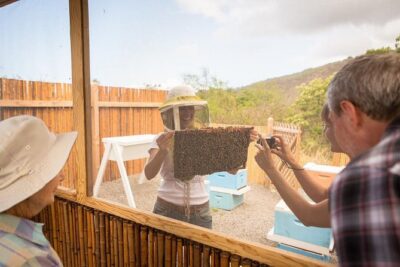
Kona Tour: Bee Farm, Kona Coffee, and National Historical Parks
Read our review →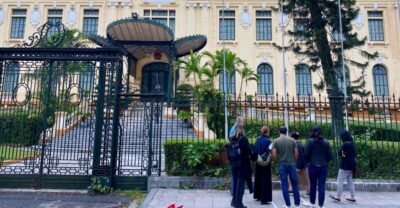
Coffee, History, and Architecture of the French Quarter
Read our review →
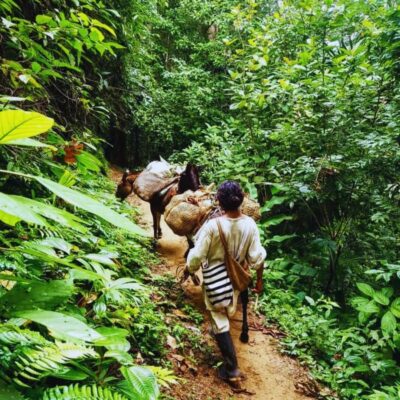
Trekking History and Indigenous Heritage in Minca + Cacao & Coffee + Waterfall
Read our review →
Make 6 Iconic Coffees in a Heritage Home with Locals
Read our review →
Colima Volcano Cultural Tour: Coffee Plantation, Hacienda and Comala Magic Town
Read our review →
Savannah History plus Coffee and Chocolate Walking Tour
Read our review →Lists this coffee tour turns up in