
REVIEW · CUNDINAMARCA
Bogota: Colombian Coffee Tasting
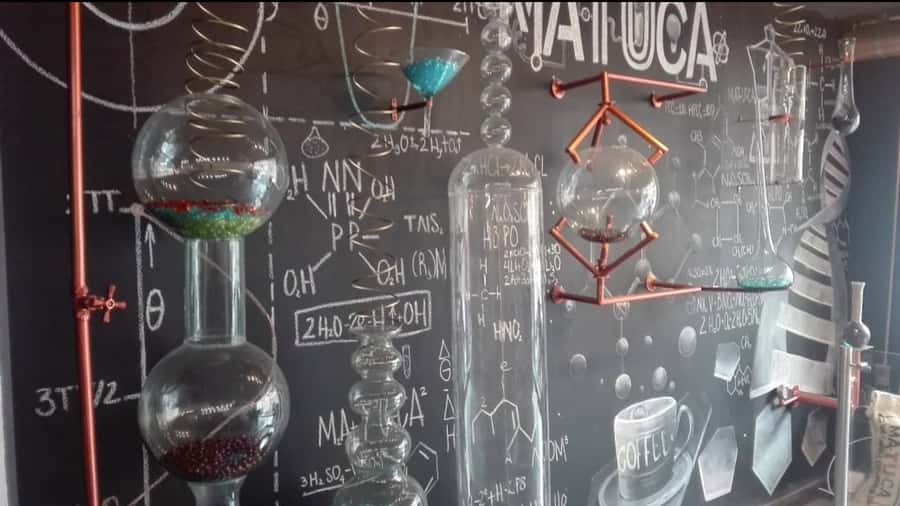
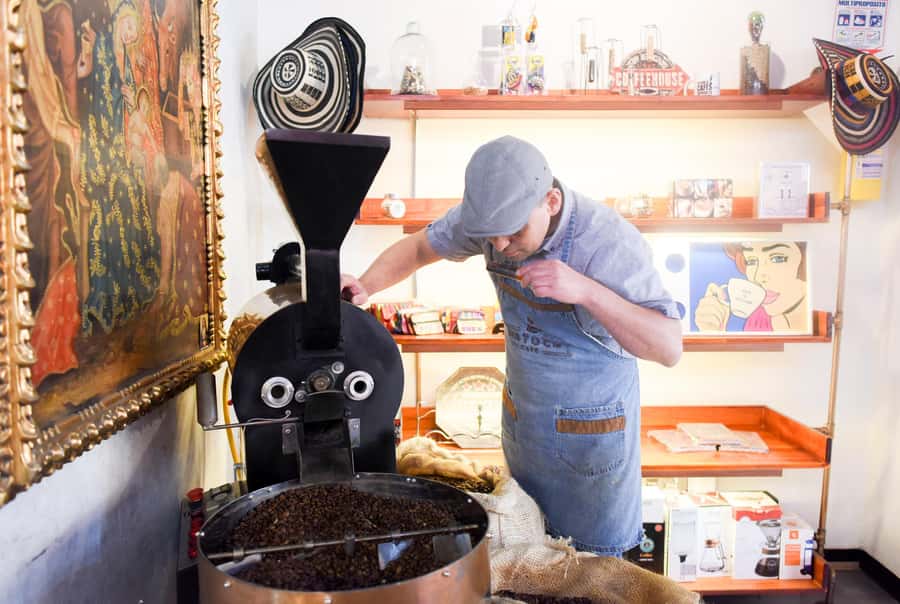
Colombian coffee gets its character long before it reaches your cup. At Café Matuca, you follow that journey through coffee history, production, aroma, acidity, brewing, and tasting. The best part is that you do not just sip a finished drink. You learn how to notice what is in it.
I like the hands-on tasting tests and the chance to try unusual foods made with coffee. I also like the personal feel, especially when René, the café owner, leads the session and explains coffee from growing beans to the final brew.
The main drawback is the setting. Café Matuca is in central Bogotá, close to the Gold Museum, but one review notes that the immediate area does not feel especially comfortable. There is no hotel pickup, so you must make your own way to the café.
Key points
- Two hours of practical coffee training: Learn production, history, flavor, aroma, acidity, and brewing in one compact session.
- Your own final cup: Finish by brewing and tasting coffee to suit your preferences.
- English or Spanish guidance: René and other café staff have led sessions in both languages.
- More than a coffee flight: Taste sweets, cookies, and other products made with coffee.
- Excellent value at $25: The price includes the tasting, food samples, guide, and brewing lesson.
- Easy to pair with Bogotá sightseeing: Café Matuca is about two minutes from the Gold Museum.
Starting at Café Matuca on Bogotá’s Carrera 5
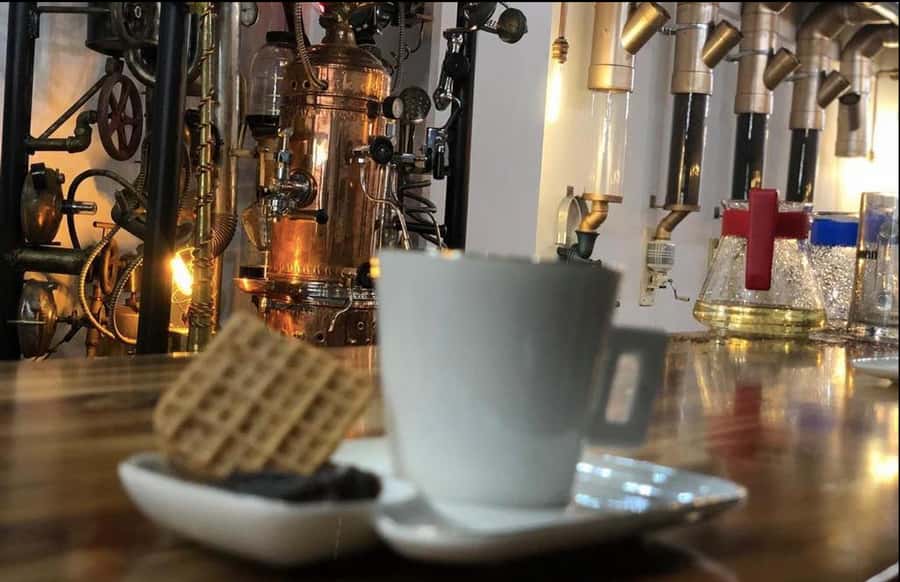
You meet your guide at Café Matuca, located at Carrera 5 #16-42, on the second floor. This is a central Bogotá address, and the café’s location makes the tasting easy to pair with a visit to the Gold Museum, which is only about two minutes away.
You do not get hotel transportation, so allow time to reach the café independently. The meeting point is specific, but the second-floor location matters. Look for Café Matuca at the stated address and head upstairs rather than waiting for a guide outside on the street.
The session lasts two hours. That is long enough for a real introduction without taking up an entire day of your Bogotá visit. I would schedule it before or after nearby sightseeing, rather than trying to cross the city immediately afterward.
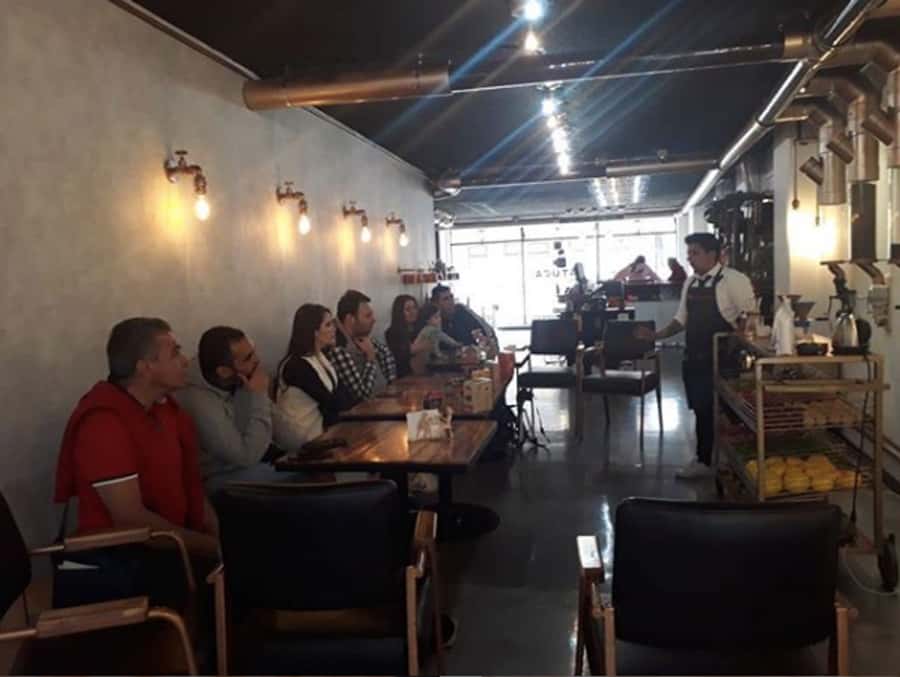
The café setting also gives the activity a personal quality. This is not a large production with a stage and a rehearsed speech. Depending on the day, your guide may be the owner, René, or another member of the café team. René has led English-language tastings and is especially associated with explaining the full coffee process, from cultivation to drinking.
More Coffee Tastings in Colombia
- Coffee tasting experience at Divino Café Especial
★ 5.0 · 57 reviews - Bogota: Coffee Tasting Experience Tour with Exotic Varieties
★ 4.1 · 13 reviews - Bogota: Coffee Tasting, Roasting, Filtration & Espresso Tour
★ 5.0 · 4 reviews
Colombia’s coffee story, from bean to cup
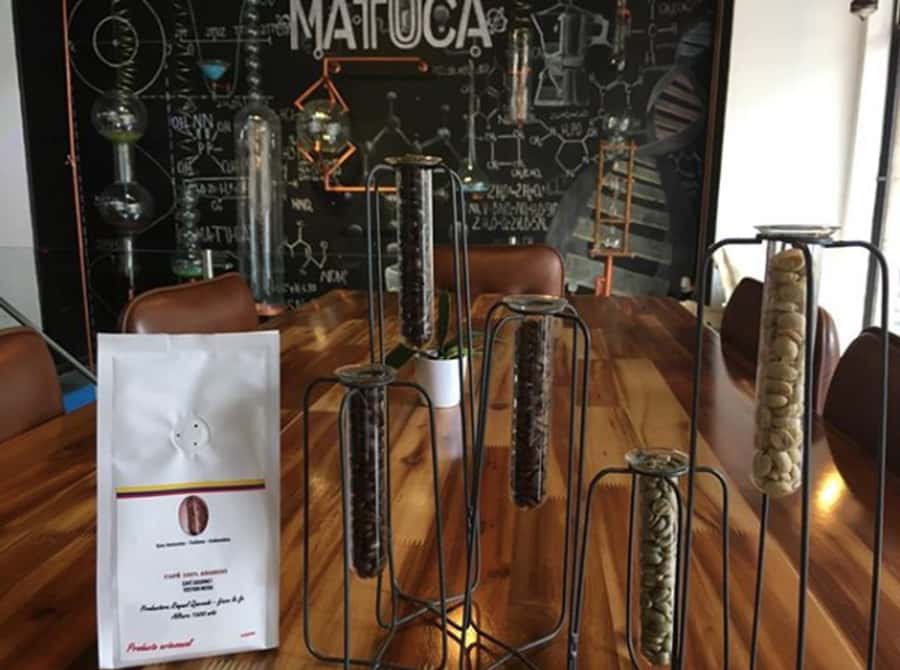
The first part places Colombian coffee in context. You learn about the country’s coffee history and the industry that has made Colombian beans famous around the world.
The stated flavor profile is balanced, rich, and nutty. Those broad descriptions are useful starting points, but the session goes beyond repeating them. You learn how to look for different flavors and how your senses respond to the coffee in the cup.
This background matters because coffee can seem simple when you only think of it as a morning drink. The plant, the bean, the processing, the roast, the grind, the water, and the brewing method all affect the final result. A guided explanation helps connect those steps.
I especially like that the lesson begins with coffee production rather than jumping straight into tasting. You get a clearer sense of why two cups can taste different even when both come from Colombia. It also gives you better questions to ask when buying beans or ordering coffee later in your trip.
The language choice is another practical strength. The session is available in English or Spanish, and the English presentation has been praised for being clear and thorough. If you speak only basic Spanish, you can still book with confidence, but confirm your preferred language when arranging the activity.
Learning to taste with aroma and acidity tests
Coffee tasting can sound intimidating, but the planned tests make it concrete. You conduct an aroma test and an acidity test, then use those exercises to recognize differences between coffees.
The aroma portion trains you to smell before you drink. That may sound obvious, but many people rush straight to the first sip. Slowing down helps you notice the scents that shape your impression of the coffee.
The acidity test is not about whether the coffee tastes unpleasantly sour. In coffee, acidity can add brightness and definition. The guide helps you understand what you are tasting instead of leaving you with vague labels such as good or strong.
This is one of the most useful parts for someone who already drinks coffee at home. You begin to separate bitterness, acidity, aroma, sweetness, and body in your own mind. You do not need to become a coffee professional. The goal is simply to pay closer attention and make better choices.
The tasting is also a good fit for people who rarely drink black coffee. A guided session gives you a way to compare cups and ask questions without having to pretend you already know the vocabulary. The process is educational, but it remains relaxed and food-focused.
Sampling coffee sweets, cookies, and unexpected products
Coffee is not limited to a mug here. The experience includes sweets and cookies, along with other interesting products made from the coffee bean.
This part adds variety to the two-hour session. You are not tasting several similar cups without a break. Instead, you see how coffee can work as an ingredient in food and how its flavor changes outside the brew.
The exact products can vary, so I would not book this expecting a fixed menu. The important point is that edible coffee products are part of the activity, and the included sweets and cookies make the tasting more approachable.
There is also a cultural value to this section. Coffee is not only an export or a beverage in Colombia. It is part of everyday food and café life. Trying it in different forms gives you a broader picture than a standard cup of coffee would.
If you have a sweet tooth, this is a clear bonus. If you prefer a strictly technical tasting, the food may feel like a lighter part of the program, but it still breaks up the lesson nicely.
More Coffee Tastings in Bogota:
- Hanoi Coffee Experience: 6 Brews, 9 Recipes & 3 Liquor Tastings
★ 5.0 · 2,945 reviews - Medellin: Coffee Tour with Transport, Snacks and Tastings
★ 4.7 · 1,357 reviews - Seattle Coffee Tour: Capitol Hill Cafes, Tastings & Local Stories
★ 5.0 · 489 reviews - Buggy Ride Into the jungle with cave coffee & chocolate tasting
★ 5.0 · 465 reviews
Comparing brewing methods before making your own
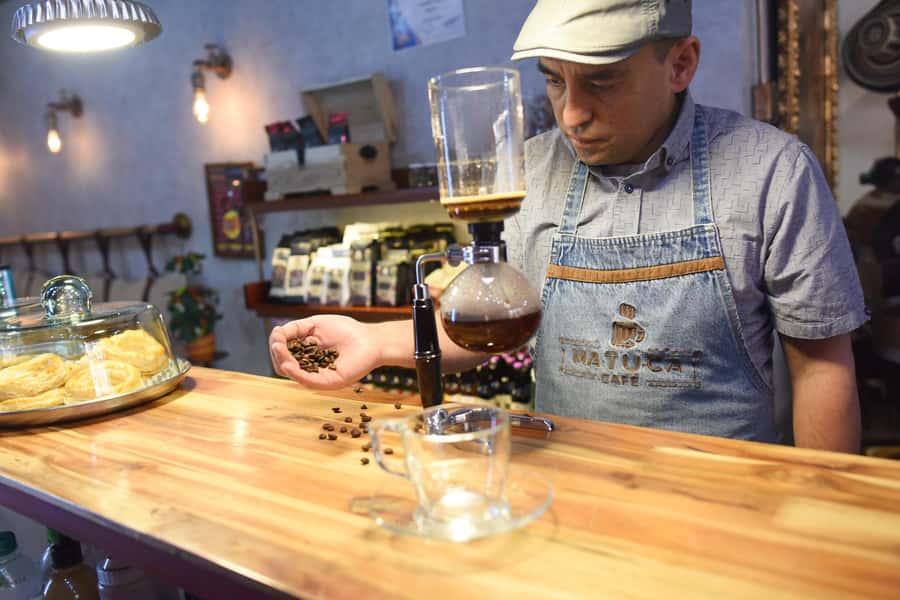
After the flavor work, the guide introduces several coffee brewing techniques. This is where the session becomes especially practical.
Brewing method affects how the coffee expresses itself. The same beans can taste different depending on how they are prepared, and the guide shows you why. You learn that making a good cup involves more than pouring hot water over ground coffee.
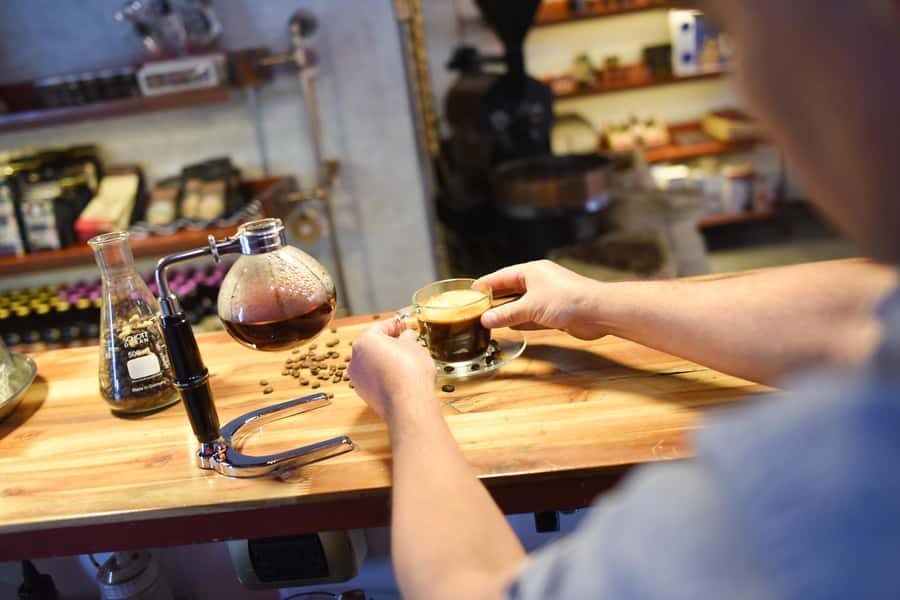
The activity ends with you brewing and tasting your own cup. That final step gives the lesson a satisfying purpose. You are not just watching the guide prepare coffee. You use what you have learned about aroma, acidity, and brewing to create a cup that suits your taste.
I like this format because it turns information into a skill. You leave with something you can use at home, even if you never buy specialty equipment. The point is not to copy a complicated café routine. It is to understand how small changes in preparation can alter your drink.
The final cup also helps you see how personal coffee preferences can be. There is no single perfect coffee for everyone. The activity uses the phrase perfect cup, but the useful lesson is that your ideal cup depends on what you enjoy.
The guides: René, café owners, and a personal teaching style
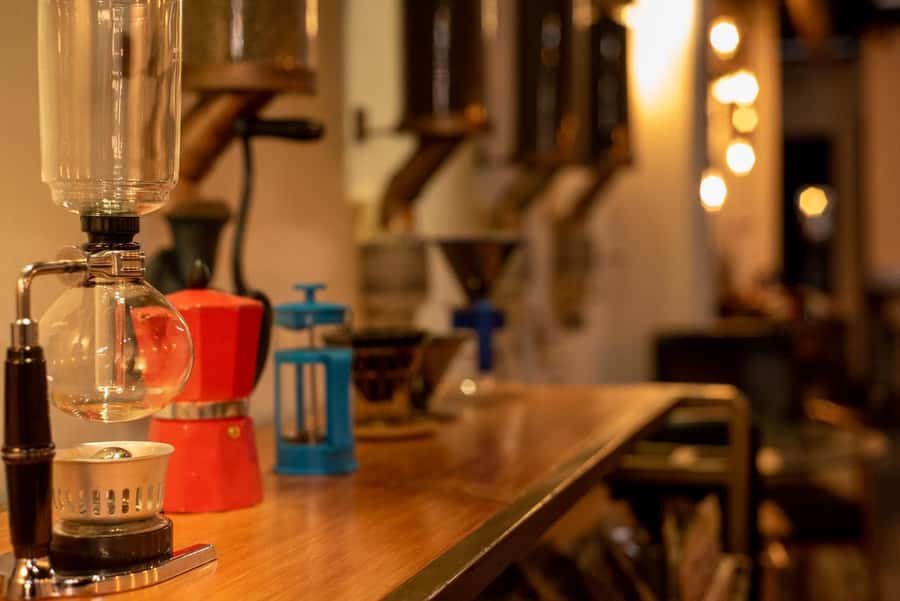
The strongest praise centers on the guides’ enthusiasm and clear explanations. René, identified in several sessions as the café owner, has led English-language tastings and explains coffee with obvious passion. His knowledge covers the path from growing beans to drinking the finished coffee.
Other guides have included Nicolás and baristas from the café team. The exact host can vary, but the experience is built around a live guide rather than an audio presentation or printed lesson.
That personal approach is important in a tasting. You can ask why one coffee smells different from another, what a brewing choice changes, or how Colombian coffee fits into the global market. A good guide can adjust the pace and spend more time on the parts that interest you.
The experience also suits solo visitors. One person who attended alone found the café friendly and welcoming, which suggests that you do not need to arrive with a group to enjoy the format. Couples and small groups can take part together, but the lesson is not dependent on having a large party.
The one point to keep in mind is that the name of your guide is not guaranteed. René may lead the activity, but another café team member may host you. The consistent features are the live instruction and the availability of English and Spanish.
Is $25 good value for two hours?
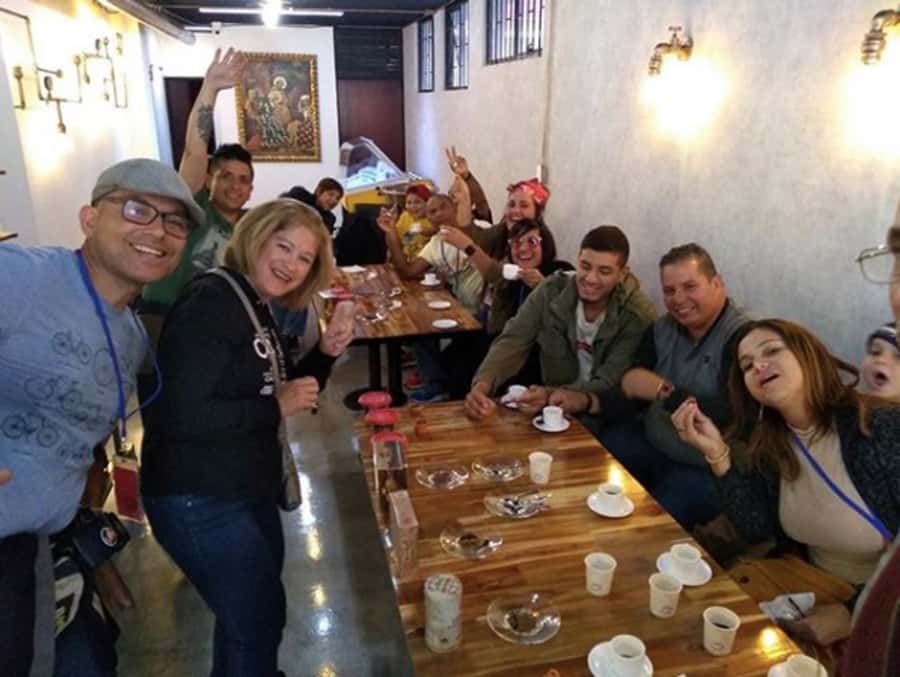
At $25 per person, this is a reasonable price for a two-hour guided tasting in central Bogotá. The cost includes the coffee, sweets and cookies, the guide, the tasting exercises, and the chance to brew your own cup.
The value comes from the teaching as much as from the drinks. A café visit might cost less if you simply order one cup, but it would not include an explanation of Colombian coffee production, aroma and acidity tests, multiple brewing methods, or hands-on preparation.
The price also compares well with the time involved. Two hours gives you a focused activity without requiring a full-day trip outside Bogotá. You do not need transport to a plantation for this introduction, and you can fit it around nearby museums and historic sights.
I would consider it particularly good value if you are curious about coffee but do not yet know much about it. Experienced coffee drinkers may still enjoy the tasting, though the benefit will depend on how much technical information they already have.
The included food samples help, too. You are not paying only for a lecture. The session combines education, tasting, snacks, and practice in one visit.
Where it fits into a Bogotá day
Café Matuca’s location is the main planning advantage. The Gold Museum is about two minutes away, so you can combine the coffee tasting with one of Bogotá’s major cultural stops.
A coffee session before the museum can give you a calm, structured start to the day. Scheduling it afterward may be better if you want to discuss what you learned while walking to your next stop. Either way, the short distance saves you from adding another long taxi ride.
You should also allow for the character of central Bogotá. One person found the immediate area less appealing, so use ordinary city awareness when arriving and leaving. The activity itself takes place inside the café, but the surrounding streets are part of the practical calculation.
Since hotel pickup is not included, check your route before booking a start time. The activity page provides starting times through availability, so select a slot that leaves room for getting to the second-floor café without rushing.
Free cancellation is available up to 24 hours in advance for a full refund. You can also reserve now and pay later, which is helpful if your Bogotá schedule is still changing.
Who will enjoy this coffee tasting most?
I would recommend it first to anyone who enjoys coffee and wants more than a quick café stop. You learn enough about production and preparation to change the way you taste your next cup.
It also suits people who want an indoor activity in central Bogotá. The two-hour format is manageable, the language options are clear, and the tasting does not require a day trip into the countryside.
Food-focused visitors will appreciate the coffee sweets, cookies, and other edible products. The activity gives you several ways to encounter the coffee bean, not just a series of drinks.
Solo visitors can book it, and the friendly café format makes it less awkward than joining a large group excursion. Couples and friends will also have plenty to discuss as they compare aromas, acidity, brewing methods, and final cups.
I would be less enthusiastic if you want to visit a working coffee farm, see coffee plants, or tour a rural processing facility. None of those are part of the stated program. This is a city café lesson about Colombian coffee, not a plantation visit.
Final verdict: Book it if coffee is part of your Bogotá plans
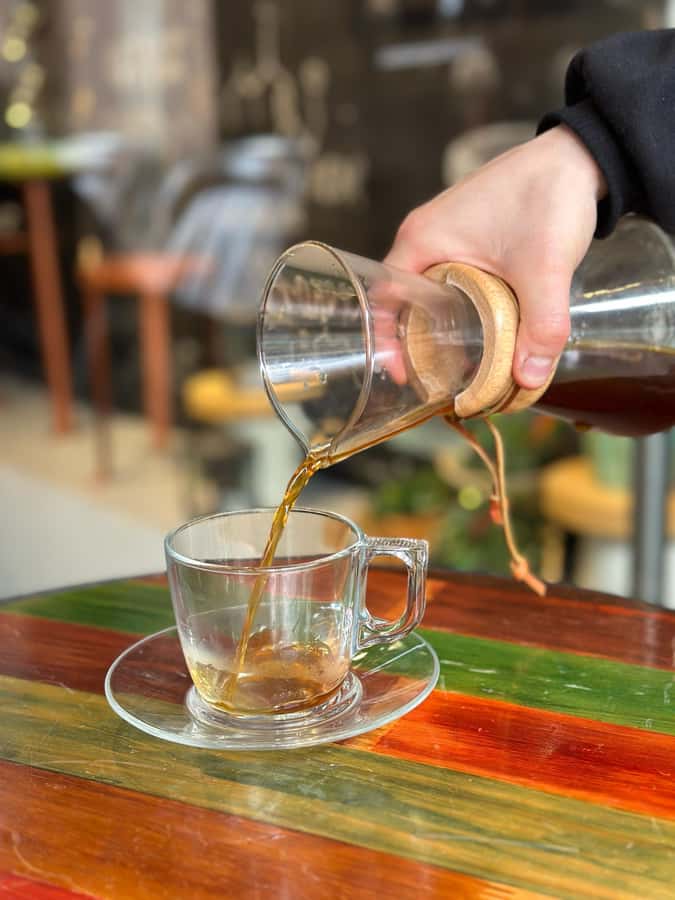
I would book the Café Matuca tasting if you want a practical introduction to Colombian coffee, especially when you have only a few days in Bogotá. The $25 price is fair for two hours of instruction, tasting, snacks, and hands-on brewing.
The biggest strengths are the personal guides, the aroma and acidity exercises, and the final cup you prepare yourself. The activity has earned a 4.8 rating from 92 bookings, and the repeated praise focuses on clear teaching, enthusiasm, excellent coffee, and strong value.
Keep your expectations precise. You are not going to a coffee farm, and the surrounding central-Bogotá area may not be your favorite place to wander. But if you can get to the second floor of Café Matuca and want to understand why Colombian coffee tastes the way it does, this is a smart, compact addition to your itinerary.
FAQ
Where does the Colombian coffee tasting take place?
Meet at Café Matuca at Carrera 5 #16-42, piso 2, Bogotá 110321. The café is on the second floor.
How long does the coffee tasting last?
The experience lasts two hours.
What languages are available?
The live guide can lead the activity in English or Spanish.
What is included in the price?
The $25 price includes the coffee tasting, sweets and cookies, and the English or Spanish-speaking guide.
Is hotel pickup included?
No. Hotel pickup and drop-off are not included, so you must arrange your own transportation to Café Matuca.
Can I cancel or pay later?
You can cancel up to 24 hours before the activity for a full refund. You can also reserve your place and pay later.
More Eating and Drinking in Bogota
- Vienna for Food Lovers: Cafés, Markets & Austrian Cuisine
★ 5.0 · 1,063 reviews - Hanoi: Vietnamese Street Food Tour with Egg Coffee
★ 4.9 · 315 reviews - Da Nang Cooking Class with Coffee Tasting and Market Visit
★ 5.0 · 310 reviews - Hungry in Vienna? A Food Lover’s Coffee & Market Walk
★ 4.9 · 276 reviews
Just listed in Bogota
- From Bogotá: Coffee Farm Experience Private Day Tour★ 5.0 · 8 reviews
- Bogotá: Guided Coffee Tour with Lunch, and Pickup & Drop-Off★ 4.8 · 5 reviews
- Coffee Experience: Hacienda Coloma Tour from Bogotá★ 4.4 · 11 reviews
- Bogotá: Experience of a coffee competition★ 5.0 · 2 reviews
- Bogota: Roasting Experience Tour with Exotic Coffee★ 4.6 · 2 reviews
- Bogota: Coffee Tasting, Roasting, Filtration & Espresso Tour★ 5.0 · 4 reviews
- Bogota: Coffee Tasting Experience Tour with Exotic Varieties★ 4.1 · 13 reviews
- Bogota: Coffee Tour, Filtration and Espresso Experience★ 3.6 · 6 reviews
Coffee Tastings, compared.
Hanoi Coffee Experience: 6 Brews, 9 Recipes & 3 Liquor Tastings
Read our review →
Coffee Tour with Transport, Snacks and Tastings
Read our review →
Seattle Coffee Tour: Capitol Hill Cafes, Tastings & Local Stories
Read our review →
Da Nang Cooking Class with Coffee Tasting and Market Visit
Read our review →
Private Walking Tour, Food Tasting and Bosnian Coffee in Sarajevo
Read our review →
Poás Volcano and Coffee Tour with Tasting and La Paz Falls
Read our review →
Coffee Farm Tour with Roasting & Tasting Workshop – Da Lat
Read our review →Lists this coffee tour turns up in