
REVIEW · BOLíVAR
Cartagena: Colombian Specialty Coffee Tasting
Cartagena’s Café 472 turns coffee into a two-hour lesson for your senses. You’ll trace Colombian coffee from plantation and parchment bean to finished cup, then compare three brewing methods, including Chemex, V60, and the Hario TCA-5 siphon. I like the hands-on aroma and flavor work, especially the fresh fruit, dried fruit, and chocolate comparisons. I also like that guides such as Tomás, Santiago, Pedro, and Arturo explain the subject with real enthusiasm rather than simply pouring coffee.
The main drawback is that this can feel more like a polished lecture than a casual café chat. The session may also run longer than the advertised two hours, and the meeting address has caused confusion, so confirm the exact location before setting out. Skip strong fragrances, since they interfere with the tasting.
Key points to know before booking
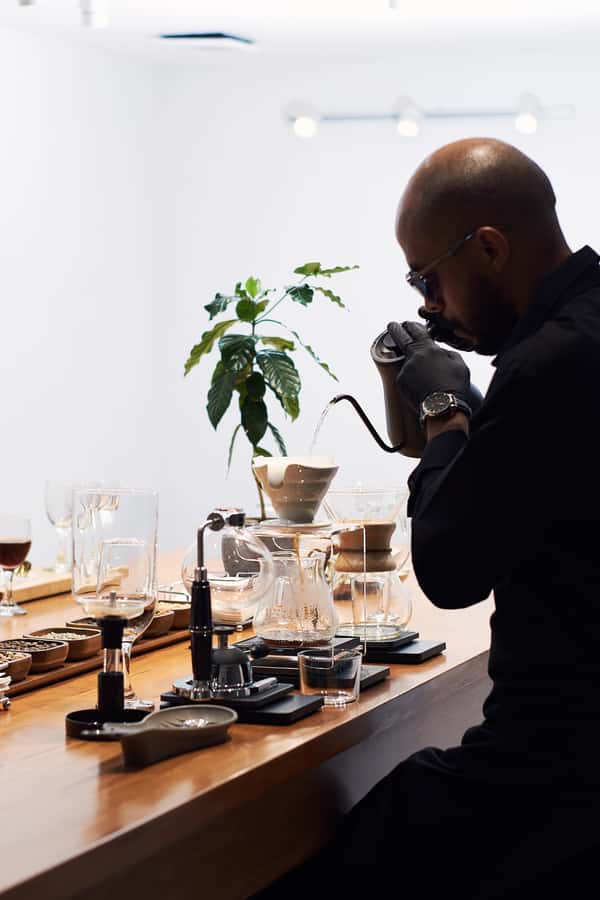
- Three Colombian coffees, three brewing methods: Compare Chemex, V60, and Hario siphon preparations, each chosen to show different aromas, body, and sweetness.
- A classroom before the cup: Learn about coffee growing, harvesting, processing, and Colombian coffee culture before tasting.
- A real sensory workout: Smell coffee through a coffee nose exercise, then test your palate with fresh fruit, dried fruit, and chocolate.
- Guides make the difference: Tomás, Santiago, Pedro, Arturo, and other instructors are praised for clear explanations, humor, and passion.
- A calm indoor activity: The air-conditioned café and seated format make this a useful break from Cartagena’s heat.
- Good value at $15: You receive three tastings, brewing demonstrations, sensory instruction, and a participation diploma.
Why this coffee tasting is different from a café stop
Cartagena is full of places to order coffee, but ordering a cup and understanding a cup are two different things. This activity is built around the second idea. You are not simply handed a drink and told that it has floral or fruity notes. You are shown how to notice those qualities for yourself.
The setting is a coffee experience center connected with Café 472. It is designed for instruction, so the session has a more formal feel than a normal café visit. That helps if you want a clear introduction to specialty coffee, though it may feel less spontaneous if you were hoping for a relaxed social gathering.
I especially like the focus on Colombian coffee from origin to preparation. You begin with the country’s coffee-growing tradition, then move through processing and brewing. That order matters. It explains why two coffees from the same country can taste very different.
The activity is offered in English and Spanish. Several guides have led the session, including Tomás, Santiago, Pedro, Arturo, Sebastián, and Miguel. The strongest praise centers on their ability to explain technical subjects in an approachable way. Tomás is repeatedly singled out for his command of the subject, while Santiago is praised for his humor and easy manner.
More Coffee Tastings in Colombia
- Medellin: Coffee Tour with Transport, Snacks and Tastings
★ 4.7 · 1,357 reviews - Bogota: Colombian Coffee Tasting
★ 4.8 · 92 reviews - Coffee tasting experience at Divino Café Especial
★ 5.0 · 57 reviews
The opening lesson: from plantation to parchment bean
The first part gives you a classroom introduction to Colombian coffee. You learn about planting, harvesting, and the general path coffee takes from the farm to the roaster and then to your cup.
This section is useful because it gives meaning to the later tasting. Coffee is not simply a bean that gets ground and covered with hot water. Processing choices affect the final flavor, and the guide explains how the coffee changes along the way.
You also hear about the parchment bean stage. This is the coffee seed after the outer fruit has been removed and the bean has been dried, but before it is fully prepared for roasting. Seeing coffee as a series of stages helps you understand why specialty coffee requires careful work long before brewing begins.
The session also discusses Colombian coffee in its local and cultural setting. That makes it more relevant than a generic coffee class. You are learning about a product closely tied to Colombia, while sitting in Cartagena, a city better known for colonial streets and Caribbean heat than for coffee farms.
The instruction can be detailed. If you already work with specialty coffee, you may find the introduction basic in places. For most visitors, though, it provides the background needed to make sense of the tasting.
Activating your sense of smell
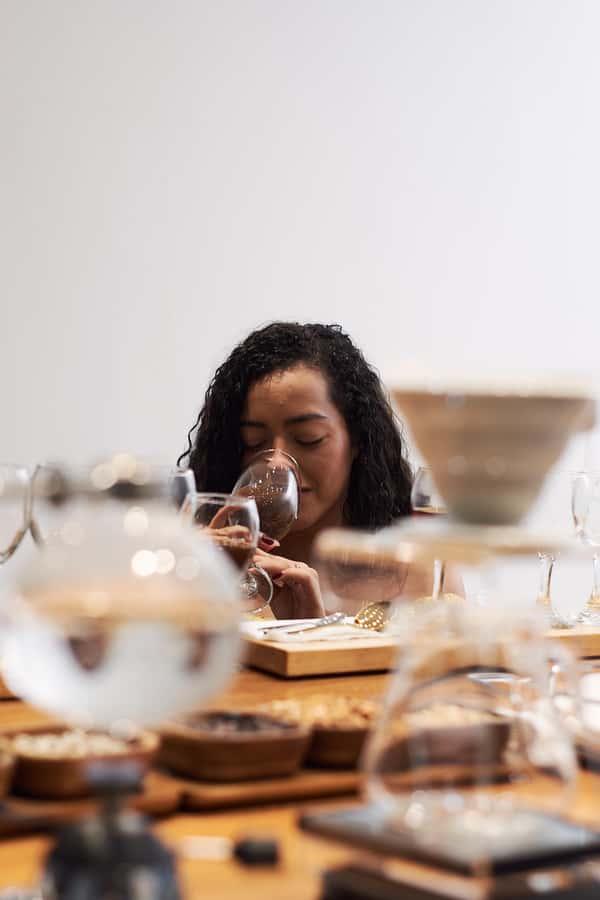
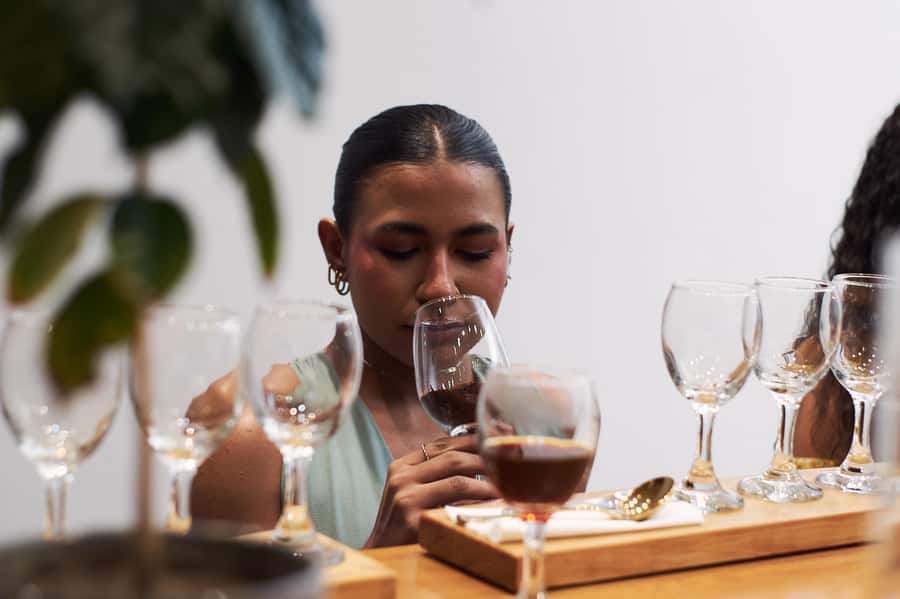
Before you taste the coffees, the instructor works on your sense of smell. A coffee nose exercise helps you identify aromas rather than treating every cup as simply bitter, sweet, or strong.
You also compare coffee with fresh fruits, dried fruits, and chocolate. This is not about pretending that coffee contains pieces of fruit or candy. It is a way to train your memory and vocabulary. Smelling and tasting familiar foods gives you reference points for describing what appears in the coffee.
I like this part because it makes the lesson practical. You can take the skill home. After the activity, you may be better able to describe why one coffee feels bright and fruity while another seems round, smooth, or chocolatey.
The vocabulary work is just as useful as the tasting itself. Specialty coffee descriptions can sound fussy when you first encounter them. Here, the guide connects words to actual smells and flavors, so they become easier to understand.
Do not wear perfume, cologne, or another strong fragrance. The instruction specifically prohibits strong scents, and the reason is clear: an artificial smell can overwhelm the coffee aromas you are meant to detect.
Three coffees and three brewing methods
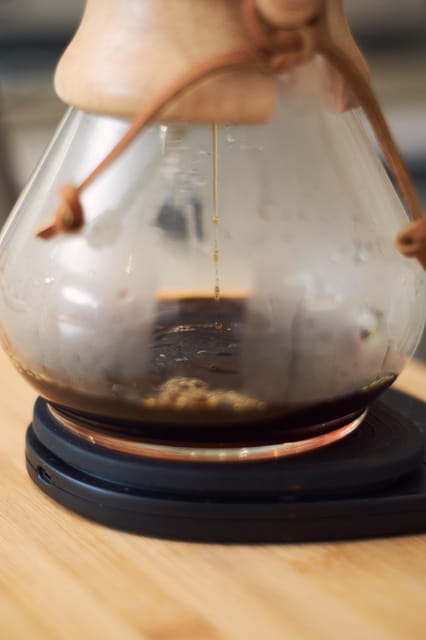
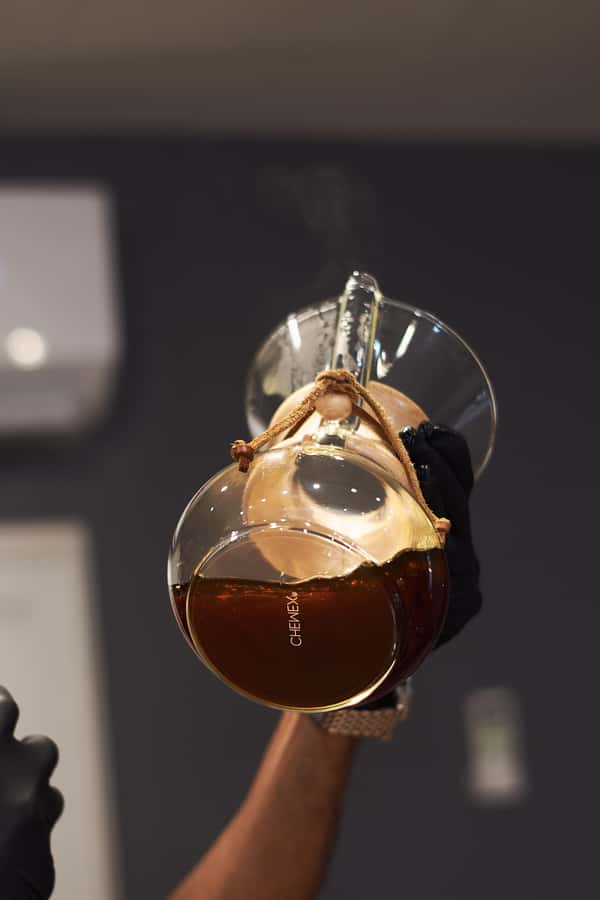
The centerpiece is a tasting of three specialty coffees prepared in different ways. The methods include Chemex, V60, and the Hario TCA-5 siphon.
The Chemex preparation is used to highlight fruity and complex notes. If you like lighter, clearer cups with a delicate feel, pay close attention here. It shows how a brewing method can bring certain qualities forward without adding anything to the coffee.
The V60 is described as emphasizing brightness and body. This gives you a useful comparison with the Chemex. Instead of judging which method is simply best, you can consider how each one changes the balance between acidity, weight, aroma, and finish.
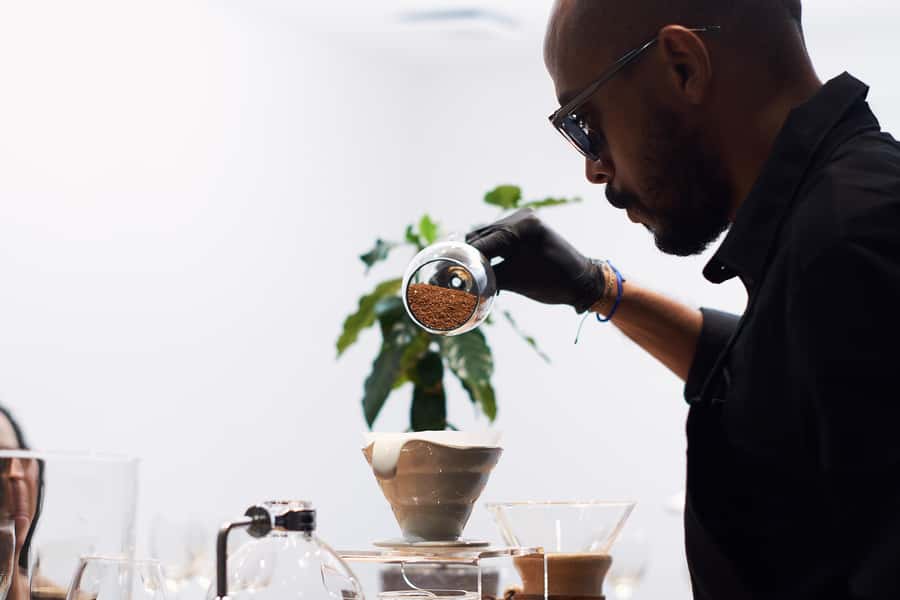
The Hario siphon creates a rounder and smoother cup, with honey-like aromas. It is also the most theatrical method of the three. The equipment and preparation make it a memorable part of the session, but its real value is the comparison it offers. You can feel how a different extraction style changes the drink.
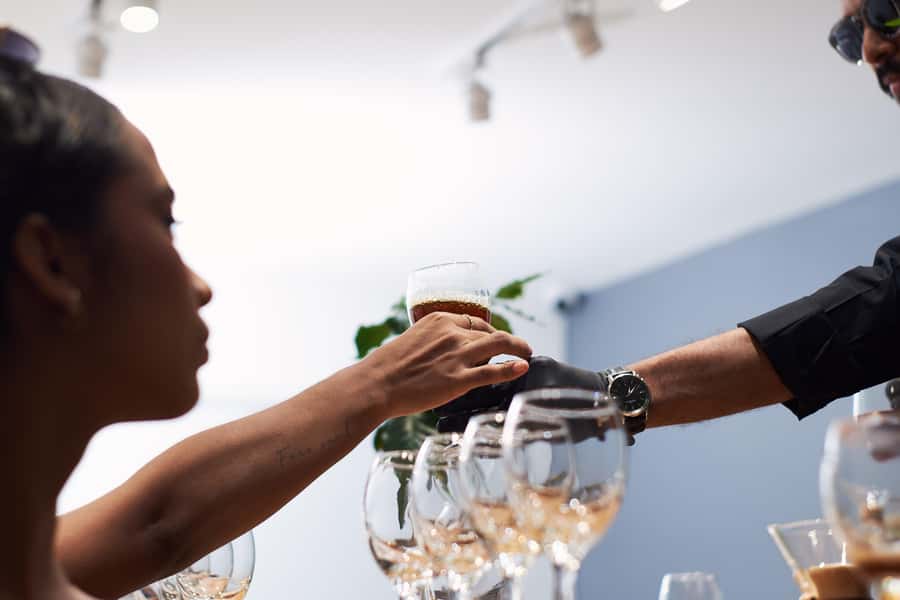
The tasting may include sweet and floral tones, fruit, chocolate, and honey. Your own palate will decide what you notice first. That is part of the point. The guide is there to give you a framework, not to tell you that there is only one correct answer.
You should expect to drink several cups of coffee. One participant described the session as a lot of coffee, so this may not be ideal if caffeine affects you strongly. The activity is best for someone who enjoys coffee already, or for a curious non-drinker who wants to understand the process without committing to a full coffee habit.
More Specialty Coffee Tours in Colombia
- Coffee Experience from bean to cup
★ 5.0 · 71 reviews - Private coffee tour near Medellín, from bean to cup.
★ 5.0 · 60 reviews - Specialty Coffee Workshops in Cartagena
★ 5.0 · 34 reviews
What the guide adds to the session
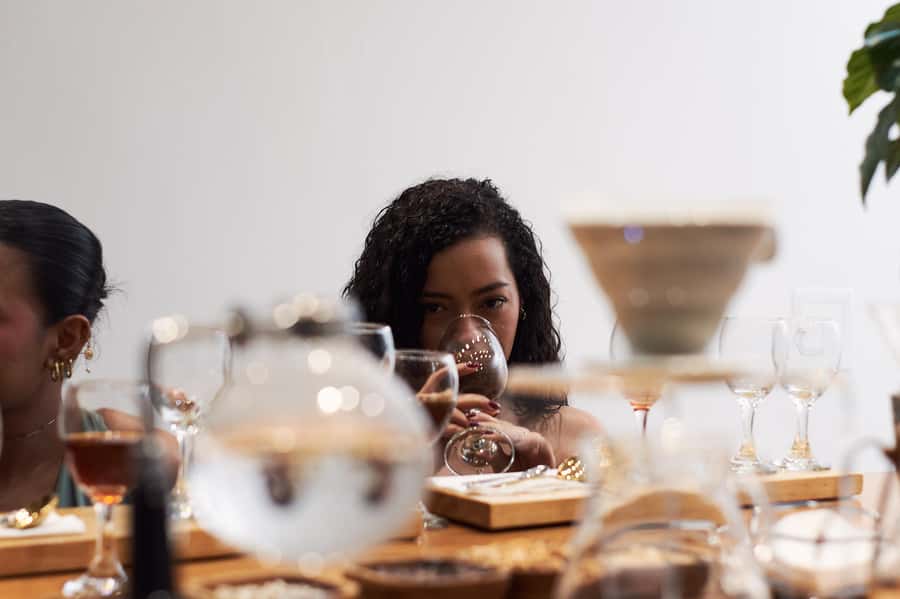
The instructor can shape the whole experience. The coffee subject is technical, but the teaching style determines whether it feels inviting or stiff.
Tomás is frequently praised for his passion and detailed explanations. He has guided both full groups and private sessions when only one person booked. That suggests the format can remain personal even when attendance is low.
Santiago is described as lively and engaging. He has helped beginners compare coffees, answered questions, and demonstrated the Hario siphon. Pedro is praised for explaining third-generation brewing methods in detail, including what each technique does and why it is used.
Arturo also receives strong praise for explaining coffee history, quality, harvesting, and production. Sebastián is described as kind and funny, while Miguel is credited with keeping the session entertaining and preparing coffee at the end.
Because different instructors lead the activity, the tone may vary. The central structure remains the same, but one session may feel more conversational while another feels more like a lecture. I would treat that as a normal part of a guide-led activity rather than a flaw.
English and Spanish instruction is available. A bilingual session was used successfully for a group that included a Spanish-speaking family member, so this can work well for mixed-language parties.
How interactive is it?
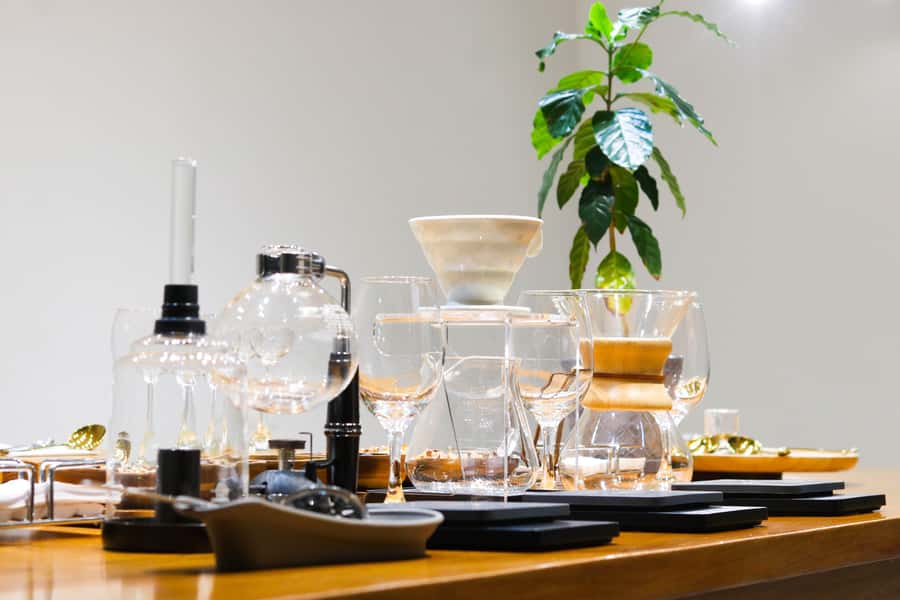
The activity includes sensory exercises, coffee preparation, and opportunities to ask questions. Some sessions also allow you to try a brewing technique, including the Hario siphon.
Still, this is not a hands-on barista course in the full sense. One useful distinction is that the session can be interactive without being highly social. You will talk, taste, smell, and ask questions, but much of the time is spent listening to the guide explain coffee.
That format suits me when I want to learn without rushing. It may not suit you if you want to grind every coffee yourself, make several drinks from start to finish, or spend the afternoon chatting with a group.
The group size can vary. Some bookings have been small enough to create a private session, while the activity is also suitable for couples, friends, and small groups. A smaller group gives you more space for questions, but the exact group size is not specified.
Location, timing, and the practical details

The advertised duration is two hours. Some sessions have lasted closer to three hours, so avoid booking this immediately before a fixed tour, dinner reservation, or airport transfer.
The activity takes place at a coffee experience center associated with Café 472. One important practical warning: the supplied address has led at least one participant to the wrong place. Searching for Consultorio Dra. Bleidys Mendoza Sotomonte was suggested as a more accurate way to locate the venue, with Café 472 described as the café across the street.
An Uber reportedly worked well when the café name or corrected location was entered. I would confirm the meeting point with the provider before leaving, especially if you are unfamiliar with Cartagena’s Manga or nearby districts.
The café itself is described as clean, attractive, and air-conditioned. That matters in Cartagena. After walking through humid streets, a cool indoor tasting room is a welcome change.
The activity has a separate entrance for the coffee session, which helps avoid a standard café queue. You simply tell the staff that you are there for the coffee activity.
Is $15 a fair price?
At $15 per person, this is strong value if you want more than one good cup of coffee. The price includes the plantation and production lesson, coffee processing information, aroma work, fruit and chocolate comparisons, three tasting methods, and a participation diploma titled Awakening of the Coffee Senses: From the Seed to the Cup.
You are also paying for instruction, not only ingredients. Three specialty coffees prepared separately would already cost money at a serious coffee bar. Add the guide’s time, the tasting materials, and the brewing demonstrations, and the price is modest.
The value is lower if you dislike classroom-style activities or only want a quick drink. You may also want to budget for anything ordered separately from the café, such as its cold brew, croissants, or other drinks. A cold brew received special praise, and the café sells croissants made by a local baker, but these are not presented as part of the core tasting.
The participation diploma is a pleasant extra rather than a reason to book. The real value is leaving with a better sense of how to choose and prepare coffee at home.
Who should book this activity?
I would recommend it to coffee drinkers who want to understand Colombian specialty coffee rather than simply buy a bag of beans. It also suits couples with different levels of interest. One coffee enthusiast and one person who rarely drinks coffee can still find common ground in the smell tests, fruit comparisons, and brewing demonstrations.
It is a good choice for a hot afternoon when you want an indoor activity with a local connection. It also fits well into a day around Manga and Getsemaní, areas suggested as useful additions before or after the tasting.
I would hesitate to recommend it to anyone sensitive to caffeine, strong smells, or long explanations. It is also not the best pick if your main goal is a plantation visit. The plantation material is taught in a classroom setting, so you do not travel out to a farm during this activity.
Should you book the Cartagena coffee tasting?
Book it if you want a focused lesson, several high-quality tastings, and a chance to understand why brewing method changes the cup. The combination of Chemex, V60, and siphon gives you a clear comparison, while the fruit, chocolate, and aroma work helps you build useful sensory skills.
Skip it if you want a quick café stop, a farm excursion, or a fully practical barista workshop. Also check the address carefully and leave room in your schedule for a session that may last longer than two hours.
For $15, I see this as one of Cartagena’s better small activities for coffee lovers. It is calm, informative, and specific to Colombia, with enough tasting to make the lesson memorable.
FAQ
How long does the Colombian coffee tasting last?
The advertised duration is two hours. Some sessions have lasted closer to three hours, so allow extra time if your schedule is tight.
How much does the activity cost?
The listed price is $15 per person.
Which languages are available?
The activity is offered in English and Spanish.
Which coffees and brewing methods are included?
You taste three Colombian specialty coffees prepared through different methods. The methods include Chemex, V60, and the Hario TCA-5 siphon.
What do you learn during the session?
You learn about Colombian coffee growing, harvesting, processing, sensory qualities, and preparation from the bean to the cup.
Are fruit and chocolate part of the tasting?
Yes. The sensory work includes fresh fruits, dehydrated fruits, and chocolate, along with coffee aroma exercises.
Is the activity held at a coffee farm?
No. The plantation and coffee-growing material is presented in a classroom setting at the coffee experience center.
Where does the activity meet?
It meets at a coffee experience center associated with Café 472 in Cartagena. Confirm the exact address before going, since one supplied address has led people to the wrong location.
Can I cancel for a full refund?
You can cancel up to 24 hours in advance for a full refund.
Do I need to pay at the time of booking?
The activity offers a reserve-now, pay-later option, so you can book without paying immediately.
Are strong fragrances allowed?
No. Strong fragrances are not allowed because they can interfere with the coffee aroma exercises.
More Eating and Drinking in Colombia
- Salento: Coffee Farm Tour with Tasting
★ 4.9 · 41 reviews - Vienna for Food Lovers: Cafés, Markets & Austrian Cuisine
★ 5.0 · 1,063 reviews - Buggy Ride Into the jungle with cave coffee & chocolate tasting
★ 5.0 · 465 reviews - Hanoi: Vietnamese Street Food Tour with Egg Coffee
★ 4.9 · 315 reviews
Just listed in Colombia
- From Medellin: Day Trip to a Jardin Coffee Plantation★ 4.5 · 16 reviews
- Coffee Farm Tour at Finca El Ocaso from Salento★ 4.5 · 19 reviews
- Best Coffee Tour from Medellin with Lunch and Transportation★ 5.0 · 24 reviews
- Coffee, Cocoa and Trekking Tour in Minca: Nature, Crops and Production★ 4.7 · 21 reviews
- Explore the Coffee Process_From Tree to Cup & Fun by Jeep★ 5.0 · 28 reviews
- Walking Tour of Cartagena Including a Colombian Cup of Coffee★ 5.0 · 30 reviews
- Coffee Tour.★ 5.0 · 33 reviews
- Coffee Farm & ATVs Private Tour in Medellin: Stunning Views & Fun★ 5.0 · 31 reviews
Coffee Tastings, compared.
Hanoi Coffee Experience: 6 Brews, 9 Recipes & 3 Liquor Tastings
Read our review →
Coffee Tour with Transport, Snacks and Tastings
Read our review →
Seattle Coffee Tour: Capitol Hill Cafes, Tastings & Local Stories
Read our review →
Da Nang Cooking Class with Coffee Tasting and Market Visit
Read our review →
Private Walking Tour, Food Tasting and Bosnian Coffee in Sarajevo
Read our review →
Poás Volcano and Coffee Tour with Tasting and La Paz Falls
Read our review →
Coffee Farm Tour with Roasting & Tasting Workshop – Da Lat
Read our review →
Full-Day Adventure with ATV, Party Boat, Snorkel & Coffee Tasting
Read our review →Lists this coffee tour turns up in