REVIEW · HO CHI MINH CITY
Mastering Egg Coffee-Course on 4 traditional types of Viet coffee
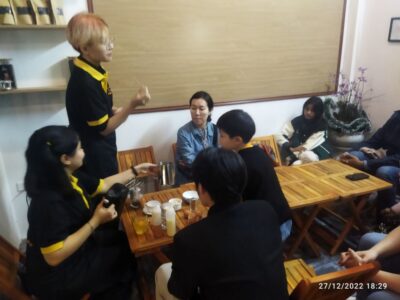
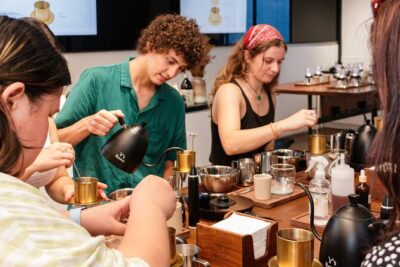
The best part of this Ho Chi Minh City class is that you do not just drink Vietnamese coffee, you make four distinct cups yourself. A Head Barista walks you through traditional drip brewing, then helps you handle the sweet, bitter, creamy, salty, and cold elements that define these drinks.
I like the hands-on format and the chance to compare four styles side by side. I also like the relaxed teaching style reported from Long or Sarah, with clear pacing, humor, and room for questions. The main caution is caffeine: four coffees in one sitting can be a lot, especially if you choose the afternoon session.
Key points at a glance
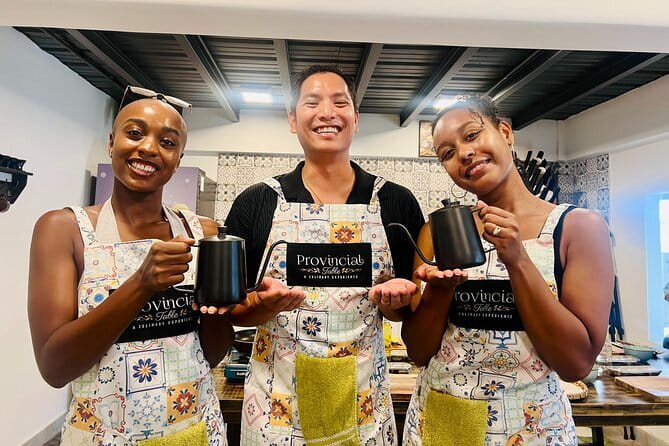
- Four Vietnamese coffee styles: Make egg coffee, condensed milk coffee, sea salt coffee, and coconut milk coffee.
- Traditional drip technique: Learn the careful steeping and brewing steps behind Vietnamese coffee.
- Small-group teaching: The class accepts a maximum of 15 participants, enough for group energy without becoming a large crowd.
- Presentation matters: You practice creating attractive layers as well as getting the flavor right.
- Two-hour format: The session includes coffee history, preparation, tasting, questions, and a discussion of modern coffee culture.
- Gifts included: Each participant receives special gifts at the end of the experience.
Four cups that show Vietnam’s coffee personality
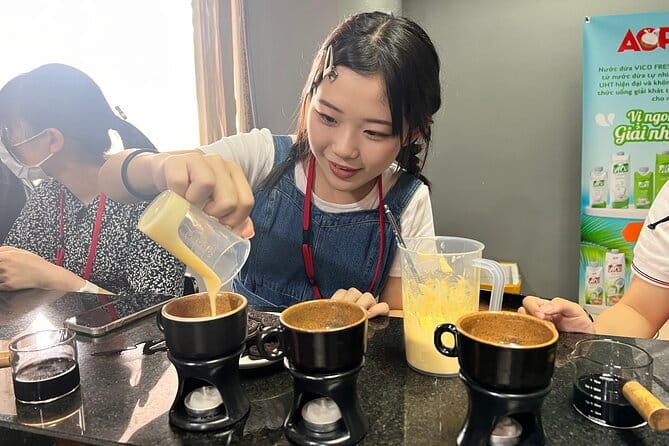
This is a coffee class with a clear purpose: help you understand how one strong Vietnamese coffee base can become four very different drinks. You prepare Cà Phê Trứng Lòng Đỏ, or egg coffee; Cà Phê Sữa Đá, dark roast coffee with condensed milk; Cà Phê Muối Biển, sea salt coffee; and Cà Phê Cốt Dừa, coconut milk coffee.
That lineup gives you a useful tasting lesson. Egg coffee brings a soft, dessert-like texture. Condensed milk coffee presents the familiar bitter-sweet combination many people associate with Vietnamese coffee. Sea salt coffee adds a savory edge, while coconut milk coffee changes the drink through its creamy tropical character.
The point is not simply to finish four beverages. You get to notice how sweetness, salt, temperature, and texture alter the same basic coffee tradition. If you normally take coffee black, the class may also challenge your idea of what coffee can be.
More Egg Coffee Experiences in Ho Chi Minh City
- Egg coffee & Course on 4 traditional types of Viet coffee
★ 4.9 · 487 reviews - Decadent Vietnamese “Egg Coffee” Workshop in Hồ Chí Minh City
★ 5.0 · 150 reviews - Techniques & Secrets Behind the Famed Vietnamese Egg Coffee
★ 5.0 · 99 reviews
Starting with Vietnam’s coffee story
The session begins with an introduction to the history and cultural role of coffee in Vietnam. This gives the recipes some context before you start measuring, steeping, and brewing.
That opening matters because Vietnamese coffee is not just a drink served beside a meal. It has its own brewing habits, serving styles, and flavor preferences. The class connects the drinks in your cup with the wider coffee culture of the country, including how that culture continues to change.
You should expect this section to be useful rather than academic. The main goal is to help you understand why traditional drip methods are important and how the four recipes fit into modern Vietnamese coffee life.
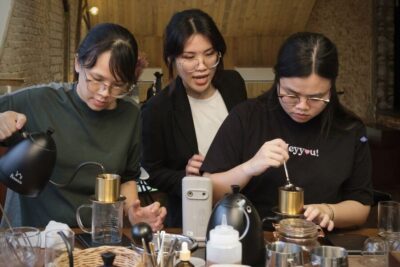
Learning the phin-style drip approach
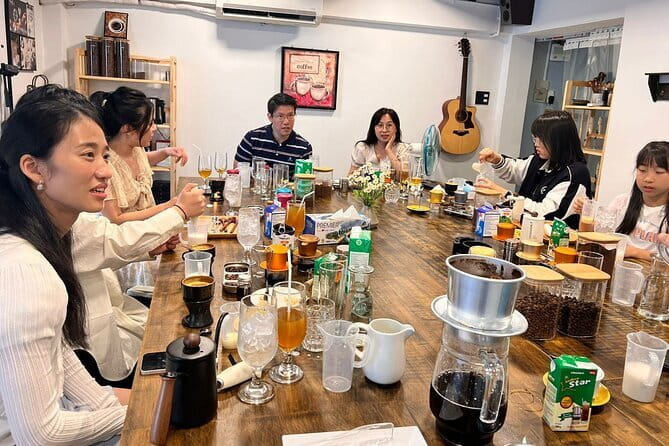
A central part of the class is practicing a traditional drip method. The description does not specify every tool or recipe measurement, so you should not expect a fixed technical manual with exact instructions for every possible coffee setup. You will, however, receive the equipment and ingredients needed for the class and work through the preparation under barista guidance.
The barista explains the steps involved in steeping and brewing a balanced cup. This is where the class becomes more useful than a standard tasting. You learn to watch the process, not just wait for a finished drink.
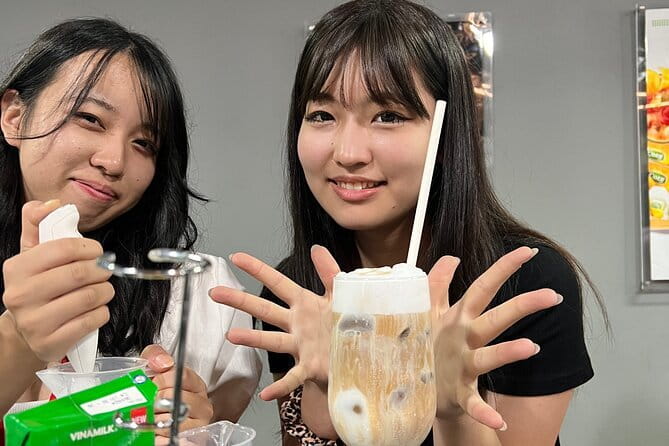
You also work on presentation. Vietnamese coffee can be as striking in the glass as it is strong on the palate, especially when layers of coffee, milk, foam, or other ingredients are visible. The class teaches you to think about the look of the cup as well as its taste.
That focus is practical for home use. Once you understand the order of preparation and the role of each component, you can try to recreate the drinks after returning home. Your results may depend on your coffee and equipment, but the workshop gives you a method rather than a quick sample.
Egg coffee: the softest and most dessert-like cup
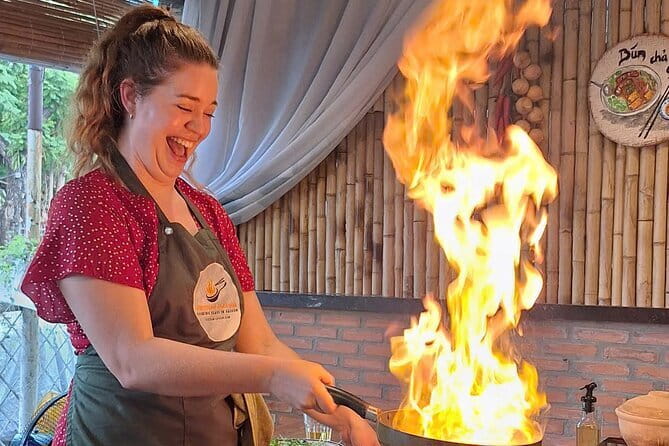
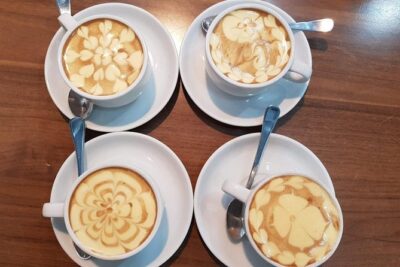
Egg coffee is likely to be the most unusual drink for many participants. The Vietnamese name used for the class is Cà Phê Trứng Lòng Đỏ. Here, the coffee is paired with a rich egg-based element that changes the drink’s texture and softens its sharper notes.
The class gives you time to create the cup, so you can see how its layers come together. Presentation is part of the lesson, and egg coffee benefits from being served with a clear contrast between the dark coffee and its pale topping.
I would choose this class if you are curious about Vietnamese drinks that do not fit the usual coffee-shop pattern. You may also find it appealing if you enjoy coffee with a dessert quality. The drink is not presented as a simple black brew, so anyone looking for a plain, no-sugar tasting should keep that in mind.
More Vietnamese Coffee Experiences in Ho Chi Minh City
- Fun & Easy Vietnamese Coffee Workshop in Hồ Chí Minh City
★ 5.0 · 293 reviews - Vietnamese Coffee & Culture Exploration in Hồ Chí Minh City
★ 5.0 · 202 reviews - Vietnam Coffee Journey – Make extraordinary tasty coffee yourself
★ 5.0 · 30 reviews - Ho Chi Minh Street Food Tour and Vietnamese Coffee
★ 5.0 · 28 reviews
Condensed milk coffee: the classic bitter-sweet balance
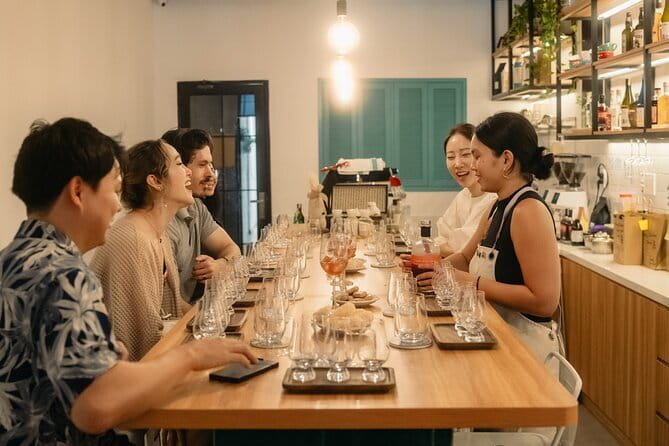
Cà Phê Sữa Đá is the most familiar style in this group. It combines dark roast Vietnamese coffee with condensed milk and is served cold. The bold coffee cuts through the sweetness, creating the strong contrast that makes the drink so recognizable.
This cup is particularly useful as a reference point. After making it, you have a basis for comparing the egg, salt, and coconut versions. You can taste how the coffee’s bitterness behaves when matched with a dense sweet ingredient, then notice how the other recipes shift the balance.
The iced serving also brings temperature into the lesson. Vietnamese coffee is not only about beans and brewing. It is about how the drink is built and served. The class makes that difference easy to notice because you prepare several styles in one sitting.
Sea salt coffee: a small ingredient with a clear effect
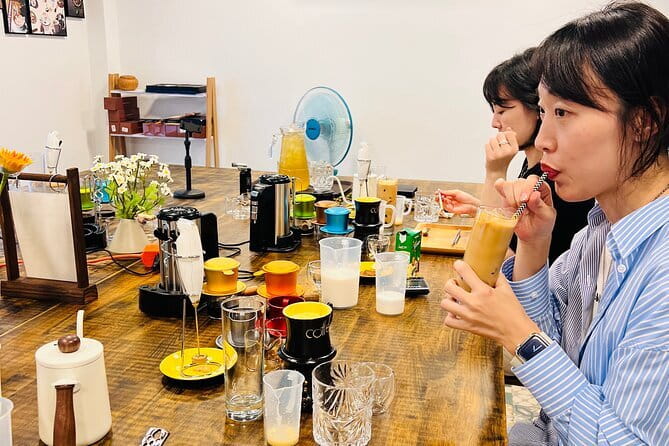
Cà Phê Muối Biển uses sea salt to add a savory note to coffee. Salt does not make the drink taste like seawater when used properly. Instead, it can change how you perceive sweetness and bitterness.
This is a good example of why the class is more than a list of recipes. You get to see how a small adjustment can reshape the whole cup. If you are interested in tasting technique, this may be one of the most instructive drinks in the session.
The sea salt coffee also gives you a chance to compare texture and flavor at the same time. The workshop encourages attention to temperature, layers, and mouthfeel, so you are not rushing through each cup as if it were just another drink.
Coconut milk coffee: a creamy change of direction
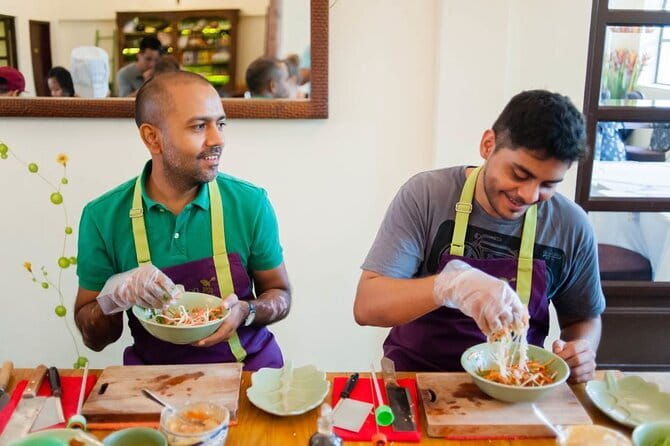
Cà Phê Cốt Dừa brings coconut milk into the mix. Compared with condensed milk coffee, it shifts the drink toward a creamy, coconut-forward profile while keeping coffee at its center.
This cup may appeal most to anyone who prefers softer, sweeter coffee drinks. It also gives the class a useful regional flavor connection without turning the session into a general food tour. You stay focused on coffee, but the four recipes show how widely the drink can be adapted.
By the time you reach the coconut version, you have already seen several ways to balance bold coffee. The comparison is the real value: you can identify which style suits your taste instead of choosing a drink from a menu without knowing what to expect.
A class paced for participation, not a lecture
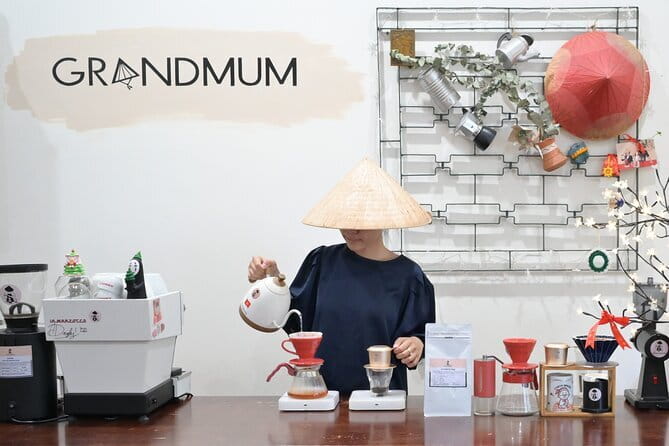
The experience lasts about two hours. That is enough time for an introduction, four preparations, tasting, questions, and a closing discussion without requiring half a day of your schedule.
The teaching style appears to be an important part of the experience. Long or Sarah may lead the session, and the class is designed to keep people moving through each stage. The tone is relaxed and funny, but the pace still matters because you are preparing several drinks rather than watching one demonstration.
The maximum group size is 15. That is not a private lesson, but it is small enough for a barista to guide a manageable group. If you want a completely quiet, one-to-one workshop, this is not that. If you enjoy meeting other people and comparing results, the group setup should work well.
The class ends with questions, a recap, and a discussion of how Vietnamese coffee culture is changing. That closing is useful because it lets you clarify a brewing step or ask about one of the four drinks before you leave.
What the $25 price gets you
At $25 per person, the value depends on how you use the class. You are not paying only for four coffees. You are paying for instruction, ingredients, equipment, a two-hour activity, the chance to prepare each drink, and special gifts for all participants.
For someone who already plans to try several famous Vietnamese coffees in cafés, this workshop gives you a more active way to compare them. You can still order the drinks around Ho Chi Minh City later, but after the class you will better understand what you are tasting.
The price is also easier to justify if you care about coffee preparation at home. The barista focuses on traditional drip technique and presentation, which gives you skills you can take away instead of a one-time tasting alone.
The value is weaker for people who dislike sweet or flavored coffee. Three of the four styles include a strong change from plain brewed coffee, and making four drinks means you will spend much of the session tasting combinations rather than focusing on a single high-end bean.
Meeting in District 1
The meeting point is 131/3 Nguyễn Thị Minh Khai, Phường Phạm Ngũ Lão, Quận 1, Ho Chi Minh City, Vietnam, postal code 711106. The activity begins and ends at this same location.
The meeting point is near public transportation, which helps if you are staying in central Ho Chi Minh City. You receive a mobile ticket, and booking confirmation arrives at the time of booking. Service animals are allowed.
Allow enough time to find the exact address, especially since the meeting point includes a small lane-style address. The supplied information does not name a hotel pickup service, so plan to make your own way there and return to the same point after class.
Free cancellation is available if you cancel at least 24 hours before the start time. Cancellations within 24 hours are not refunded, and changes during that period are not accepted. The cut-off follows local Ho Chi Minh City time.
Who should book this coffee workshop?
I would recommend it to coffee drinkers who want more than a café stop. It is especially suitable if you enjoy hands-on classes, unusual flavor combinations, and learning a technique you can try again at home.
It also works well for solo visitors and couples who want a social activity lasting only about two hours. The group size allows you to meet people without committing to a full-day cooking or food tour.
Families or groups with mixed coffee interest should think carefully. The class is built around preparing and tasting coffee, so anyone who does not drink coffee may have limited interest. The caffeine load also deserves attention. One participant specifically found the afternoon timing less ideal because four coffees added up quickly. If you are sensitive to caffeine, a morning session may be the wiser choice if that option is available when you book.
Should you book it?
Book this experience if you want to understand Vietnamese coffee through making four different cups, not simply photographing one. The strongest reasons are the clear variety, the traditional drip technique, the manageable two-hour length, and the friendly teaching style associated with Long or Sarah.
Skip it if you want a quiet café tasting, a private class, or a focus on black coffee with little sweetness. For most curious coffee drinkers, though, $25 is a fair price for four recipes, instruction, tasting, and a practical look at one of Vietnam’s most distinctive food traditions.
FAQ
How long does the coffee class last?
The class lasts approximately two hours.
Where does the activity start?
It starts at 131/3 Nguyễn Thị Minh Khai, Phường Phạm Ngũ Lão, Quận 1, Ho Chi Minh City, Vietnam.
Where does the activity end?
It ends back at the same meeting point.
Which Vietnamese coffees will I make?
You will make egg coffee, dark roast condensed milk coffee, sea salt coffee, and coconut milk coffee.
Will I learn traditional brewing methods?
Yes. The class teaches steeping and brewing with traditional drip methods under the guidance of a barista.
Does the class include coffee history?
Yes. The session begins with information about the origins, history, and cultural importance of coffee in Vietnam.
How many people can join the class?
The maximum group size is 15 participants.
Is the activity available with a mobile ticket?
Yes. A mobile ticket is available, and confirmation is received at the time of booking.
Are service animals allowed?
Yes, service animals are allowed.
Can I cancel for a full refund?
Yes, if you cancel at least 24 hours before the experience start time. Cancellations made within 24 hours are not refunded.
Just listed in Ho Chi Minh City
- HCM: Egg Coffee Class with local Instructor & Snack★ 4.7 · 8 reviews
- Ho Chi Minh Best Walking Tour: Food, Coffee & History★ 5.0 · 19 reviews
- Ho Chi Minh Street Food Tour and Vietnamese Coffee★ 5.0 · 28 reviews
- Vietnam Coffee Journey – Make extraordinary tasty coffee yourself★ 5.0 · 30 reviews
- Coffee Workshop in Ho Chi Minh City: Discover the art of coffee★ 5.0 · 35 reviews
- Vietnam Flavour: Market-to-Table & The Art of Egg Coffee★ 5.0 · 53 reviews
- Saigon Unseen: Culture, Coffee, Hidden Spots Motorbike Adventure★ 5.0 · 60 reviews
- 1 hour Egg Coffee Cooking Class with Snack and Local Instructor★ 5.0 · 72 reviews
Egg Coffee Experiences, compared.
Hanoi Coffee Workshop: Taste Salt, Coconut and Egg Coffee
Read our review →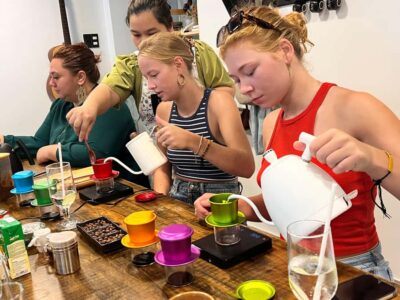
Egg coffee & Course on 4 traditional types of Viet coffee
Read our review →
Decadent Vietnamese “Egg Coffee” Workshop in Hồ Chí Minh City
Read our review →