REVIEW · HANOI
Six Cups of Vietnam Coffee Workshop in Hanoi with Local Barista
Vietnamese coffee is not just a strong drink served over ice. It is a small lesson in local life, and this two-hour workshop lets you make six versions of it yourself. You’ll handle the traditional phin filter, work with Robusta beans, and learn why condensed milk, egg yolk, salt, and coconut all have a place in Hanoi’s coffee world.
I like the small group, capped at seven, because the barista can watch your technique and answer questions. I also like the practical finish: you receive recipes and a small takeaway gift, so the experience can continue in your own kitchen.
The main drawback is that you spend the whole session at one café. If you want a walking tour, major sights, or a broad taste of Hanoi’s streets, this is not that kind of activity. It is a focused workshop, and the value depends on your interest in coffee.
Six styles in one sitting: Make and taste a range of Vietnamese coffee drinks, including egg, salt, and coconut coffee.
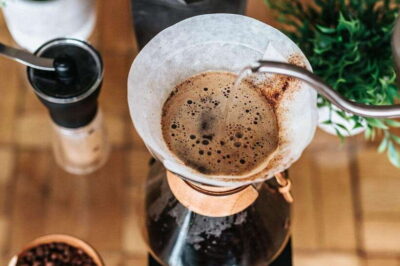
Hands-on phin brewing: Use the metal filter that gives Vietnamese coffee its slow, concentrated character.
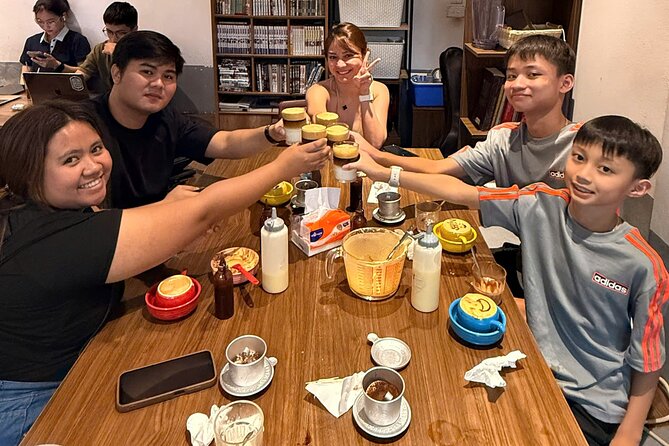
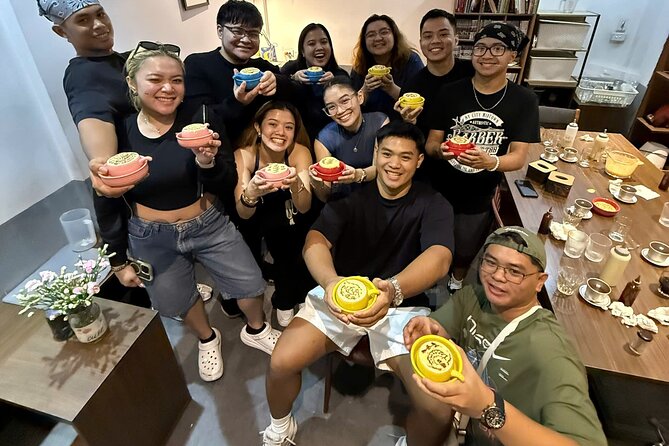
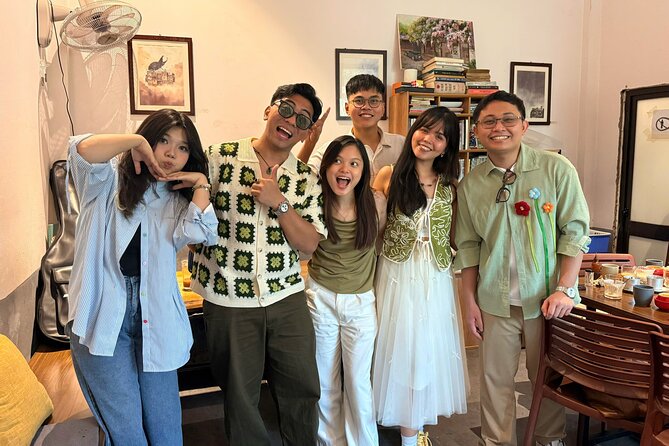
Small group setting: The maximum is seven people, allowing for direct guidance from the local barista.
Recipes to take home: Recreate the workshop drinks after your trip with the provided instructions.
Local Hanoi advice: Ask for suggestions on food, cafés, and places to explore beyond the workshop.
Central meeting point: Meet at 34A P. Trần Quốc Toản in the Trần Hưng Đạo area of Hoàn Kiếm.
Why Vietnamese coffee makes a good Hanoi workshop
Vietnam is known for its Robusta coffee, the bean variety that forms the backbone of its coffee exports. Robusta tends to produce a firm, full-bodied brew, and Vietnamese preparation often balances that strength with sweetened condensed milk or other local ingredients.
That makes this workshop more useful than a simple tasting. You are not only sampling finished drinks. You are learning how the coffee is prepared, how the ingredients change its character, and how to repeat the process later.
The setting is a modern, creative café in central Hanoi. The meeting point is at 34A P. Trần Quốc Toản, in Trần Hưng Đạo, Hoàn Kiếm, with public transportation nearby. The activity begins and ends at the same place, so you do not need to manage a second pickup point afterward.
I would schedule this experience early in your Hanoi stay. The local food and café suggestions can help shape the rest of your visit, especially if you want more than the most obvious stops.
Starting with Vietnam’s coffee story
The session begins with an introduction to Vietnamese coffee culture. This opening gives the drinks some context before you start mixing and brewing.
You will learn about Robusta beans and Vietnam’s place as the world’s second-largest coffee producer. That matters because the coffee in your cup is tied to the country’s farming and export economy, not just to café fashion.
The introduction is likely brief enough to keep the workshop moving. This is not a formal lecture or a plantation visit. The focus stays on making coffee, with the background information helping you understand what you are preparing.
If you already know a lot about coffee production, you may find this part basic. For most visitors, though, it gives a useful frame for the practical work that follows.
More Coffee Making Classes in Hanoi
- Hanoi Coffee Workshop: Taste Salt, Coconut and Egg Coffee
★ 5.0 · 1,286 reviews - Hanoi: Salt Coffee Workshop Awake Your Senses With 6 Brews
★ 5.0 · 792 reviews - Hanoi: Vietnamese Coffee Workshop with 6 Brews and 8 Recipes
★ 5.0 · 237 reviews
Learning the phin filter step by step
The phin filter is the key piece of equipment here. It is a small metal brewer placed over your cup, allowing hot water to pass slowly through ground coffee.
You will use authentic Vietnamese materials and equipment supplied at the café. The barista guides you through the process rather than leaving you to guess how tightly to press the coffee or how quickly to add water.
That personal guidance is important. A phin filter is simple to look at, but the result depends on small choices in setup and timing. In a large demonstration, you might only watch someone else. Here, you brew your own cup and can ask questions as you work.
The coffee produced by this method is concentrated and suited to the sweet, creamy additions common in Vietnam. You will taste the result as part of the session, then use the same basic approach in later recipes.
Making Hanoi egg coffee
Egg coffee is the most distinctive drink in the workshop. You will work with egg yolk and coffee to create the style associated with Hanoi.
The appeal is the contrast between the strong coffee base and the creamy egg mixture. It is a good example of how Vietnamese cafés turn a limited set of ingredients into something unusual and memorable.
This is also where the hands-on format pays off. You do not just receive a prepared glass and move on. You learn the recipe and prepare your own serving, with the barista helping you refine the technique.
If you dislike sweet or rich drinks, egg coffee may be your least favorite part. The workshop lets you taste it as one style among several, though, so you are not committed to making it your everyday order.
Sampling salt coffee and coconut coffee
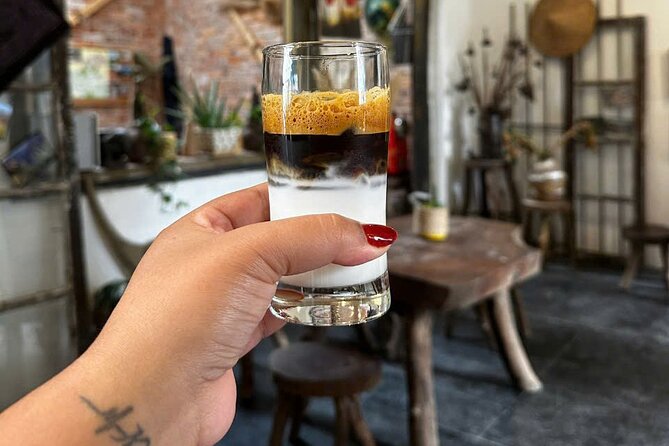
Salt coffee and coconut coffee are two of the newer favorites included in the workshop. They add variety to a session that could otherwise focus only on traditional preparation.
Salt coffee may sound odd at first, but the point is to see how a small amount of salt changes the balance of coffee and sweetness. Coconut coffee takes the drink in a cooler, more dessert-like direction.
The exact balance will depend on the barista’s recipe and your own preparation. That is part of the value. You can compare the styles directly instead of trying to remember separate café orders from different parts of Hanoi.
The workshop covers up to six Vietnamese coffee styles in total. The stated examples include the phin-based preparation, egg coffee, salt coffee, and coconut coffee, along with other local versions. You brew and taste each cup yourself during roughly 60 to 120 minutes in the workshop area.
That range in timing is worth noting. The activity is described as about two hours, but the hands-on portion may vary with the group, questions, and pace of preparation. Do not book it immediately before a fixed appointment unless you have some spare time.
More Coffee Making Classes in Vietnam
- Ha Noi Egg Coffee Class
★ 5.0 · 227 reviews - Hanoi Coffee Workshop: Master 6 Signature Vietnamese Coffee
★ 5.0 · 171 reviews - Hanoi Coffee Class learning 5 famous coffee in Hanoi
★ 5.0 · 161 reviews - Mini Hanoi Coffee Workshop: Pick Any Signature Coffee You Like
★ 5.0 · 160 reviews
A small group that leaves room for questions

The maximum group size is seven. That is a strong point for this activity because coffee technique is easier to learn when the instructor can see what you are doing.
You can ask about the beans, the phin, the recipes, or the local café scene. The group also gives you a chance to compare results with other people without turning the session into a crowded demonstration.
The workshop is designed for coffee lovers, but you do not need professional skills. The ingredients, tools, and equipment are provided, and the barista takes you through the process step by step.
The small group does not mean the session is private. If you want one-on-one instruction or complete control of the pace, a private class would be a different experience. This format offers personal guidance within a shared activity.
What you take home after the last cup
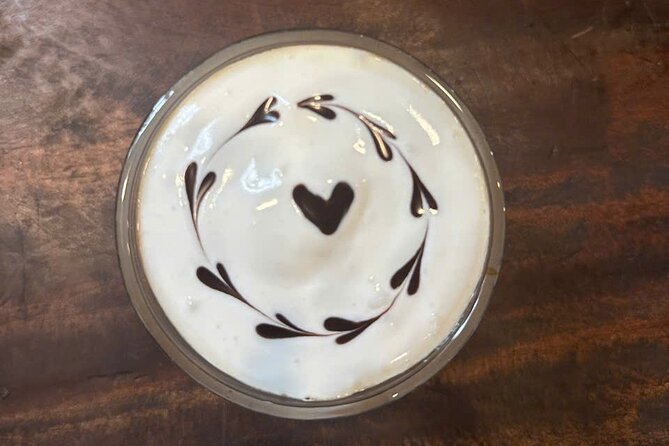
The practical benefit does not end when the tasting does. You receive recipes for all the coffees covered in the workshop, along with a small takeaway gift.
The recipes are useful if you want to reproduce the drinks at home. You may not have every Vietnamese ingredient immediately available, but the written instructions give you a starting point and help you remember the proportions and method.
I especially like this feature for people who buy coffee souvenirs or enjoy cooking after a trip. A café visit gives you a flavor memory. A recipe gives you a way to use that memory again.
The takeaway should not be treated as a major shopping benefit. It is a small extra, not a large package of coffee or equipment. The real value is the skill and the instructions.
Local tips beyond the workshop
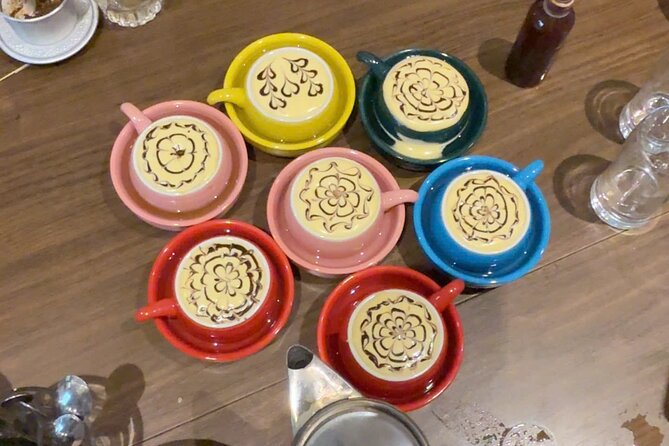
The barista also offers personal suggestions for food, cafés, and places to explore in Hanoi. This can be one of the most useful parts of the session because you can ask questions based on your own interests.
You might ask where to continue sampling coffee, what foods pair well with it, or which areas suit the rest of your day. The information is presented as local guidance rather than as part of a formal sightseeing route.
Keep your questions ready. A workshop is a better time to ask about cafés and food than a rushed stop between attractions. If you arrive with a short list of interests, you are more likely to get useful recommendations.
This is also why I would avoid treating the activity as an isolated two-hour booking. It can help shape your wider Hanoi visit, particularly if you are new to the city and want practical direction.
Price, timing, and overall value
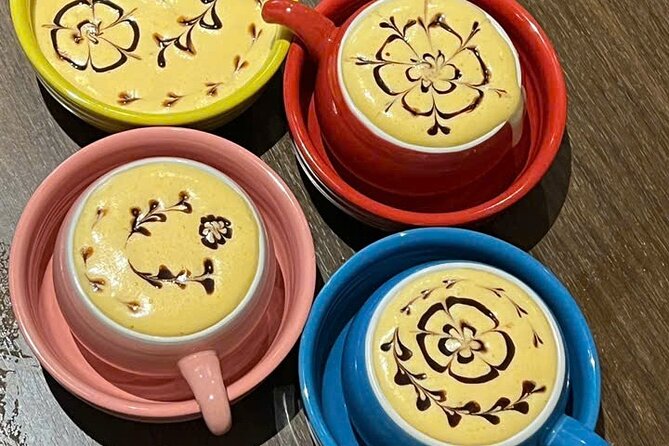
At $17.49 per person, the experience is reasonably priced for a two-hour guided activity that includes six coffee styles, ingredients, equipment, recipes, and a takeaway gift.
You are paying for more than six samples. The price includes instruction and the chance to make each drink yourself. That is the key difference between this workshop and simply ordering several coffees at cafés, where you would spend money on drinks but learn little about the method.
The value is strongest if you drink coffee, enjoy cooking, or want a low-cost cultural activity in central Hanoi. It is less compelling if you only want a quick beverage or already know the techniques.
The activity is often booked about 14 days ahead, so you should reserve it before arriving if the timing matters to you. Confirmation is provided at booking, and the ticket is mobile, which keeps the practical side simple.
Free cancellation is available up to 24 hours before the start time for a full refund. Changes or cancellations inside that window are not accepted for a refund. The activity also requires suitable weather, and if poor weather causes cancellation, you are offered another date or a full refund.
Who should book this coffee experience
I would recommend it to you if you enjoy small-group activities, want to meet a local barista, or prefer learning by doing. It is also a good fit for couples, friends, and solo visitors who want a calm break from Hanoi’s busy streets.
Coffee enthusiasts will get the most from the comparison between different styles. So will anyone who wants a skill to take home rather than another photograph.
Families with older children may also find the activity appealing, although the supplied details do not specify a minimum age. If you are booking for children, confirm suitability before paying.
I would not choose this as your main Hanoi sightseeing tour. It does not cover landmarks, neighborhoods, or street food stops. It gives you one focused subject and handles that subject in a practical way.
Should you book the Six Cups of Vietnam Coffee Workshop?
Book it if you want to understand Vietnamese coffee from the inside, make six local styles with your own hands, and leave with recipes you can use later. The small group, central location, and price make it an easy addition to a Hanoi itinerary.
Skip it if you are not interested in strong coffee, sweet drinks, or spending two hours indoors at a café. For everyone else, this is a useful way to turn a familiar travel ritual, ordering coffee, into a local skill.
FAQ
How long does the coffee workshop last?
The experience lasts approximately two hours. The hands-on workshop portion is described as taking around 60 to 120 minutes.
Where does the activity begin and end?
You meet at 34A P. Trần Quốc Toản, Trần Hưng Đạo, Hoàn Kiếm, Hanoi. The activity ends back at the same meeting point.
How many people can join the workshop?
The maximum group size is seven travelers.
Which Vietnamese coffee styles will I make?
You will learn up to six Vietnamese coffee styles. The experience specifically includes phin coffee, Hanoi egg coffee, salt coffee, and coconut coffee, along with other local styles.
Are ingredients and equipment included?
Yes. Coffee, tea, ingredients, tools, and equipment for the workshop are provided.
Can I cancel for a full refund?
Yes. You can cancel at least 24 hours before the experience start time for a full refund. If poor weather causes the activity to be canceled, you are offered a different date or a full refund.
More Vietnamese Coffee Experiences in Hanoi
- Hanoi Cooking Class: Pho/Bun Cha/Banh Xeo…+Free Egg/Salt Coffee
★ 5.0 · 267 reviews - Hanoi: Rose Kitchen: Pho/Bun Cha/Nem+ Free Egg/ Salt Coffee
★ 5.0 · 57 reviews - Hanoi Egg Coffee & Coconut Coffee Making Class with Free Banh Mi
★ 5.0 · 41 reviews
Just listed in Hanoi
- Hanoi Private Walking Tour with Egg Coffee Making Experience★ 5.0 · 90 reviews
- From Egg Coffee to Street Brews: Hanoi Walking Tour★ 5.0 · 4 reviews
- Walking Tour in Hanoi Old Quarter with Street Food & Coffee★ 5.0 · 4 reviews
- Hanoi: Hands-On 5 Vietnamese Coffees & 3 Local Wines Tasting★ 5.0 · 14 reviews
- Hanoi 2.5 hour Guided Sightseeing Cyclo Tour & Egg Coffee Class★ 5.0 · 16 reviews
- Hanoi daily egg coffee making course with local guide★ 5.0 · 17 reviews
- Hanoi Street Food Tour with egg coffee making★ 5.0 · 22 reviews
- Ha Noi City Tour & Coffee Class★ 5.0 · 25 reviews
Vietnamese Coffee Experiences, compared.

Salt Coffee Workshop Awake Your Senses With 6 Brews
Read our review →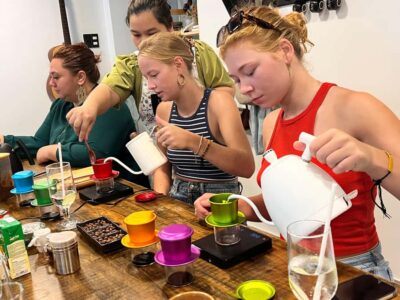
Egg coffee & Course on 4 traditional types of Viet coffee
Read our review →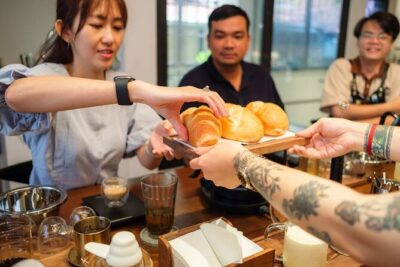
Fun & Easy Vietnamese Coffee Workshop in Hồ Chí Minh City
Read our review →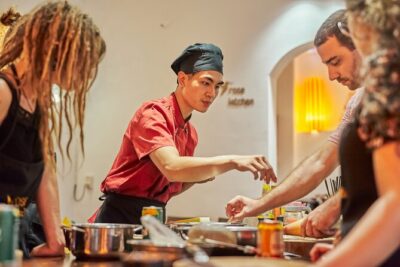
Hanoi Cooking Class: Pho/Bun Cha/Banh Xeo…+Free Egg/Salt Coffee
Read our review →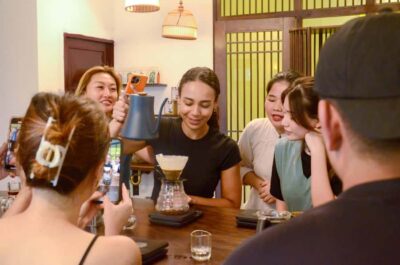
Vietnamese Coffee Workshop with 6 Brews and 8 Recipes
Read our review →
Vietnamese Coffee & Culture Exploration in Hồ Chí Minh City
Read our review →
Hanoi Coffee Workshop: Master 6 Signature Vietnamese Coffee
Read our review →