REVIEW · HANOI
Hanoi Coffee Workshop: Master 6 Signature Vietnamese Coffee
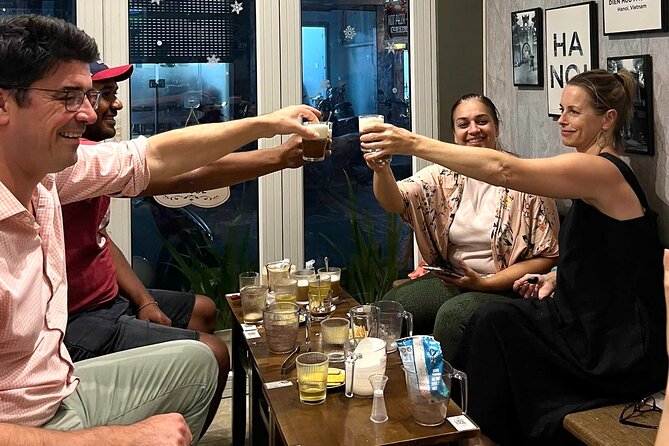
Vietnamese coffee is far more than strong coffee with condensed milk. In this two-hour Hanoi workshop, you work through up to six local coffee styles, from familiar black and brown coffee to egg, coconut, white, and salted versions. You make the drinks yourself, taste them, then adjust sweetness and strength to suit your palate.
I like the small group limit of eight, which gives the instructor time to help with whisking, balancing bitterness, and handling the tools. I also like the use of fresh eggs, milk, coconut, and specialty beans from Vietnam’s Central Highlands, rather than pre-made mixes. The main consideration is that the meeting point can be harder to find if weather causes a last-minute change, so allow extra time and check the details before setting out.
Key points to know
- Six classic drinks in one sitting: Make black, brown, egg, white, coconut, and salted coffee, with the exact number depending on the pace and session.
- Hands-on instruction: You brew, whisk, taste, and adjust instead of simply watching a demonstration.
- Local guides with personality: Jade and Jennifer have both led sessions, adding coffee history, Old Hanoi cafe stories, and practical tips.
- Small groups: A maximum of eight people keeps the bar personal and makes questions easy.
- Useful recipes for home: You receive the recipes afterward, along with advice on substitutes and ways to improve flavor without expensive gear.
- Convenient setup: The workshop starts and ends at 34 P. Cầu Đất, near public transportation, with air conditioning and sterilized utensils.
Six Vietnamese coffees, not one generic tasting
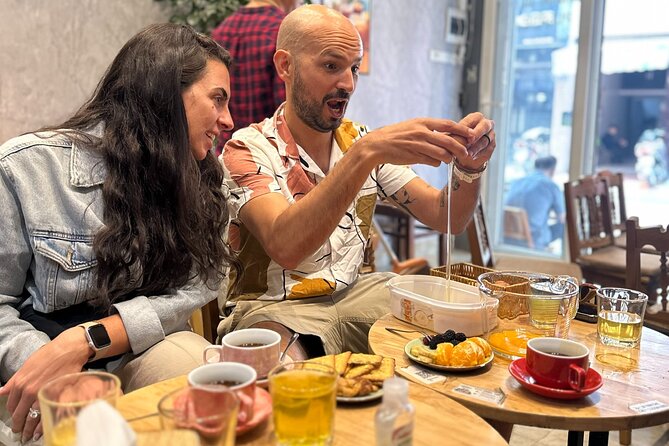
The great strength of this workshop is its range. You are not served a single cup and given a short explanation. You make several drinks that show how Vietnamese coffee changes with dairy, egg, coconut, salt, and serving style.
The session includes black coffee, brown coffee, egg coffee, white coffee, coconut coffee, and salted coffee. You may make four to six of these, depending on the pace and the way the group works. That flexible format is useful because a careful two-hour class is better than racing through six recipes with no time to taste them.
Black coffee gives you the clearest look at the beans. It helps you notice bitterness, body, and strength before milk or other ingredients alter the cup. Brown coffee, the familiar combination of coffee and sweetened milk, shows why Vietnamese coffee is so popular with people who like a firm, sweet drink.
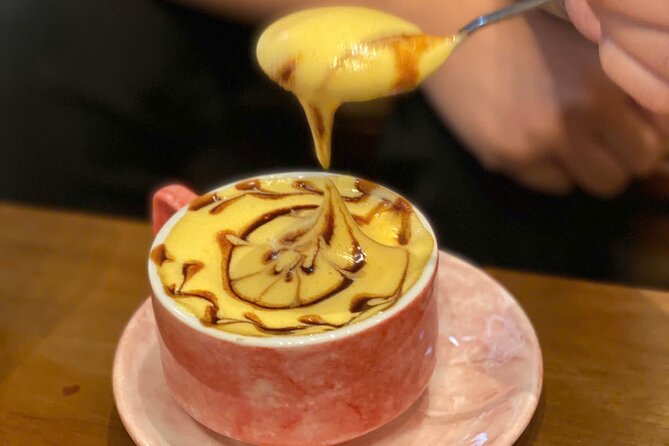
Egg coffee is the most distinctive stop for many people. The process involves whisking, and the texture matters as much as the flavor. You learn how to make the topping and how to judge the balance between coffee and the creamy egg mixture.
White coffee, coconut coffee, and salted coffee add more contrast. Coconut brings a softer, tropical note. Salt is used as a flavor-balancing tool rather than a main taste, helping soften bitterness when used carefully. The instructor explains how locals adjust these drinks, so you are not left with a fixed recipe that may be too sweet or too strong for your own taste.
More Coffee Making Classes in Hanoi
- Hanoi Coffee Workshop: Taste Salt, Coconut and Egg Coffee
★ 5.0 · 1,286 reviews - Hanoi: Salt Coffee Workshop Awake Your Senses With 6 Brews
★ 5.0 · 792 reviews - Hanoi: Vietnamese Coffee Workshop with 6 Brews and 8 Recipes
★ 5.0 · 237 reviews
What the two-hour session feels like
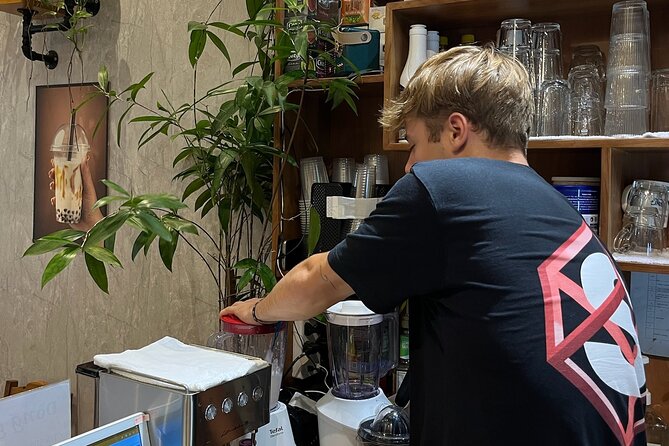
The workshop takes place in a lived-in local space with a bar area, ceramic tools, fresh ingredients, and a garden space that welcomes pets. Air conditioning is a useful touch in Hanoi, especially if you arrive after walking through the Old Quarter in warm weather.
The group stays small, with no more than eight people. That matters here. Coffee preparation can look simple until you need to judge a texture, handle a whisk, or decide if a drink needs more milk. A large class would make those small corrections harder.
You can expect a practical rhythm:
- The instructor introduces Vietnamese coffee and the ingredients.
- You learn how the coffee is prepared and why each drink tastes different.
- You make several coffee styles with guidance at the bar.
- You taste each drink and adjust sweetness, strength, or balance.
- You talk about coffee in Hanoi, including old cafes and its place in daily life.
- You receive recipes and tips to repeat the drinks at home.
The pace sounds relaxed rather than formal. You are encouraged to explore the tools and ask questions, not simply follow a strict classroom script. That makes the class a good fit if you want an activity with conversation and tasting, not a technical barista certificate.
Jade, Jennifer, and the human side of coffee
The instructors are central to the value of the workshop. Jade has been praised for turning a difficult weather day into a friendly and memorable class through her passion and easy manner. Jennifer has also led sessions, explaining coffee culture while guiding people through black, brown, white, and egg coffee.
The useful distinction is that the guides do more than show the steps. They explain why a drink tastes the way it does and what it says about ordinary life in Vietnam. Stories about Hanoi’s old cafes and coffee habits help connect the recipes to the city around you.
You should not expect a polished cooking-show performance. The appeal is more personal. The bar is described as a place where you can experiment, and the instructors invite curiosity. If you want to know why a coffee is bitter, why condensed milk changes its character, or how to make the result better at home, this approach works well.
A photographer is also included, with the instructor handling the photography. The practical benefit is that you can focus on whisking and tasting rather than trying to document every step yourself. The included recipes give the experience value after you leave Hanoi.
Fresh ingredients and Central Highlands beans
The coffee comes from Vietnam’s Central Highlands, a major coffee-producing region. The beans are selected as part of a specialty coffee program, and the coffee can change with the seasonal harvest. That means the cup is not treated as a fixed product with one unchanging flavor.
Fresh eggs, milk, and coconut are prepared daily. Nothing is described as pre-made or artificial. This is important for egg coffee in particular, since texture and freshness affect the result. It also makes the class more useful if you want to understand how the drinks are built rather than simply copy a flavored syrup recipe.
You learn about substitutes that work in an ordinary kitchen. The instructors focus on methods that do not require fancy equipment, which is one of the best reasons to take the class instead of only ordering coffee at a cafe.
The session can help you develop a simple tasting habit. Notice the bitterness first. Then consider sweetness, texture, and aftertaste. If the coffee feels too sharp, you might reduce the strength or add a balancing ingredient. If it is too sweet, you can adjust the recipe while keeping the drink recognizable.
More Coffee Making Classes in Vietnam
- Ha Noi Egg Coffee Class
★ 5.0 · 227 reviews - Hanoi Coffee Class learning 5 famous coffee in Hanoi
★ 5.0 · 161 reviews - Mini Hanoi Coffee Workshop: Pick Any Signature Coffee You Like
★ 5.0 · 160 reviews - Hanoi Egg Coffee making course
★ 4.9 · 112 reviews
Why making the coffee matters more than only tasting it

Hanoi has no shortage of places to drink coffee. A cafe stop is quicker and may be all you need if you simply want a cold coconut coffee or a thick egg coffee. This class earns its price by showing you what happens behind the cup.
At roughly $18.20 per person, the cost is modest for a two-hour activity that includes several drinks, instruction, ingredients, tools, recipes, and photos from the instructor. You also get the cultural explanation that a single cafe order cannot provide.
The value is strongest for people who will use what they learn. If you enjoy cooking, coffee, or bringing food skills home, the recipes and practical adjustments make the fee worthwhile. If you dislike hands-on activities or rarely drink coffee, the class may feel like more time than you need.
It is also a good choice for people who have already been in Vietnam for a while and want to understand a favorite local drink. One participant took the workshop after several weeks in the country and used it to learn how to recreate those coffees at home. That is a sensible point in a trip: after tasting Vietnamese coffee in cafes, you have a better idea of which styles you want to make.
The meeting point and what to plan for
The workshop begins and ends at 34 P. Cầu Đất, Chương Dương Độ, Hoàn Kiếm, Hanoi. It is near public transportation, and a mobile ticket is accepted.
Give yourself extra time to find the address. A weather-related change once caused confusion for someone trying to reach the class, so storms can affect the meeting arrangement. Check your booking information on the day and contact the provider if the location changes.
The return to the same meeting point makes this easy to fit between other Hanoi plans. You can schedule it in the morning or at another available time, then continue exploring without arranging a second pickup. No transportation is included, so you make your own way there.
The space has air conditioning, a dishwasher, and sterilized utensils. Service animals are allowed, and the garden is pet-friendly. Those details will matter more to some people than others, but they make the setting feel practical rather than staged.
Who will enjoy this Hanoi coffee workshop
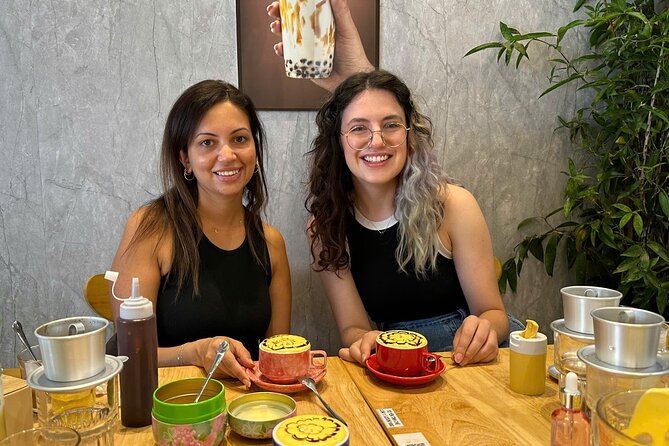
I would recommend the class to:
- Coffee drinkers who want to compare several Vietnamese styles.
- Couples, friends, and small groups who enjoy making food together.
- People who want a cultural activity with conversation rather than a passive tasting.
- Home cooks who appreciate clear recipes and ingredient substitutes.
- Visitors who have already tried Vietnamese coffee and want to understand it better.
- Anyone curious about egg, coconut, or salted coffee but unsure how to prepare them.
It is especially good for first-time coffee explorers because the instructors help you adjust the drinks. You do not need to arrive with a trained palate. The workshop teaches you what to notice by letting you taste the result.
It may be less suitable if you want a strict professional coffee course. The emphasis is on culture, enjoyment, practical home brewing, and local habits. It is also not the best use of time for someone who does not like sweet drinks, dairy, eggs, coconut, or strong coffee, since these ingredients shape much of the session.
My verdict: book it for skills, not just caffeine
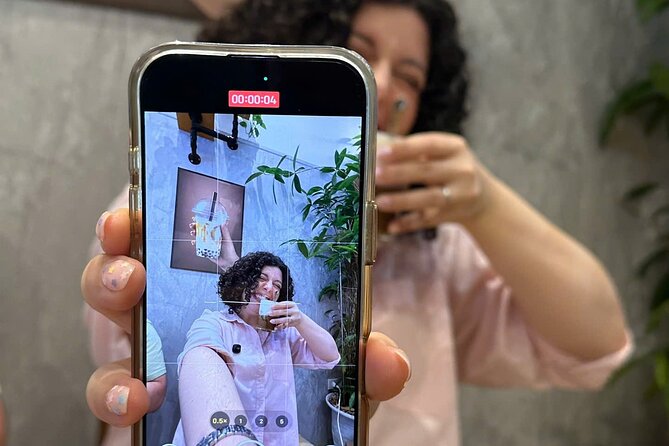
I would book this workshop if I wanted a friendly, hands-on introduction to Hanoi coffee with enough time to make mistakes and try again. The small group, fresh ingredients, local instructors, and recipes afterward give it more substance than a standard tasting.
The strongest reasons to go are the chance to compare six signature styles and the practical advice on balancing bitterness without special equipment. Jade and Jennifer add a personal touch, and the stories about Hanoi cafes give the drinks a clear connection to local life.
I would hesitate only if you are short on time, do not enjoy sweet coffee, or expect formal barista training. For most coffee drinkers, $18.20 is fair value for two hours of making, tasting, learning, and taking home recipes. Free cancellation is available until 24 hours before the start time, so you have some flexibility when planning around Hanoi weather.
FAQ
How long does the Hanoi Coffee Workshop last?
The workshop lasts approximately two hours.
How many coffee styles will I make?
You will make four to six Vietnamese coffee styles. The possible drinks are black, brown, egg, white, coconut, and salted coffee.
What is the maximum group size?
The activity has a maximum of eight participants.
Where does the workshop start and finish?
It starts at 34 P. Cầu Đất, Chương Dương Độ, Hoàn Kiếm, Hanoi, Vietnam, and finishes back at the same meeting point.
Are recipes included?
Yes. Full recipes and additional guidance are provided, and the recipes are sent after the session.
Is the workshop accessible by public transportation?
The meeting point is near public transportation. A mobile ticket is accepted.
What is the cancellation policy?
You can cancel at least 24 hours before the start time for a full refund. Cancellations or changes made less than 24 hours before the start time are not refunded or accepted.
More Vietnamese Coffee Experiences in Hanoi
- Hanoi Cooking Class: Pho/Bun Cha/Banh Xeo…+Free Egg/Salt Coffee
★ 5.0 · 267 reviews - Hanoi: Rose Kitchen: Pho/Bun Cha/Nem+ Free Egg/ Salt Coffee
★ 5.0 · 57 reviews - Six Cups of Vietnam Coffee Workshop in Hanoi with Local Barista
★ 5.0 · 54 reviews - Hanoi Egg Coffee & Coconut Coffee Making Class with Free Banh Mi
★ 5.0 · 41 reviews
Just listed in Hanoi
- Hanoi Private Walking Tour with Egg Coffee Making Experience★ 5.0 · 90 reviews
- From Egg Coffee to Street Brews: Hanoi Walking Tour★ 5.0 · 4 reviews
- Walking Tour in Hanoi Old Quarter with Street Food & Coffee★ 5.0 · 4 reviews
- Hanoi: Hands-On 5 Vietnamese Coffees & 3 Local Wines Tasting★ 5.0 · 14 reviews
- Hanoi 2.5 hour Guided Sightseeing Cyclo Tour & Egg Coffee Class★ 5.0 · 16 reviews
- Hanoi daily egg coffee making course with local guide★ 5.0 · 17 reviews
- Hanoi Street Food Tour with egg coffee making★ 5.0 · 22 reviews
- Ha Noi City Tour & Coffee Class★ 5.0 · 25 reviews
Vietnamese Coffee Experiences, compared.

Salt Coffee Workshop Awake Your Senses With 6 Brews
Read our review →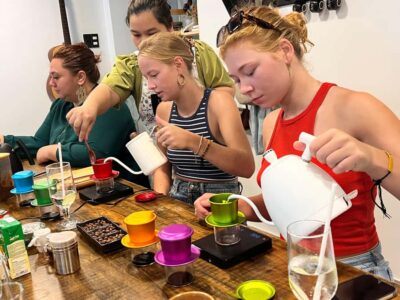
Egg coffee & Course on 4 traditional types of Viet coffee
Read our review →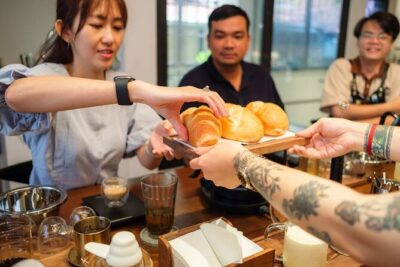
Fun & Easy Vietnamese Coffee Workshop in Hồ Chí Minh City
Read our review →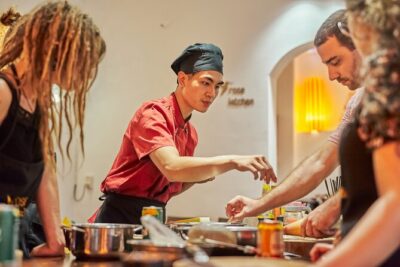
Hanoi Cooking Class: Pho/Bun Cha/Banh Xeo…+Free Egg/Salt Coffee
Read our review →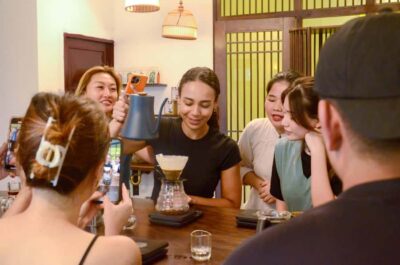
Vietnamese Coffee Workshop with 6 Brews and 8 Recipes
Read our review →
Vietnamese Coffee & Culture Exploration in Hồ Chí Minh City
Read our review →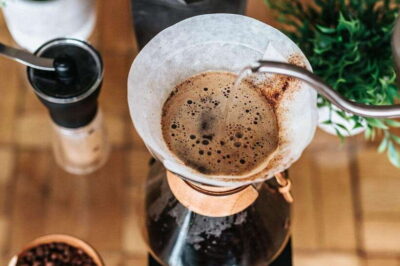
Hands-on Vietnamese Coffee Making Class with Long
Read our review →