

REVIEW · BUCHAREST-ILFOV
Bucharest: Museum of Communism Ticket with Communist Coffee
Bucharest’s Museum of Communism turns a short history visit into something you can touch, wear, and taste. You can type on an old machine, leaf through original magazines, try on period clothes, and finish with nechezol, the coffee substitute many Romanians knew in the 1980s.
I like the hands-on exhibits, which make recent history easier to grasp than a wall of dates. I also like the chance to ask questions in English and sit in an old living room with a cup of communist coffee. The drawback is that the museum is small, and some written displays may feel broad or overly simple if you already know the subject.
Key Points to Know Before You Go
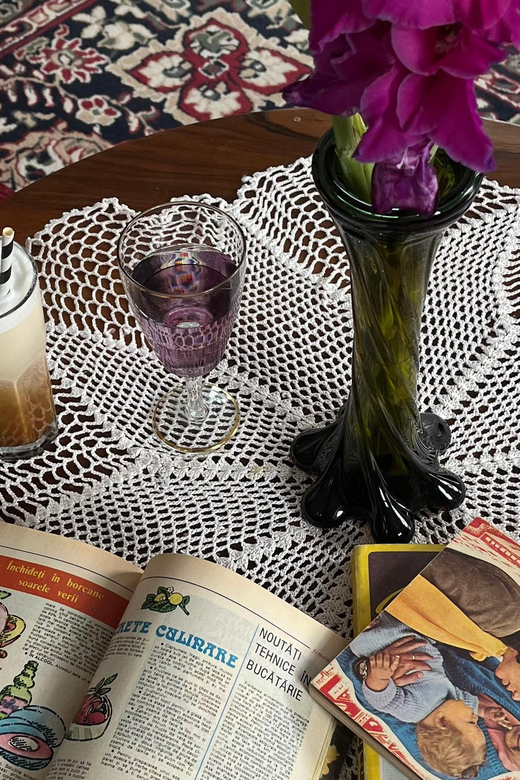
- Taste late-communist coffee: Your ticket includes a cup of nechezol served in an original old cup.
- Handle the history: Type on a vintage typewriter, read original magazines, and try on old clothes.
- Plan a short stop: Allow about 45 minutes to one hour, though the ticket is valid for one day.
- Ask questions in English: A host or guide is available inside the museum.
- Expect a small, informal museum: It has a living-room setting, a bar area, clean toilets, and no gift shop.
- Consider the tone: The displays offer a quick introduction, but some visitors may find the interpretation too general.
What the Museum of Communism Actually Offers
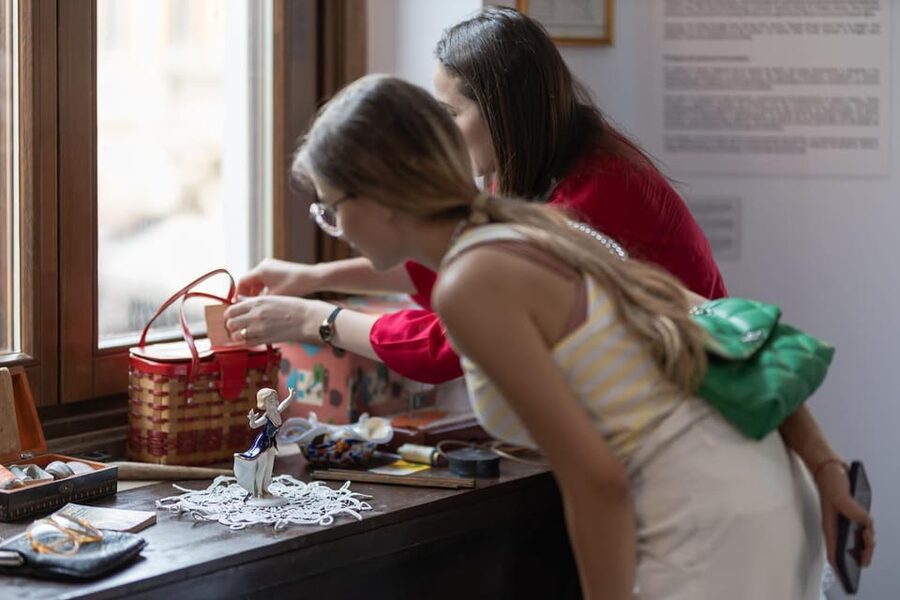
This is not a grand national museum with endless galleries. It is a small, private museum in Bucharest’s old town, built around everyday objects and domestic life during Romania’s communist period.
That scale is part of the appeal. You are not asked to walk through a huge building while trying to remember a long list of names and dates. Instead, you move through rooms filled with familiar household and cultural objects, with the chance to handle much of what you see.
The museum focuses on Romania’s recent past and the effect of communism on Bucharest and its people. The experience is meant to be approachable, especially if you know little about the period or want a quick introduction before exploring more of the city.
You can ask questions in English while you look around. That matters here, since the subject can be hard to understand from labels alone. Romania’s communist years affected food, clothing, media, housing, work, and daily routines. A question about one object may help connect it to ordinary life.
The museum received an overall rating of 4.6 out of 5 from 52 reviews, though the experience clearly works better for some people than others. The strongest praise goes to the staff in the rooms. One especially warm assessment singled out the young guides for their energy, care, and command of the subject. Their names were not provided, so I cannot tell you whom to ask for. Still, the practical advice is simple: use the staff, rather than treating the displays as a silent reading exercise.
More Museum Visits in the world:
- Dublin: Irish Coffee Masterclass at the Irish Whiskey Museum
★ 4.6 · 279 reviews - 7-Hour Shared Group Santos Tour : Mont Serrat, Coffee Museum and Sightseeing
★ 5.0 · 68 reviews - Strauss Exhibition incl. LED Concert Show / Coffee + Strauss Cake
★ 5.0 · 30 reviews
Touching Typewriters, Magazines, and Old Clothes
The best part of the visit is the permission to interact with the exhibits. You can type on an old typewriter, read original magazines, and try on old clothing. These are modest activities, but they change the pace of the visit.
A typewriter gives you a physical sense of how writing and office work once felt. Old magazines show the look and language of the period in a way that a modern translation panel cannot. Clothing adds a playful element and creates photo opportunities, especially if you are visiting with friends or family.
This is also where expectations matter. The museum uses interaction, but it is not an activity center packed with elaborate installations. Some rooms contain posters and written information, and one visitor found the visit boring because there were not enough objects to handle. Another visitor finished in about five minutes by moving quickly through the rooms.
I would not rush. Read the material that interests you, ask questions, and give yourself time to look at the objects as domestic evidence rather than decoration. If you simply want a quick set of photographs, you may be done fast. If you want context, the visit works better when you slow down.
The dressing-up and music elements are likely more enjoyable with company. Alone, you can still see the displays and taste the coffee, but the photo opportunities lose some of their fun. Families, couples, and small groups may get more from the informal format than a solo visitor in a hurry.
The Living Room and a Cup of Nechezol

The ticket includes one cup of nechezol, a coffee substitute associated with Romania’s final communist years. Coffee imports were very limited then, so people used a mixture that came to be known as nechezol.
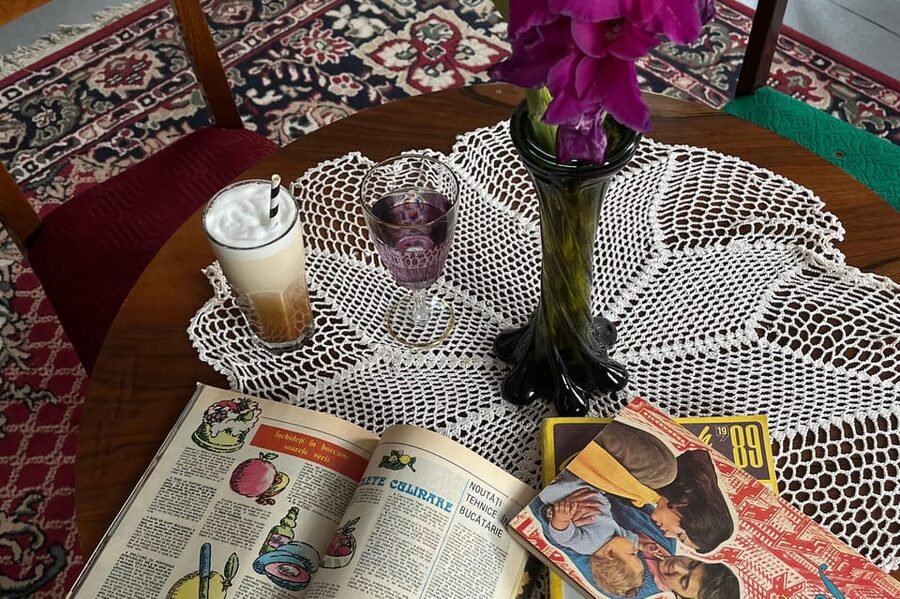
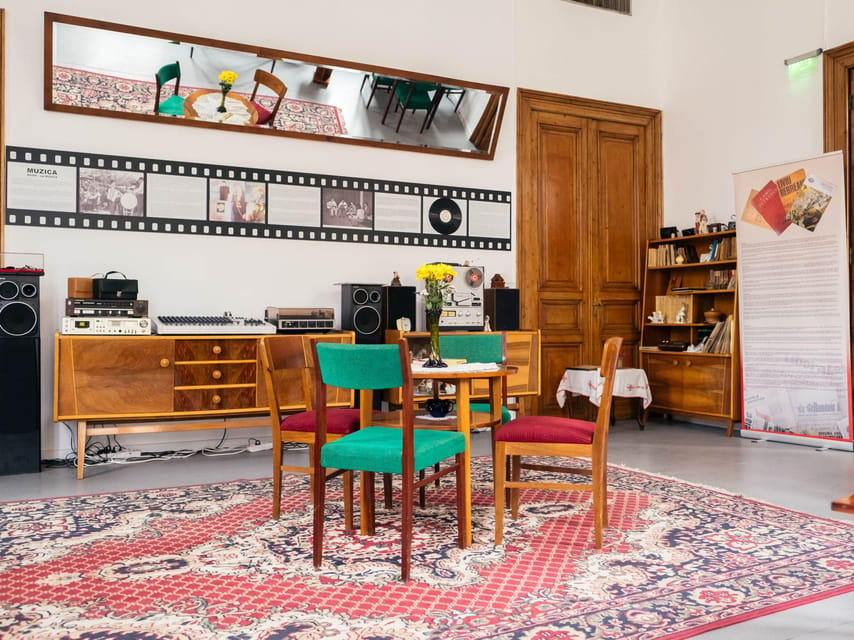
The museum explains the story, then serves the drink in an original old cup. You sit on a communist-era couch in the museum’s living room, which gives the tasting a sense of place. It is a small detail, but it ties the history to daily life: what people drank, where they sat, and how an ordinary home might have felt.
Do not expect a specialist coffee tasting. The drink is included as a historical sample, not as a premium beverage. One tasting found it surprisingly pleasant and difficult to distinguish from instant coffee. Your own reaction may depend on how much you enjoy simple coffee, but the point is the connection to the period.
I like this part because it avoids treating history as something locked behind glass. You taste a substitute created by scarcity, then sit in a room designed around the habits and objects of that time. The coffee takes only a few minutes, yet it may be the detail you remember after the posters have blurred together.
There is also a small bar area, though the included item is specifically the cup of nechezol. You should not assume the ticket covers anything else.
How Long the Visit Takes
The booking is valid for one day, and you choose from available starting times. The actual museum visit is much shorter than a full day. A practical estimate is 45 minutes to one hour if you read some of the displays, try the interactive objects, ask questions, and have the coffee.
You can finish more quickly. A visitor who moved straight through the rooms completed the museum in about five minutes, while another described it as a good 45-minute to one-hour stop. That wide range tells you more about the style of the museum than any fixed schedule could.
I would place it between a quick city attraction and a formal museum visit. It is useful before lunch, after another old-town sight, or during a gap between larger activities. At $10 per person, the visit offers reasonable value if you want the coffee, the period objects, and a short introduction to Romanian communism.
The value is less clear if you want a detailed academic history. You may feel that you are paying mainly for a small collection, a casual setting, and the coffee rather than hours of extensive exhibits. That is not necessarily a flaw. It simply means you should book it for an accessible experience, not for a major museum afternoon.
More Entry Tickets in the world:
- Castle District tour with Matthias Church Ticket & Cake & Coffee
★ 5.0 · 31 reviews - Castle District tour with Matthias Church Ticket & Cake & Coffee
★ 5.0 · 22 reviews
Reading the Displays With a Critical Eye
The museum presents communism through daily life, and that makes the subject easier to approach. It also creates a limit. Some written explanations may treat ordinary items from the 1950s through the 1990s as if they were automatically products of communist oppression.
One visitor felt that parts of the interpretation were too simplistic and would benefit from a more historically broad approach. That is useful guidance. You may find the displays clear and helpful if you are new to Romania’s recent past, but less satisfying if you already know the period or want competing viewpoints.
I would treat the museum as an introduction and a prompt for questions. Look at the magazines, clothes, and household objects, then ask the guide how they fit into life in Romania. The staff can add detail that a short label cannot.
This is especially important because the museum’s most praised feature is the people in the rooms. The strongest response focused on the guides’ enthusiasm and willingness to answer questions. Do not just walk past them. Ask about the coffee, the objects, and the changes Bucharest experienced during the communist years.
Comfort, Facilities, and Access
The museum has clean toilet facilities and a small bar area. Those details are useful during a day of sightseeing, especially if you are combining the visit with other stops in the old town.
There is no gift shop, so this is not a place to plan for souvenirs or books. The visit is focused on the rooms, the objects, the staff, and the coffee.
The experience is not suitable for wheelchair users. If step-free access is important to you, contact the provider before booking rather than assuming the small museum can accommodate your needs.
The listed language is English, and the host or greeter is English-speaking. That makes the museum a practical choice for international visitors who want to ask questions without relying on a translation app.
Who Will Enjoy This Museum Most?
I would recommend it to you if you like social history, unusual small museums, and objects that make a period feel real. It is also a good choice if you have only a short amount of time in Bucharest and want an attraction that can fit around other plans.
It suits visitors who enjoy a little playfulness. The typewriter, clothes, music, and photo opportunities make it less formal than a traditional museum. With friends or family, you can make more of those features.
It is also useful for anyone who wants a first look at Romania’s communist past without committing to a long lecture. The coffee adds a memorable local detail, and the staff can help fill in gaps.
I would hesitate to recommend it as your only source on the subject. If you want a detailed account of politics, repression, economics, or the full history of Nicolae Ceaușescu’s rule, this small museum may feel thin. Some of the panels may also seem too general, particularly if you already have a strong background in twentieth-century European history.
Solo visitors should think about their own style. You can visit alone, but the dressing-up and photo elements are more entertaining with company. If you are mainly interested in the objects and explanations, going alone is perfectly workable.
Is the $10 Ticket Good Value?
At $10, the price is fair for a short, central stop that includes museum admission and a cup of nechezol. The coffee is not a costly item by itself, but the setting gives it extra value. You are paying for the small museum, the interactive access, the staff, and the unusual tasting.
The deal is strongest if you spend close to an hour inside and use the chance to ask questions. It is weaker if you race through in five minutes or expect a large collection.
Free cancellation up to 24 hours before the visit and the option to reserve now and pay later make the ticket easy to fit into a changing schedule. The booking is valid for one day, with start times shown according to availability.
I would compare it with the price of another small old-town attraction, not with a full national museum. At that level, the ticket makes sense for a compact experience with a distinctive Romanian detail.
My Practical Take
Give yourself 45 minutes to one hour. Start by looking at the objects, then read the displays that catch your attention. Try the typewriter and clothing, inspect the original magazines, and save time for the coffee rather than treating it as an afterthought.
Ask questions in English. The museum is at its best when the staff add human detail to the displays. If you only read posters, you may find the visit flat. If you use the interactive pieces and talk with the guide, the small collection has more life.
Keep your expectations in check. This is not a large institution and not every explanation will satisfy a serious history reader. It is a compact, informal stop that uses objects, photographs, domestic settings, and a coffee substitute to make a difficult period more approachable.
Should You Book the Museum of Communism?
Book it if you want a short, affordable introduction to Romania’s communist period, especially if you enjoy hands-on exhibits and unusual food or drink experiences. The included nechezol, served on an old couch in a living room setting, gives the visit a memorable finish.
Skip it if you want a major collection, a full scholarly treatment, or a long museum afternoon. You may also want to pass if you need wheelchair access.
For most visitors with an hour to spare in Bucharest’s old town, I think the ticket is a sensible choice. Go slowly, ask questions, and treat the coffee as a historical clue rather than a café order. That approach gives you the best value from this small but distinctive museum.
FAQ
Where is the Museum of Communism located?
It is in Bucharest, in the Bucharest-Ilfov area. The museum is described as being in Bucharest’s old town.
How much does the ticket cost?
The ticket costs $10 per person.
How long should I allow for the visit?
Plan on about 45 minutes to one hour for a normal visit. The ticket itself is valid for one day.
What is included in the ticket?
Admission to the Museum of Communism and one cup of nechezol coffee are included.
What is nechezol?
Nechezol is a coffee substitute associated with Romania’s final communist years, when imported coffee was available only in very small amounts.
Can I taste the communist coffee at the museum?
Yes. You can drink a cup of nechezol from an old cup while sitting on the communist couch in the museum’s living room.
Is the museum interactive?
Yes. You can type on an old typewriter, read original magazines, and try on old clothes. The museum also includes music and photo opportunities.
Is an English-speaking guide available?
Yes. An English-speaking host or greeter is available in the museum, and you can ask questions during your visit.
Is the museum suitable for wheelchair users?
No. The activity is listed as unsuitable for wheelchair users.
Can I cancel the booking?
Yes. You can cancel up to 24 hours in advance for a full refund. You can also reserve now and pay later.
Just listed in the world
- Bali: Ubud Monkey Forest, Coffee Plantation, and Market Tour★ 5.0 · 5 reviews
- Chill coffee or meal break at illy Caffè in St.Mark’s Square★ 4.7 · 9 reviews
- Private Ubud Tour: Sacred Monkeys, Coffee, Temple, Waterfall★ 4.8 · 3 reviews
- Venice: Sunrise Walking Tour with Espresso★ 4.6 · 12 reviews
- Bali ,Tegallalang, Tirta Empul, Coffee, Lunch & Batur Hot Spring★ 4.0 · 2 reviews
- Mount Batur Sunrise Trekking (Private, Breakfast and Visiting coffee plantation)★ 5.0 · 27 reviews
- Venice Delights: Coffee & Food Experience Walking Tour★ 5.0 · 2 reviews
- Barista Skills Foundation Course in Ljubljana★ 5.0 · 4 reviews
Museums, compared.
Irish Coffee Masterclass at the Irish Whiskey Museum
Read our review →
7-Hour Shared Group Santos Tour : Mont Serrat, Coffee Museum and Sightseeing
Read our review →
Strauss Exhibition incl. LED Concert Show / Coffee + Strauss Cake
Read our review →
Montmartre & Sacré Coeur : Museum & Coffee In A Tiny Group Tour
Read our review →
Mercara Gold Estate Coffee/Spice Farm and Museum Tour
Read our review →Lists this coffee tour turns up in