
REVIEW · ARUSHA
Arusha: Traditional Coffee Preparation(coffee tour)
The best part of this Arusha experience is that you do not simply drink Tanzanian coffee. You make it from dried bean to finished cup, using a wooden mortar, pestle, clay pot, and charcoal fire. You begin with a short walk around a smallholder arabica farm, then move to a private garden for the hands-on work.
I like the direct contact with a family-run farm and the chance to taste coffee you prepared yourself. I also like the small, old-fashioned tools, which make the process feel practical rather than staged. The main consideration is time: at three hours, this is a focused introduction, not a full-day farm visit.
Key points
- Farm-to-cup work: Learn how arabica coffee is grown, husked, roasted, ground, and brewed.
- Traditional equipment: Use a large wooden mortar and pestle, a clay roasting pot, and a charcoal fire.
- Organic single-origin coffee: Drink coffee prepared from beans connected to the farm visit.
- Local family setting: The farm is family-run, with three generations living on it.
- Sweet accompaniment: Coconut rolls may be served with the coffee.
- Simple booking terms: The tour costs $30 per person, lasts three hours, and allows cancellation up to 24 hours before departure.
Starting with Arabica in Arusha
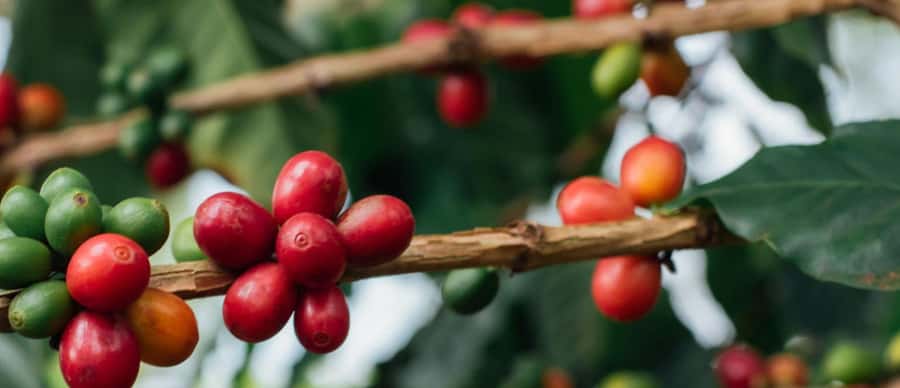
Coffee is the subject here, but the setting matters just as much. Arusha is a practical base for northern Tanzania, and this outing gives you a look at smallholder coffee production without committing to a long agricultural tour.
Your first stop is a small coffee farm. A guide introduces you to arabica coffee cultivation and explains why coffee is an important Tanzanian export. The visit is short, so you should expect an introduction rather than a technical farming course.
That short format works well if you have a busy Arusha schedule. You get enough context to understand the work behind the cup, then move quickly to the part where you take control of the process. If you want detailed information on pruning, harvesting, drying, grading, or coffee economics, this experience may feel too brief.
The farm is family-run, with three generations living on the property. That detail gives the visit a more personal scale than a large commercial plantation. You are seeing coffee as part of a working household, not only as a crop on an organized production site.
More Coffee Tours in Arusha:
- Materuni Waterfalls, coffee tour & Kikuletwa Hot Springs
★ 5.0 · 643 reviews - Materuni waterfalls coffee tour & Chemka hot springs Day trip
★ 5.0 · 131 reviews - Maasai village visit, Materuni waterfalls & coffee experience
★ 4.5 · 95 reviews
A Small Farm Visit Before the Hands-On Work
The farm visit comes first because it gives meaning to the later steps. When you handle the dried beans, you already have a basic sense of where they came from and how coffee fits into local life.
I like this order. It prevents the activity from becoming a stand-alone cooking lesson with a coffee theme. You first see the crop, then work with the product. That connection is the main reason to choose this tour over a standard tasting.
The walk is described as a guided visit and can include walking or hiking. Wear shoes that are comfortable for uneven ground. The information provided does not specify the length or difficulty of the walk, so anyone with mobility concerns should ask the operator before booking.
The meeting point is Naturalland Expeditions, with the return there at the end. The guide waits at the main road and wears a gray or chocolate-colored company T-shirt. That is useful in practice, especially if you are trying to find the right person in an unfamiliar part of Arusha.
Pounding the Beans by Hand
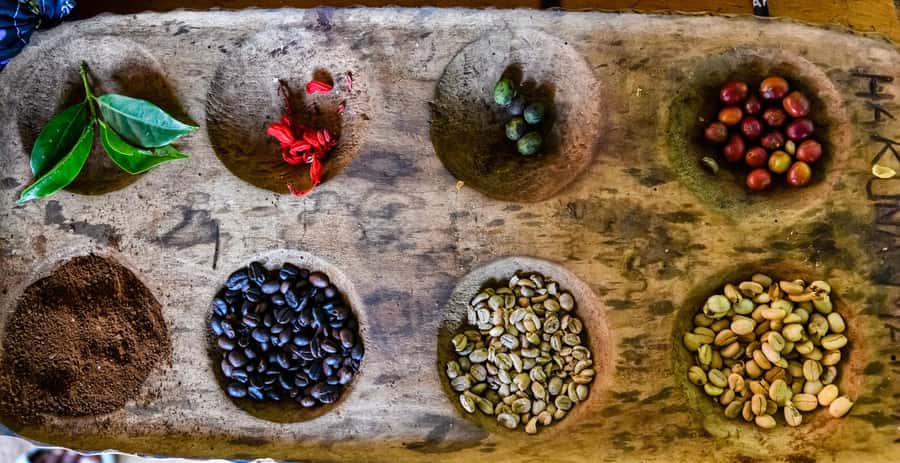
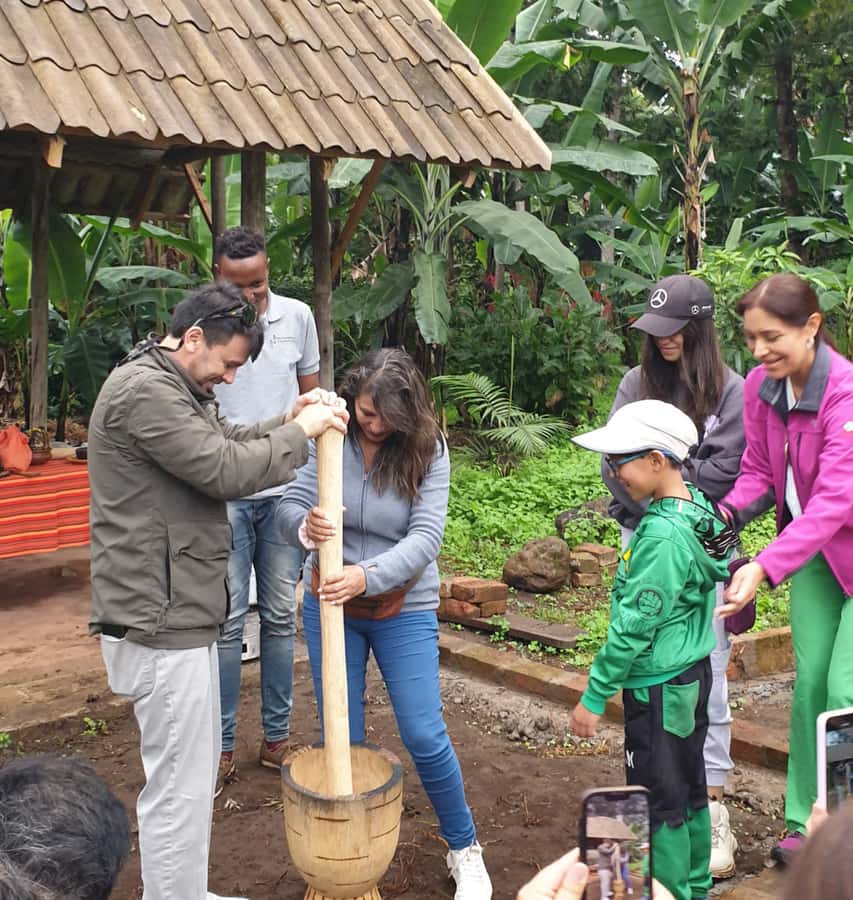
After the farm visit, you move to a private garden for the preparation lesson. The first working step is husking the dried beans. You place them in a large wooden mortar and pound them with a pestle to remove the outer husk.
This is not a button-press version of coffee production. The work takes effort, and the rhythm of the pounding is part of the lesson. You get a physical sense of how much labor sits behind a small amount of coffee powder.
The process also helps you understand why traditional preparation is usually done in stages. The beans need to be cleaned before roasting, and the roasted beans later need to be reduced to a fine powder. Each step changes the beans in a clear, visible way.
I like this part because it is easy to follow. You do not need previous coffee knowledge. The guide demonstrates the method, then gives you the tools and explains what to do next.
The manual work may not suit someone looking for a polished tasting with several brewing methods. Here, the pleasure comes from handling the ingredients and tools yourself. It is closer to a local food activity than to a professional coffee workshop.
Roasting in a Clay Pot Over Charcoal
Once the beans are husked, you roast them in a clay pot over a charcoal fire. The clay pot and open charcoal heat are important details. They give the coffee a more rustic flavor and make the roasting stage visible from beginning to end.
You can watch the beans change as they heat. The guide explains the step-by-step process, but the experience is not built around laboratory precision or modern roasting equipment. The result is deliberately traditional.
That means the final flavor may vary from one preparation to another. If you are used to carefully measured specialty coffee, you may notice less control over temperature and timing. That is not a flaw in the purpose of this activity. It is part of the point.
The charcoal fire also gives the session a strong sense of place. You are not just hearing that coffee was roasted traditionally. You are seeing the fire, handling the clay pot, and waiting for the beans to reach the next stage.
Take care around the fire and follow the guide’s directions. The supplied information does not describe safety arrangements or seating, so ask ahead if you have concerns about heat, smoke, or standing for part of the session.
Still in Arusha, but a different cup:
- Materuni Waterfalls & Coffee Tour from Moshi
★ 5.0 · 92 reviews - Arusha: Materuni Waterfalls, Coffee, and Hotsprings Tour
★ 4.8 · 78 reviews - Coffee tour and Buffet Lunch with Kingstone Asilia (Arusha)
★ 5.0 · 74 reviews - Materuni Waterfalls, Visiting Chagga Village, CoffeeTour Kikuletwa Hotsprings
★ 5.0 · 63 reviews
Grinding the Roast With a Mortar and Pestle
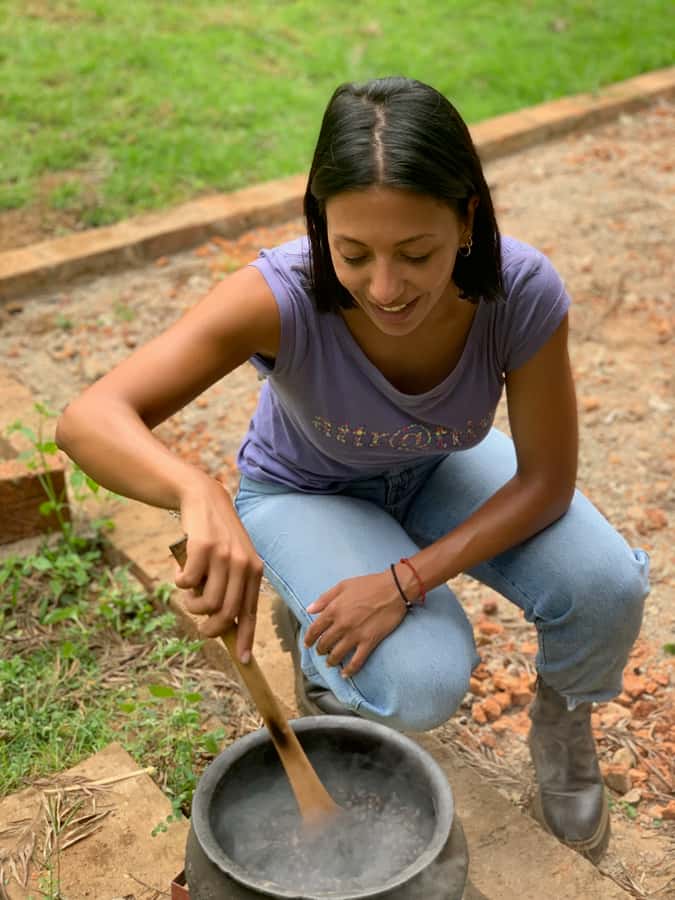
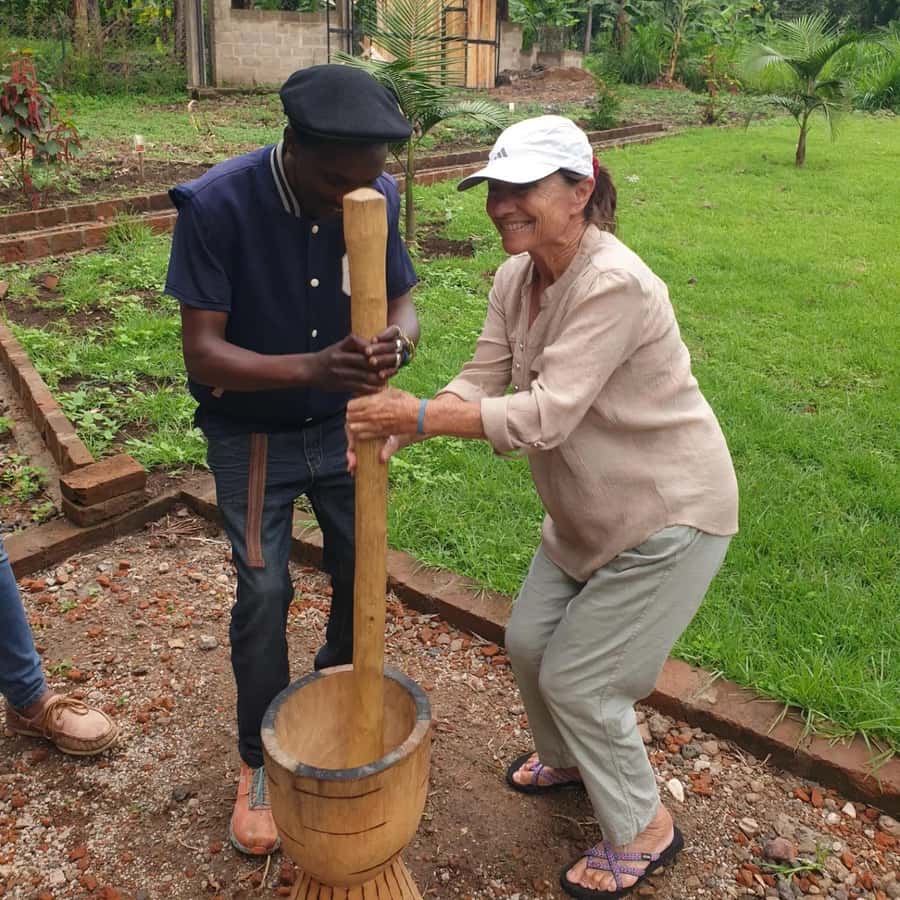
The roasted beans return to the wooden mortar. You pound them again until they become a fine powder suitable for brewing.
This is the most demanding step, and it gives the activity a useful dose of reality. Coffee preparation is often presented as quick and effortless, but the traditional route takes time and muscle. You can appreciate the finished drink more when you have helped make it.
The texture of the coffee powder may not be as uniform as what comes from an electric grinder. Again, that is expected. The aim is not to reproduce a café machine. It is to show you a household method that relies on simple tools and careful manual work.
For children or families, this stage can be especially engaging, though the provided details do not confirm a minimum age or child policy. If you are booking with children, ask Naturalland Expeditions about participation and supervision before paying.
Brewing and Tasting Your Own Cup
After the grinding, you brew the coffee and drink it in the garden. The coffee is described as organic and single-origin, giving you a clear link between the farm visit and the cup in front of you.
The tasting is not a separate lecture with a long list of coffee varieties. It is the reward at the end of the preparation. You taste the result of your own work, including the effect of the clay pot, charcoal fire, and hand-ground powder.
Coconut rolls may accompany the coffee. This is a small detail, but it adds to the local food side of the experience and gives you something sweet alongside the stronger drink.
I would not book this solely for a formal coffee tasting. There is no stated menu of multiple beans, brewing styles, or professional cupping session. Book it for the full process, then treat the cup as the final chapter.
Some sessions have been led by Johnson and Derik, who are described as friendly and motivated. The activity is offered in English, and the guide fee is included. Specific guide assignment is not guaranteed, so you should not assume that either Johnson or Derik will lead your visit.
What Three Hours Really Gives You
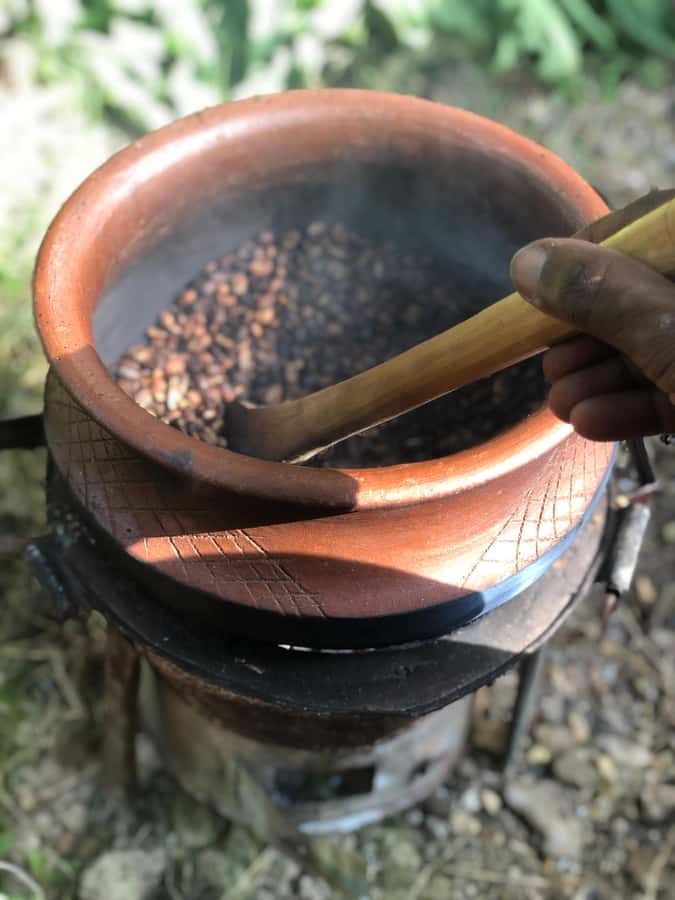
Three hours is a good length for this kind of activity. It gives you time for the farm visit, the preparation stages, and the tasting without taking over an entire day.
You will not spend hours touring fields or waiting through industrial processing. The pace is compact and practical. One account described the experience as short and sweet, which is a fair way to think about it.
That compact schedule makes it easy to add before or after another Arusha plan. Still, starting times vary, so check the available departure times when you book. The activity returns to Naturalland Expeditions after the farm, garden, and tasting.
Group size is not provided. That matters because a hands-on activity can feel very different in a private group than in a large one. If personal instruction is important to you, ask how many people are scheduled for your date.
Is $30 a Fair Price?
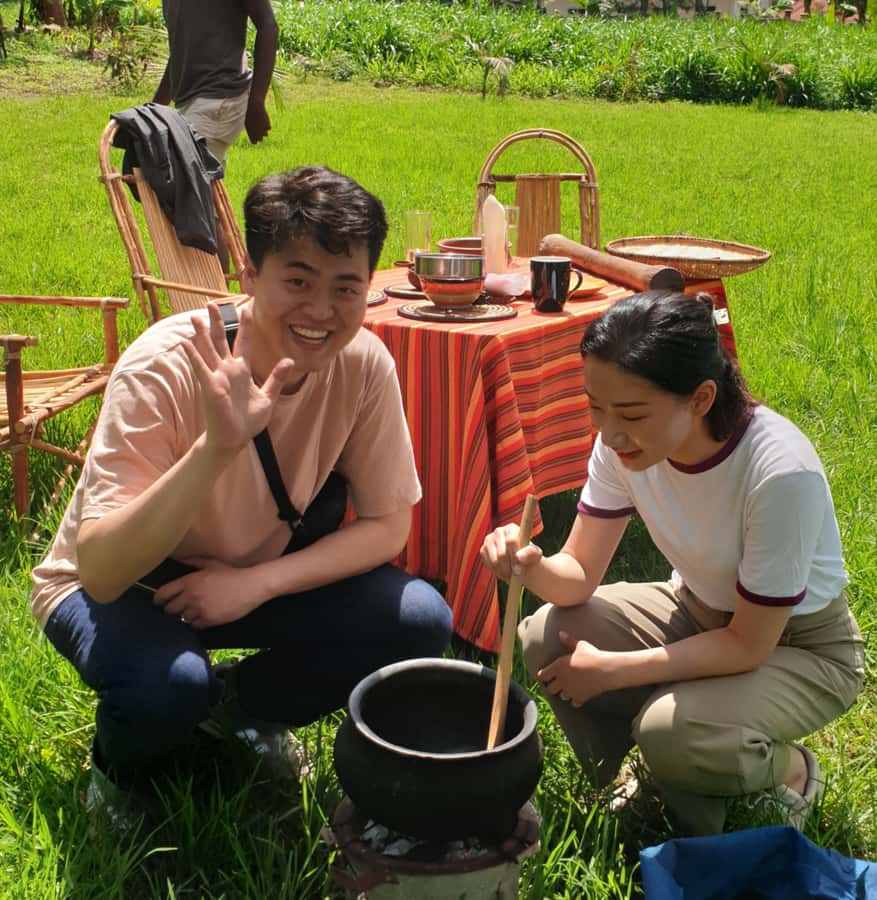
At $30 per person, the value depends on what you want from a coffee outing. You are paying for a three-hour guided experience, a farm visit, the guide fee, drinks, the preparation materials, and the tasting.
I consider that fair for someone who wants active participation rather than transport to a viewpoint or a quick sample of coffee. The price covers several linked parts: agricultural context, manual preparation, food and drink, and local guiding.
The value is also stronger if you enjoy small-scale food experiences. You are not only buying a cup of coffee. You are paying for the time and instruction needed to turn raw beans into that cup.
It may feel less worthwhile if your main goal is a detailed coffee education or a broad tasting of Tanzanian beans. The activity focuses on one traditional preparation, and its strength is the process rather than technical comparison.
The booking terms add useful flexibility. You can reserve now and pay later, and cancellation is allowed up to 24 hours before the experience for a full refund. Check the exact start time and meeting instructions before setting other plans around it.
Who Will Enjoy This Arusha Coffee Tour?
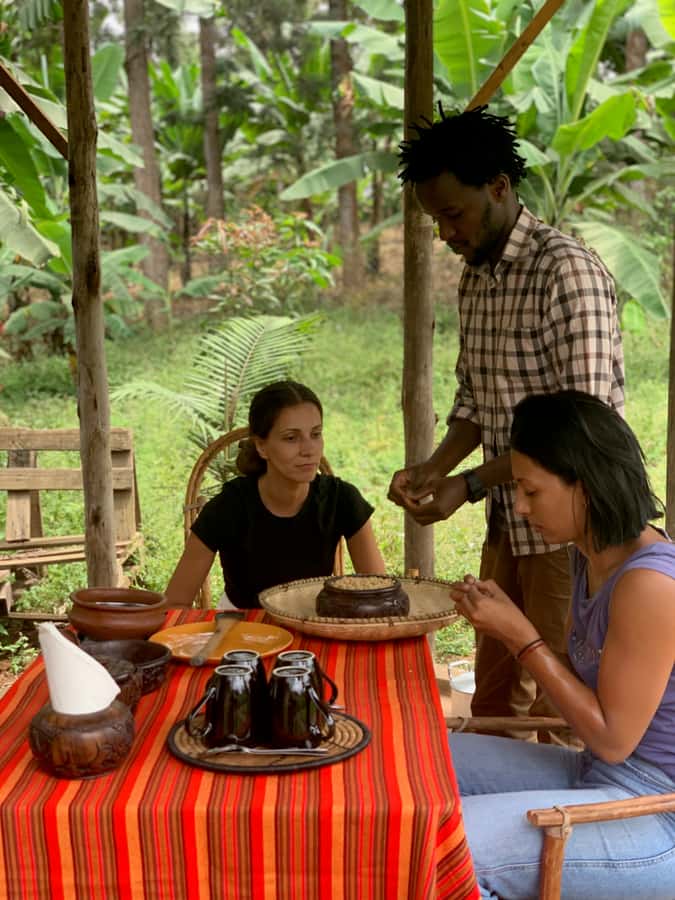
I would recommend this to you if you like food preparation, local agriculture, and activities where your hands do some of the work. It is also a good choice if you want a gentle cultural outing between larger northern Tanzania plans.
Coffee drinkers will get more from it than people who only want a quick beverage. You do not need to be a coffee expert, but curiosity helps. The experience asks you to pay attention to the stages and appreciate how much work goes into a simple drink.
It suits solo visitors, couples, and small groups, though the group size is not stated. It may also work well for families, provided you confirm child arrangements and comfort around the charcoal fire.
You should think twice if you dislike smoke, manual labor, or unstructured outdoor activities. The coffee is prepared over charcoal, and the beans are pounded by hand. This is not an air-conditioned café class.
The language is English. If you need another language, the available information does not promise one, so ask the operator before booking.
Practical Tips for a Smoother Visit
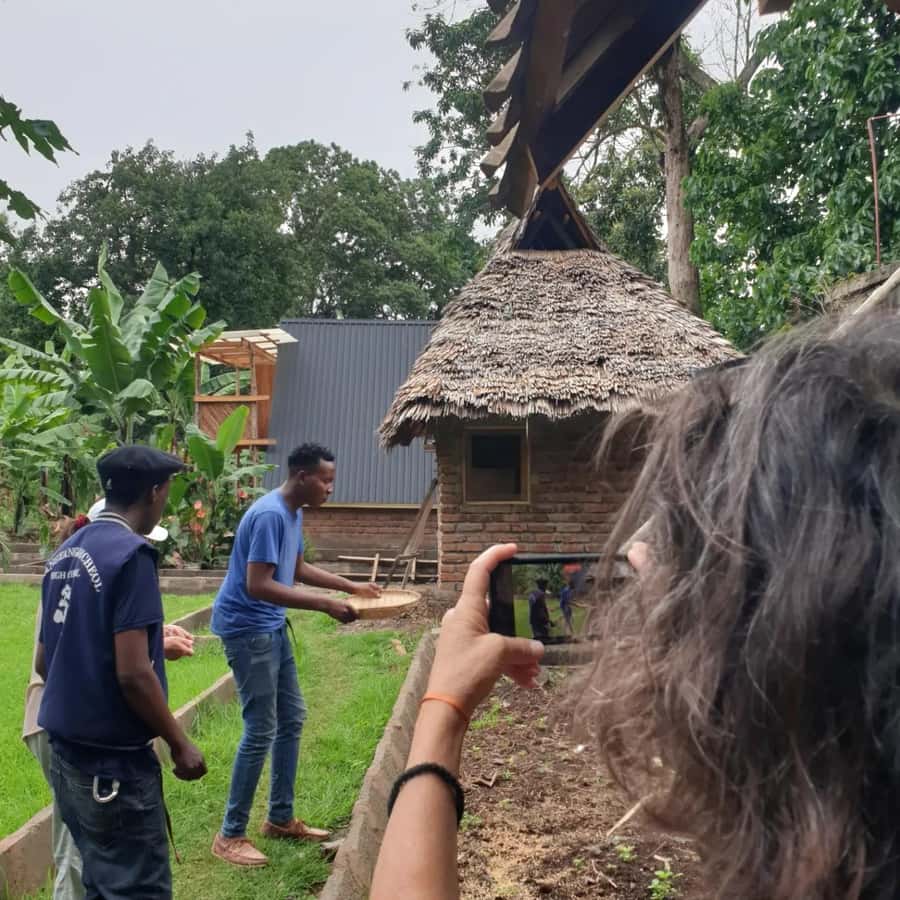
Wear comfortable clothing and shoes suitable for a guided farm walk. The exact walking conditions are not given, but the activity includes walking and hiking, so avoid treating it like a formal indoor tasting.
Arrive at the agreed meeting point with enough time to identify the guide at the main road. Look for the gray or chocolate company T-shirt. If you are unsure where to wait, contact Naturalland Expeditions before the start time.
Bring patience for the manual stages. Pounding beans is part of the activity, not a delay before the interesting part. You will get more from the session if you treat the work as the main event.
If you have dietary needs, ask about the coconut rolls before arrival. They are an accompaniment rather than the focus, and the supplied details do not specify their ingredients beyond the coconut reference.
Keep your schedule flexible around the three-hour duration. The stated length is clear, but walking, demonstrations, and group pace can affect the exact rhythm. Allow some breathing room before your next appointment.
Should You Book It?
Book this tour if you want to understand coffee through hands-on local work, not just a tasting. The farm visit, family setting, clay-pot roasting, hand pounding, and final cup form a clear three-hour story.
The strongest reasons to go are the traditional tools and the direct connection between the smallholder farm and your drink. The main reasons to skip it are equally clear: you may find the activity too short, too manual, or too simple if you want advanced coffee theory.
For $30, I see it as a solid, focused addition to an Arusha stay. Reserve it when you have a free half-day, confirm the meeting details, and arrive ready to work for your coffee.
FAQ
Where does the coffee tour start and finish?
The activity starts at Naturalland Expeditions in Arusha and returns there after the farm visit, preparation lesson, and tasting.
How long does the experience last?
The experience lasts three hours. Starting times vary, so check availability when booking.
What language is the tour offered in?
The live tour guide speaks English.
What does the $30 price include?
The price includes drinks, the coffee farm visit, and the guide fee.
Will I prepare the coffee myself?
Yes. You learn to husk, roast, grind, and brew coffee using traditional handmade utensils.
How is the coffee roasted?
The beans are roasted in a clay pot over a charcoal fire. The process gives the coffee a more rustic flavor.
Can I cancel for a full refund?
Yes. You can cancel up to 24 hours in advance for a full refund. You can also reserve now and pay later.
Just listed in Arusha
- Materuni Waterfalls & Coffee making Cultural Tour | BURIGI CHATO SAFARIS LTD★ 5.0 · 15 reviews
- Materuni Waterfall Coffee Tour and Chemka Hot Springs Experience★ 5.0 · 15 reviews
- Arusha: Materuni Waterfalls, Hot Springs and/or Coffee Tour★ 4.7 · 21 reviews
- Waterfall, coffee tour & hot springs – lunch and drinks included★ 5.0 · 22 reviews
- Private Meru Coffee Tour in Nkoaranga★ 5.0 · 23 reviews
- Kilimanjaro: Maasai Village Visit, Waterfalls, & Coffee Tour★ 4.9 · 27 reviews
- Organic Coffee Tour and Local Food Experience in Arusha★ 5.0 · 29 reviews
- Hidden Arusha Waterfall, Coffee & Village Tour (All-Inclusive)★ 5.0 · 42 reviews
Arusha Coffee Tours, compared.
Materuni Waterfalls, coffee tour & Kikuletwa Hot Springs
Read our review →
Materuni waterfalls coffee tour & Chemka hot springs Day trip
Read our review →
Maasai village visit, Materuni waterfalls & coffee experience
Read our review →
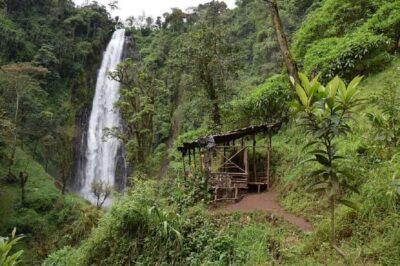
Materuni Waterfalls, Coffee, and Hotsprings Tour
Read our review →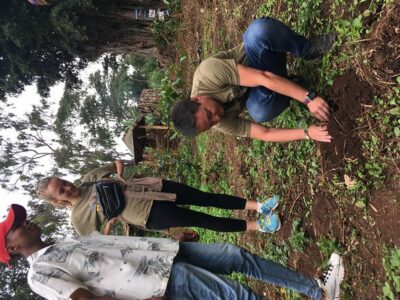
Coffee tour and Buffet Lunch with Kingstone Asilia (Arusha)
Read our review →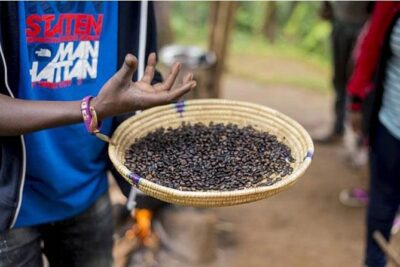
Materuni Waterfalls, Visiting Chagga Village, CoffeeTour Kikuletwa Hotsprings
Read our review →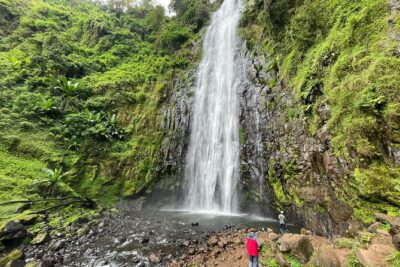
Materuni waterfalls,coffee tour & Kikuletwa(Chemka)Hot Springs
Read our review →Lists this coffee tour turns up in