
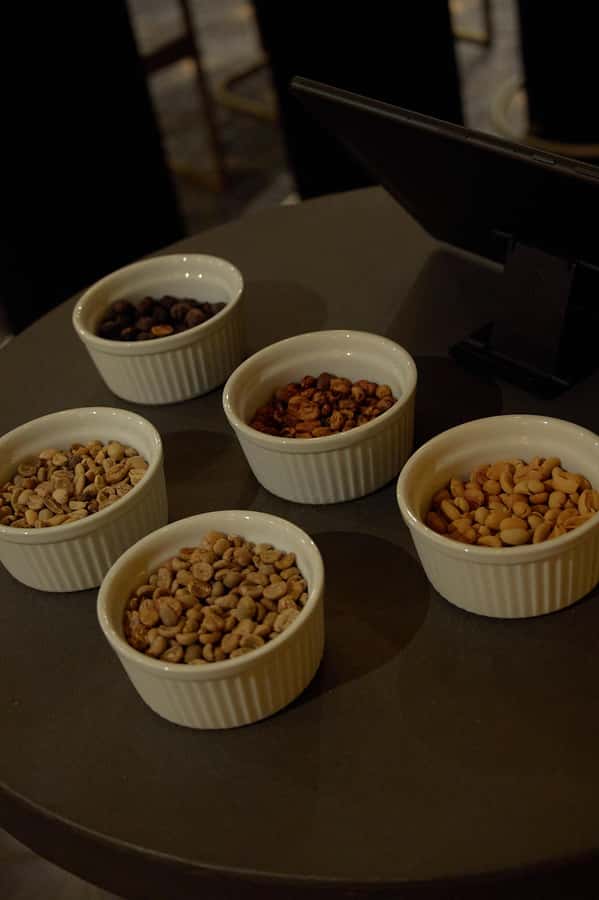
REVIEW · ANTIOQUIA
Medellin: The Best Coffee Tasting Experience
The most useful thing about this Medellín experience is that it teaches you how to taste coffee, not simply how to drink another cup. Javier guides you through professional sensory testing, explains why some coffee tastes flat or harsh, and gives you a practical way to choose better beans and cafés afterward.
I like the small group limit of 10 and the private, comfortable setting at Marquee Hotel. I also like that the session works for both coffee beginners and serious drinkers. You get clear explanations, several samples, a brewing lesson, and local café tips in one compact class.
The main consideration is simple: this is a coffee education session, not a visit to a working farm. If you want mountain views, harvesting, or a full production tour, you will need a separate coffee-farm outing. The class focuses on the cup in front of you.
Key points to know before booking
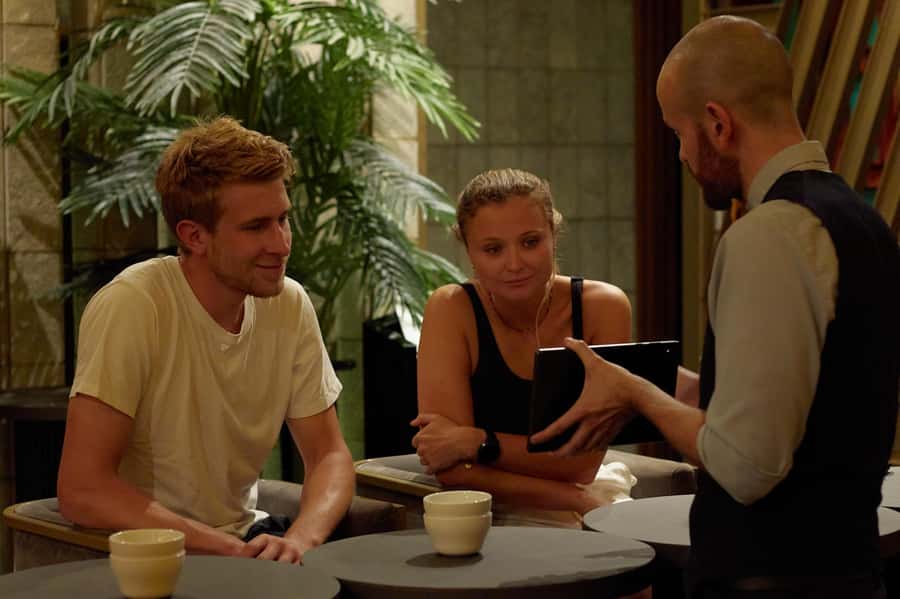
- Javier leads the tasting: He explains coffee in clear English and encourages you to form your own opinions.
- You taste several Colombian coffees: The class compares quality, flavor, and extraction rather than serving only one sample.
- Professional tasting methods are made approachable: You learn about fragrance, aroma, body, and aftertaste without needing prior experience.
- The class lasts 90 minutes: It fits well into a Medellín schedule, especially around a stay in El Poblado.
- The setting is small and private: The space at Marquee Hotel helps keep the focus on the coffee.
- You leave with practical café advice: Javier recommends coffee shops and other coffee activities in Medellín.
Why this coffee class is different from a farm visit
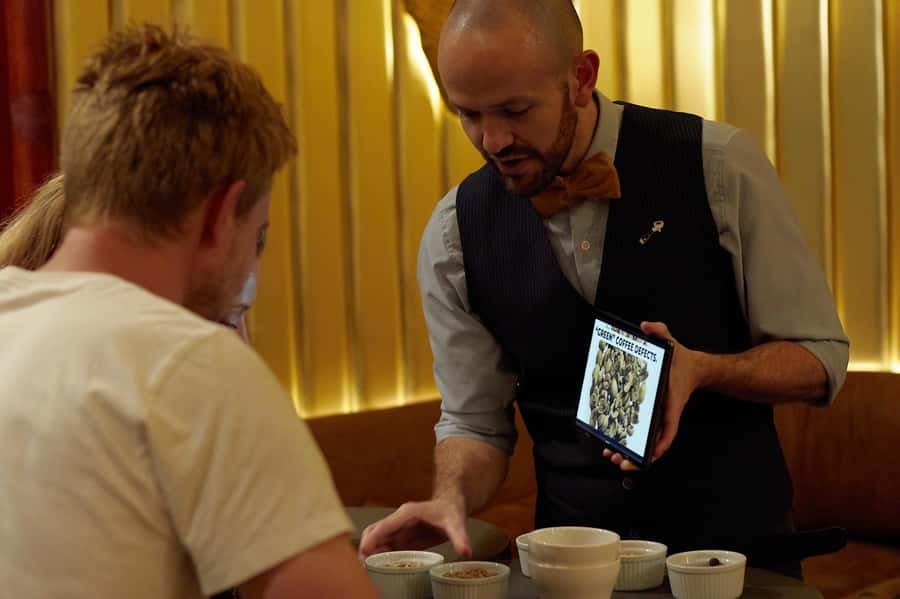
Medellín sits in Antioquia, one of Colombia’s best-known coffee regions, so it is easy to assume that every coffee activity involves a plantation. This one does not. It takes place at Marquee Hotel in Parque Lleras and concentrates on what happens after the beans have been grown, processed, roasted, and brewed.
That difference matters. A farm visit can show you where coffee comes from. This class helps you understand what you are tasting in the cup. If you have already visited a coffee farm near Medellín, the two activities can work well together rather than repeat each other.
I like this focus because coffee menus can be full of terms that sound impressive but tell you little about flavor. Javier breaks those ideas into things you can notice yourself. You are not expected to arrive with a trained palate. You simply compare, smell, taste, talk, and learn what you prefer.
The experience is also useful if coffee is part of your daily routine but you have never thought much about quality. You may discover that you prefer a lighter or fuller body, a cleaner finish, or a different level of roast. The point is not to teach you one correct taste. It is to help you recognize your own.
More Coffee Tastings in Colombia
- Medellin: Coffee Tour with Transport, Snacks and Tastings
★ 4.7 · 1,357 reviews - From Medellin: Private Envigado Coffee Tour with Tastings
★ 4.3 · 4 reviews - Cartagena: Colombian Specialty Coffee Tasting
★ 4.4 · 130 reviews
Meeting Javier at Marquee Hotel
The meeting point is Marquee Hotel in Parque Lleras. The experience uses a private, warm, comfortable space within the hotel, rather than a crowded public coffee shop. That gives Javier room to arrange the samples and gives you a quieter place to pay attention.
The class is conducted in English. It is limited to 10 participants, though the format can be even smaller. On one occasion, a couple had the session almost to themselves. That small scale should appeal to you if you prefer asking questions instead of listening from the back of a large tour.
Start times are agreed with Javier according to space and other reservations. You should arrive early. This is a group activity, and arriving late can interrupt the sensory work for everyone. Bring water, a charged smartphone, cash, and a credit card. Alcohol and drugs are not allowed.
The hotel location also adds a little flexibility before or after the class. Access to the restaurant and rooftop bars is included, so you can continue your time at the property if that suits your plans. The coffee class itself remains the main event, not a general hotel tour.
The welcome drink and introduction to quality coffee
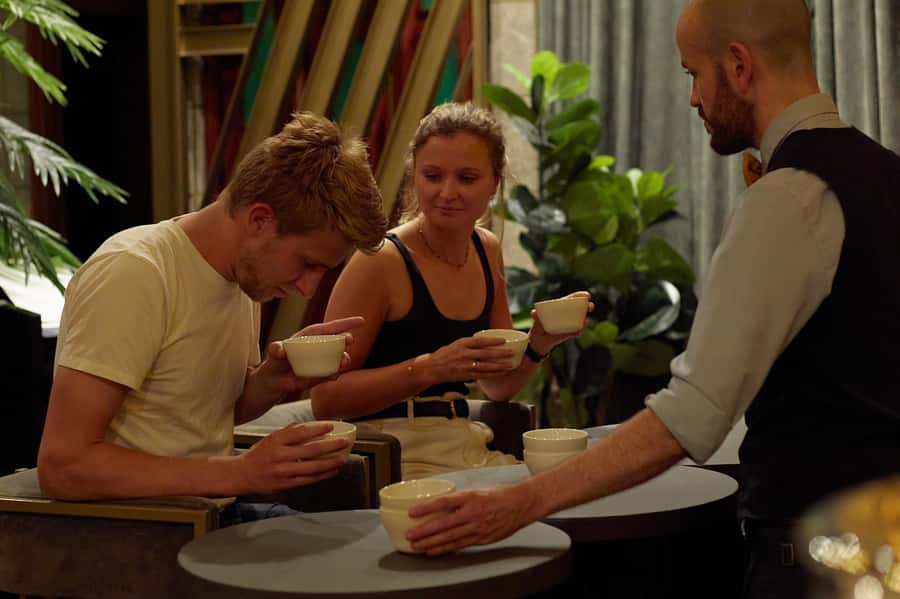
The session begins with a coffee-based welcome drink. It is a pleasant start, but the real purpose is to get you thinking about coffee as a product with many stages and choices behind it.
Javier gives a short introduction to high-quality coffee production standards and processes. The introduction is not described as a long lecture, which is good news if you prefer learning by doing. You get enough background to understand why origin, processing, roasting, and brewing affect the finished drink.
This part helps correct a common misunderstanding: Colombian coffee is not automatically excellent just because it comes from Colombia. Country of origin matters, but quality also depends on how the coffee is grown, handled, processed, roasted, stored, and prepared.
That is one of the class’s useful myth-busting features. Javier explains the difference between a famous coffee origin and a good cup of coffee. You begin to see why two coffees from the same country can taste very different, and why an expensive bean is not always the right choice for your own habits.
Tasting several coffees with a professional method
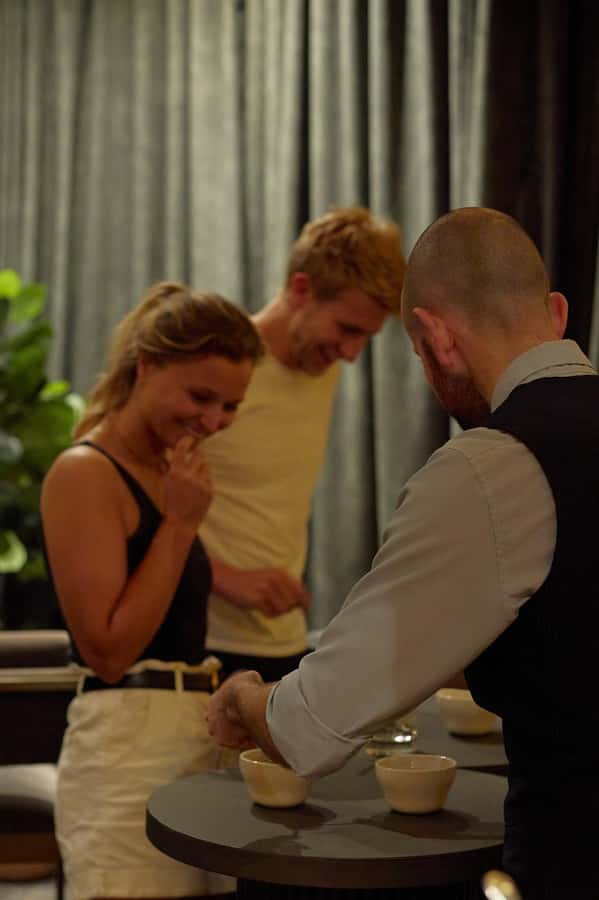
The heart of the experience is a guided tasting of several coffees. You rate them using a professional coffee sensory protocol, but Javier keeps the process accessible. You do not need to know specialist vocabulary before you arrive.
You look at how the coffees differ and discuss what you notice. The class gives you permission to have a personal response. If you dislike one sample, that does not mean you tasted it incorrectly. The aim is to understand why it appeals to some people and not to others.
Javier encourages you to make your own observations before he fills in the gaps. That teaching style is valuable. Instead of handing you a list of approved flavors, he helps you pay attention to your senses and build confidence in your judgment.
You may work through questions such as:
- What do you notice before tasting?
- Does the coffee smell fresh, sweet, sharp, or muted?
- Does it feel light or heavy in your mouth?
- How long does the flavor remain after you swallow?
- Does the coffee taste clear, harsh, flat, or balanced?
The class uses several of the best Colombian samples available for the session, with enough variation to show how quality and preparation change the result. The exact coffees can vary, so you should not expect a fixed menu of named beans.
More Coffee Tastings in Medellin:
- Hanoi Coffee Experience: 6 Brews, 9 Recipes & 3 Liquor Tastings
★ 5.0 · 2,945 reviews - Seattle Coffee Tour: Capitol Hill Cafes, Tastings & Local Stories
★ 5.0 · 489 reviews - Buggy Ride Into the jungle with cave coffee & chocolate tasting
★ 5.0 · 465 reviews - Da Nang Cooking Class with Coffee Tasting and Market Visit
★ 5.0 · 310 reviews
Fragrance, aroma, body, and aftertaste
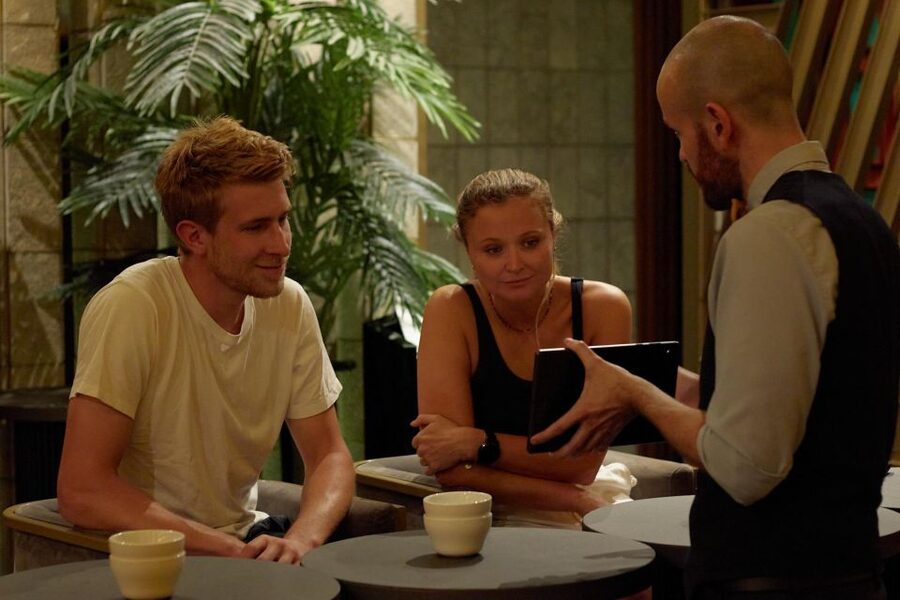
Coffee vocabulary becomes useful when it describes something you can actually notice. Javier explains four basic ideas that help you assess a cup: fragrance, aroma, body, and aftertaste.
Fragrance refers to what you smell from the dry coffee or before it is fully prepared. Aroma is the scent you notice once the coffee has been brewed. The distinction can feel subtle at first, but paying attention to both gives you more information than simply saying that a coffee smells good.
Body describes the coffee’s feel in your mouth. Some cups seem light and delicate. Others feel heavier or creamier. Aftertaste is what remains once the coffee has gone, and it can reveal a great deal about the cup’s balance and finish.
These terms are not designed to turn you into a coffee judge. They give you a small, practical vocabulary for buying beans and ordering drinks. After the class, you can ask better questions at a café and describe your preferences more precisely.
I especially like this part for people who think they are not good at tasting. You are not required to identify a rare fruit or a precise spice. You are learning to compare one cup with another. That is a much more useful starting point.
Learning how extraction changes the cup
The class also covers the basics of coffee extraction. In plain terms, extraction is the process of drawing flavor from ground coffee into water. The way that happens can change the final drink, even when the beans remain the same.
Javier uses Colombian samples to show how preparation affects flavor. The goal is not to turn the session into a technical course for baristas. Instead, you learn why a cup may taste weak, bitter, sharp, or balanced.
This is practical information for anyone who makes coffee at home. It can help you understand why changing the grind, water, brewing method, or preparation time may change the result. The supplied details do not specify a particular brewing device or recipe, so you should not expect a full equipment demonstration for every method.
Still, the extraction lesson gives the wider tasting a clear purpose. You are not only deciding which sample you prefer. You are also learning that poor preparation can hide the qualities of a good bean.
That idea can save you money. Before buying a more expensive coffee, you may want to improve the way you prepare the coffee you already have. The class gives you a better basis for making that choice.
Finishing with a short brewing class
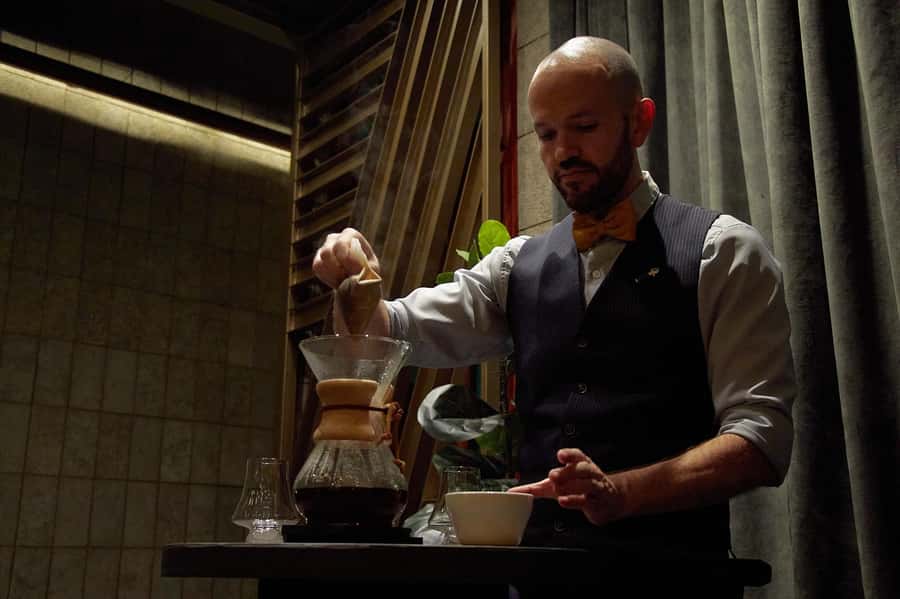
The final part is a short coffee-brewing class. It follows the tasting and extraction discussion, so the advice has some context behind it. You have already compared coffees and talked about how flavor works. Now you can connect those ideas to making a cup.
The session also includes recommendations for coffee consumption. This can mean guidance on choosing coffee, understanding what you order, and deciding which qualities matter to you. The exact recommendations depend on your questions and preferences, so take the chance to explain how you currently drink coffee.
Javier also provides suggestions for the best coffee shops in Medellín and other coffee activities around town. That is a useful extra, since a tasting class is more valuable when it helps you continue exploring after the 90 minutes end.
You should bring your charged smartphone if you want to record names or notes. I would use it to save café recommendations and any brewing points you want to remember. A tasting can involve a lot of new terms, and small notes are easier to use later than memory alone.
What the $50 price gets you
At $50 per person, this is not the cheapest way to have coffee in Medellín. You are paying more than you would for a drink at a café, and the class will not suit you if you only want a quick cup.
The value comes from the guided comparison and personal instruction. You receive a welcome drink, several coffee samples, a professional tasting format, an explanation of production and extraction, a brewing lesson, and recommendations for further coffee stops. The small group setting also means the experience is designed for participation rather than passive listening.
For a coffee enthusiast, that package can be a fair use of money, especially early in a Medellín visit. You can apply the café suggestions for the rest of your stay and use the tasting skills at home. Someone who rarely drinks coffee may find the price harder to justify, though the class is deliberately friendly to beginners.
The strongest value comes if you are curious about why one coffee tastes better to you than another. If you only want to sample a local drink, a café visit will cost less and take less time.
Who will enjoy this 90-minute experience
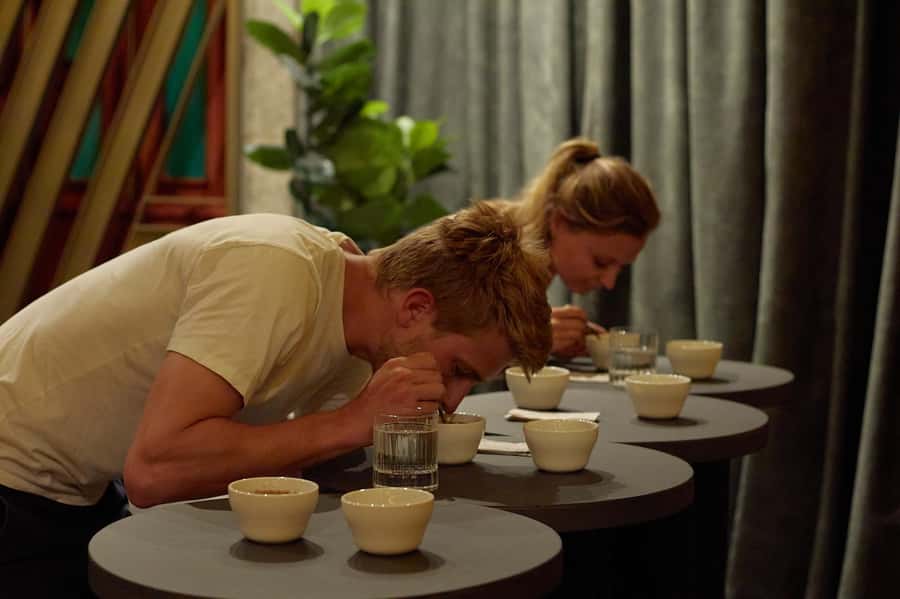
This is a good choice for several kinds of visitors:
- Coffee beginners: You can arrive with no technical background and learn the basic terms through tasting.
- Home brewers: The extraction and brewing sections can help you make better choices with beans and preparation.
- Coffee fans: Several samples and a professional sensory protocol give you a more focused tasting than a normal café stop.
- Couples and small groups: The format allows discussion and works well when you want a shared activity.
- People who already visited a farm: The class adds the cup-quality side of the subject rather than repeating the growing process.
- Visitors planning a café crawl: Javier’s Medellín recommendations can help shape the rest of your coffee plans.
Children under five are not permitted. The activity is wheelchair accessible, and the small group size may make the setting easier to manage than a large public tour. You should still confirm the agreed start time with the host.
Things to consider before you reserve
The 90-minute length is convenient, but it also means the class cannot cover every part of coffee production in great depth. You receive an introduction, a tasting, an extraction lesson, and brewing advice in a fairly tight session.
The start time is arranged with the host based on room availability and other bookings. If your day is tightly scheduled, confirm the time before building other plans around it. Punctuality matters because the tasting works best when everyone begins together.
The setting is at Marquee Hotel, not at a remote coffee farm. You will not be walking through fields or watching coffee cherries being harvested. This is a clear benefit if you want comfort and a focused lesson, but a limitation if your main interest is rural scenery and farm work.
The activity accepts free cancellation up to 24 hours in advance, and you can reserve now and pay later. That helps if your Medellín schedule is still changing. You should still check the available start time and group space before committing.
Should you book this Medellín coffee class?
I would book it if you want a clear, practical introduction to Colombian coffee and prefer learning through comparison. Javier’s teaching style leaves room for your own taste, which makes the class useful even if you know very little about coffee.
It is also a smart companion to a coffee-farm visit. The farm can show you production; this session helps you judge the final cup. At $50, it offers good value for people who will use the tasting skills, brewing advice, and café recommendations afterward.
Skip it if you are looking for a full-day rural outing, a plantation tour, or simply a cheap coffee break. Choose it if you want to understand what you are drinking, ask better questions at Medellín cafés, and leave with a more personal sense of what makes a cup work for you.
FAQ
Where does the coffee tasting take place?
The activity takes place at Marquee Hotel in Parque Lleras, Medellín, in the Antioquia region of Colombia.
How long is the experience?
The coffee tasting lasts 90 minutes.
How much does it cost?
The price is $50 per person.
Is the experience conducted in English?
Yes. The instructor is Javier, and the activity is offered in English.
How many people can join the group?
The activity is limited to 10 participants.
What will I taste and learn?
You will taste several Colombian coffees, use a professional coffee sensory protocol, learn about fragrance, aroma, body, aftertaste, coffee quality, extraction, and basic brewing. You will also receive coffee shop and coffee activity recommendations for Medellín.
Can I cancel or pay later?
You can cancel up to 24 hours in advance for a full refund. You can also reserve your place and pay later, which keeps your plans flexible.
More Eating and Drinking in Medellin
- Vienna for Food Lovers: Cafés, Markets & Austrian Cuisine
★ 5.0 · 1,063 reviews - Hanoi: Vietnamese Street Food Tour with Egg Coffee
★ 4.9 · 315 reviews - Hungry in Vienna? A Food Lover’s Coffee & Market Walk
★ 4.9 · 276 reviews - Private Walking Tour, Food Tasting and Bosnian Coffee in Sarajevo
★ 5.0 · 255 reviews
Just listed in Medellin
- Medellin: Coffee Farm Tour & Spa with Overnight Glamping★ 4.5 · 3 reviews
- Medellin: Coffee and fruit tour★ 4.9 · 12 reviews
- Medellin: Avoeden Café Coffee Brewing Workshop★ 5.0 · 12 reviews
- Guatape Coffee Villa including Rock Town & Waterfall★ 5.0 · 12 reviews
- Guatapé & Coffee Farm, all in one day★ 5.0 · 3 reviews
- From Medellin: Private Envigado Coffee Tour with Tastings★ 4.3 · 4 reviews
- Medellín: Coffee Tour Experience at a Coffee Farm★ 4.8 · 3 reviews
- Coffee Experience with roasting show in Comuna 13★ 5.0 · 5 reviews
Coffee Tastings, compared.
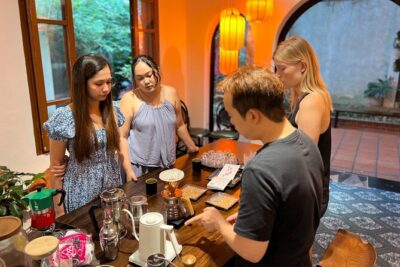
Hanoi Coffee Experience: 6 Brews, 9 Recipes & 3 Liquor Tastings
Read our review →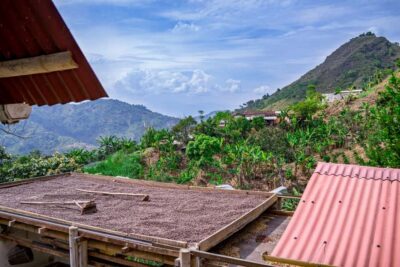
Coffee Tour with Transport, Snacks and Tastings
Read our review →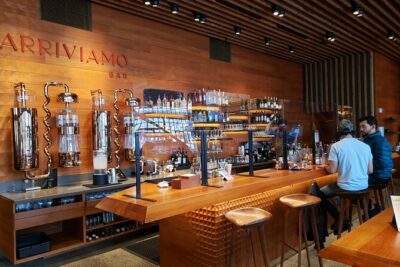
Seattle Coffee Tour: Capitol Hill Cafes, Tastings & Local Stories
Read our review →
Da Nang Cooking Class with Coffee Tasting and Market Visit
Read our review →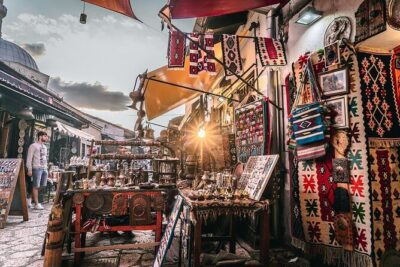
Private Walking Tour, Food Tasting and Bosnian Coffee in Sarajevo
Read our review →
Poás Volcano and Coffee Tour with Tasting and La Paz Falls
Read our review →
Coffee Farm Tour with Roasting & Tasting Workshop – Da Lat
Read our review →Lists this coffee tour turns up in