
REVIEW · NORTHERN VIETNAM
Hanoi: Hands-On 5 Vietnamese Coffees & 3 Local Wines Tasting
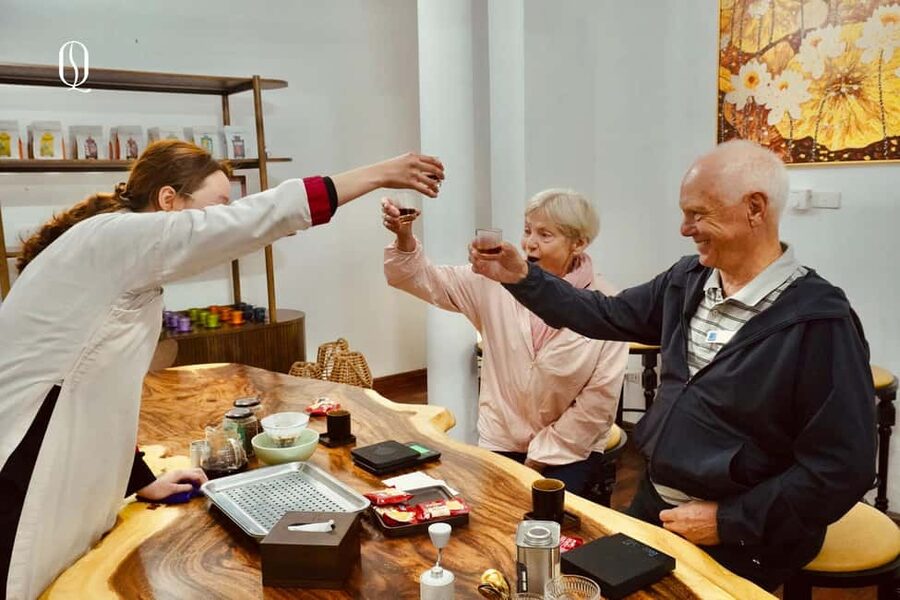
Hanoi’s coffee culture gets a hands-on treatment here. In a quiet Indochina-style villa, you learn where Vietnamese beans grow, how they are roasted and ground, and how to make several local drinks with traditional tools. Maxie leads the English session, with Stuart also involved in teaching.
I especially like the useful mix of tasting and doing. You do not simply watch someone prepare egg coffee. You make your own versions, with the chance to try as many as four drinks. I also like the clear social purpose: part of the income supports children of farming families connected with the Su Quan coffee farm in Da Lat.
The main thing to check is the alcohol element. The experience title mentions five coffees and three local wines, but the detailed program focuses much more heavily on coffee, tea, and a snack. If the wine tasting matters to you, confirm exactly what is served before booking.
Key points to know before you book
- Make up to four Vietnamese coffee drinks: Depending on your session and experience level, you may prepare egg, salt, coconut, or cocktail coffee.
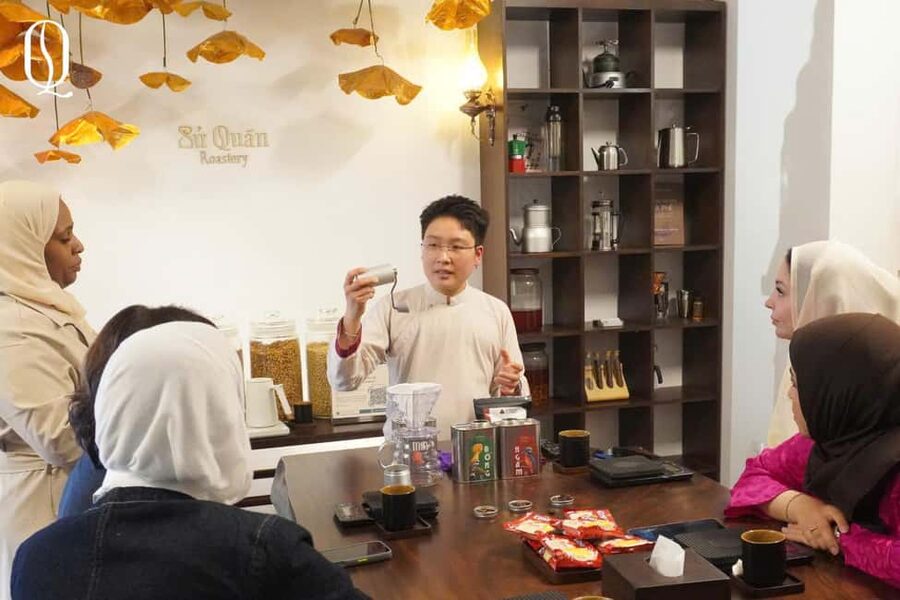
- Learn from Maxie in fluent English: Maxie explains beans, brewing methods, and coffee traditions with help from visual material on a television screen.
- Meet Vietnamese coffee beyond the famous egg coffee: The session covers growing regions, roasting, grinding, and the meaning behind different beans.
- Take a break from Hanoi’s noise: The workshop takes place in a charming villa setting rather than on a busy street café terrace.
- Receive more than coffee: Herbal welcome tea and a light local snack are included.
- Help a Da Lat farming community: A portion of the workshop income supports education for farmers’ children.
A quiet start inside Hanoi’s old coffee world
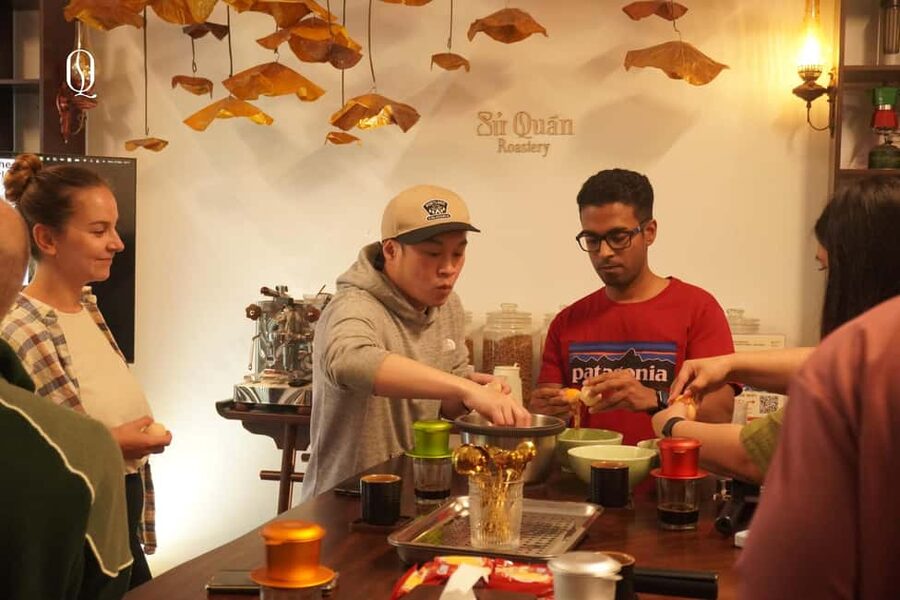
Hanoi can be noisy, crowded, and gloriously unpredictable. This workshop gives you a short pause in an Indochina-style villa, where the setting helps you pay attention to the small things: the smell of roasted beans, the slow drip of a phin filter, and the way a sweet topping changes a drink.
The session lasts about one to two hours. That makes it easy to fit into a busy Hanoi day. You could book it between sightseeing stops, use it as a late-morning activity, or make it a gentle change of pace after time in the city’s crowded streets.
You begin with herbal tea. It is a small touch, but a useful one. Coffee tasting can become a serious caffeine exercise when you prepare several drinks in one sitting. The tea gives you a calmer start before the beans take over.
A light local snack is also served during the session. The exact snack is not specified, so do not book this expecting a full meal. Think of it as a bite to accompany the tasting rather than lunch or breakfast.
More Coffee Tastings in Vietnam
- Hanoi Coffee Experience: 6 Brews, 9 Recipes & 3 Liquor Tastings
★ 5.0 · 2,945 reviews - Da Nang Cooking Class with Coffee Tasting and Market Visit
★ 5.0 · 310 reviews - Coffee Farm Tour with Roasting & Tasting Workshop – Da Lat
★ 5.0 · 126 reviews
Vietnam’s coffee story, explained without a textbook lecture
The first teaching section places Vietnamese coffee in context. You hear about its arrival during the French colonial period, its development through difficult wartime years, and its growth into a major coffee industry. Vietnam is now the world’s second-largest coffee producer, and the workshop explains how that happened in practical terms.
This background matters because Vietnamese coffee is not only about a strong drink with condensed milk. The beans, growing regions, roasting choices, brewing tools, and serving rituals all shape what ends up in your cup.
You learn about the main growing areas and the meaning of different beans. The details supplied for the session do not name every region or bean variety, so the exact lesson can vary. Still, the focus is clear: you are meant to understand why one Vietnamese coffee can taste and behave differently from another.
Maxie uses spoken explanation and presentation material on a television screen. That is helpful when the group is learning several ideas at once. A map, image, or step-by-step display can make the coffee-growing story easier to follow than a long spoken explanation alone.
I would pay close attention during this part. The practical value of the class is not just learning four recipes. It is learning how to recognize the choices behind them. Afterward, you should have a better idea of why Vietnamese coffee often tastes bold, why slow brewing is important, and how sweet or creamy additions change the drink.
Making egg, salt, coconut, and cocktail coffee
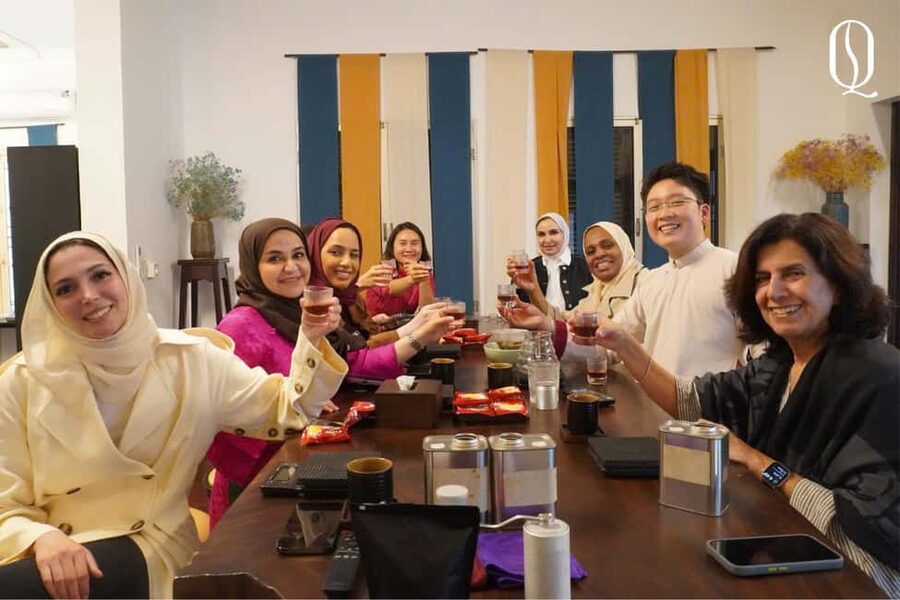
The hands-on portion is the heart of the experience. You use Vietnamese tools and techniques to prepare your own coffee creations rather than simply receiving finished cups.
The exact number depends on your experience level and the format of your session. You may make two, three, or four signature drinks. The options named include:
- Egg coffee
- Salt coffee
- Coconut coffee
- Cocktail coffee
Egg coffee is the famous Hanoi-style choice. It combines coffee with a creamy egg-based topping, creating a dessert-like drink with a strong coffee base. The class lets you see how the topping is prepared and how it works with the coffee rather than treating it as a mysterious café trick.
Salt coffee gives you a different lesson in balance. A small amount of salt can change how you perceive bitterness and sweetness. It is a good reminder that Vietnamese coffee traditions are not fixed recipes. They are also about adjusting flavor and texture.
Coconut coffee brings a cooler, sweeter profile to the table. Depending on the preparation, coconut can soften the intensity of the coffee and make the drink feel more like a treat. It is a useful contrast to the darker, stronger style many people associate with Vietnamese brews.
Cocktail coffee is the least familiar option for many visitors. The description does not provide its ingredients or alcohol content, so you should ask Maxie what goes into it before choosing it. This is especially important if you are avoiding alcohol or certain ingredients.
The strongest part of the format is your involvement. You choose which coffees to make after the introduction, then taste the results. You are not expected to arrive as a trained barista. The instructor adjusts the session to your experience level, which makes it suitable for beginners while still giving coffee fans useful technique and background.
Traditional tools and the rhythm of a Vietnamese brew
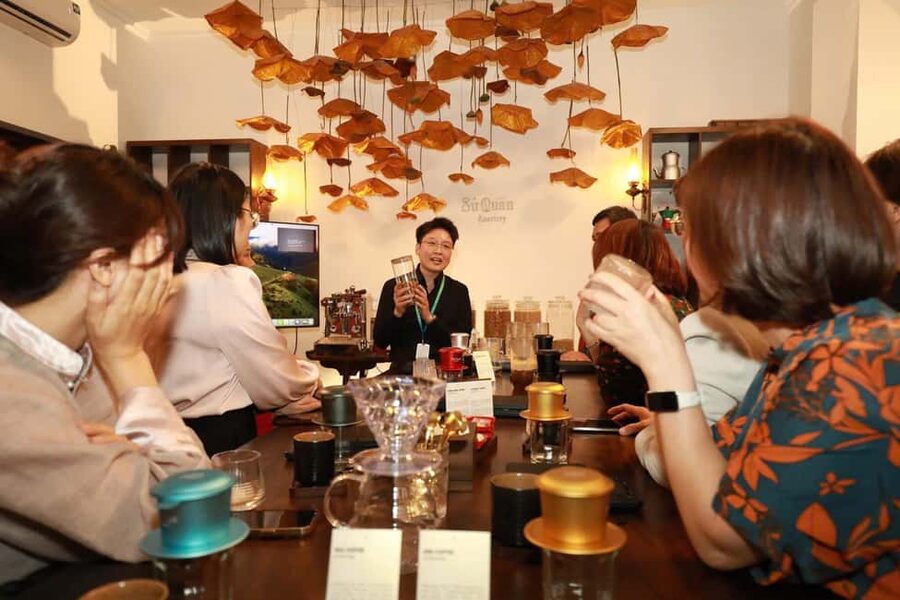
Vietnamese coffee equipment is simple, but the method asks you to slow down. The class introduces traditional brewing tools and shows how they are used. The supplied information does not name each tool, though the classic Vietnamese phin filter is central to this style of coffee.
The slow pace is part of the point. You learn that the wait is not a flaw in the process. It is built into the ritual. Watching coffee collect drop by drop also changes how you think about a quick café order.
Roasting and grinding techniques are covered as well. You learn how those steps affect the final cup, rather than treating coffee as a finished product that appears from nowhere. This is a useful lesson to carry into the rest of your time in Vietnam. When you order coffee in a small café, you can look more closely at the equipment and preparation instead of choosing only by appearance.
The class is also a good match for people who enjoy food workshops but do not want a long cooking course. You get enough instruction to understand the process, then enough practice to make the experience personal.
More Coffee Tastings in Hanoi:
- Medellin: Coffee Tour with Transport, Snacks and Tastings
★ 4.7 · 1,357 reviews - Seattle Coffee Tour: Capitol Hill Cafes, Tastings & Local Stories
★ 5.0 · 489 reviews - Buggy Ride Into the jungle with cave coffee & chocolate tasting
★ 5.0 · 465 reviews - Private Walking Tour, Food Tasting and Bosnian Coffee in Sarajevo
★ 5.0 · 255 reviews
The guide makes the difference
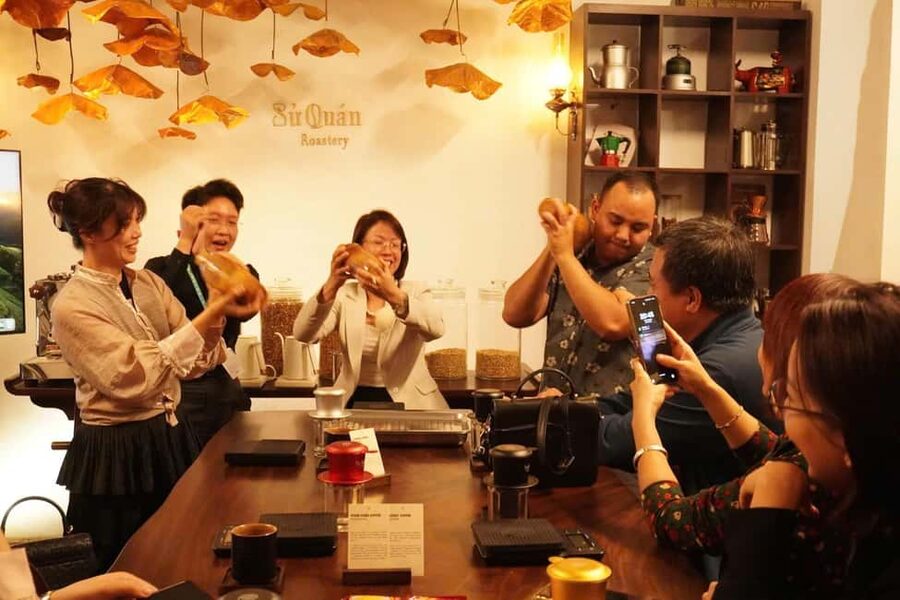
Maxie is the main instructor, and the teaching is conducted in English. The available comments about the class repeatedly single out her clear explanations, warm manner, and ability to involve participants. One session also included Stuart, who helped teach the workshop.
That matters because coffee vocabulary can become technical fast. You need an instructor who can explain beans and brewing without making the class feel like a lecture. Maxie’s role as a local culture storyteller gives the session a wider frame, linking the drinks to family habits, history, and daily life.
You should still expect some variation from one class to another. The session may include two, three, or four drinks depending on your level and the chosen format. It is not a fixed performance where every person must prepare exactly the same menu.
The presentation screen adds structure, while the practical work keeps the class from becoming too formal. If you like asking questions, this is the time to ask about sweetness, bean origin, roasting, or what you should order in Hanoi cafés afterward.
Five coffees and three wines: read the fine print
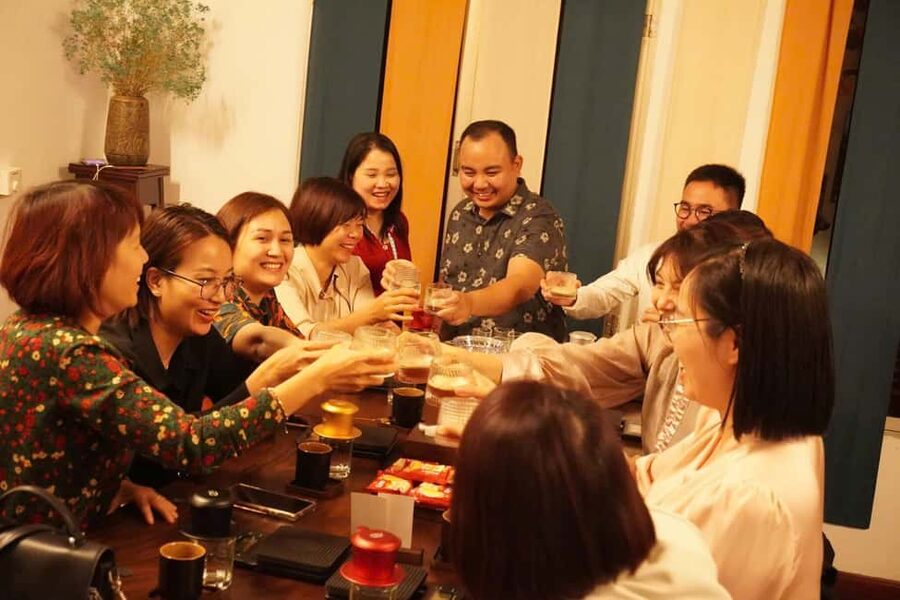
The experience is presented as a tasting of five Vietnamese coffees and three local wines, but the detailed description gives the coffee portion far more attention. It specifically describes making and tasting two to four coffee drinks, with egg, salt, coconut, and cocktail coffee among the choices.
The included items also list coffee preparation, tea, a snack, and cultural instruction. They do not spell out the names, portions, or order of the three wines. Because of that, I would treat the coffee workshop as the reliable core of the booking and confirm the wine details directly if they are important to you.
The activity rules do not allow alcohol and drugs, which may appear confusing beside the title’s reference to local wines. This could relate to bringing your own alcohol or consuming anything outside the hosted format, but the supplied information does not explain it. Ask before you book if you need a clear answer about wine service.
This is not a reason to dismiss the experience. It is simply a reason to match your expectations to the details. Book it for the coffee culture, hands-on preparation, and local storytelling. Consider the wine portion an element to verify rather than the main reason to go.
What the $12 price really gives you
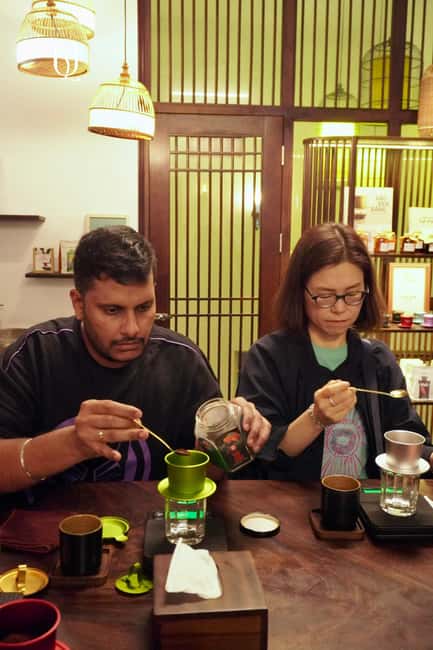
At $12 per person, this is a strong value for a short cultural activity. You receive an English-language local instructor, herbal tea, a snack, coffee history and regional context, instruction in traditional methods, and your own drinks to prepare and taste.
The value is especially good if you have limited time in Hanoi. A one-to-two-hour workshop offers more connection than a standard café stop, but it does not take half a day away from museums, markets, or neighborhood walks.
The price does not include private transportation or personal expenses. You will need to make your own way to the venue, and you should not expect a full meal or additional purchases to be covered.
The social purpose adds another layer. Su Quan maintains a coffee farm in Da Lat, where farming families have cared for their land across generations. A portion of each workshop supports education for farmers’ children. You are still buying an experience, not making a major donation, but it is worthwhile to know that the activity links your coffee lesson to a continuing community project.
Who will enjoy this workshop most
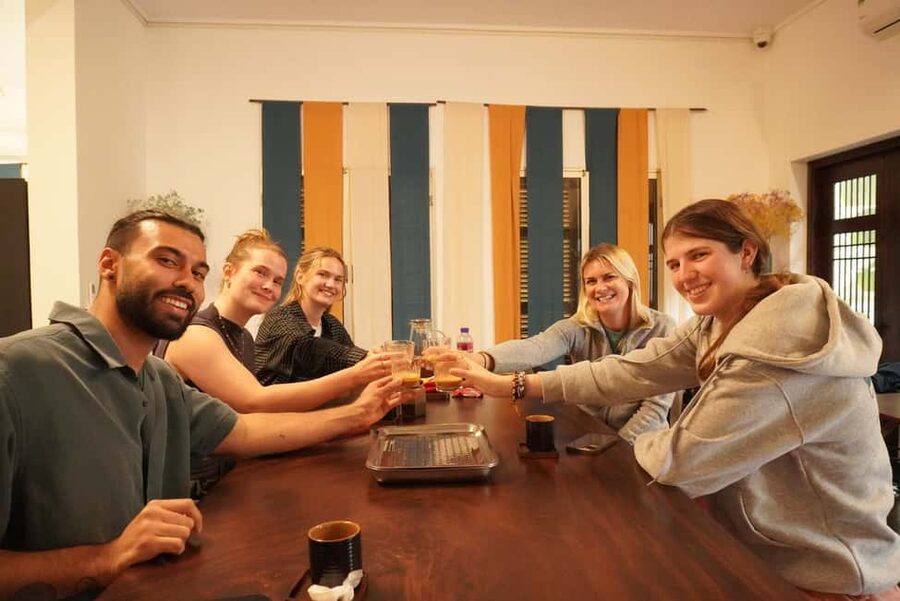
I would recommend it to first-time visitors who want a compact introduction to Vietnamese coffee. It works especially well for people who enjoy food and drink but want to understand the story behind what they consume.
It also suits coffee fans who want to compare styles rather than simply order the most famous drink in Hanoi. The class gives you a chance to test egg, salt, coconut, and cocktail preparations and see which one fits your taste.
Families and mixed-interest groups may find the short format useful, though the caffeine level is worth considering for children. The venue is wheelchair accessible, and the instruction is in English.
You might skip it if you dislike coffee, want a long formal barista qualification, or need a detailed wine tasting with clearly listed vintages and pours. You may also find the session too short if your main goal is extended farm visits or roasting practice.
Practical planning for your Hanoi day
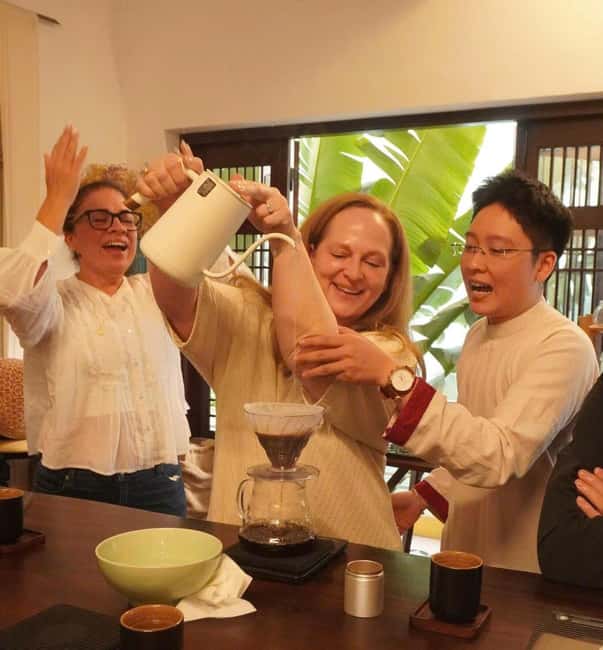
Book the workshop when you can leave yourself enough time to arrive without rushing. Private transportation is not included, so plan your route separately. The villa setting is meant to offer a quieter break from the city, but getting there remains your responsibility.
The activity accepts reservations with payment later, which helps if your Hanoi schedule is still changing. You can also cancel up to 24 hours in advance for a full refund.
Come ready to participate. The class is not designed as a passive tasting where finished cups arrive one after another. You will learn, choose drinks, handle traditional equipment, and taste what you make.
Finally, keep the caffeine in mind. If you prepare several coffees, pace yourself and ask about portion sizes. The herbal tea at the start helps, but it does not turn four coffees into a small drink.
Should you book the Su Quan coffee experience?
Book it if you want a well-priced, short cultural activity with real participation. The best reasons are the clear English instruction from Maxie, the chance to make several distinct Vietnamese coffees, the calm villa setting, and the connection to a Da Lat farming community.
Go in expecting a coffee workshop first. Confirm the exact wine component if the three local wines in the title are important to you. For most visitors, the coffee lesson is the memorable part: you leave with recipes, brewing ideas, and a better sense of why coffee carries so much meaning in Vietnam.
FAQ
How long does the Hanoi coffee experience last?
The activity lasts between one and two hours. Starting times vary, so check availability when you choose a date.
How much does the experience cost?
The listed price is $12 per person.
What drinks can I make?
You may make two, three, or four Vietnamese coffee drinks, depending on your experience level and session. Named options include egg coffee, salt coffee, coconut coffee, and cocktail coffee.
Is the experience taught in English?
Yes. The instructor teaches in English, and Maxie leads the session.
Are tea and food included?
A complimentary herbal welcome tea and a light local snack are included.
Is transportation included?
No. Private transportation is not included, and personal expenses are also separate.
Can I cancel or pay later?
You can reserve now and pay later. Cancellation is free up to 24 hours in advance for a full refund.
More Eating and Drinking in Hanoi
- Hanoi: Vietnamese Street Food Tour with Egg Coffee
★ 4.9 · 315 reviews - Hanoi Egg Coffee Class and Street Food Walking Tour
★ 5.0 · 33 reviews - Discover Hanoi’s Street Food by Night & Mini Class Coffee
★ 4.8 · 28 reviews - Hanoi Street Food Tour with egg coffee making
★ 5.0 · 22 reviews
More Wine Stops in Hanoi
- Secret Delights: Curated Wine, Coffee & Forest Experience
★ 5.0 · 279 reviews - Coffee – Wine – Tea Da Lat’s Agricultural Treasures Tour
★ 4.8 · 63 reviews - Coffee & Wine: North Route of Gran Canaria Tour
★ 4.5 · 17 reviews - Trastevere Breakfast to Lunch Food Tour: Coffee, Maritozzi & Wine
★ 5.0 · 14 reviews
Just listed in Hanoi
- Walking Tour in Hanoi Old Quarter with Street Food & Coffee★ 5.0 · 4 reviews
- Hanoi Private Walking Tour with Egg Coffee Making Experience★ 5.0 · 90 reviews
- From Egg Coffee to Street Brews: Hanoi Walking Tour★ 5.0 · 4 reviews
- Hanoi 2.5 hour Guided Sightseeing Cyclo Tour & Egg Coffee Class★ 5.0 · 16 reviews
- Hanoi daily egg coffee making course with local guide★ 5.0 · 17 reviews
- Hanoi Street Food Tour with egg coffee making★ 5.0 · 22 reviews
- Ha Noi City Tour & Coffee Class★ 5.0 · 25 reviews
- Discover Hanoi’s Street Food by Night & Mini Class Coffee★ 4.8 · 28 reviews
Coffee Tastings, compared.
Hanoi Coffee Experience: 6 Brews, 9 Recipes & 3 Liquor Tastings
Read our review →
Coffee Tour with Transport, Snacks and Tastings
Read our review →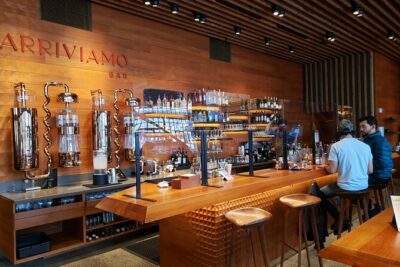
Seattle Coffee Tour: Capitol Hill Cafes, Tastings & Local Stories
Read our review →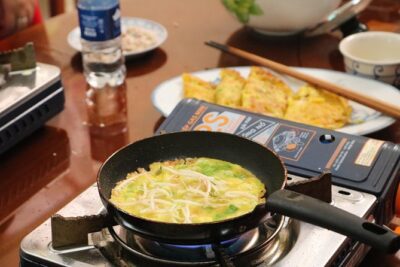
Da Nang Cooking Class with Coffee Tasting and Market Visit
Read our review →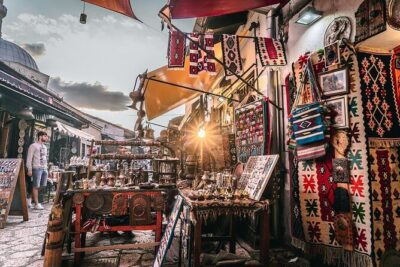
Private Walking Tour, Food Tasting and Bosnian Coffee in Sarajevo
Read our review →
Poás Volcano and Coffee Tour with Tasting and La Paz Falls
Read our review →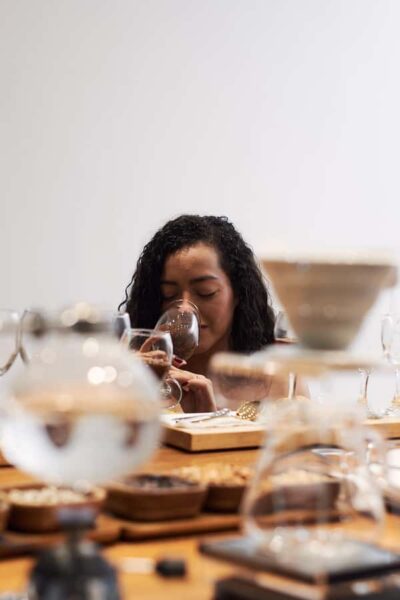
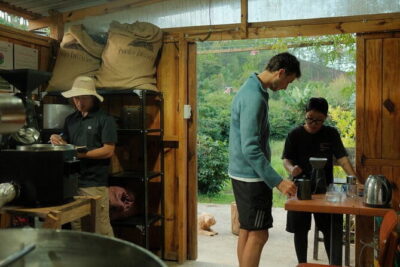
Coffee Farm Tour with Roasting & Tasting Workshop – Da Lat
Read our review →Lists this coffee tour turns up in