REVIEW · VIETNAM
Egg coffee & Course on 4 traditional types of Viet coffee
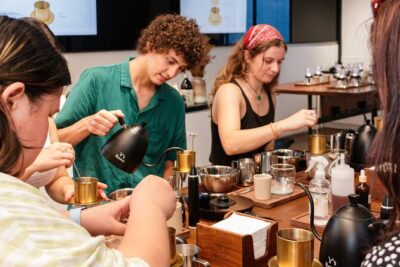
Vietnamese coffee is not just coffee with ice. In this hands-on class, you learn why the country’s drinks are built around strong dark roast, sweet condensed milk, creamy egg, sea salt, and coconut. You brew four styles yourself, so the lesson feels more useful than a simple tasting.
I especially like the small-group, step-by-step format and the chance to compare textures and temperatures in the same sitting. The baristas, including Sarah, Anna, and Ann, are described as warm, patient, and lively. The main caution is simple: four coffee drinks mean a serious dose of caffeine, so eat first and do not plan on finishing every cup if you are sensitive.
Key Points
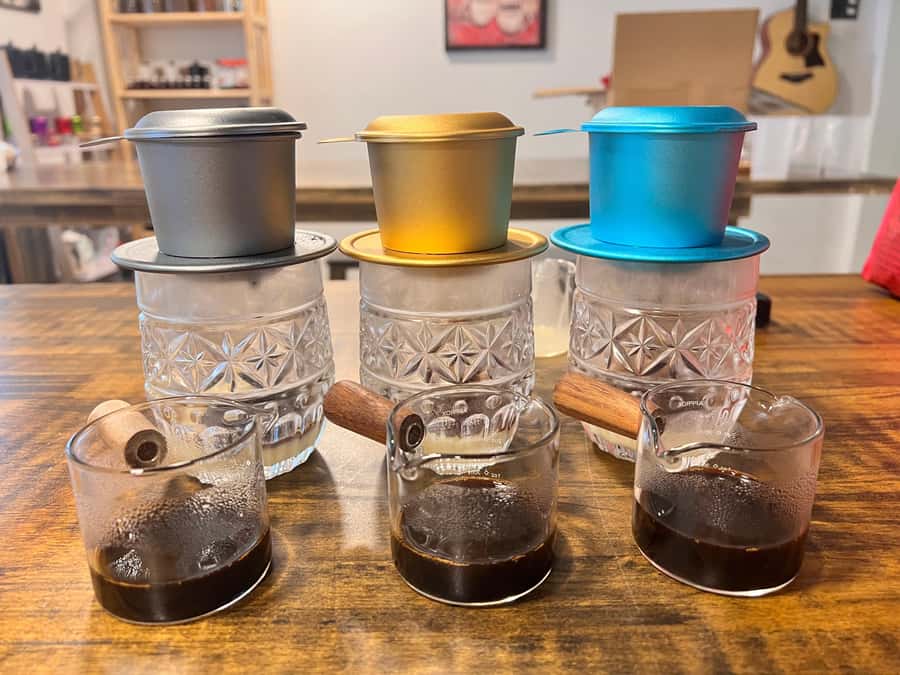
- Four classic drinks in two hours: Make egg, condensed milk, sea salt, and coconut coffee.
- Traditional brewing method: Learn how to use a Vietnamese drip filter rather than pressing a machine button.
- Coffee culture included: Hear about coffee’s origins in Vietnam and its role in daily life.
- Hands-on presentation: Practice layering, whipping, pouring, and balancing hot and cold elements.
- Useful for home cooks: Recipes are shared at the end, making it possible to recreate favorites later.
- Important caffeine warning: Eat before class, especially if you normally drink little coffee.
Four Vietnamese Coffees, Not Just One
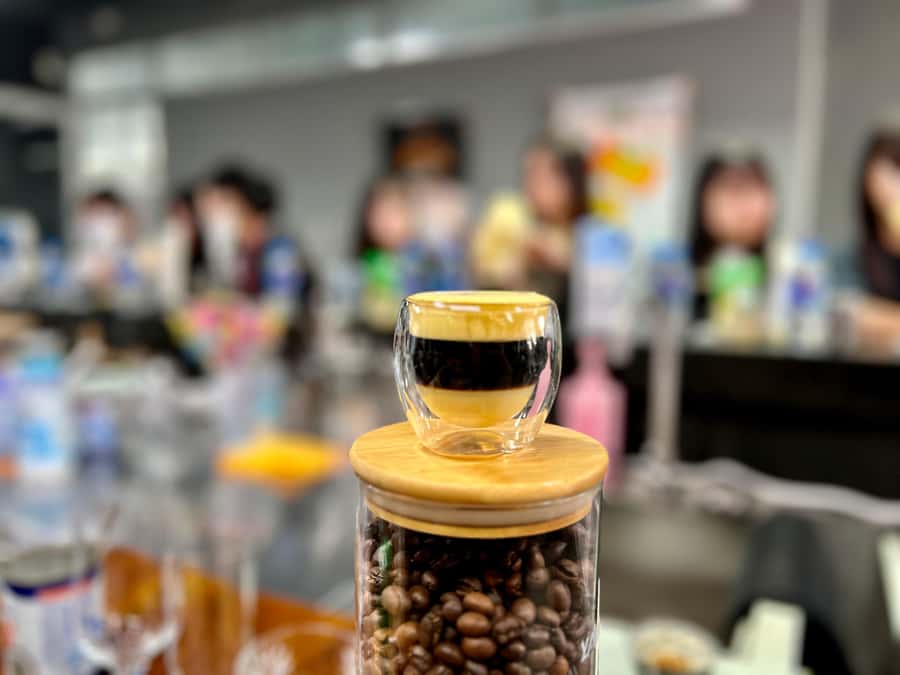
The appeal of this workshop is its range. You do not spend two hours making the same drink in slightly different ways. Each coffee has a different base, texture, temperature, and level of sweetness.
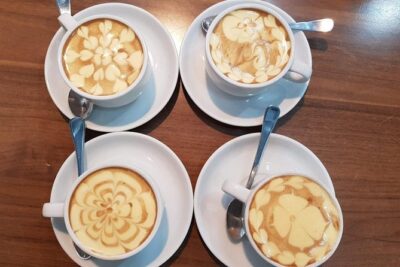
You make Cà Phê Trứng Lòng Đỏ, Vietnamese egg coffee. You prepare the egg component and combine it with coffee to create a thick, dessert-like drink. This is the most theatrical of the four, with a clear contrast between bold coffee below and a soft, creamy layer above.
Next comes Cà Phê Sữa Đá, dark roast coffee with condensed milk and ice. This is one of the most familiar Vietnamese coffee styles, but the class gives you a chance to understand the balance rather than simply ordering it at a café. Strong coffee meets concentrated sweetness, then ice cools and softens the result.
The third drink is Cà Phê Muối Biển, sea salt coffee. The salt is not meant to make the drink taste salty. Used carefully, it changes the way you notice the coffee and sweetness. Several participants singled this one out as a favorite, and it is also the drink most likely to surprise you if you have only tried standard iced coffee.
Finally, you make Cà Phê Cốt Dừa, coconut milk coffee. Coconut adds a smooth, tropical note and another kind of creaminess. It gives the set a different finish, especially after the sharper contrast of the sea salt drink.
The four cups work well as a tasting flight because they show how much can change when you adjust one ingredient. You get bitter, sweet, creamy, salty, hot, cold, light, and thick elements in a short session.
More Egg Coffee Experiences in Ho Chi Minh City
- Decadent Vietnamese “Egg Coffee” Workshop in Hồ Chí Minh City
★ 5.0 · 150 reviews - Techniques & Secrets Behind the Famed Vietnamese Egg Coffee
★ 5.0 · 99 reviews - 1 hour Egg Coffee Cooking Class with Snack and Local Instructor
★ 5.0 · 72 reviews
Starting Down Hem 131
The meeting point requires a little attention. If you arrive by car or ride-hailing service, you will most likely be dropped at the start of Hem 131. Walk down the corridor, and the venue is the fourth building on the left.
This is not a grand, easy-to-spot entrance described by a large landmark, so allow a few extra minutes to find the fourth building. Keep the directions ready on your phone and tell your driver that the activity begins at Hem 131. Transportation is not included, and the class ends back at the same meeting point.
The location details matter because this is a workshop rather than a sightseeing stop with a prominent street-facing entrance. Once inside, the focus shifts quickly to the coffee table, equipment, and barista instruction.
A Short Lesson in Vietnam’s Coffee Culture
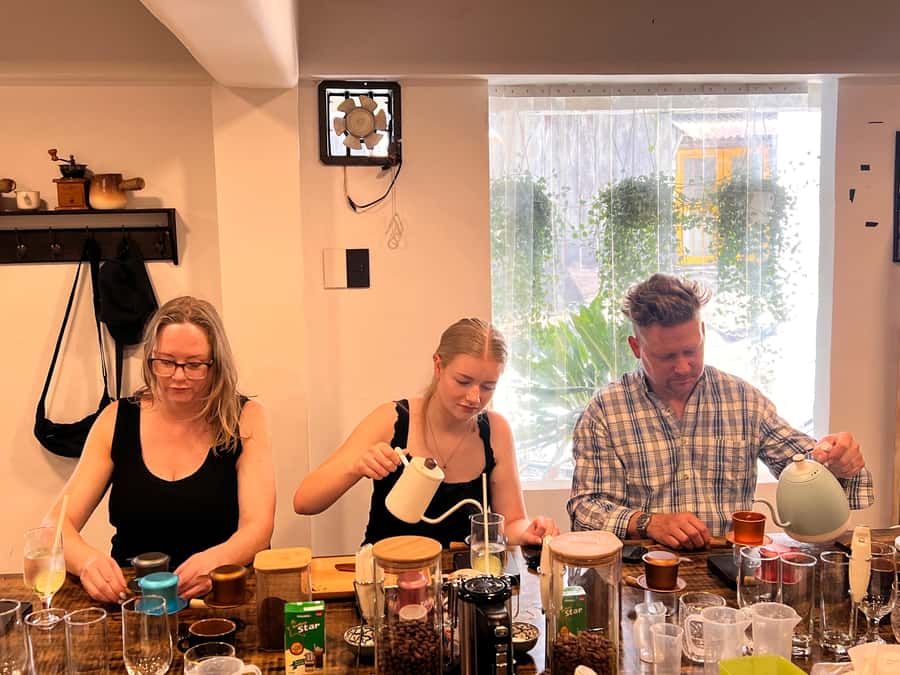
The class begins with context before the practical work. You hear about coffee’s arrival in Vietnam, its outside influences, and the way the drink developed into local styles with their own ingredients and rituals.
That introduction gives the four recipes more meaning. Condensed milk is not just a sweetener, egg is not merely a novelty, and the use of salt or coconut is not random decoration. Each choice helps explain why Vietnamese coffee tastes different from a plain filter coffee or a modern espresso drink.
The cultural section is also useful if you are new to Vietnamese coffee. You learn the names of the drinks, how they are made, and how presentation matters. The class discusses the changing coffee culture in Vietnam near the end, so the subject reaches beyond old recipes.
I would not choose this experience if you want a long academic lecture on agriculture or trade. The history is there to support the workshop, not replace it. The emphasis remains on making and tasting coffee.
Learning the Vietnamese Drip Filter
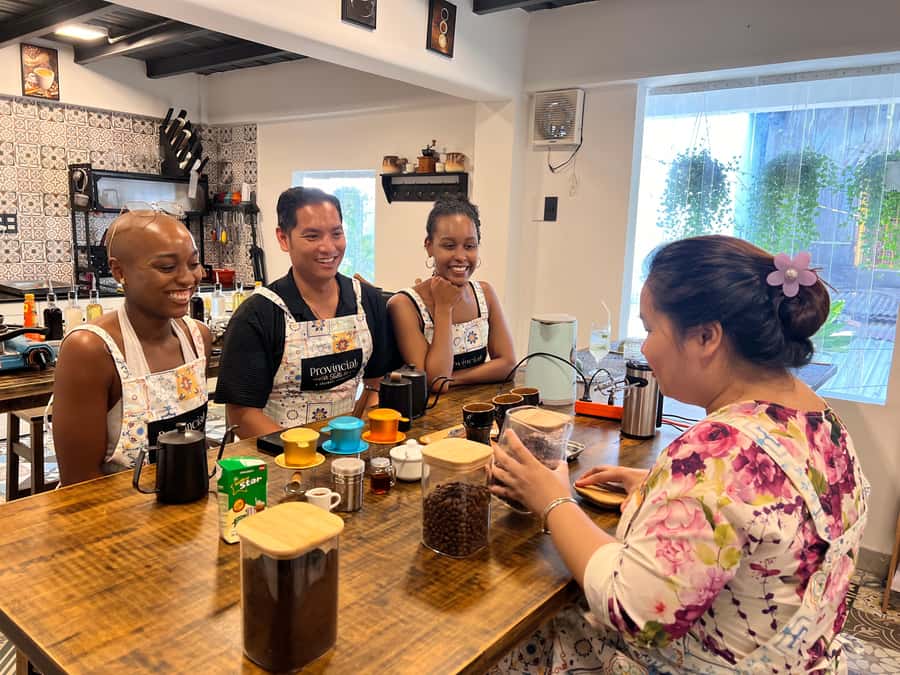
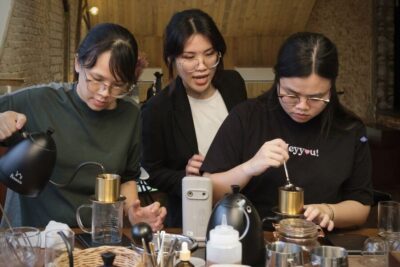
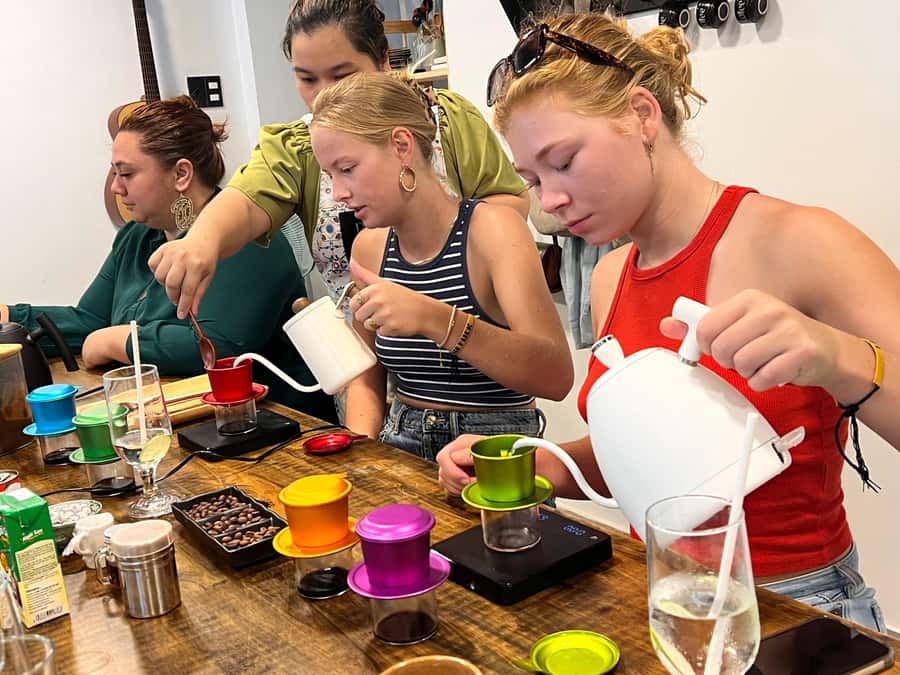
A key part of the class is learning traditional drip preparation. Instead of using a fast electric machine, you work with the slower brewing method associated with Vietnamese coffee.
The barista walks you through the basic steps of steeping and brewing. You get to see how the coffee develops and how the pace affects the drink. The slower process is part of the point. It gives you time to pay attention to the grounds, the liquid, the scent, and the final mixture.
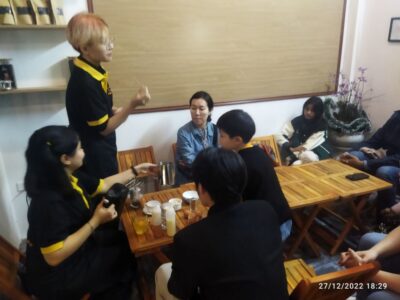
This is also where the class becomes genuinely practical. You are not simply watching Sarah, Anna, or Ann make a drink for you. You follow the process and receive help as you go. The instruction is designed for beginners, and the teaching style is patient enough to make the steps manageable.
You also learn about presentation. Layering matters in egg coffee and other drinks, especially when you want the finished cup to look as good as it tastes. The barista explains how to combine the elements so you can see the contrast between coffee and cream, or coffee and ice.
The hands-on approach suits people who like to take something home from a food activity. You will not leave with coffee beans or equipment included, but you will have learned a method and received recipes to use later.
More Vietnamese Coffee Experiences in Ho Chi Minh City
- Fun & Easy Vietnamese Coffee Workshop in Hồ Chí Minh City
★ 5.0 · 293 reviews - Vietnamese Coffee & Culture Exploration in Hồ Chí Minh City
★ 5.0 · 202 reviews - Vietnam Coffee Journey – Make extraordinary tasty coffee yourself
★ 5.0 · 30 reviews - Ho Chi Minh Street Food Tour and Vietnamese Coffee
★ 5.0 · 28 reviews
The Taste Test: Bitter, Sweet, Cold, and Creamy
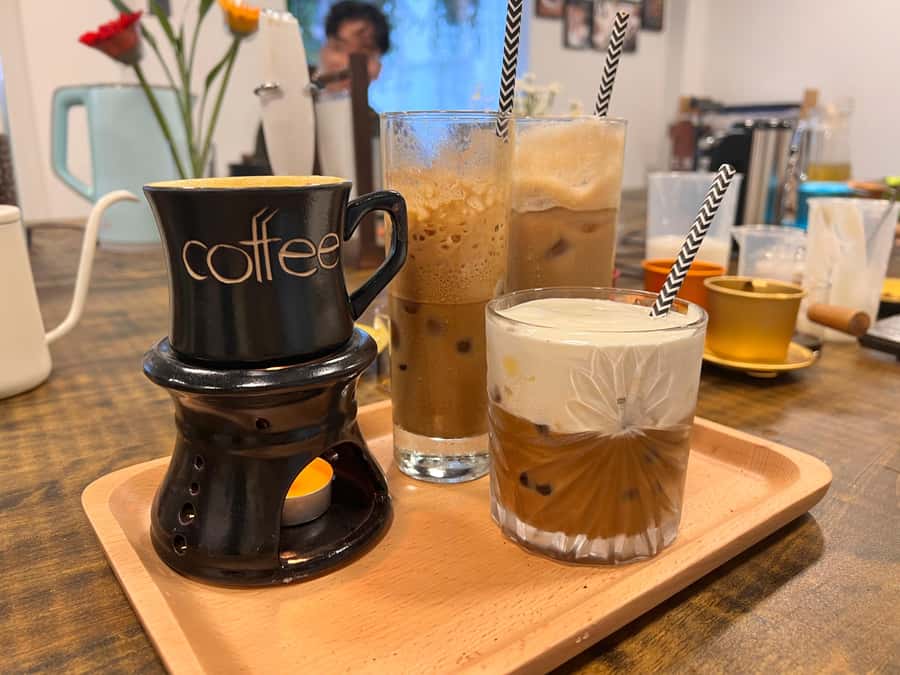
Tasting all four coffees helps you understand the balance behind Vietnamese coffee. The drinks are generally bold and sweet, but they are not all sweet in the same way.
The condensed milk coffee gives you the clearest lesson in contrast. Dark coffee brings bitterness, while condensed milk adds thick sweetness. Ice changes the temperature and dilutes the intensity slightly, creating a drink that is strong but refreshing.
Egg coffee has a different texture. The whipped egg mixture makes it feel closer to a dessert than a plain morning brew. If you prefer lighter, less sweet coffee, this may be the richest drink of the set, but it is also one of the most memorable.
Sea salt coffee is useful for anyone curious about flavor balance. A small amount of salt can soften the perception of bitterness and make the sweet notes feel fuller. You may find it more subtle than expected, which is exactly why it is worth trying in a guided setting.
Coconut coffee brings a softer, rounder finish. The coconut milk changes both the flavor and the mouthfeel, making it a good counterpoint to the more direct coffee and condensed milk combination.
The class asks you to consider more than flavor. You notice the interplay of temperature and texture, from hot brewed coffee to iced drinks and creamy toppings. That makes the experience more engaging than simply drinking four samples one after another.
Why the Barista Makes a Difference
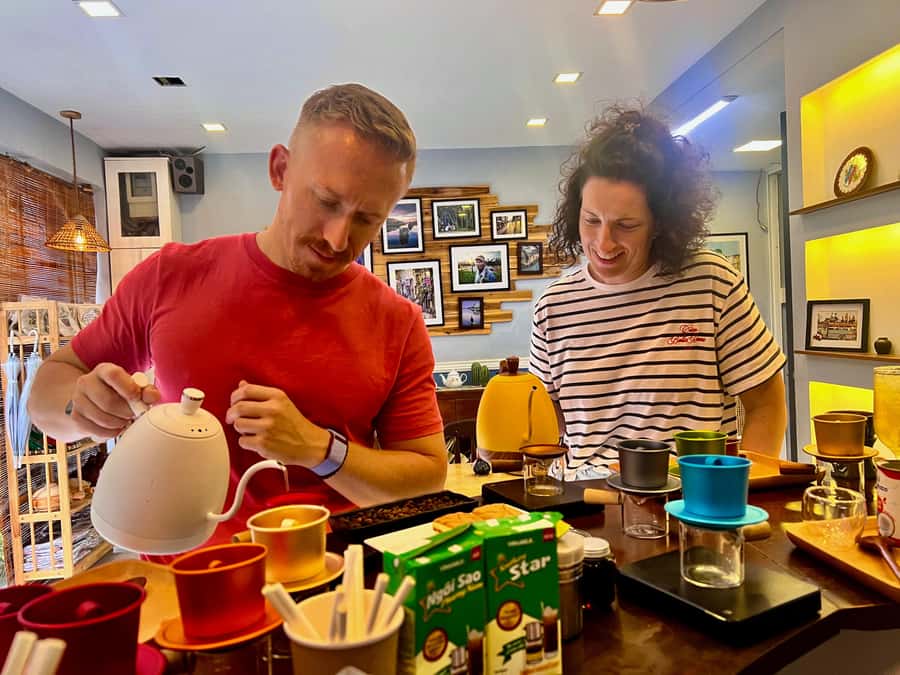
The quality of a class like this depends heavily on the person leading it. The available hosts include Sarah, Anna, and Ann, and the instruction is in English or Vietnamese.
Sarah is especially noted for clear explanations, patience, humor, and practical help. One useful example of her care is that she assisted when a participant left a phone in a Grab taxi, helping contact the driver so it could be returned before the class ended. That kind of help is not part of the formal coffee lesson, but it says something about the attentive tone you can expect.
Anna is described as enthusiastic and passionate about the subject, while Ann is praised for keeping the session informative and fun. The names may vary by date, but the pattern is consistent: expect an active teacher rather than a silent demonstration.
The best guides in a food class know when to explain and when to let you try. This workshop appears to keep that balance. You get historical background, clear instructions, chances to ask questions, and enough freedom to make the drinks yourself.
At the end, there is a question-and-answer session. Use it to ask about coffee beans, brewing at home, ingredient substitutions, or the differences between the four drinks. Recipes are also shared, which adds lasting value.
The Caffeine Question
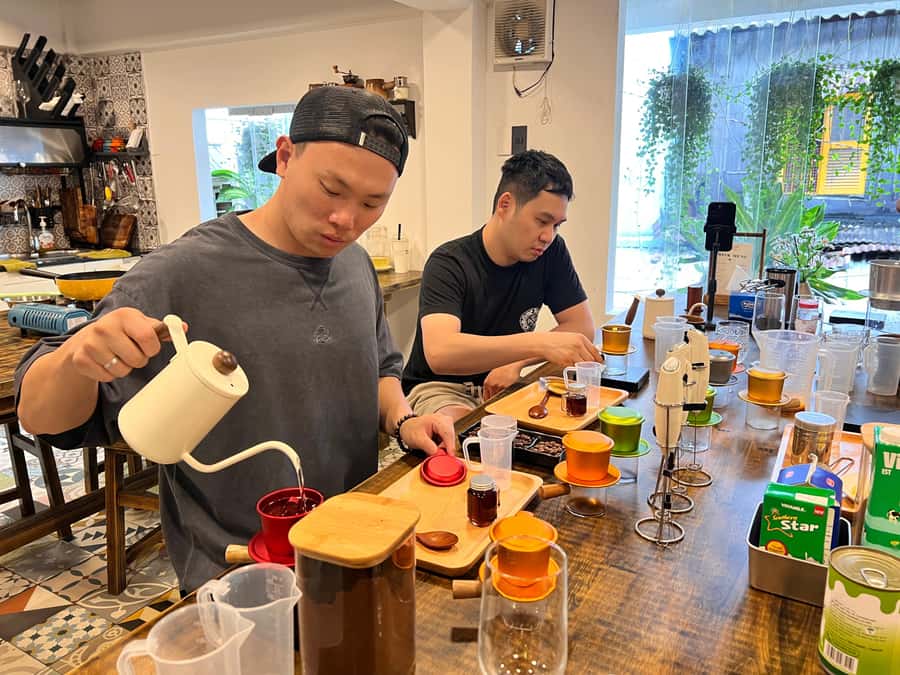
The biggest practical issue is caffeine. You are preparing and tasting four coffee styles, and Vietnamese coffee can be strong. The class specifically advises you to eat something beforehand.
That advice is worth following. Do not arrive after skipping breakfast and expect four full servings to feel like a mild tasting. You can taste each drink without finishing every cup, and one participant specifically noted that it was fine to skip a drink if the caffeine became too much.
I would also avoid drinking coffee immediately before the class. The goal is to enjoy the differences, not to race toward a caffeine headache. Bring water, as advised, and pace yourself.
Pregnant women are not considered suitable for this activity, and it is not suitable for children under five or people with back problems. The workshop also asks you to report food allergies or dietary restrictions in advance. Vegan options are available on request, but you should make that request before arriving rather than assuming the standard recipes will be vegan.
Comfort, Timing, and Group Feel
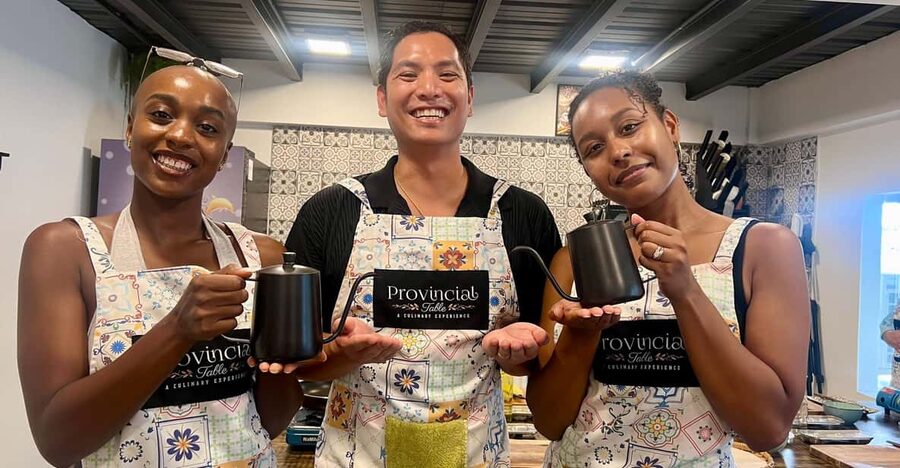
The session lasts about two hours. That is enough time to cover the background, prepare four drinks, taste them, ask questions, and discuss the changing coffee scene in Vietnam without turning the activity into a full-day commitment.
Wear comfortable clothing and shoes. This is a hands-on workshop, so you will be involved in preparing drinks rather than sitting through a talk. A camera is useful if you want to record the layered coffees, and water is a sensible addition.
Smoking is not allowed. The activity is not designed for children under five, pregnant women, or people with back problems. The supplied details do not give a fixed maximum group size, but the class is described in terms that suggest personal instruction and interaction with the barista.
Because the venue is also associated with a cooking course upstairs, you may find this coffee class fits neatly into a food-focused day. Do not count on transport between activities, though. You arrange your own way to Hem 131.
Is $18 a Fair Price?
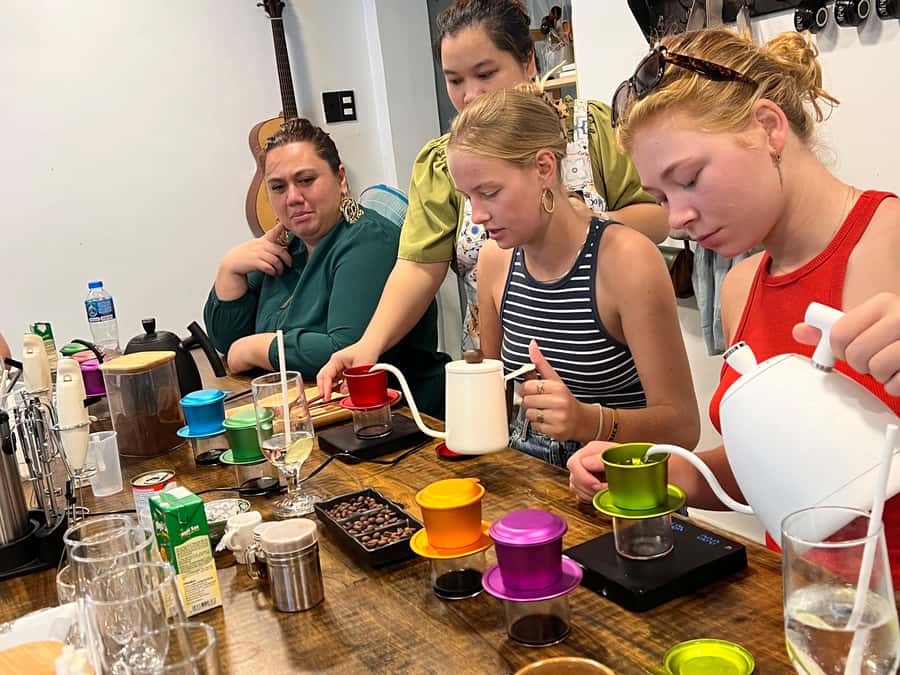
At $18 per person, the value is strong if you want more than a single café drink. You receive two hours of instruction, the equipment, four coffee styles, a cultural lesson, a question period, and gratuity included.
The price also covers the chance to make mistakes with a barista nearby. That matters more than it sounds. Egg coffee and layered drinks can be easy to copy visually but harder to balance at home without seeing the method.
The value is lower if you dislike sweet drinks, avoid caffeine, or only want a quick introduction to Vietnamese coffee. You could spend much less on one cup at a café. This price makes sense for someone who wants an activity, practical skills, and several tastings in one sitting.
Vegan options are available upon request, and allergy information should be shared ahead of time. Ask about ingredients before you begin if you have a serious allergy, since the standard recipes use dairy, egg, or both.
Cancellation and Booking Flexibility
You can cancel up to 24 hours before the start time for a full refund. The reserve-now, pay-later option also gives you flexibility if your Vietnam schedule is still changing.
Starting times vary, so check availability before choosing the date. The two-hour length makes this easier to fit around sightseeing, an evening flight, or another food activity. One person used it as a final activity before a flight, but you should still allow enough time for your own transport afterward.
Who Should Book This Coffee Class?
I would recommend it most strongly to coffee drinkers who want to understand what they are ordering in Vietnam. It also suits couples, friends, and solo visitors who enjoy hands-on food lessons and want a break from walking around.
It is a good choice for coffee beginners because the barista explains each step. It also works for serious coffee fans because the four recipes let you compare brewing, sweetness, texture, and presentation.
You may want to skip it if you are highly sensitive to caffeine, dislike condensed milk or creamy drinks, or prefer a quiet tasting with no participation. The class asks you to handle ingredients and prepare the coffee yourself, so it is more active than a café visit.
Should You Book It?
Book this experience if you want a practical introduction to Vietnamese coffee rather than another drink on your sightseeing list. The combination of four recipes, traditional drip brewing, cultural background, and shared instructions gives you something useful to take home.
The sea salt coffee is a particularly good reason to go if you like trying unfamiliar flavors, while egg coffee offers the most distinctive texture. Just eat first, pace the caffeine, and follow the Hem 131 directions carefully.
At $18, this is a sensible splurge for coffee lovers and a relaxed way to spend two hours. It is less suitable for people avoiding caffeine, pregnant women, children under five, and anyone with back problems. For the right audience, it is a tasty class with skills you can use long after the final cup.
FAQ
How long does the Vietnamese coffee class last?
The activity lasts two hours. Starting times vary, so check availability when booking.
What four coffees will I make?
You will make egg coffee, dark roast condensed milk coffee, sea salt coffee, and coconut milk coffee.
Is the class taught in English?
Yes. Instruction is available in English and Vietnamese.
Is transportation included?
No. You are responsible for getting to the venue. The activity ends back at the meeting point.
How do I find the meeting point?
If your driver drops you at the start of Hem 131, walk down the corridor. The venue is the fourth building on the left.
Should I eat before the class?
Yes. The class includes a lot of caffeine, so eating beforehand is advised. You do not have to finish every drink if the caffeine feels too strong.
Are vegan options available?
Yes. Vegan options are available upon request. You should also inform the host about food allergies or other dietary restrictions.
Can I cancel for a refund?
You can cancel up to 24 hours in advance for a full refund. A reserve-now, pay-later option is also available.
Just listed in Ho Chi Minh City
- HCM: Egg Coffee Class with local Instructor & Snack★ 4.7 · 8 reviews
- Mastering Egg Coffee-Course on 4 traditional types of Viet coffee★ 5.0 · 16 reviews
- Ho Chi Minh Best Walking Tour: Food, Coffee & History★ 5.0 · 19 reviews
- Ho Chi Minh Street Food Tour and Vietnamese Coffee★ 5.0 · 28 reviews
- Vietnam Coffee Journey – Make extraordinary tasty coffee yourself★ 5.0 · 30 reviews
- Coffee Workshop in Ho Chi Minh City: Discover the art of coffee★ 5.0 · 35 reviews
- Vietnam Flavour: Market-to-Table & The Art of Egg Coffee★ 5.0 · 53 reviews
- Saigon Unseen: Culture, Coffee, Hidden Spots Motorbike Adventure★ 5.0 · 60 reviews
Egg Coffee Experiences, compared.
Hanoi Coffee Workshop: Taste Salt, Coconut and Egg Coffee
Read our review →
Decadent Vietnamese “Egg Coffee” Workshop in Hồ Chí Minh City
Read our review →