
REVIEW · OAHU
Kona Coffee Tasting: A Farm to Cup Experience
The most interesting part of this experience is the connection between the farm and your cup. You taste three 100% Kona coffees from the same family farm, then learn how cultivation, fermentation, drying, and roasting can produce very different flavors. I like that the session explains coffee as an agricultural product, not just a morning drink.
I also like the small maximum group of 12 and the friendly, casual tone. You get a close look at Kona coffee without committing to a long tour. The main drawback is that the session can finish in about 35 minutes, even though it is advertised at roughly one hour, so anyone expecting a full farm visit or formal sensory class should adjust expectations.
Key points to know before you book
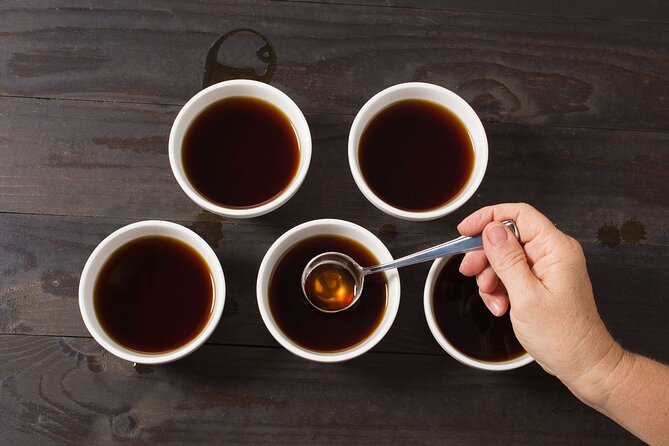
- Three coffees from one Kona farm: Compare different varieties and processing choices without leaving the tasting room.
- Farm-to-cup instruction: Learn how growing, harvesting, fermentation, drying, and roasting affect taste.
- Small-group setting: The maximum is 12 people, which suits questions and a more personal presentation.
- Kaʻaʻawa meeting point: The Coffee LAB by Hala Tree Cafe is at 51-666 Kamehameha Highway on Oahu.
- About $10 per person: That is a modest price for a guided tasting, especially if you already enjoy coffee.
- Simple tasting tip: Smell with your mouth slightly open, sip across your mouth, swallow, then breathe through your nose to notice more flavor.
What happens at The Coffee LAB by Hala Tree Cafe
You meet at The Coffee LAB by Hala Tree Cafe in Kaʻaʻawa, on Oahu’s Kamehameha Highway. The activity begins and ends at this same location, so there is no separate farm transfer or second meeting point to manage.
The tasting is led by coffee educators from Hala Tree Cafe. The tone is meant to be accessible, not stiff or overly technical. I would expect a short presentation followed by a guided comparison of three Kona coffees, with time to connect what you taste to the way each coffee was grown and prepared.
The setting matters here. You are not simply handed three cups and told to pick a favorite. The point is to understand why the coffees differ. A change in variety, fermentation, drying method, or roast can alter the aroma, body, acidity, and flavor you notice.
The whole visit takes about one hour on paper. In practice, it may run closer to 35 minutes, depending on the pace of the group and the amount of conversation. That shorter timing can be a benefit if you have a full day planned around Oahu, but it is worth knowing before you arrive.
More Coffee Tastings in the USA
- Seattle Coffee Tour: Capitol Hill Cafes, Tastings & Local Stories
★ 5.0 · 489 reviews - Coffee & Food Tastings at Pike Place Market
★ 5.0 · 67 reviews - Kona Coffee Farm Tour from Tree to Tasting Room
★ 5.0 · 36 reviews
Three Kona coffees, three ways to compare a cup
The tasting flight is the heart of the experience. You receive three Kona coffees grown on the family-owned farm on the slopes of Mauna Loa. The goal is not simply to sample three beverages. It is to compare how different decisions in the coffee-making process show up in the finished cup.
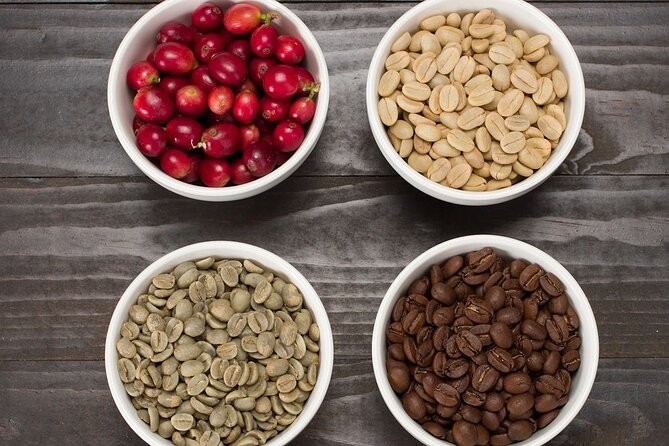
You will learn about varieties and processing methods. Those terms can sound technical, but the basic idea is simple: coffee flavor begins long before roasting. The plant variety matters. So does the way the coffee fruit is harvested, fermented, dried, and prepared for roasting.
A guided tasting helps you notice small differences that are easy to miss when drinking coffee casually. One cup may seem brighter, another fuller, and another more aromatic. You might not identify every flavor note on your first try, and that is fine. The value comes from slowing down and comparing the cups side by side.
A useful method is to smell before drinking. Keep your mouth slightly open as you breathe in, which can help the aroma reach the back of your mouth. Then take a sip and let it move across different parts of your mouth before swallowing. Afterward, breathe through your nose. This gives you a better chance to notice the finish and the flavors that remain.
You do not need a trained palate to enjoy this. The educators aim to make the tasting approachable for beginners. If you already know your way around specialty coffee, you may still appreciate the farm-specific details and the chance to compare experimental processing choices.
From Mauna Loa slopes to the roasting room
The farm story gives this short tasting its purpose. The coffee comes from a family-owned farm in Kona, grown on the slopes of Mauna Loa. You learn how the team handles the crop from cultivation through roasting, with particular attention to traceability.
Traceability means the coffee’s path can be followed more closely from its origin to the final roast. That matters because coffee labels can be vague. Here, the presentation connects the cup to a specific family farm and explains the steps between planting and brewing.
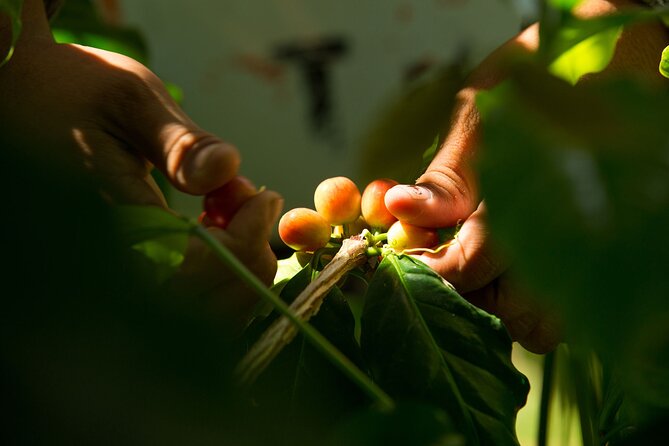
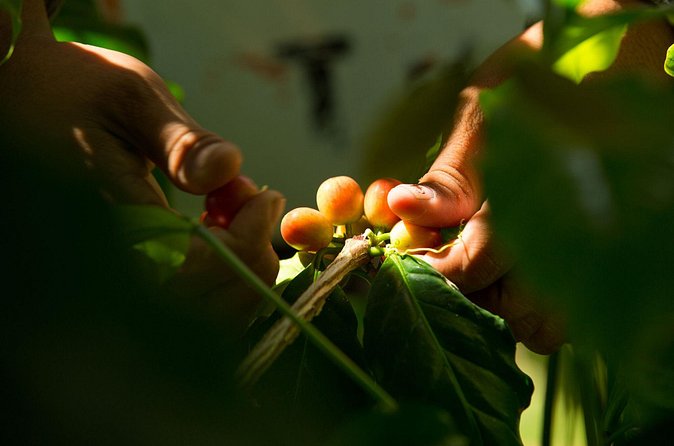
The program also covers harvesting and processing. Coffee cherries must be handled after picking, and the choices made at this stage can shape the final taste. Fermentation is another key subject. The farm works with experimental fermentation methods, so this is not only a basic introduction to traditional coffee production.
Drying receives special attention as well. Innovative drying techniques can influence how the coffee develops before roasting. You may not leave able to explain every technical detail, but you should come away with a clearer sense that coffee flavor is built in stages.
The roasting discussion helps complete the picture. A lighter roast and a darker roast can bring different qualities forward, and roast level changes how you experience aroma, body, and flavor. The session makes this easier to understand because you are tasting the result while hearing about the choices behind it.
Why the small group size matters
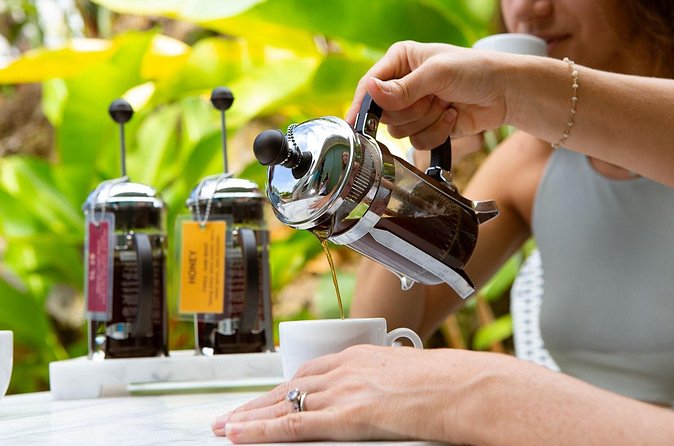
The group maximum is 12 people. That is small enough to keep the presentation from feeling like a lecture, yet large enough for a lively tasting if the room fills.
I like this format for anyone who wants to ask basic questions without feeling out of place. You can ask what a processing term means, why two coffees taste different, or how roast level changes the cup. A large group often makes those questions harder to ask.
The size also affects the pace. A small group gives the educator more room to watch reactions, explain unusual flavors, and keep the tasting conversational. It should feel more like a guided introduction than a quick sample at a shop counter.
Still, an intimate format does not mean a private class. The experience can include up to 12 people, and the amount of individual attention will depend on the group. If you want a serious lesson in brewing, roasting, or sensory evaluation, Hala Tree Cafe offers more in-depth custom classes, but those are separate from this tasting.
Still in the USA, but a different cup:
- Big Island Highlights: Coffee, Volcano, Black Sands & Waterfall
★ 5.0 · 1,054 reviews - Award Winning Farm Tour: Coffee, Chocolate and Unique Gifts
★ 5.0 · 484 reviews - Big Island: Volcanoes, Waterfalls, & Coffee Farm Day-Trip
★ 4.9 · 414 reviews - Small-Group Big Island Tour: Hawaii Volcanoes National Park and Kona Coffee Farm
★ 5.0 · 343 reviews
The value of spending $10
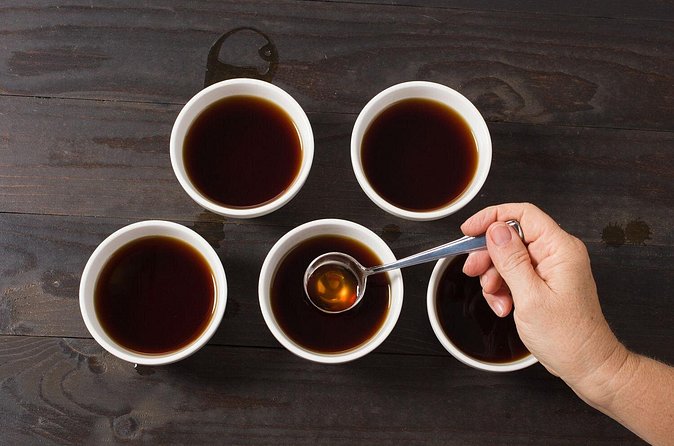
At $10 per person, this is one of the easier specialty-food experiences to fit into an Oahu itinerary. You get three coffees, a presentation about the farm, and an explanation of production choices. The price is especially fair if you already drink coffee and want more context behind Kona’s reputation.
The value is less clear for someone looking only for a large cup of coffee. This is not a simple café stop. You are paying for the comparison and instruction, not just the drink itself.
The tasting also saves you from guessing what to order. Kona coffee can vary by variety, roast, and processing method. Sampling three examples gives you a clearer idea of what you like before buying beans or choosing a coffee to take home.
I would treat the $10 as a low-cost introduction rather than a full coffee workshop. The session does not include a farm walk, a long roasting demonstration, or a formal sensory course. Its strength is the focused explanation and side-by-side tasting.
Fitting Kaʻaʻawa into your Oahu plans
The Coffee LAB is located at 51-666 Kamehameha Highway in Kaʻaʻawa. The activity begins and ends there, so plan your transportation around that address rather than expecting to be collected elsewhere.
The location is near public transportation, which helps if you are not driving. The available information does not specify a particular bus route or travel time, so I would check your route before booking and allow enough time to arrive promptly.
Because the session lasts about an hour, it can work as a planned stop rather than a full-day commitment. You might place it between other North Shore or Windward Oahu activities, but you should confirm your own travel timing. The booking information notes that the activity depends on good weather. If poor weather causes a cancellation, you can receive a different date or a full refund.
One appealing detail is the ocean view noted from the setting. I would not book this as a scenic cruise or a coastal tour, but the view adds something pleasant while you learn about coffee grown across the island chain.
Who will enjoy this tasting most
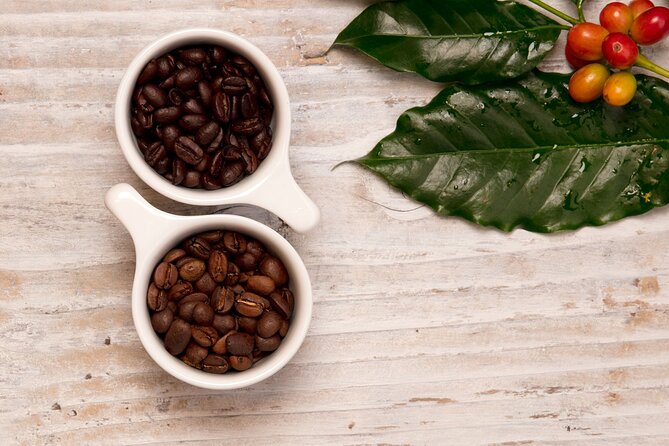
I would recommend this experience to coffee drinkers who want to understand what they are tasting. It is a good fit for couples, small groups of friends, and curious visitors who prefer a short local food experience over a long organized excursion.
Beginners should feel comfortable. You do not need to know coffee vocabulary or have experience with formal tastings. The presentation starts with the basics and connects the information to the three cups in front of you.
Seasoned coffee fans may enjoy it for a different reason. The family farm’s experimental fermentation methods, drying techniques, and traceability give you more to think about than a standard café flight. You can compare the coffees while learning how production decisions affect the final result.
Families with younger children may find the subject less engaging if the children do not drink coffee, since the central activity is tasting and discussing coffee. Service animals are allowed, and the experience is offered in English.
What to expect from the teaching style
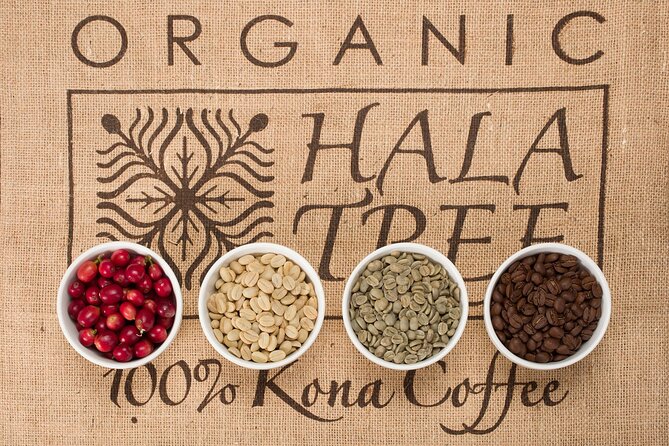
The tone is casual and friendly rather than formal. You can expect the educators to explain coffee growing, processing, roasting, and flavor notes in plain terms.
The session is designed for broad access, so it may not begin with a full lesson in professional tasting technique. If you already know methods such as smelling, slurping, or evaluating the finish, you can use those skills during the flight. If you are new to tasting, follow the simple sequence of smell, sip, move the coffee around your mouth, swallow, and breathe through your nose.
That small technique can make a real difference. Coffee flavor is not only what you notice at the instant you sip. Aroma before and after swallowing helps you pick up more of the cup’s character.
I would also keep your expectations practical. The presentation can give you a useful framework, but one hour is not enough to turn you into a coffee grader. Think of it as a smart, inexpensive starting point.
Booking, timing, and cancellation details
Confirmation is provided at the time of booking, and the experience is often reserved about 21 days ahead. That advance demand suggests you should not wait until the last morning if your schedule is fixed, particularly because the group is limited to 12 people.
Mobile tickets make arrival simple. Check the local start time and the exact Kaʻaʻawa address before setting out.
You can cancel for a full refund up to 24 hours before the scheduled start. Cancellations or changes made inside that 24-hour window are not refunded or accepted. If bad weather forces the operator to cancel, you will be offered another date or a full refund.
Should you book the Kona Coffee Tasting?
I would book it if you enjoy coffee, want a short educational stop, and like knowing where food comes from. For $10, the three-cup comparison and farm-to-cup explanation offer good value, especially for visitors who have not tried a guided coffee tasting before.
I would skip it if you are looking for a full farm tour, a long roasting demonstration, or a formal sensory course. The visit can finish in roughly 35 minutes, and the activity takes place at The Coffee LAB rather than on the farm itself.
For most coffee drinkers, though, this is a sensible Oahu add-on. You leave with a better understanding of Kona coffee and a sharper idea of how growing, fermentation, drying, and roasting shape the flavor in your cup.
FAQ
Where does the Kona Coffee Tasting take place?
The experience begins at The Coffee LAB by Hala Tree Cafe, located at 51-666 Kamehameha Highway, Kaʻaʻawa, Hawaii 96730.
How long does the experience last?
The listed duration is approximately one hour. The tasting may finish in about 35 minutes, depending on the pace of the session.
How much does the tasting cost?
The price is $10 per person.
How many coffees will I taste?
You will taste three 100% Kona coffees from the family-owned farm connected with Hala Tree Cafe.
Is the activity offered in English?
Yes. The experience is offered in English.
How large can the group be?
The maximum group size is 12 people.
Does the activity start and finish at the same place?
Yes. It starts at The Coffee LAB by Hala Tree Cafe and ends back at the meeting point.
Can I cancel for a refund?
Yes. You can cancel at least 24 hours before the start time for a full refund. Cancellations or changes made less than 24 hours before the start are not accepted or refunded. If poor weather causes the operator to cancel, you can choose another date or receive a full refund.
More Eating and Drinking in the USA
- Little Havana Walking Tour – Food Tastings, Traditions & Music
★ 4.5 · 8 reviews - Phoenix: Coffee Tasting Digital Passport
★ 5.0 · 7 reviews - Hawaii: Hala Tree Coffee Farm Tour and Tasting
★ 5.0 · 4 reviews - Vienna for Food Lovers: Cafés, Markets & Austrian Cuisine
★ 5.0 · 1,063 reviews
Just listed in the USA
- Roasted in Seattle Bean to Cup Coffee Tour★ 5.0 · 5 reviews
- Roast Your Own Coffee★ 5.0 · 2 reviews
- Little Havana Miami: Classic Cars, Cigar Factory, Coffee and more★ 5.0 · 7 reviews
- The Little Havana Walking Tour: A Taste of Cuba in Miami★ 4.5 · 2 reviews
- Behind The Scenes Of The Coffee Roasting Process 101★ 5.0 · 2 reviews
- Kona Shore Excursion: Sea Turtles, Historic Kona & Coffee★ 4.5 · 324 reviews
- Coffee Hike to Three Waterfalls in DuPont State Forest★ 4.5 · 8 reviews
- Asheville Coffee Tours★ 5.0 · 12 reviews
Coffee Tastings, compared.
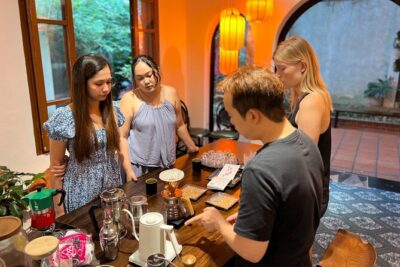
Hanoi Coffee Experience: 6 Brews, 9 Recipes & 3 Liquor Tastings
Read our review →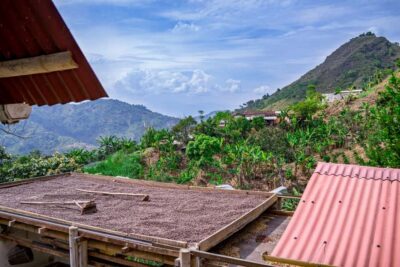
Coffee Tour with Transport, Snacks and Tastings
Read our review →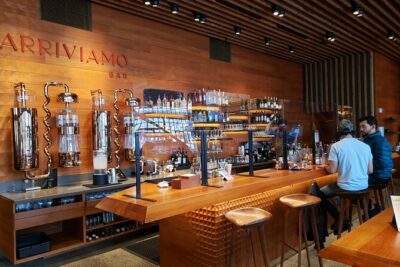
Seattle Coffee Tour: Capitol Hill Cafes, Tastings & Local Stories
Read our review →
Da Nang Cooking Class with Coffee Tasting and Market Visit
Read our review →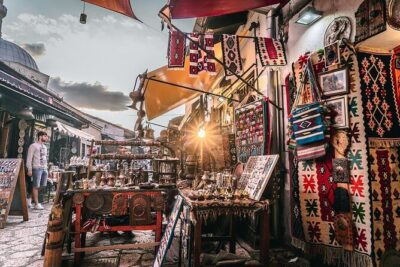
Private Walking Tour, Food Tasting and Bosnian Coffee in Sarajevo
Read our review →
Poás Volcano and Coffee Tour with Tasting and La Paz Falls
Read our review →
Coffee Farm Tour with Roasting & Tasting Workshop – Da Lat
Read our review →Lists this coffee tour turns up in