
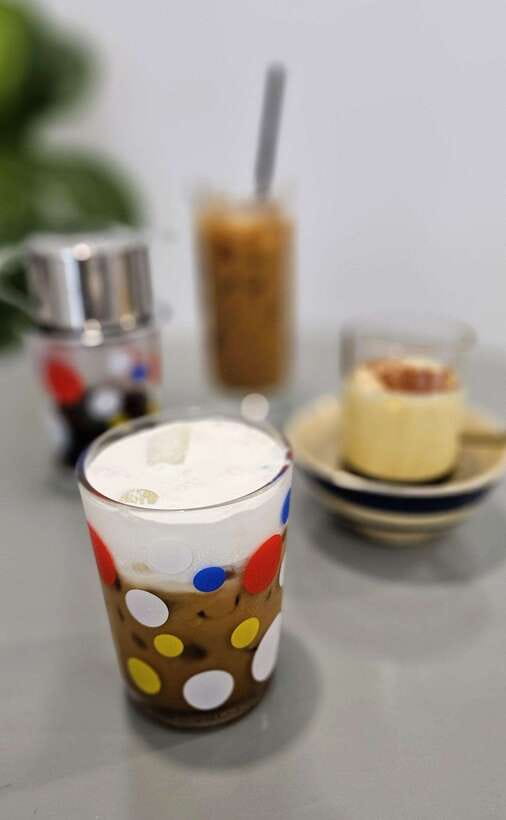
REVIEW · VIETNAM
Make 3 Regions Iconic Vietnamese coffees: Brown, Salted, Egg
Vietnam’s coffee culture changes as you move from south to north, and this compact workshop makes that clear through three cups. With Quynh, a food and beverage professional with more than 16 years of experience, you learn why southern brown coffee, central salted coffee, and northern egg coffee taste so different.
I like the hands-on format and the way each drink is tied to a region rather than treated as a simple recipe. I also like the small group of no more than six, which leaves room for questions and help with the phin.
The main drawback is the caffeine. You’ll taste four coffees in 90 minutes, so avoid coffee for at least two hours beforehand. The age and accessibility information also needs checking before booking, since one section says wheelchair accessible while another says it is not suitable for wheelchair users.
Key points about the coffee workshop
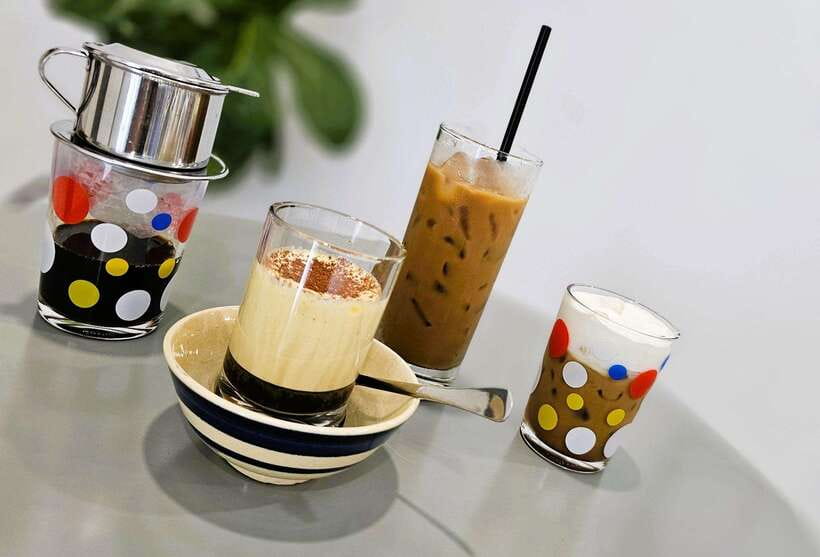
- Three regional drinks: Make southern brown coffee, central salted cream coffee, and northern egg coffee.
- Quynh leads the class: Expect English instruction from a host with more than 16 years in food and beverage work.
- You do the brewing: Learn to use the traditional Vietnamese phin and make the drinks yourself.
- A small, central setting: The activity lasts 90 minutes, takes place in the heart of the city, and is limited to six people.
- More than a tasting: Coffee history, regional habits, brewing advice, and a simple bánh mì with condensed milk are included.
- Dietary options are available: Vegan, coeliac, and lactose-intolerant visitors can request alternatives when booking.
Three coffees, three parts of Vietnam
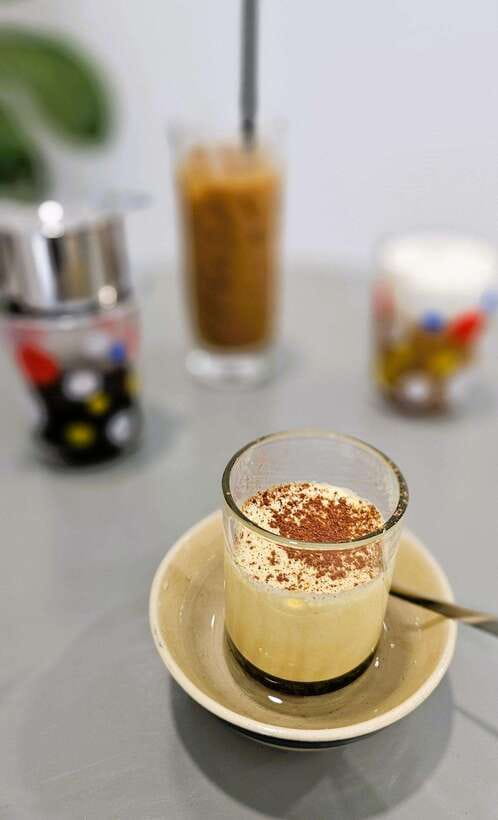
The smart idea here is simple: use coffee to explain regional culture. Vietnam is not presented as one uniform coffee country. Instead, you see how local tastes and habits appear in the glass.
The southern drink is brown coffee, the familiar combination of strong coffee and condensed milk. It is sweet, bold, and easy to understand as an introduction to Vietnamese coffee. The central drink adds salted cream, giving the coffee a different balance. The northern drink is egg coffee, a thicker and more dessert-like style.
You do not simply receive three finished drinks. You make them yourself, which gives the differences more meaning. The class explains the background of each drink while you work, so the recipes are tied to place and daily life rather than presented as isolated café tricks.
That regional focus is the strongest reason to book this activity. You can sample coffee in many cafés around Ho Chi Minh City, but it is harder to understand why a drink belongs to one part of Vietnam. This workshop gives you a useful framework for noticing those differences during the rest of your trip.
More Coffee Tours in Ho Chi Minh City:
- Egg coffee & Course on 4 traditional types of Viet coffee
★ 4.9 · 487 reviews - Fun & Easy Vietnamese Coffee Workshop in Hồ Chí Minh City
★ 5.0 · 293 reviews - Vietnamese Coffee & Culture Exploration in Hồ Chí Minh City
★ 5.0 · 202 reviews
Starting with Vietnamese coffee culture
The session begins with a short introduction to coffee in Vietnam and the way it has become part of everyday life. The supplied information does not promise a long lecture, and that is probably a benefit. Ninety minutes passes quickly when you are brewing, tasting, and asking questions.
Quynh also connects coffee to Vietnam’s past and to regional customs. Several visitors specifically praised his passion, humor, patience, and ability to hold attention, even among people who do not normally enjoy classes. That matters here because the subject could easily become a technical lesson about beans and brewing.
Instead, you get context in useful portions. You learn enough to understand what is in front of you, then put that information into practice. If you are curious about food culture, this is more rewarding than a standard café stop.
Learning to use the traditional phin

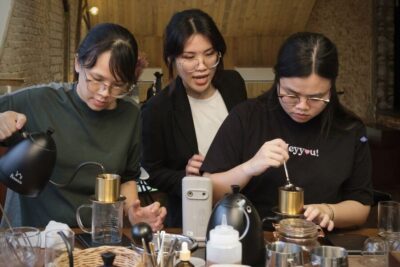
The phin is the small Vietnamese coffee filter placed over a cup. It is not an espresso machine, and using it well takes a little care. The workshop recommends the proper way to use it, then gives you a chance to brew rather than simply watch.
This is one of the most practical parts of the session. You can take the method home, and the lessons are likely to help when you order coffee elsewhere in Vietnam. Quynh also shares brewing tips, so you are not left with a recipe but no idea how to handle the equipment.
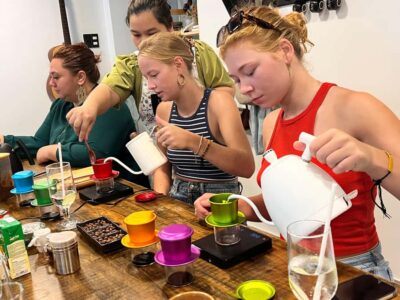
The hands-on approach suits beginners. You do not need to be a home barista, and the workshop is not aimed only at coffee experts. You will have guidance while making the drinks, with a small enough group for questions and individual help.
Making southern brown coffee
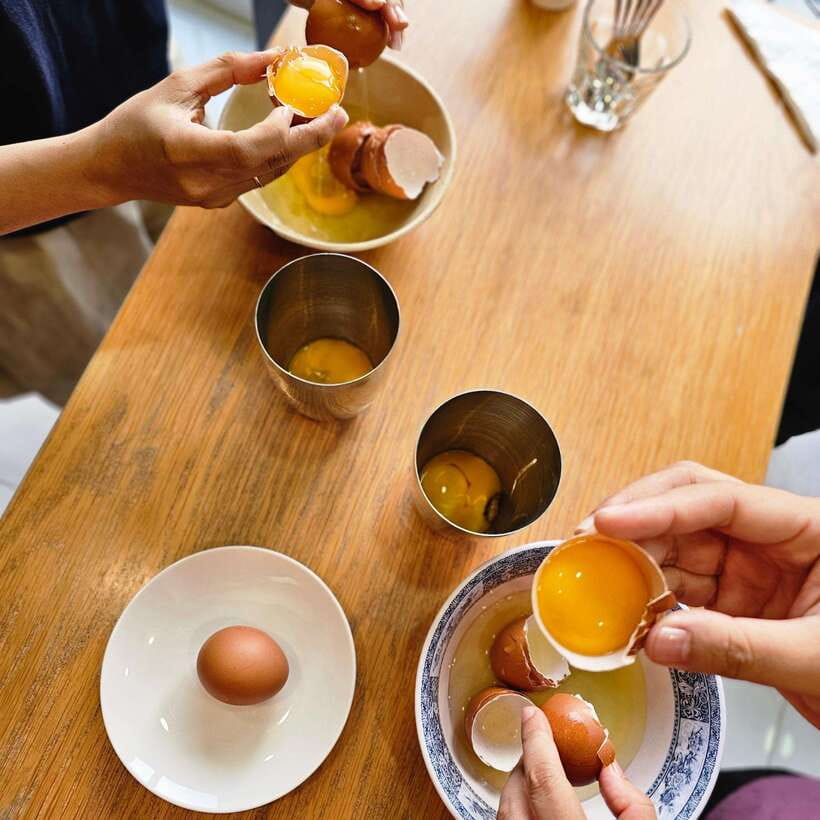
Brown coffee gives you the first clear example of how Vietnamese coffee can differ from a standard black cup. Condensed milk brings sweetness and body to the strong brew. The drink is familiar enough for first-time visitors but still distinctly Vietnamese in preparation and flavor.
You make the drink rather than receiving a sample across the table. That makes the tasting more useful because you can connect the finished cup with the brewing steps and ingredients.
If you normally take coffee without sugar, this may be the sweetest drink of the three for your palate. That is not a flaw, but it is worth knowing before you arrive. The workshop is about tasting local styles as they are commonly enjoyed, not adapting every cup to international café habits.
Still in Ho Chi Minh City, but a different cup:
- Decadent Vietnamese “Egg Coffee” Workshop in Hồ Chí Minh City
★ 5.0 · 150 reviews - Ho Chi Minh City: Fun and Easy Coffee Workshop for Beginners
★ 4.9 · 121 reviews - Techniques & Secrets Behind the Famed Vietnamese Egg Coffee
★ 5.0 · 99 reviews - 1 hour Egg Coffee Cooking Class with Snack and Local Instructor
★ 5.0 · 72 reviews
Making central salted cream coffee
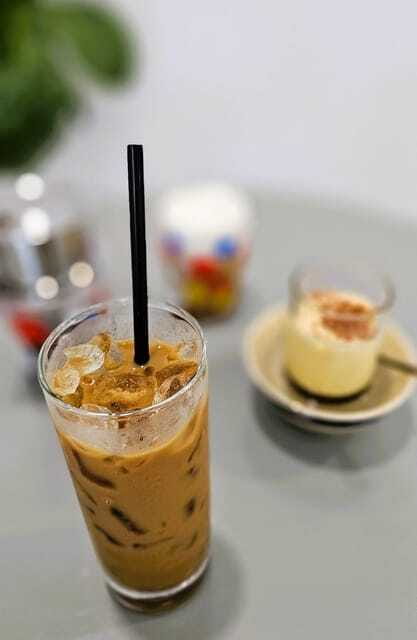
The salted coffee represents central Vietnam and offers the sharpest contrast with the sweet southern version. Salted cream changes the flavor without turning the drink into a savory meal. The result shows how a small change in the topping can create a very different cup.
This is a useful stop in the tasting because it asks you to pay attention to balance. You are not just comparing strong coffee with weak coffee. You are comparing sweetness, creaminess, salt, and the bitterness of the brew.
The exact level of salt will depend on the preparation, so your finished drink may be more or less pronounced than one you find in a café. That is part of the value of making it yourself. You can see how ingredients affect the final taste and ask questions while the drink is being prepared.
Making northern egg coffee
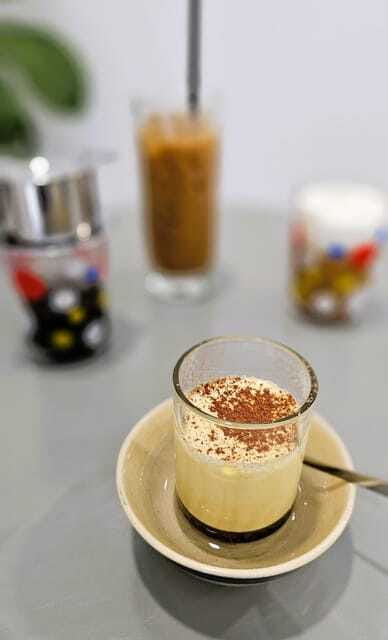
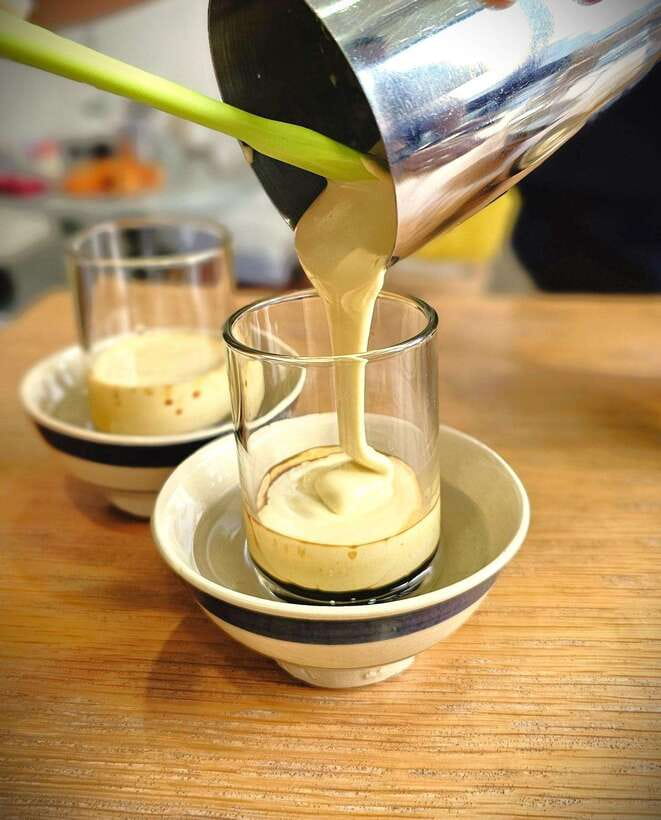
Egg coffee is the most unusual of the three for many first-time visitors. It is creamy and dessert-like, with a texture that sets it apart from the other drinks. The northern connection gives the workshop a strong ending because the drink feels less like a variation on iced coffee and more like a specialty in its own right.
This is also the style most likely to appeal to people who do not think of themselves as coffee fans. Several participants found the class worthwhile even without being regular coffee drinkers, and egg coffee helps explain why. It can feel closer to a sweet treat than a plain morning brew.
You still make the drink yourself, so the experience remains active. The class does not stop at here is the famous cup. You learn something about the drink’s background and how the preparation creates its texture.
Four tastings and a local snack
The activity includes four coffee tastings, even though the main teaching focus is on three regional drinks. The supplied details do not identify the fourth tasting, so you should not book expecting a particular extra style. The important point is that the class includes more than one small sip and gives you time to compare what you make.
A plain bánh mì with condensed milk is also included. It is a simple local snack rather than a full meal, so eat beforehand if you need lunch or dinner. Its sweetness fits the coffee theme, but the snack should be viewed as a small accompaniment.
Dietary needs can be handled with alternatives for vegan, coeliac, and lactose-intolerant participants. You need to note this when booking rather than waiting until the class begins. That advance notice gives the team a fair chance to prepare the right option.
Why the six-person group matters

The maximum group size is six. That is a strong match for a practical workshop because everyone needs access to the brewing equipment and enough attention to follow each step.
A larger class might make the coffee less personal. Here, you can ask Quynh about the drinks, Vietnam, or brewing problems as they arise. The setting is air-conditioned and has comfortable seating, which is helpful in Ho Chi Minh City, especially if you want a quiet break from the streets.
The central location also makes this easy to fit into a day of sightseeing. You do not need to build a separate excursion around it. A 90-minute session can work in the morning, between city sights, or near the end of your visit when you want something relaxed.
Is $22 a fair price?

At $22 per person, this is not the cheapest way to drink coffee in Vietnam. Local cafés can serve a cup for much less. But you are paying for instruction, ingredients, four tastings, a snack, equipment, an air-conditioned room, and a small group.
The value is strongest if you want context and participation. If your only goal is to sample egg coffee, salted coffee, or brown coffee, you can do that more cheaply on your own. If you want to understand how the drinks are made and why they differ by region, the price is reasonable.
The 90-minute length also keeps the commitment modest. You are not giving up half a day, yet you get enough time to make several drinks and ask questions. For a first visit to Vietnam, this can serve as both a food activity and a short lesson in local culture.
Who should book this activity?
I would recommend it to curious first-time visitors, coffee drinkers, food lovers, and people who like small classes with a practical element. It also suits couples, solo visitors, and small groups who prefer direct contact with a local host rather than a large demonstration.
You do not need specialist coffee equipment at home or previous brewing experience. The class is designed around making the drinks with guidance. Non-coffee drinkers can still find the cultural side interesting, but the caffeine level is serious enough that you should plan ahead.
Children under 14 are not suitable for the activity, and the information gives an upper age limit of 95. The accessibility notes conflict: the activity is described as wheelchair accessible in one place but not suitable for wheelchair users elsewhere. If you use a wheelchair, confirm the conditions directly before paying.
Booking details worth knowing
The instructor speaks English, and the group is limited to six participants. You can reserve now and pay later, which helps if your Ho Chi Minh City plans may change.
Free cancellation is available up to 24 hours before the start time for a full refund. Check the available starting times when booking, since the experience lasts 90 minutes and timing matters if you are fitting it around other plans.
Most important, do not drink coffee for at least two hours before the class. Four tastings in one session can be a lot, even for someone who normally enjoys strong coffee.
Should you book the Vietnamese coffee workshop?
Book it if you want more than a café photograph. The best part is the combination of regional culture, clear instruction from Quynh, and the chance to make the drinks with your own hands. The small group and central setting make the session easy to fit into a city stay.
Skip it if you dislike caffeine, want a full meal, or only want the cheapest possible coffee tasting. Also confirm the accessibility details before booking if that affects you.
For most visitors, $22 is a fair price for a focused 90-minute introduction to Vietnam through its coffee cup. It is especially useful near the start of a trip, when the lessons can guide what you order in cafés across the country.
FAQ
How long does the Vietnamese coffee workshop last?
The activity lasts 90 minutes.
Which Vietnamese coffees will I make?
You will make southern brown coffee, central salted cream coffee, and northern egg coffee.
Is the workshop taught in English?
Yes. The instructor teaches in English.
How many people are in the group?
The group is limited to six participants.
Is food included?
Yes. The activity includes a simple local snack, plain bánh mì with condensed milk, along with four coffee tastings.
Can I request dietary alternatives?
Yes. Vegan, coeliac, and lactose-intolerant alternatives are available. Note your requirement when booking.
Just listed in Ho Chi Minh City
- A Complete Vietnam Coffee Journey – The Unknown Giant★ 5.0 · 10 reviews
- HCM: Egg Coffee Class with local Instructor & Snack★ 4.7 · 8 reviews
- Mastering Egg Coffee-Course on 4 traditional types of Viet coffee★ 5.0 · 16 reviews
- Ho Chi Minh Best Walking Tour: Food, Coffee & History★ 5.0 · 19 reviews
- Ho Chi Minh Street Food Tour and Vietnamese Coffee★ 5.0 · 28 reviews
- Vietnam Coffee Journey – Make extraordinary tasty coffee yourself★ 5.0 · 30 reviews
- Coffee Workshop in Ho Chi Minh City: Discover the art of coffee★ 5.0 · 35 reviews
- Vietnam Flavour: Market-to-Table & The Art of Egg Coffee★ 5.0 · 53 reviews
Ho Chi Minh City Coffee Tours, compared.
Egg coffee & Course on 4 traditional types of Viet coffee
Read our review →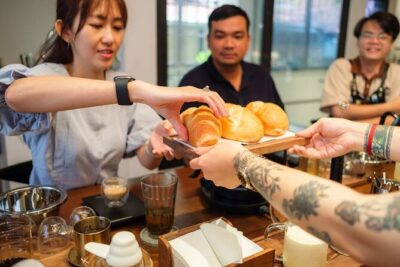
Fun & Easy Vietnamese Coffee Workshop in Hồ Chí Minh City
Read our review →
Vietnamese Coffee & Culture Exploration in Hồ Chí Minh City
Read our review →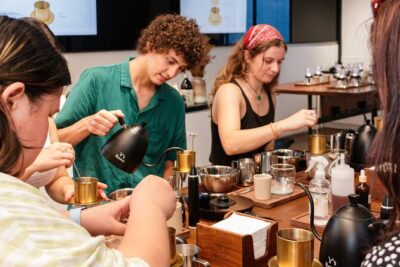
Decadent Vietnamese “Egg Coffee” Workshop in Hồ Chí Minh City
Read our review →
Techniques & Secrets Behind the Famed Vietnamese Egg Coffee
Read our review →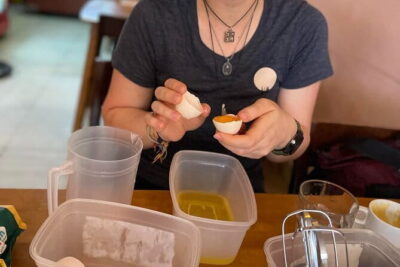
1 hour Egg Coffee Cooking Class with Snack and Local Instructor
Read our review →
Saigon Unseen: Culture, Coffee, Hidden Spots Motorbike Adventure
Read our review →Lists this coffee tour turns up in