

REVIEW · VIETNAM
Hands-on Discovery of Vietnamese Coffee & Culture
Vietnamese coffee is best understood with your hands, nose, and taste buds. At Lacàph, you brew two different styles, hear beans crack during a small roasting demonstration, and connect coffee with farmers, family stories, and daily life in Việt Nam. Coffee becomes the subject, not just the drink.
I like the practical brewing methods, which you can repeat at home, and the way sweet mung bean cake and cocoa-coated cashews show how Vietnamese flavors work with coffee. The only drawback is the setting: Lacàph sits upstairs in an old building and is not suitable for wheelchair users.
Key points to know before booking
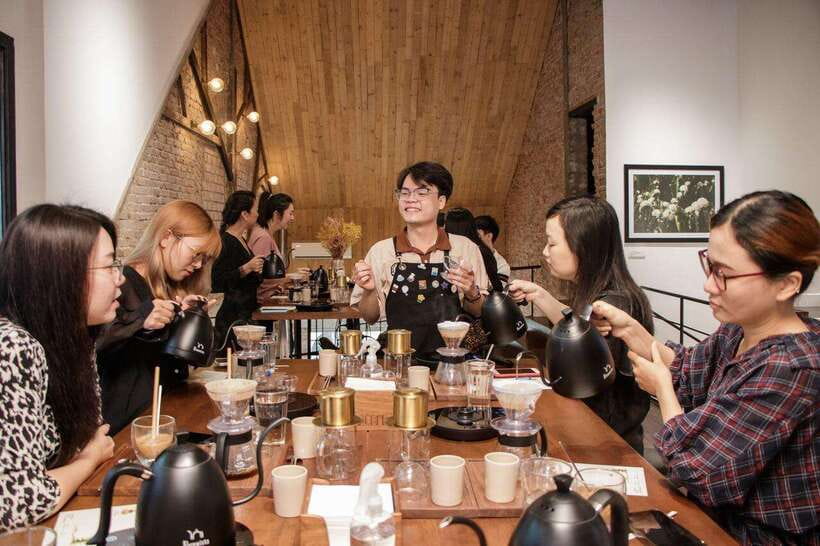
- You brew two Lacàph coffee styles: A filter coffee and a phin coffee give you a useful side-by-side comparison.
- You see a small batch roasted: The Lacàph Phin Blend is roasted during the session, with the crackling beans and changing aromas as part of the lesson.
- You learn through short films: Stories connect coffee with Hà Nội, Đà Lạt, Chợ Lớn, farmers, and the people who bring the crop to your cup.
- You get local food pairings: Mung bean cake accompanies filter coffee, while cocoa-coated cashews go with the phin brew.
- You have an English or Vietnamese guide: Giao and Vi are named guides praised for their enthusiasm and clear instruction.
- You need to find an upstairs venue: Look for the small sign by the purple iron door at 220 Nguyễn Công Trứ, then climb the stairs and turn left.
Why this coffee workshop is worth your afternoon
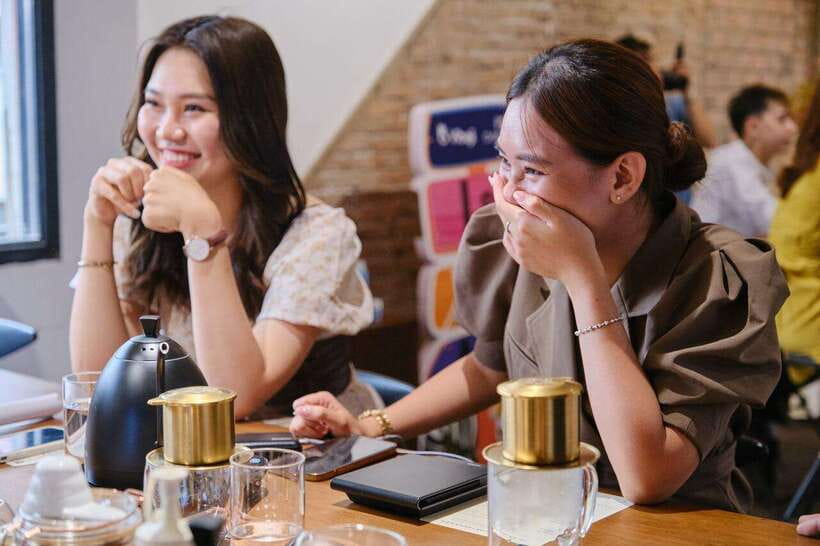
Ho Chi Minh City gives you coffee at every turn, from tiny street stalls to polished cafés. Yet ordering a cup tells you only part of the story. This workshop gives you time to slow down and ask why coffee matters in Việt Nam, how different brewing tools change the result, and how the drink fits into the country’s food culture.
The session lasts 150 minutes, or two and a half hours. That is long enough for real participation without turning into a full-day class. You are not simply shown a phin and handed a finished drink. You brew, taste, watch, listen, and compare.
At $30 per person, the value rests on what you want from the experience. If you only want a strong iced coffee, this costs more than a café stop. If you want an organized lesson, several tastings, local food pairings, a roasting demonstration, and cultural context, the price is sensible. It also gives you a useful skill you can take home.
The activity is particularly well suited to coffee beginners. Charlene from the United Kingdom arrived with little background in coffee and left with a much clearer understanding of the subject. That is important: you do not need to know about extraction, roast levels, or brewing ratios before you arrive.
More Vietnamese Coffee Experiences in Ho Chi Minh City
- Egg coffee & Course on 4 traditional types of Viet coffee
★ 4.9 · 487 reviews - Fun & Easy Vietnamese Coffee Workshop in Hồ Chí Minh City
★ 5.0 · 293 reviews - Vietnamese Coffee & Culture Exploration in Hồ Chí Minh City
★ 5.0 · 202 reviews
Finding Lacàph at 220 Nguyễn Công Trứ
The meeting point takes a little attention. Lacàph is not described as a street-level café with a large, obvious entrance. Go to 220 Nguyễn Công Trứ in Nguyễn Thái Bình Ward, District 1, and look for a small sign in front of a purple iron door.
Enter through the door, climb the stairs, and turn sharply left at the top. This is the sort of arrival where checking the address before you set out saves time. You may be walking through a busy part of central Ho Chi Minh City, so keep the location details handy rather than expecting a large storefront to guide you.
The old-building setting suits the subject. Coffee in Việt Nam is not only a polished modern product. It is also tied to ordinary city routines, small cafés, family habits, and the long movement of beans from highland farms into urban cups.
You should plan for stairs. The activity is specifically not suitable for wheelchair users, and pets are not allowed.
The opening sensory experiment
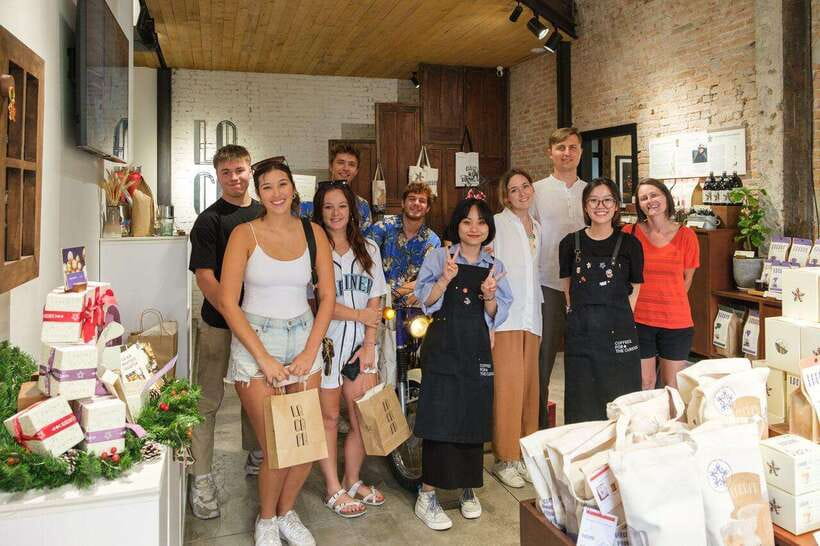
The workshop begins with a multi-sensory exercise. The goal is to get you paying attention before the brewing starts. Coffee has more to offer than bitterness and caffeine, and this opening helps you notice scent, texture, flavor, and sound as separate parts of the experience.
I like this approach because it gives beginners a way into the subject without requiring technical vocabulary. You do not need to arrive knowing the difference between a light and dark roast. You simply need to notice what changes as the coffee is prepared and tasted.
The guides also introduce the human side of coffee. Through personal stories and visual material, you learn about farmers and other people connected to the beans. This keeps the workshop from becoming a narrow equipment demonstration. Your cup has a route behind it, and the session gives that route a face.
The tone appears structured but relaxed. A June 2024 participant described the event as well organized and carefully paced without feeling stiff. That balance matters in a two-and-a-half-hour activity. You want enough structure to keep the session moving, but not so much that the class feels like a lecture.
Brewing the Lacàph Filter Blend
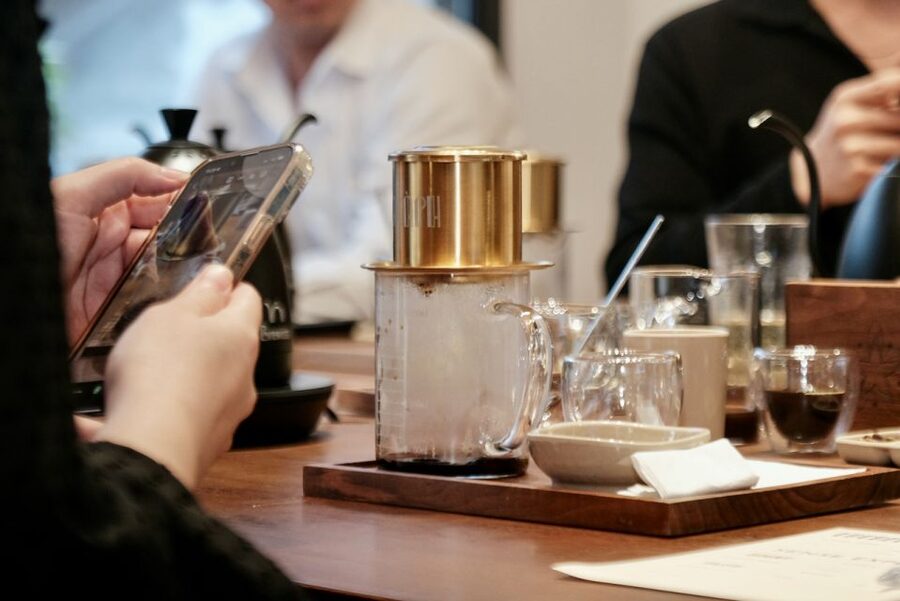
One part of the session centers on the Lacàph Filter Blend. You brew it using a simple filter method and pair it with bánh đậu xanh, a Vietnamese mung bean cake.
This pairing gives you more than a snack. Mung bean cake is sweet and compact, so it offers a gentle counterpoint to coffee’s roasted notes. Tasting the two together encourages you to think about coffee as part of a meal and not only as a standalone drink.
The method is also practical. You are shown a process designed to be repeated at home, which makes the lesson useful after your trip. A good coffee workshop should leave you with more than a pleasant memory. Here, you can pay attention to how the water meets the grounds, how the aroma develops, and how the final cup tastes with a local sweet.
The filter session is a good first step for people who usually drink coffee without thinking about preparation. It gives you a calmer, cleaner way to compare coffee with the stronger style often associated with the Vietnamese phin.
Still in Ho Chi Minh City, but a different cup:
- Decadent Vietnamese “Egg Coffee” Workshop in Hồ Chí Minh City
★ 5.0 · 150 reviews - Ho Chi Minh City: Fun and Easy Coffee Workshop for Beginners
★ 4.9 · 121 reviews - Techniques & Secrets Behind the Famed Vietnamese Egg Coffee
★ 5.0 · 99 reviews - 1 hour Egg Coffee Cooking Class with Snack and Local Instructor
★ 5.0 · 72 reviews
Hearing the Lacàph Phin Blend crackle

Next comes a small batch roasting demonstration using the Lacàph Phin Blend. You hear the beans crack as they roast and notice the aroma change during the process.
This is one of the most memorable parts for anyone who has never seen coffee roasted. The sound is not background decoration. It helps you understand that coffee is a changing food product, not a fixed powder that appears in a packet.
The demonstration is small scale, which is useful. You can focus on the beans, the smell, and the guide’s explanation instead of watching a distant industrial machine. The emphasis is on sensory awareness and modern Vietnamese coffee roasting.
Do not expect a full professional roasting course. The information provided describes a demonstration, not a certification class or a long technical workshop. That is a fair trade for a compact activity. You get a vivid introduction to roasting without spending the whole afternoon on machinery.
Making phin coffee with a modern brewer
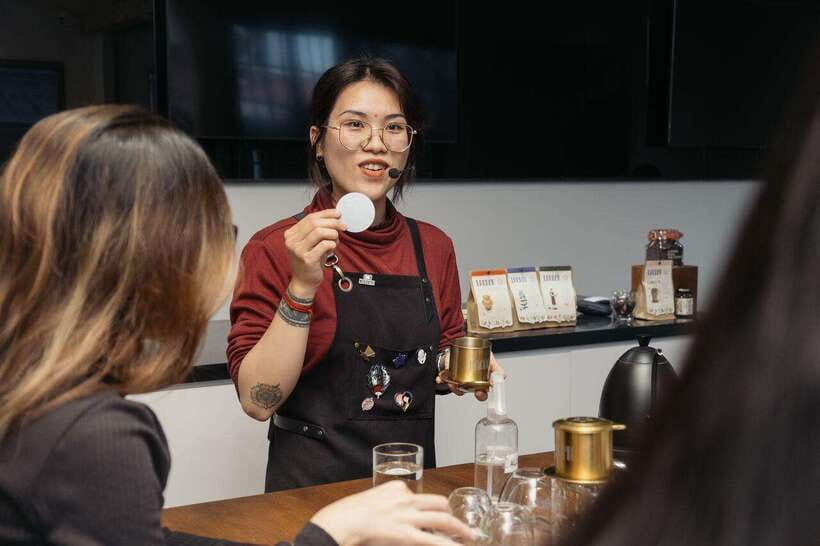
The phin session uses a Lacàph Microfilter Phin Brewer with the Lacàph Phin Blend. The phin is closely associated with Vietnamese coffee, and learning to use one gives you a direct connection to a familiar part of local café culture.
You prepare the drink yourself rather than receiving a finished cup. That makes the slow filtering process easier to understand. It also helps you see why phin coffee has such a distinct character: the method is simple, visible, and patient.
The modern microfilter brewer adds a contemporary touch while keeping the basic idea intact. You get the cultural reference without being limited to a purely traditional presentation. This may appeal if you want to bring Vietnamese coffee habits into your own kitchen.
The pairing here is cocoa-coated cashews. Their sweetness and roasted flavor fit naturally with the phin blend, and they give you another way to compare food with coffee. Along with the mung bean cake, the pairings make the tasting feel distinctly connected to Việt Nam rather than like a generic coffee class.
If you are sensitive to caffeine, keep that in mind before booking. The experience includes several coffee preparations, and the practical advice is simple: arrive ready for coffee, but pace yourself during tasting.
Short films from Hà Nội to Chợ Lớn
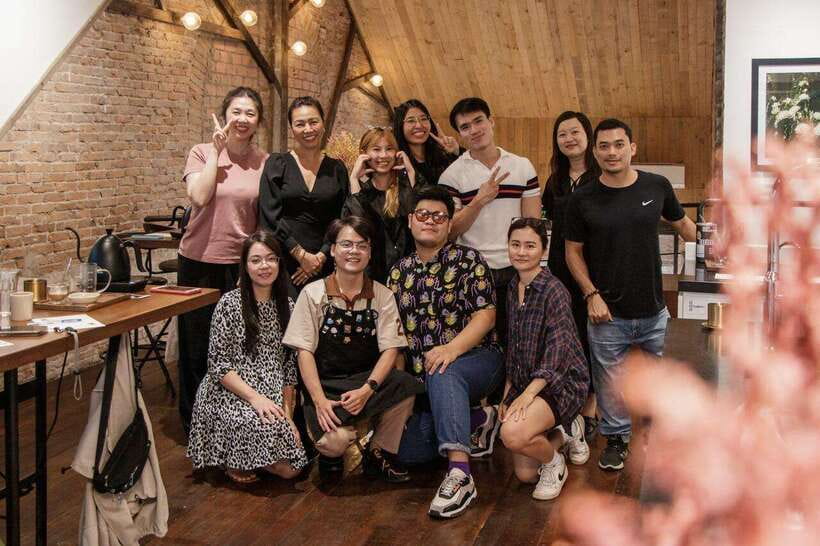
The cultural section uses an in-house mini-documentary series. The films take you from Hà Nội to Đà Lạt and Chợ Lớn in Sài Gòn, showing different settings connected to Vietnamese coffee and city life.
This adds useful scale to the tasting. You are not given a single, simplified picture of Vietnamese coffee culture. Hà Nội, Đà Lạt, and Chợ Lớn each carry different associations, and the films help place coffee within a broader national story.
Đà Lạt is especially relevant as a coffee-growing area, while Hà Nội and Chợ Lớn bring the focus toward urban life and consumption. The supplied details do not promise a long historical lecture, so expect focused video stories rather than an academic course. That format should work well if you prefer human accounts and visual context to a long talk.
I also like that the films include farmers and other people behind the drink. Coffee culture can easily become a discussion of brewing gadgets and café design. These stories remind you that the product begins with people and work far from the cup in front of you.
The guides and the teaching style
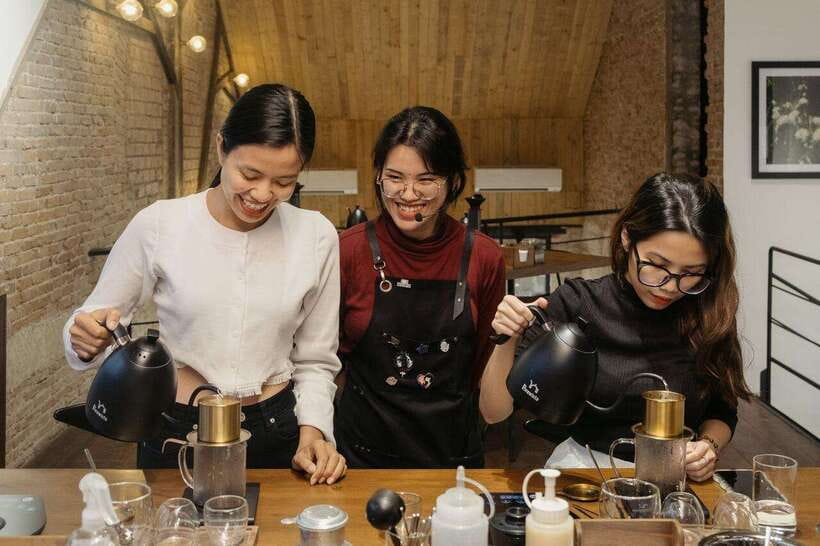
The activity is offered in English or Vietnamese. That gives you a clear choice if you are booking for a mixed-language group or want to hear the subject explained in a language you understand comfortably.
Two guides named in the feedback are Vi and Giao. Vi is praised for strong subject knowledge and hands-on teaching, while Giao is described as enthusiastic and engaging. Those details matter because coffee workshops depend heavily on the instructor. The equipment is only part of the experience. The guide has to explain what you are tasting, keep the group involved, and make room for questions.
The format appears welcoming to newcomers. One participant who began as a complete novice left with a much better grasp of coffee and a stronger appreciation for Vietnamese coffee. That is the right measure for this kind of class. You do not need to become a coffee expert in one afternoon. You should leave able to recognize how brewing, roast, food, and culture affect your cup.
The workshop is organized and timed, but it is not presented as rigid. That is useful if you enjoy a clear plan but dislike overly formal demonstrations.
Who should book this experience
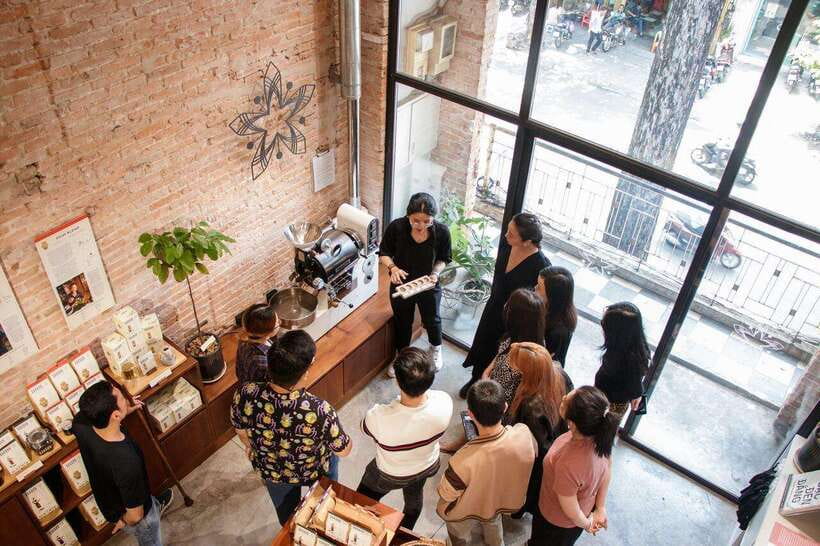
I would recommend it most strongly to:
- Coffee beginners who want a clear, hands-on introduction.
- Food-focused visitors who enjoy tasting local sweets with drinks.
- Culture-minded visitors who want more context than a café visit provides.
- People staying in District 1 who want a structured indoor activity.
- Couples and small groups looking for something more active than sightseeing.
- Coffee drinkers planning to buy Vietnamese beans or a phin after the workshop.
It also works well on a warm or rainy day because the activity is based indoors, though the supplied information does not specify the room’s exact size or group capacity.
I would be less likely to recommend it if you dislike caffeine, want a quick drop-in tasting, or already have advanced coffee-roasting skills. The class is designed as an introduction and cultural experience, not a professional barista course.
Price, timing, and booking flexibility
The cost is $30 per person, with a total duration of 150 minutes. For that price, you receive multiple coffee preparations, two food pairings, a roasting demonstration, films, and guided instruction.
That makes the workshop better value than a simple tasting, especially if you would otherwise spend money on separate café visits and coffee products without understanding how they were made. The main benefit is not the volume of coffee. It is the explanation and the chance to prepare it yourself.
You can cancel up to 24 hours before the activity for a full refund. The reserve-now, pay-later option also keeps your plans flexible. Check the available start times before booking, since the details provided do not list one fixed departure time.
Because the location is upstairs, include the access issue in your decision. Wheelchair users should not book this activity, and pets are not permitted.
Should you book the Lacàph workshop?
Book it if you want Vietnamese coffee explained through brewing, tasting, roasting, and personal stories, rather than simply served in a cup. The guides, especially Vi and Giao, add a human touch, and the food pairings make the session more memorable.
Skip it if you want a fast café stop or already know the techniques well. For most curious visitors, though, $30 buys a useful afternoon and a better understanding of one of Việt Nam’s defining everyday drinks. You leave with methods to try at home, a clearer sense of Vietnamese coffee culture, and a stronger reason to pause over your next phin.
FAQ
Where does the Vietnamese coffee workshop take place?
It takes place at Lacàph, at 220 Nguyễn Công Trứ, Nguyễn Thái Bình Ward, District 1, Ho Chi Minh City. Look for the small sign by the purple iron door, enter, climb the stairs, and turn left at the top.
How long does the activity last?
The experience lasts 150 minutes, or two and a half hours. Starting times depend on availability.
What languages are offered?
The activity is available in English and Vietnamese.
What coffee will I prepare?
You will prepare two Lacàph coffee styles: the Lacàph Filter Blend and a phin coffee made with the Lacàph Phin Blend using the Lacàph Microfilter Phin Brewer.
What food is included?
The filter coffee is paired with bánh đậu xanh, or Vietnamese mung bean cake. The phin coffee is paired with cocoa-coated cashews.
Is the activity accessible to wheelchair users?
No. The activity is not suitable for wheelchair users because Lacàph is located upstairs. Pets are also not allowed.
Just listed in Ho Chi Minh City
- A Complete Vietnam Coffee Journey – The Unknown Giant★ 5.0 · 10 reviews
- Make 3 Regions Iconic Vietnamese coffees: Brown, Salted, Egg★ 5.0 · 12 reviews
- HCM: Egg Coffee Class with local Instructor & Snack★ 4.7 · 8 reviews
- Mastering Egg Coffee-Course on 4 traditional types of Viet coffee★ 5.0 · 16 reviews
- Ho Chi Minh Best Walking Tour: Food, Coffee & History★ 5.0 · 19 reviews
- Ho Chi Minh Street Food Tour and Vietnamese Coffee★ 5.0 · 28 reviews
- Vietnam Coffee Journey – Make extraordinary tasty coffee yourself★ 5.0 · 30 reviews
- Coffee Workshop in Ho Chi Minh City: Discover the art of coffee★ 5.0 · 35 reviews
Vietnamese Coffee Experiences, compared.

Salt Coffee Workshop Awake Your Senses With 6 Brews
Read our review →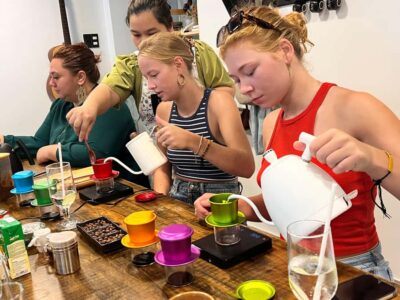
Egg coffee & Course on 4 traditional types of Viet coffee
Read our review →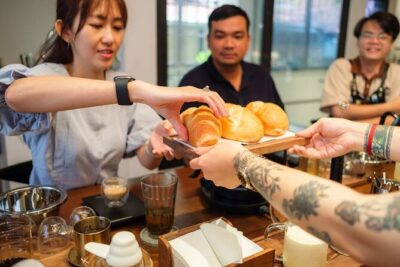
Fun & Easy Vietnamese Coffee Workshop in Hồ Chí Minh City
Read our review →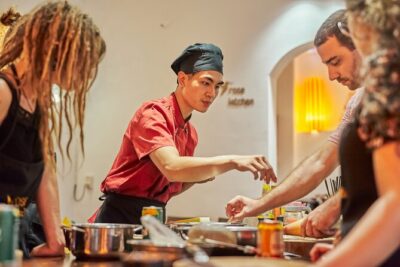
Hanoi Cooking Class: Pho/Bun Cha/Banh Xeo…+Free Egg/Salt Coffee
Read our review →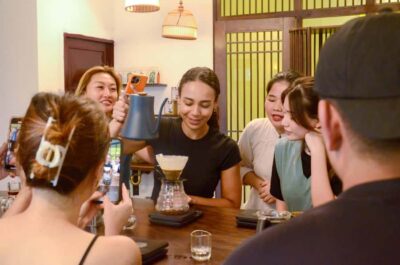
Vietnamese Coffee Workshop with 6 Brews and 8 Recipes
Read our review →
Vietnamese Coffee & Culture Exploration in Hồ Chí Minh City
Read our review →
Hanoi Coffee Workshop: Master 6 Signature Vietnamese Coffee
Read our review →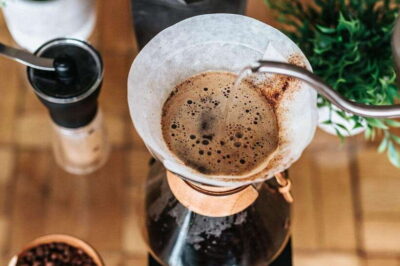
Hands-on Vietnamese Coffee Making Class with Long
Read our review →Lists this coffee tour turns up in