
REVIEW · ARUSHA
Arusha: Coffee Tour
The best part of this Arusha coffee tour is that you do not just watch the process. You make the coffee yourself, using a giant mortar and pestle, an open flame, and simple hand tools before drinking the final cup. I also like the personal side of the visit: Richard opens his organic farm, while Imran handles the guiding and transport.
I especially like the mix of farming and family hospitality, plus the included lunch and village visit. The main consideration is time. This is a 3.5 to 4-hour outing, so the coffee-making is the center of the experience, not a full-day farm or waterfall trip. Ask ahead about adding Mangalia Waterfalls if you want more nature.
What makes this coffee tour worth your morning
- Make coffee from bean to cup: Pick, roast, grind, and brew instead of standing on the sidelines.
- Meet coffee farmer Richard: His farm gives the visit a direct connection to local agriculture.
- Learn with guide Imran: He can coordinate pickup, explain the process, and help the day run smoothly.
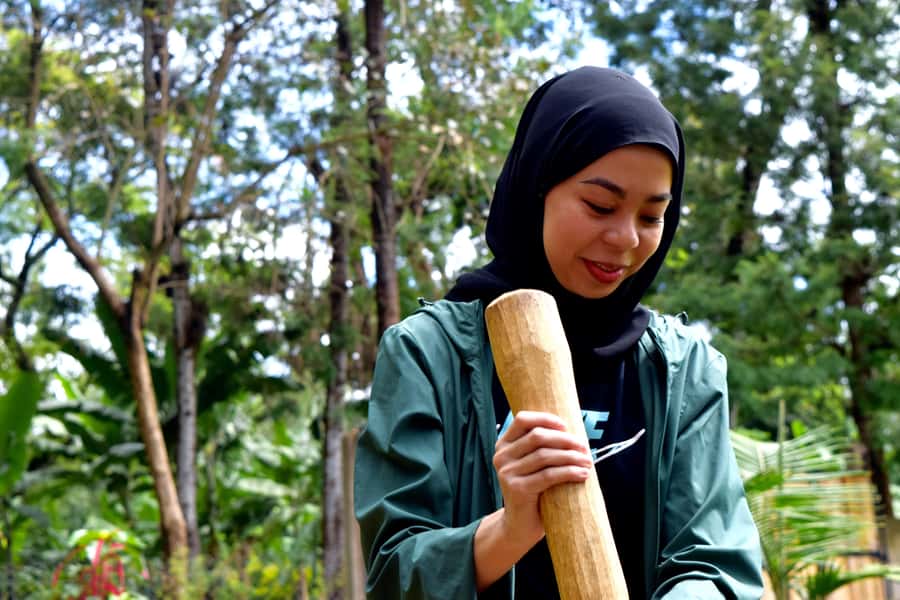
- Use traditional tools: Grinding sun-dried beans with a large mortar and pestle is hands-on, physical, and fun.
- Pair coffee with local life: Lunch and a village visit add more than a standard plantation walk.
- Add Mangalia Waterfalls: You can ask about combining the farm visit with a nearby nature stop.
Starting near Lake Duluti
This tour takes place in the Arusha area, near Lake Duluti, and lasts about 3.5 to 4 hours. That makes it a good fit for a free morning before another Arusha activity, or for a quieter day between safari plans.
Hotel pickup and drop-off are included. The operator contacts you to arrange the pickup time and location, so give yourself a little flexibility rather than planning another appointment too tightly. The exact start time depends on availability.
The area near Lake Duluti gives the tour a pleasant setting, but the point is not simply to look at scenery. You are visiting a working coffee-growing area and learning how local agriculture connects with daily life. I find that more useful than a polished demonstration where every step has already been completed before you arrive.
The tour is listed as wheelchair accessible. Since farms can have different surfaces and access points, I would still confirm the exact route when arranging pickup if you use a wheelchair or need a very level path.
More Coffee Tours in Tanzania:
- Materuni Waterfalls, coffee tour & Kikuletwa Hot Springs
★ 5.0 · 643 reviews - Materuni waterfalls coffee tour & Chemka hot springs Day trip
★ 5.0 · 131 reviews - Materuni Waterfall, Coffee Tour and Picnic Hot Lunch
★ 5.0 · 128 reviews
Learning how coffee grows on an organic farm
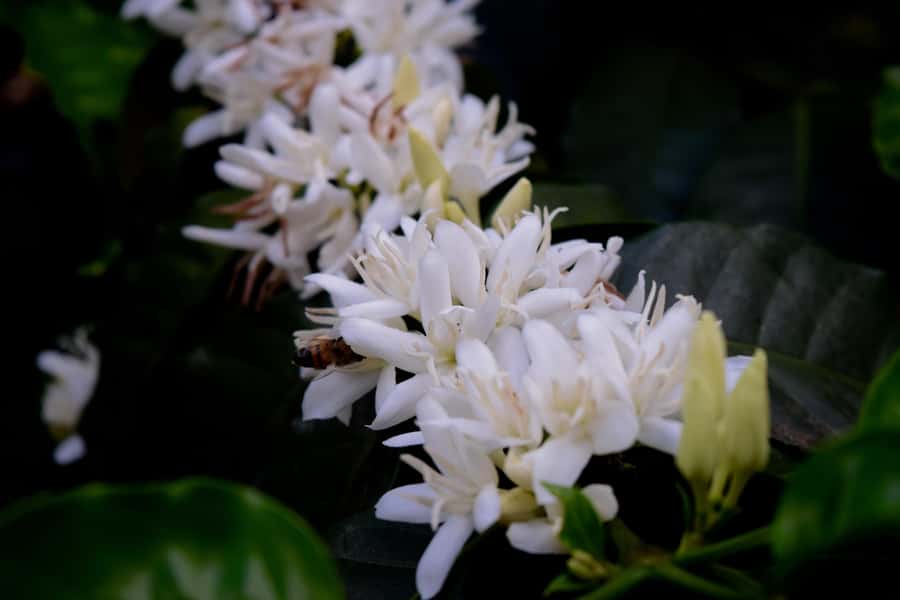
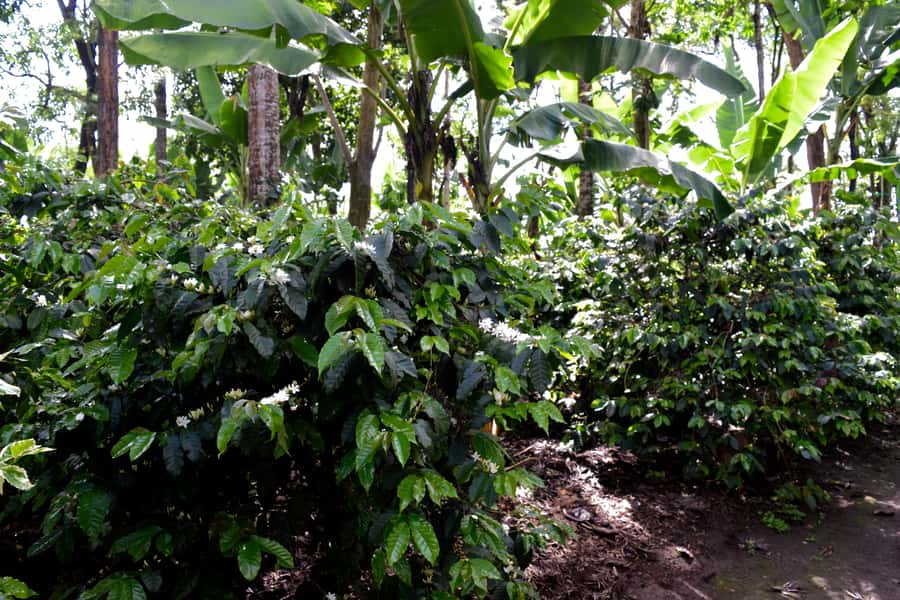
The first major stop is a local organic coffee plantation. Here, you learn how coffee plants are grown and how ripe beans are picked by hand.
This farming lesson matters because coffee can look simple once it reaches a café counter. At the farm, you see the work behind the drink: caring for the plants, protecting them, harvesting by hand, and preparing the beans for the next stage.
The organic approach is another useful part of the visit. You learn about growing and protecting coffee plants without chemical production methods. That gives you a better sense of the choices small farms make and the care required before roasting begins.
Richard leads the farm portion and explains how the work is done. His role as the farm owner gives the visit a direct, personal feel. You are not only hearing general facts about coffee. You are seeing the crop through the eyes of someone who grows and processes it.
Do not expect a large commercial plantation with machinery and a long visitor center. This is a local farm experience. That means the setting is more personal, but also less polished. You should book it for contact with farming and people, not for a formal museum-style presentation.
Pounding beans with music and teamwork
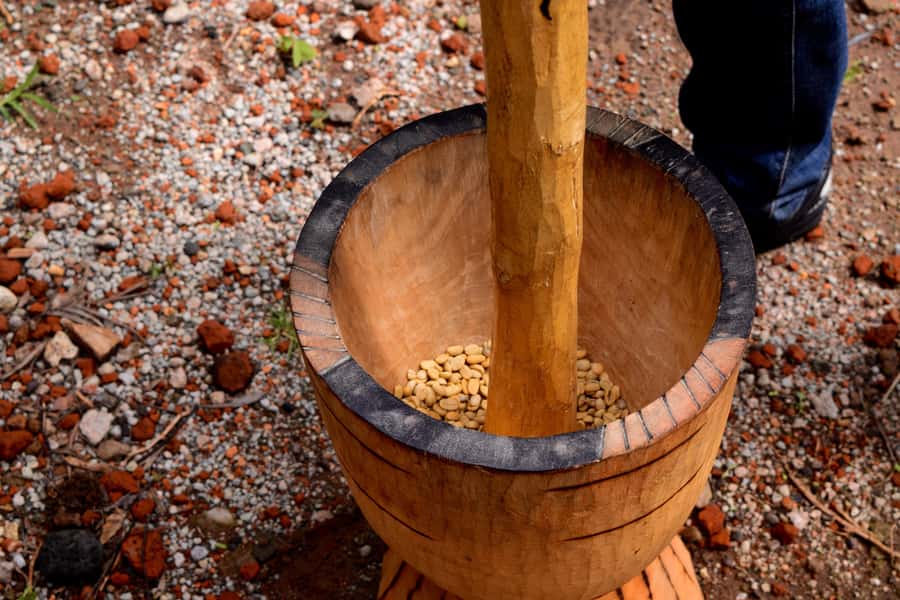
After the farm walk, you move to a nearby farm for the most hands-on part of the day. Sun-dried beans are placed in a giant mortar, and you help grind them with a large pestle.
Traditional songs accompany the work, and you are encouraged to sing along. The music turns a basic processing step into a shared activity. You do not need to be a coffee expert, or a singer, to take part. The point is to join in and enjoy the rhythm.
This part also shows how much physical effort can go into preparing coffee by hand. Pounding beans is not as quick as switching on a machine, and you may need to take turns. That is part of its appeal. You feel the process rather than simply hearing an explanation.
I would wear comfortable clothes and shoes that can handle a farm setting. The activity is not described as strenuous, but it does involve standing and using a large hand tool. If you prefer a quiet, highly structured tour, the singing and group work may feel more lively than expected.
Roasting over an open flame
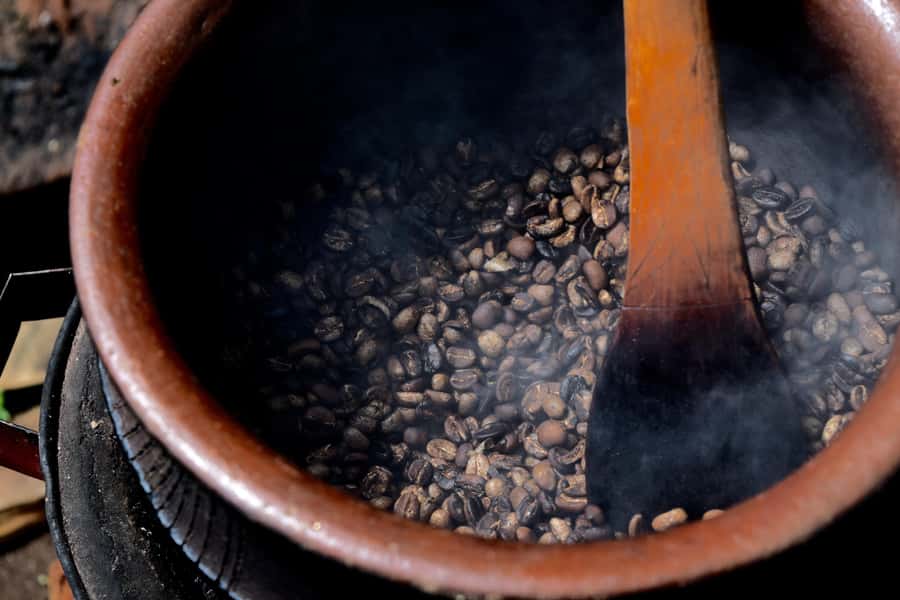
Next comes roasting. You take part in heating the beans over an open flame, watching them change before they are ground again.
This is where the coffee begins to smell and look like the drink you know. Roasting is a simple but important bridge between the farm and the cup. You can see why timing and attention matter, even in a small-scale setup.
The open-fire method gives the experience a strong local character. It is not the same as touring a modern roasting plant, and it should not be judged by that standard. You are seeing a traditional, practical method in a setting where the people leading the activity are part of the farming community.
Follow the guide’s instructions closely around the flame. The operator presents this as a supervised activity, but it is still sensible to keep children close and pay attention during roasting.
Still in Tanzania, but a different cup:
- Maasai village visit, Materuni waterfalls & coffee experience
★ 4.5 · 95 reviews - Materuni Waterfalls & Coffee Tour from Moshi
★ 5.0 · 92 reviews - Arusha or Moshi : Hot Spring, Waterfall & Coffee Farm Tour
★ 4.8 · 80 reviews - Arusha: Materuni Waterfalls, Coffee, and Hotsprings Tour
★ 4.8 · 78 reviews
Grinding, brewing, and tasting your own coffee
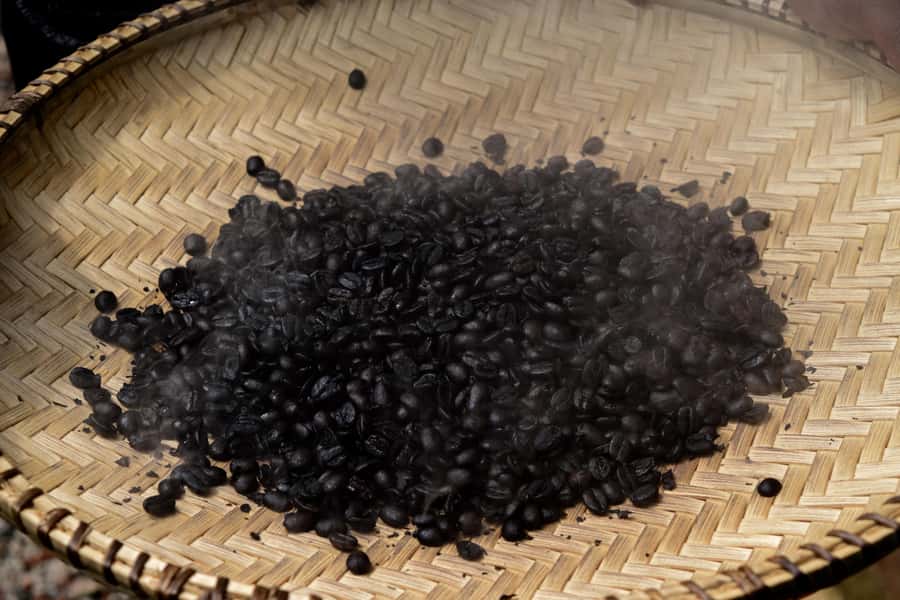
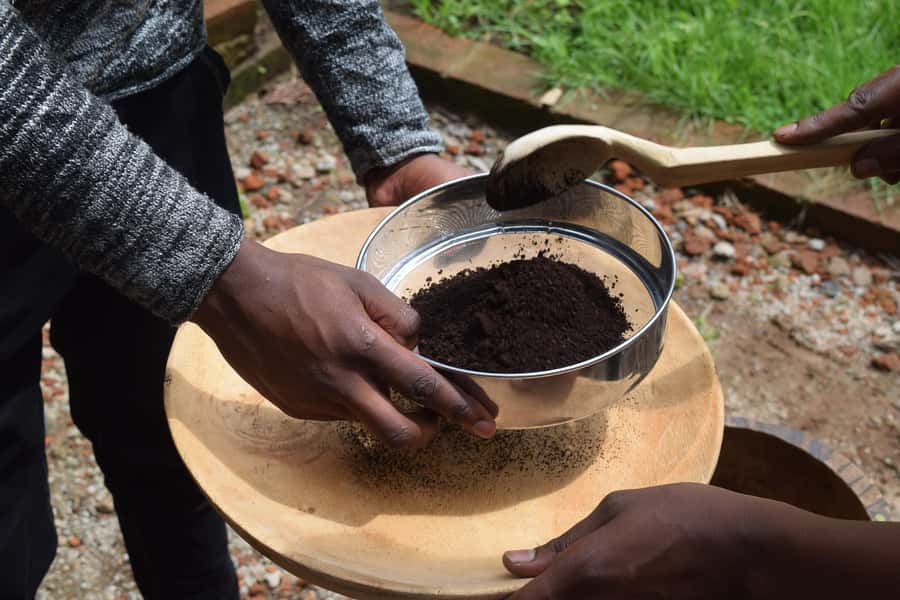
Once roasted, the beans are ground again and brewed. Then you drink the coffee you helped prepare.
That final cup is the reward, but it is also the clearest lesson of the tour. You have handled the beans through several stages, so the drink has context. A coffee tasting can feel abstract when someone else does every step. Here, you understand the work because you took part in it.
Freshness is part of the pleasure. The coffee is brewed during the activity, rather than served from a pot prepared long before your arrival. I would take time with this portion instead of rushing to the next stop. Taste it slowly and ask questions while the process is still fresh in your mind.
Fresh coffee is included. Bagged coffee is not included, but you can buy beans or ground coffee to take home. That is a useful option if you want a practical souvenir, and it gives you a way to support Richard’s business beyond the visit.
The two choices are simple. Whole beans are better if you have a grinder at home. Ground coffee is easier if you want to open the bag and use it without extra equipment. The available information does not specify packaging sizes or prices, so ask on the day before buying.
Lunch, village life, and the human side of the tour
The experience also includes a local lunch and a visit to a nearby village. These additions help keep the tour from being only about coffee production.
Lunch gives you a chance to slow down after the farm activities. Since the meal is included, you do not need to find a separate restaurant during the outing. The exact menu is not specified, so if you have dietary needs, mention them when arranging pickup.
The village visit adds another layer to the morning. You see more of the local community rather than going directly from plantation to hotel. That matters because farming is not separate from daily life. It is part of how people work, eat, and support their families.
One itinerary account also included a local market and a restaurant meal, but the fixed inclusions specifically name lunch and a village visit. Treat the market as something that may depend on the day, rather than a guaranteed stop.
This part of the tour will suit you if you want contact with local life and do not mind that the day is not tightly packaged. If you prefer a pure coffee lesson with no additional cultural stops, the village and lunch may feel like extra time. For most people, they make the short tour feel more complete.
What the guides add to the experience

Richard is the farm owner, and his connection to the land is central to the visit. He leads the plantation portion and explains how the coffee is grown, harvested, and protected.
Imran is involved in guiding and organizing the day. He can help with communication, pickup, and the wider flow of the experience. Reports of calm, safe driving and punctual coordination are especially useful if you are arranging the tour from a hotel in Arusha.
Jambo is also named as a driver associated with the experience. The operator provides an English-speaking guide, and English is the stated tour language.
The personal names matter because this is not an anonymous stop at a large attraction. You know who is showing you the farm and who is helping move the day along. That can make a difference in Tanzania, where a good local guide often determines how comfortable and open a community visit feels.
Still, keep expectations realistic. The group size is not provided, so you should ask whether your booking is private or shared if that matters to you. A small group will usually make the farm work and questions easier, but the available details do not promise one.
Adding Mangalia Waterfalls

Mangalia Waterfalls can be added for a stronger nature-and-culture combination. The waterfall visit is presented as an extra option, not as part of the basic coffee tour.
Ask about the added stop before booking if it is important to you. The standard outing already takes 3.5 to 4 hours, and no extra duration or cost is provided for Mangalia Waterfalls. You will want to know how the addition affects pickup, lunch, and your return time.
This option is useful if you have only one free day around Arusha and want more than a farm visit. If your main interest is coffee, the basic tour may be enough. The hands-on sequence already fills the morning, and adding a waterfall could make the day feel rushed if the schedule is tight.
Is $55 good value?
At $55 per person, the price is fair if you value participation rather than a simple plantation walk.
The fee includes hotel pickup and drop-off, the coffee tour, fresh coffee, an English-speaking guide, and lunch. You also receive a village visit and several practical activities rather than one short explanation. Transport alone can make a half-day outing more useful, especially if you are staying in Arusha and do not want to arrange separate rides.
The strongest value comes from the range of experiences packed into the morning. You learn about organic farming, take part in processing, eat lunch, meet people connected to the farm, and return with the option to purchase coffee.
It is less compelling if you only want a café tasting or a large commercial plantation. You may find cheaper ways to drink coffee in Arusha. The reason to pay for this tour is the access to the farm, the work with traditional tools, and the local connection.
The price does not include bagged coffee. Bring extra money if you want beans or ground coffee to take home. Since prices and bag sizes are not specified, ask before choosing what to buy.
Who should book this Arusha coffee tour?
I would recommend this experience to you if you:
- Want a hands-on cultural activity near Arusha
- Enjoy meeting local farmers and learning through work
- Like coffee but do not need a technical tasting session
- Have a free morning between larger Tanzania trips
- Prefer a local lunch and village visit to a standard sightseeing stop
- Want hotel transport included
- Are happy to sing, pound beans, and take part rather than simply watch
Families may enjoy the practical steps, although the listing does not provide a recommended minimum age. Children should be supervised around the open flame and during the mortar-and-pestle work.
Coffee lovers will appreciate the full bean-to-cup process, but you do not need to be passionate about coffee to enjoy it. The farming, music, lunch, and village visit give the tour enough variety for people with different interests.
Should you book it?
Book this tour if you want to understand coffee through local farming, shared work, and a fresh cup you helped make. Richard’s farm, Imran’s guiding, the open-fire roasting, and the included lunch give the outing a personal feel that a standard plantation stop may not provide.
Skip it if you want a long waterfall excursion, a formal coffee laboratory, or a guaranteed private group. Before booking, confirm the pickup details, group size, lunch needs, and the cost and timing of adding Mangalia Waterfalls.
For $55, this is a strong half-day choice for an authentic, practical introduction to Tanzanian coffee and community life near Arusha.
FAQ
How long does the Arusha coffee tour last?
The experience lasts about 3.5 to 4 hours. Starting times vary, so you need to check availability when booking.
What is included in the $55 price?
The price includes hotel pickup and drop-off, the coffee tour, fresh coffee, an English-speaking guide, and lunch.
Is the tour conducted in English?
Yes. The tour language is English, and an English-speaking guide is provided.
Can I buy coffee to take home?
Yes. Bagged coffee is available to purchase, but it is not included in the tour price. You may be able to choose beans or ground coffee.
Can Mangalia Waterfalls be added to the tour?
Yes, the waterfall visit can be added as an extra option. The additional cost and time are not specified, so ask the operator when arranging your booking.
Can I cancel the booking or pay later?
You can cancel up to 24 hours in advance for a full refund. You can also reserve now and pay later, and the tour is listed as wheelchair accessible.
Just listed in Tanzania
- Arusha: Traditional Coffee Preparation(coffee tour)★ 4.8 · 11 reviews
- Arusha: Coffee Plantation Tour with Tasting and Hands-On …★ 5.0 · 4 reviews
- Materuni waterfall – coffee tour OR Chemka hot spring Tour★ 5.0 · 16 reviews
- Materuni Waterfalls & Coffee making Cultural Tour | BURIGI CHATO SAFARIS LTD★ 5.0 · 15 reviews
- Materuni Waterfall Coffee Tour and Chemka Hot Springs Experience★ 5.0 · 15 reviews
- Materuni Thundering Waterfalls,Coffee Experience with Moshi Town Tour★ 5.0 · 17 reviews
- Materuni Village Tour | Materuni waterfalls | materuni coffee tour★ 5.0 · 18 reviews
- Waterfall, coffee tour & hot springs – lunch and drinks included★ 5.0 · 22 reviews
Tanzania Coffee Tours, compared.
Materuni Waterfalls, coffee tour & Kikuletwa Hot Springs
Read our review →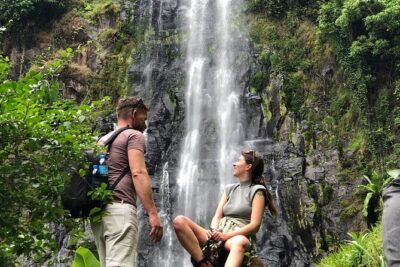
Materuni waterfalls coffee tour & Chemka hot springs Day trip
Read our review →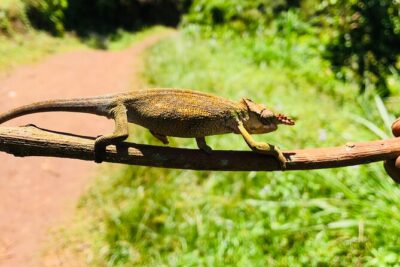
Materuni Waterfall, Coffee Tour and Picnic Hot Lunch
Read our review →
Maasai village visit, Materuni waterfalls & coffee experience
Read our review →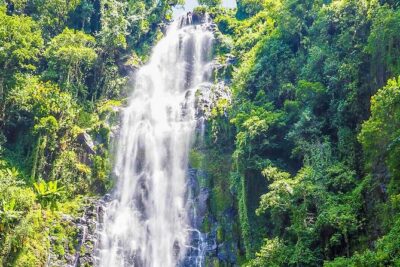
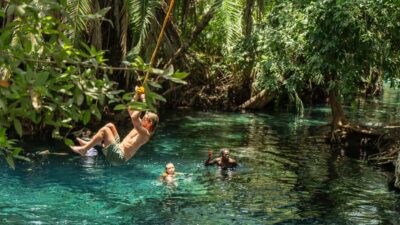
Arusha or Moshi : Hot Spring, Waterfall & Coffee Farm Tour
Read our review →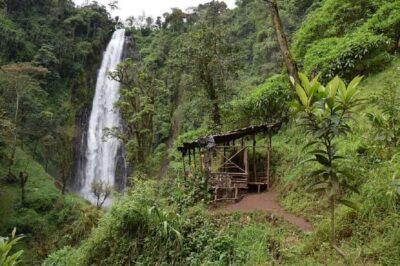
Materuni Waterfalls, Coffee, and Hotsprings Tour
Read our review →
Materuni Waterfalls, Chemka Hot Springs, &/Or Coffee Tour
Read our review →Lists this coffee tour turns up in